
Metallica Played "Delilah" at a Stadium Where the Song Is Officially Banned — and It Was Glorious
Music

Metallica Played "Delilah" at a Stadium Where the Song Is Officially Banned — and It Was Glorious

Jalen RossJalen Ross··7 min read
Advertisement

Table of Contents

The Moment That Had Cardiff Talking

Metallica Played

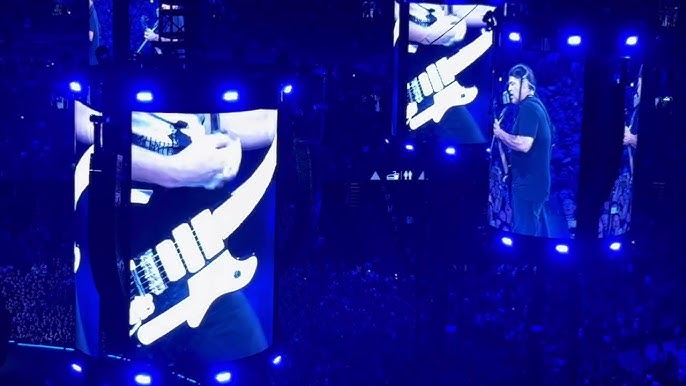
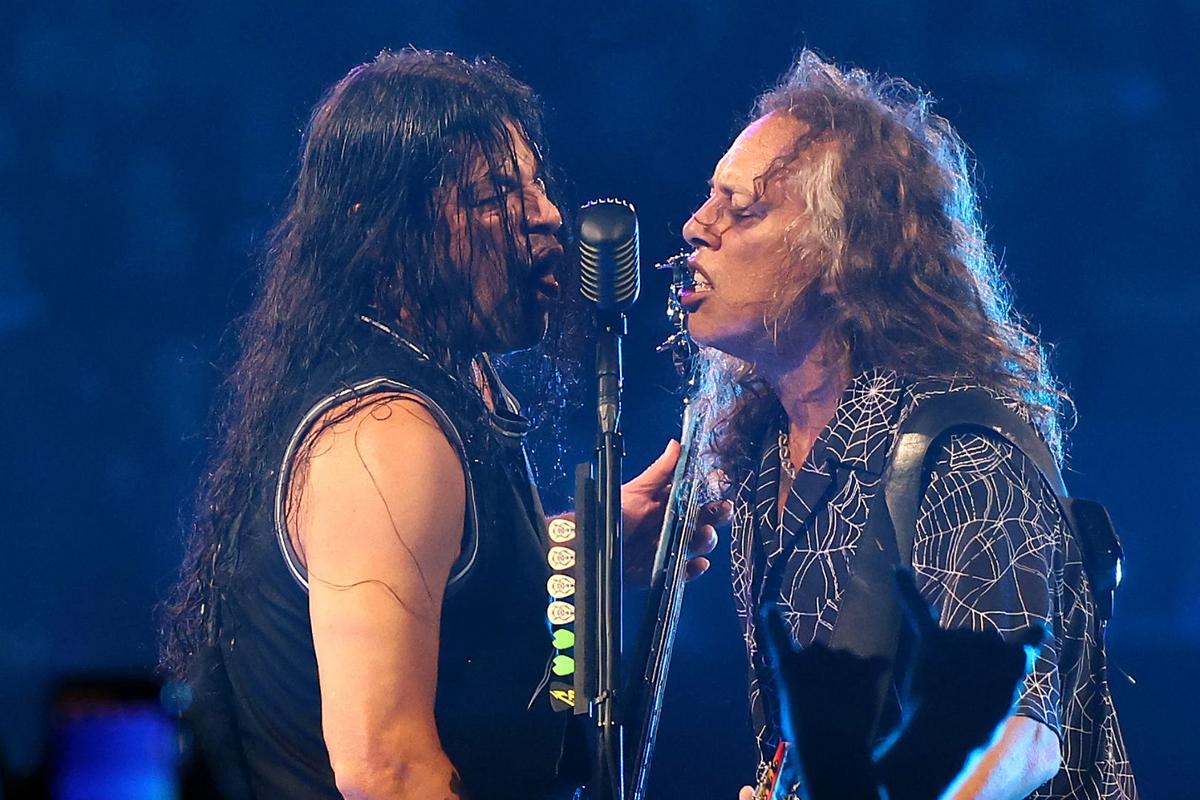
There are concerts, and then there are moments – the kind that instantly become folklore, shared on group chats and replayed on social media long after the last amp goes cold. Metallica delivered one of those moments recently when they took to the stage at Cardiff’s Principality Stadium in Wales and, right in the middle of their set, launched into a cover of Tom Jones’ iconic 1968 ballad “Delilah.” It sounds like a curious enough choice for a band known for thrashing heavy metal anthems, but what made the performance extraordinary was its setting. Principality Stadium is one of the only venues in the world where “Delilah” is formally, officially banned – and Metallica played it anyway, with full energy, in front of a roaring Welsh crowd that clearly knew every single word.
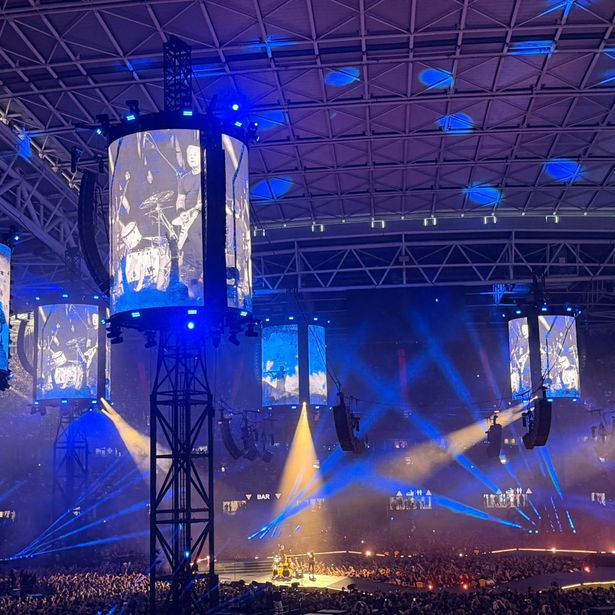
Metallica performing on stage during their Cardiff concert
Image: Wales Online

The crowd’s reaction was immediate and ecstatic. Welsh fans, who have a deeply complicated relationship with “Delilah” for reasons that stretch back decades, sang along at the top of their lungs – the kind of communal roar you only get when a stadium full of people is in on a joke and absolutely loving it. For Metallica, it was a masterclass in reading the room. The band clearly did their research before rolling into Wales, understood the cultural weight of the song, and chose to lean into it in the most rock-and-roll way imaginable. It was cheeky, it was deliberate, and it landed perfectly.

Why Is “Delilah” Banned at Principality Stadium?

Metallica Played

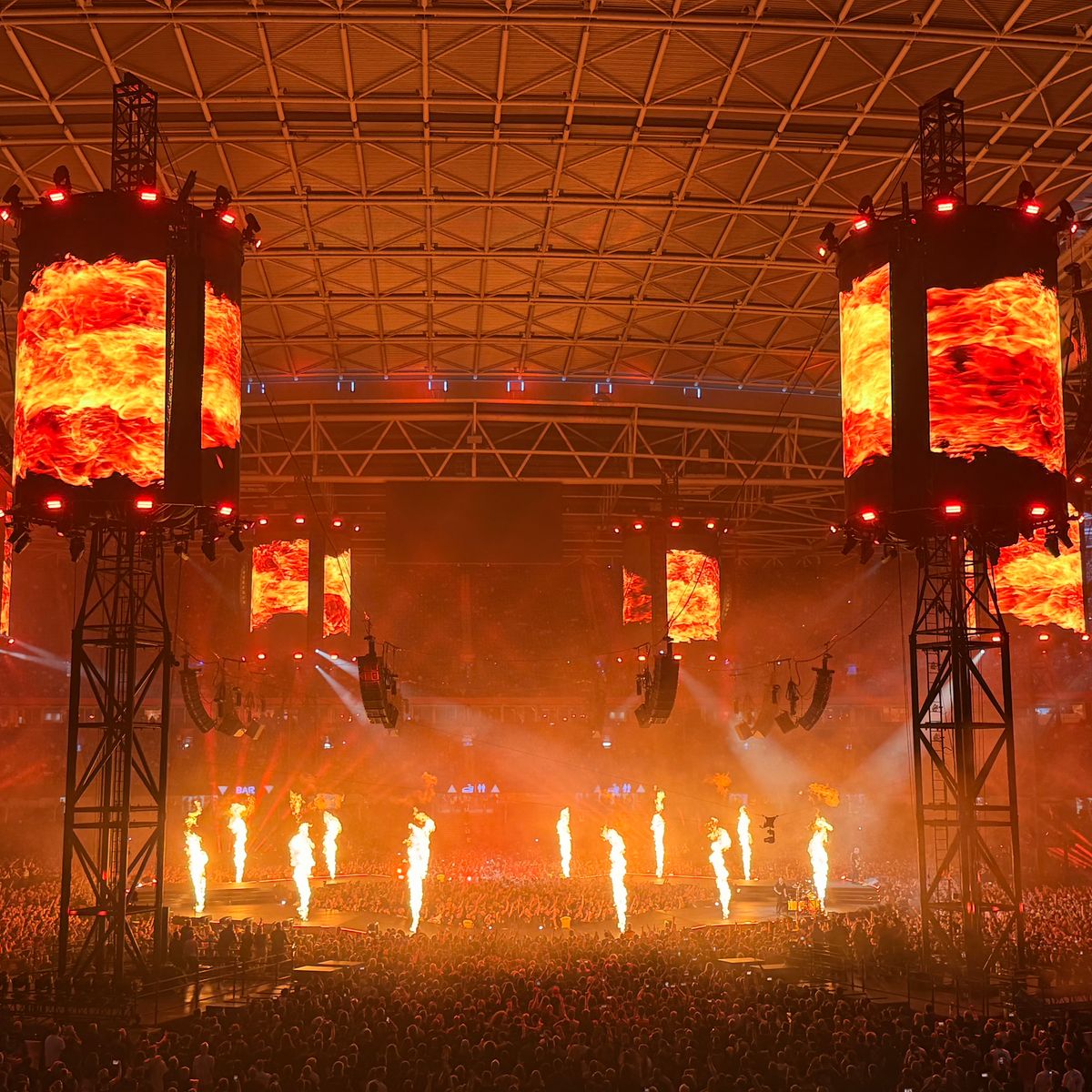
To understand why Metallica’s performance hit so differently, you need a bit of context on one of Welsh sport’s more unusual cultural debates. “Delilah,” written by Les Reed and Barry Mason and made famous by Tom Jones, became a beloved terrace anthem for Welsh rugby fans over the decades. The Wales national rugby team’s supporters adopted it as an unofficial crowd song, belting it out with tremendous passion at Six Nations matches and World Cup games alike. The problem, as critics increasingly pointed out, is that the song tells the story of a man who murders a woman after discovering her infidelity – not exactly the message a modern sporting institution wants echoing around its flagship venue. The Welsh Rugby Union eventually moved to discourage the song, and Principality Stadium – the 74,500-capacity home of Welsh rugby in the heart of Cardiff – essentially made it an unwelcome presence at official events.

The debate was never simple, and it divided Welsh fans right down the middle. On one side were those who argued that treating “Delilah” as a drinking song with no lyrical scrutiny was normalizing themes of gender-based violence, particularly in a sporting culture that has long had work to do on those issues. On the other side were fans who felt the ban was an overreach – an erasure of cherished tradition, a case of cultural sanitization applied to a song that generations of Welsh people had sung without ever focusing on the dark narrative buried in its verses. Neither camp fully won the argument, which is precisely why the song still carries such loaded energy whenever it surfaces. Metallica essentially walked into the middle of that cultural standoff and detonated a very loud, very well-tuned grenade.

Metallica’s History With Cardiff and Welsh Crowds
Metallica Played

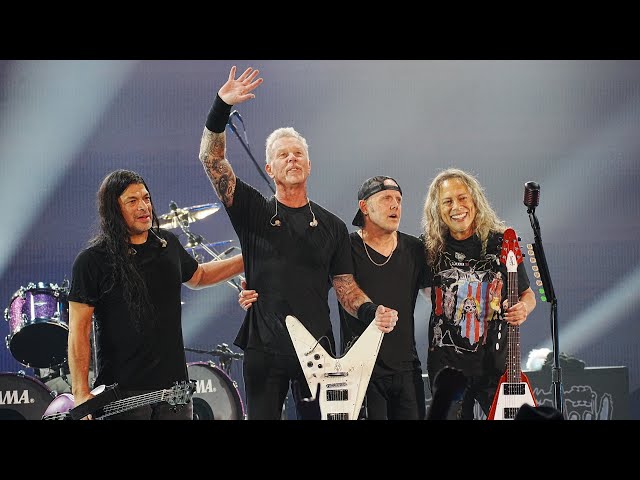
Metallica are no strangers to making headlines on their live tours, and their relationship with UK and Irish crowds has always been particularly electric. The band – formed in Los Angeles in 1981 and comprising James Hetfield, Lars Ulrich, Kirk Hammett, and Robert Trujillo – have spent over four decades building one of the most ferociously loyal fan bases in the history of rock music. Their live shows are legendary for their length, their intensity, and their occasional surprises, including unexpected covers and crowd-tailored moments that feel spontaneous even when they are clearly well-rehearsed decisions. Playing Cardiff as part of their ongoing touring activity, the band demonstrated once again that they understand the cities they visit on a level that goes beyond simply showing up and playing the hits.
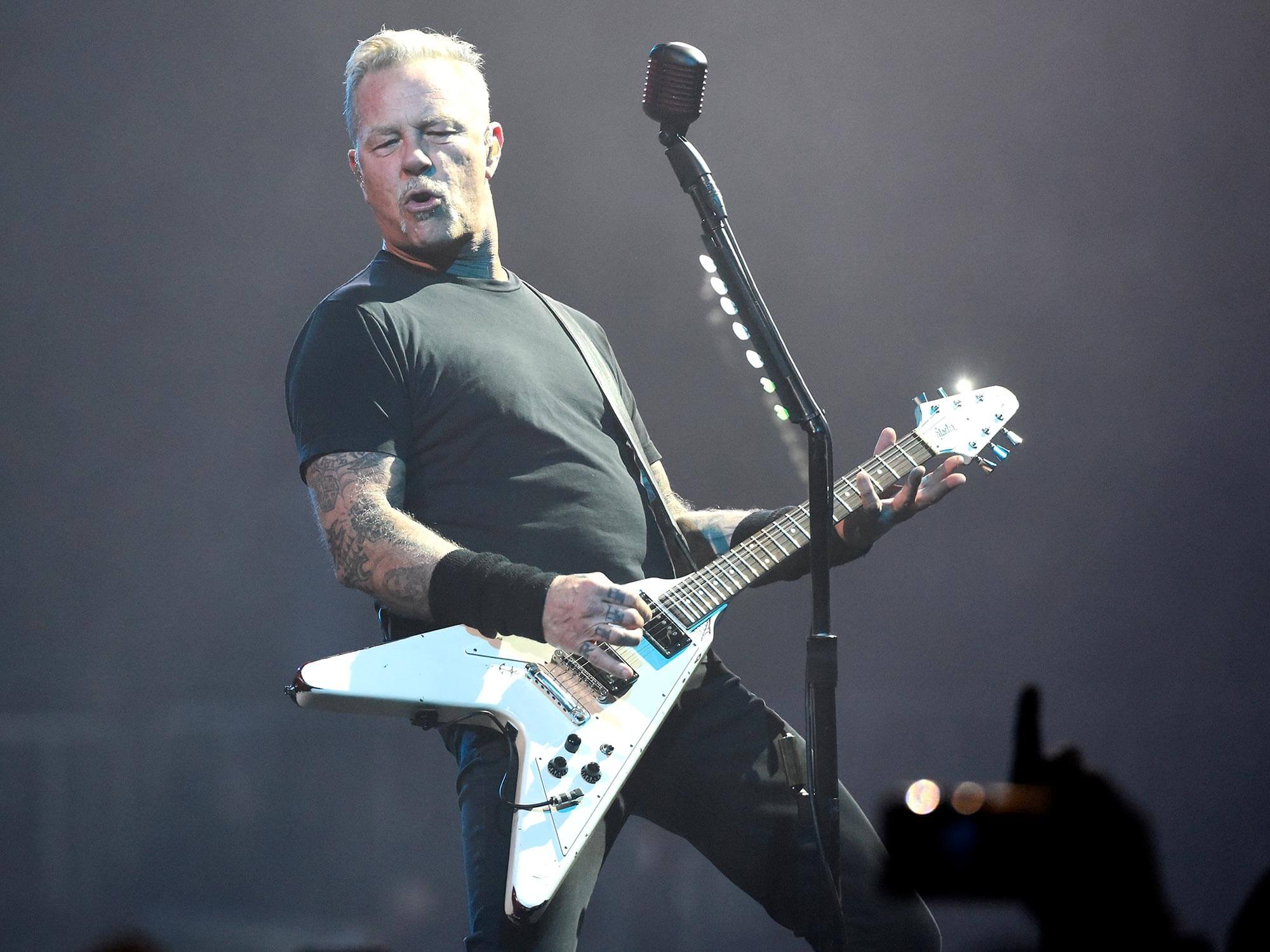
James Hetfield of Metallica performing live
Image: Guitar.com

What makes the “Delilah” cover particularly sharp is the research it implies. Someone in the Metallica camp – whether it was Hetfield himself, a tour manager, or a cultural advisor – clearly knew about the ban, understood why it exists, and made the creative call to incorporate the song into the set list. That is not an accident. For a band of Metallica’s stature, every major set-piece decision goes through multiple layers of consideration, which means the choice to play a banned song on the very ground it is banned from was entirely intentional. Whether you read it as a tribute to Welsh culture, a rock-and-roll act of mild rebellion, or simply brilliant showmanship, the effect was the same: the stadium went absolutely wild.
Advertisement

Tom Jones and the Complicated Legacy of a Classic Song

Metallica Played

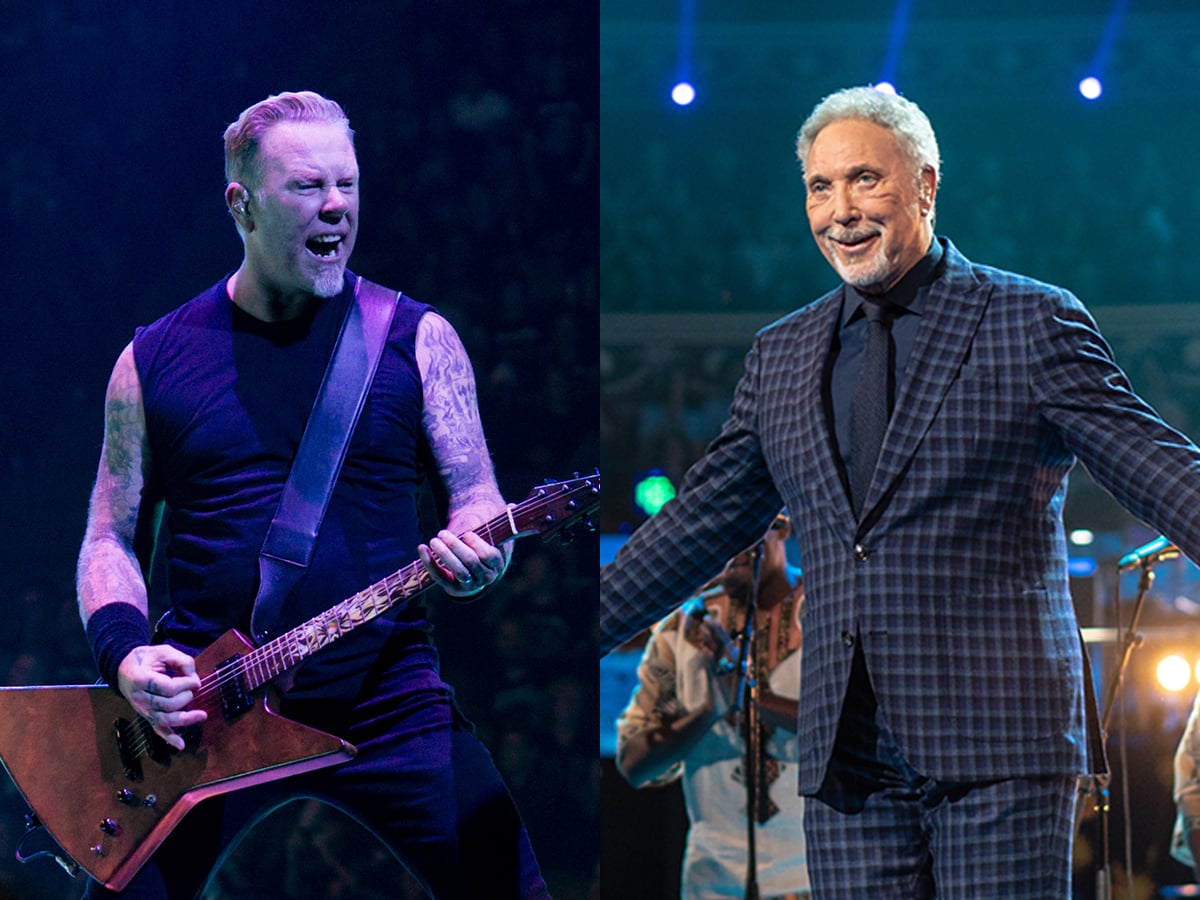
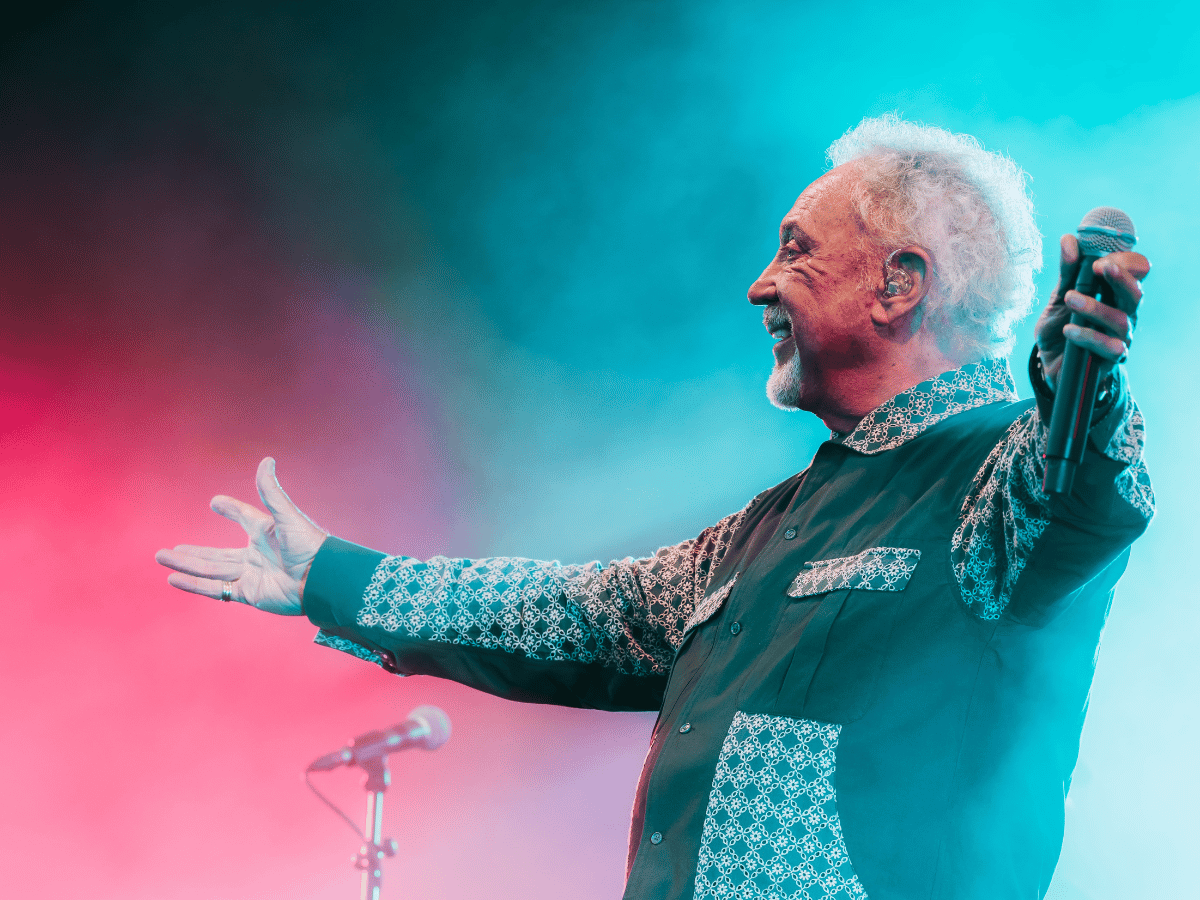
Tom Jones himself, now in his 80s, remains one of the most remarkable figures in the entire history of British and Welsh popular music. Born Thomas John Woodward in Pontypridd, South Wales in 1940, Jones broke through in the mid-1960s with a voice of extraordinary power and range, and “Delilah” became one of the defining recordings of his career when it was released in 1968. The song reached number two on the UK Singles Chart and became a global hit, cementing Jones’ image as a larger-than-life entertainer capable of wringing maximum drama out of every note he sang. Over the decades, it became one of those songs that transcends its original context – absorbed into sporting crowds, television specials, and karaoke playlists far removed from any consideration of what it is actually about.

Tom Jones performing live on stage
Image: Buzz Magazine

The irony in Metallica covering “Delilah” is not lost on anyone with a sense of music history. Metallica, a band whose back catalogue includes no shortage of songs dealing with violence, death, war, and psychological darkness, covering a pop ballad about a murder – and doing so at the one venue that has banned the song for exactly those reasons – creates a kind of perfect cultural loop. Tom Jones has not made any public statement about the cover as of this writing, but it is difficult to imagine the veteran performer being anything other than amused by the whole situation. His song has now outlived its controversy, survived its ban, and been delivered by one of the biggest metal bands on earth to a stadium full of delighted Welsh fans. That is quite a legacy.

How the Internet Responded

Metallica Played

Predictably, footage of the performance spread quickly across social media platforms, with fans sharing clips on X (formerly Twitter), Instagram, and TikTok within hours of the show. The reaction was overwhelmingly enthusiastic, with Welsh fans in particular expressing something between disbelief and pure joy. Comments ranged from straightforward appreciation for Metallica’s cultural awareness to more pointed observations about what it says when a visiting American metal band will play a song that the stadium’s own administrators won’t allow. The viral energy around the clip was the kind that money cannot buy – organic, genuinely funny, and rooted in a real moment rather than manufactured controversy.

Rock music journalists and cultural commentators quickly weighed in as well, with many praising the move as one of the more inspired live concert gestures of the current touring season. There is something that resonates deeply with music fans about a band that does its homework – that treats the cities it visits as places with real histories and specific identities rather than interchangeable tour stops on a global circuit. In an era when many major acts deliver virtually identical shows in every city, Metallica’s Cardiff moment felt genuinely specific and genuinely earned. The internet, often a difficult audience to satisfy, recognized that and responded accordingly.

The Beautiful Irony of James Hetfield Singing What the WRU Would Not Allow

Strip away the cultural politics and the rock-and-roll mythology, and what you are left with is a surprisingly simple truth: Metallica read the room better than the room’s own administrators did. The Welsh Rugby Union’s decision to discourage “Delilah” at Principality Stadium came from a legitimate place – the desire to modernize the culture around Welsh sport and take seriously the concerns of those who found the lyrical content of the song troubling. Those concerns are not frivolous, and the conversation around music, tradition, and accountability in sporting spaces is one worth having. But banning a song does not erase its cultural weight or its emotional connection to the people who love it. If anything, it deepens that connection, gives the song a new layer of meaning, and makes every future performance of it a small act of communal reclamation.

James Hetfield standing at the microphone in Cardiff and singing Tom Jones is, on its surface, one of the stranger images recent live music has produced. But it is also a reminder that music has always operated in this space between transgression and tradition, between the official version of things and the version that actually lives in people’s hearts. Metallica did not need to play “Delilah.” They chose to, and that choice – deliberate, informed, and executed with the full weight of a band that knows exactly what it is doing – is why people are still talking about it. The song is banned. The concert is over. The moment, however, is permanently part of Cardiff’s music story.

Advertisement
Share
Get the recap

Loved this story? Get more like it.

Join readers who get our weekly entertainment recap - the stories worth your time, delivered every Friday.

No spam. Unsubscribe anytime. By signing up you agree to our Privacy Policy.

Metallica Played "Delilah" at a... | Sidomex Entertainment