

Table of Contents
- A Historic Announcement Changes World Cup Tradition
- The Powerhouse Lineup: Three Generations of Global Icons
- World Cup Entertainment Evolution
- The Logistical Spectacle Ahead
- Cultural Impact and Global Reach
- Anticipation Builds for 2026
A Historic Announcement Changes World Cup Tradition
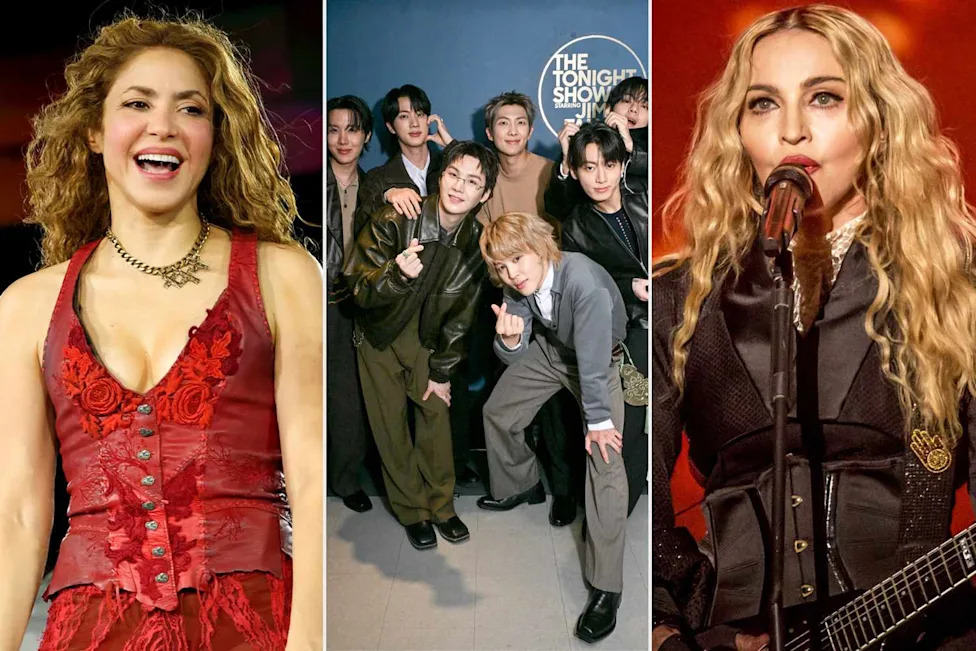
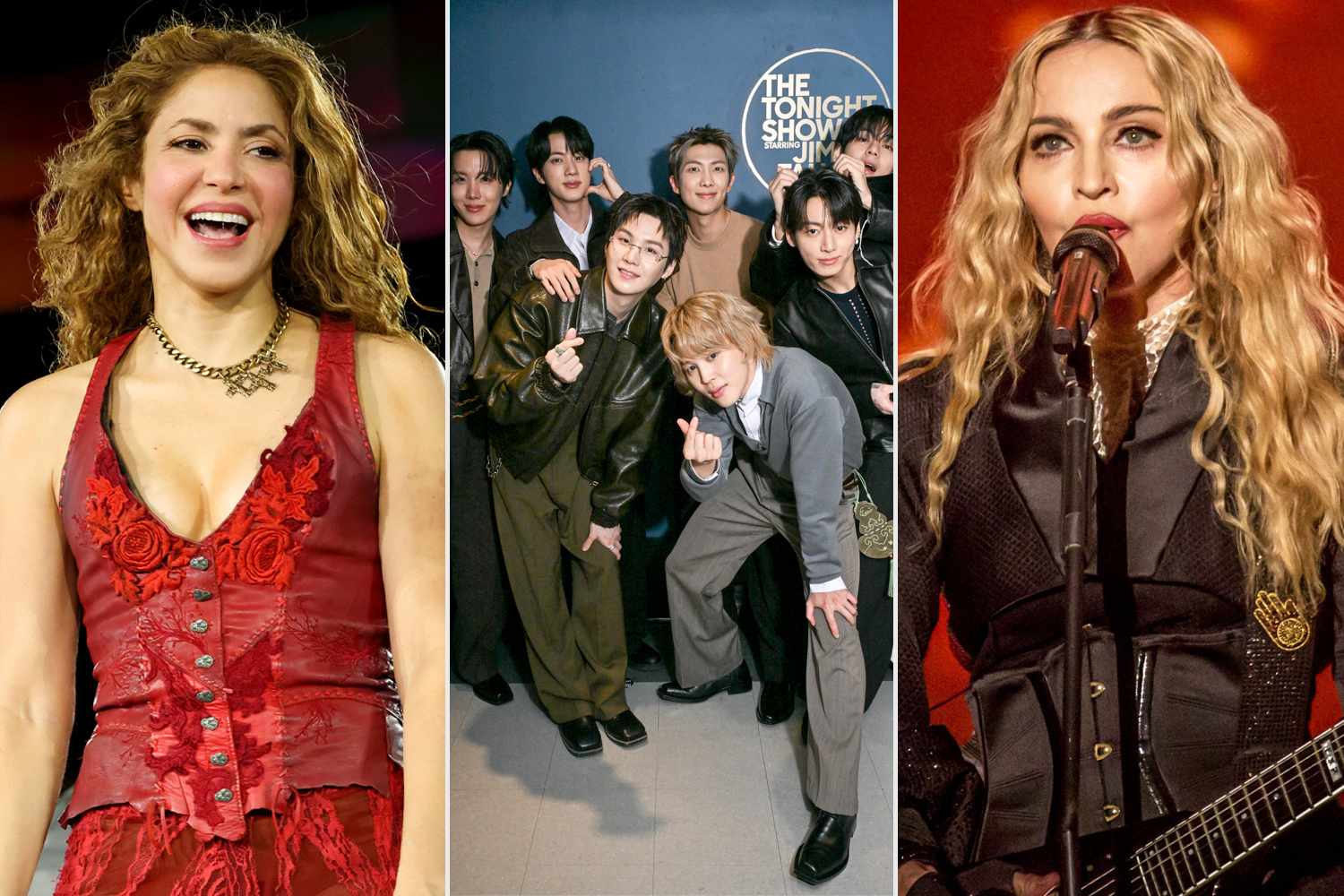
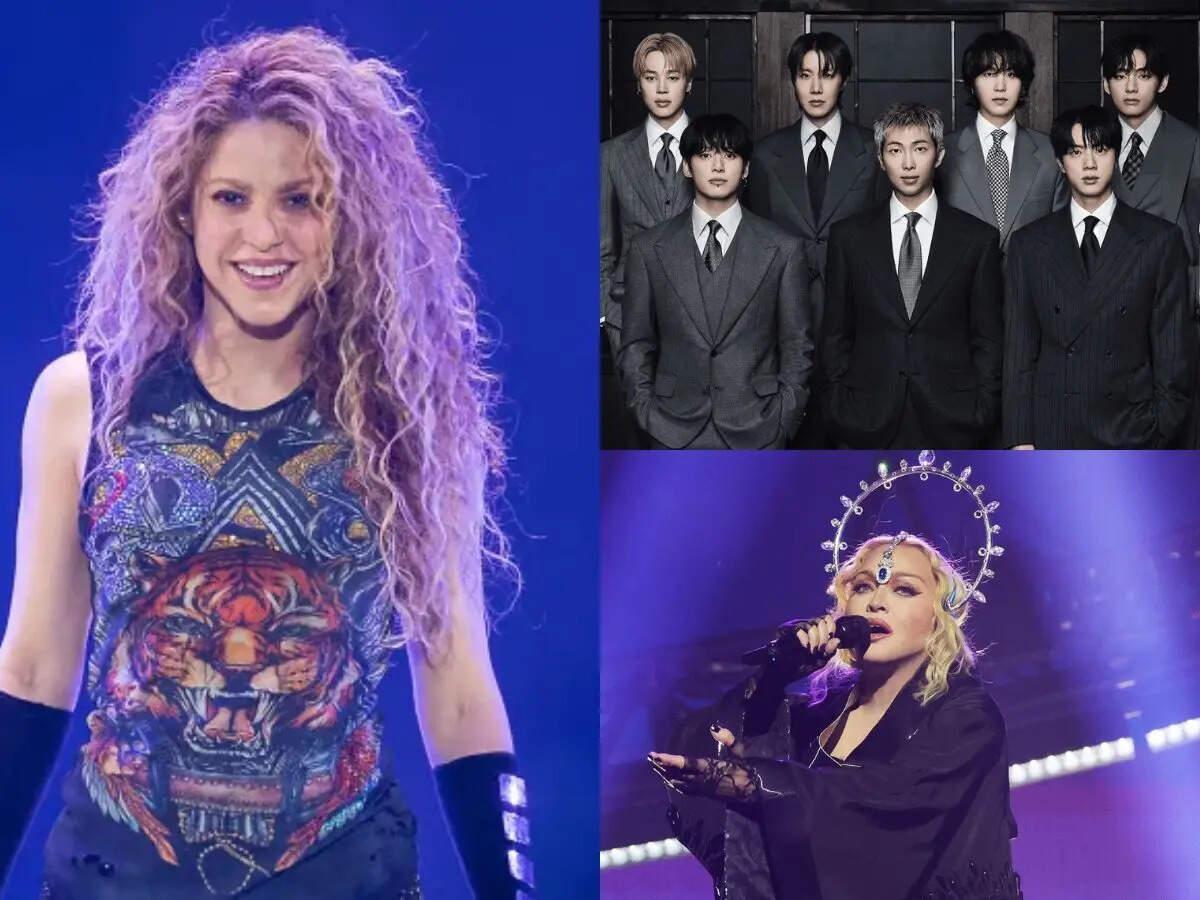
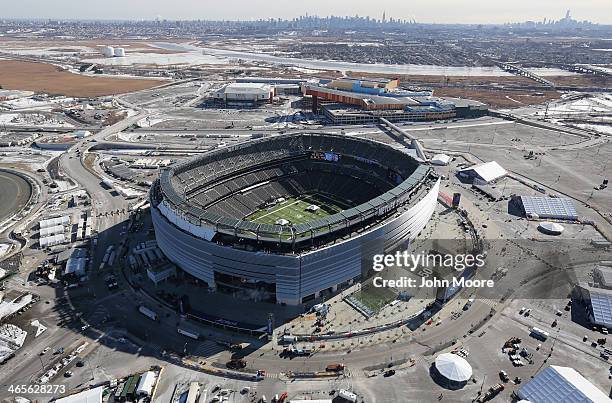
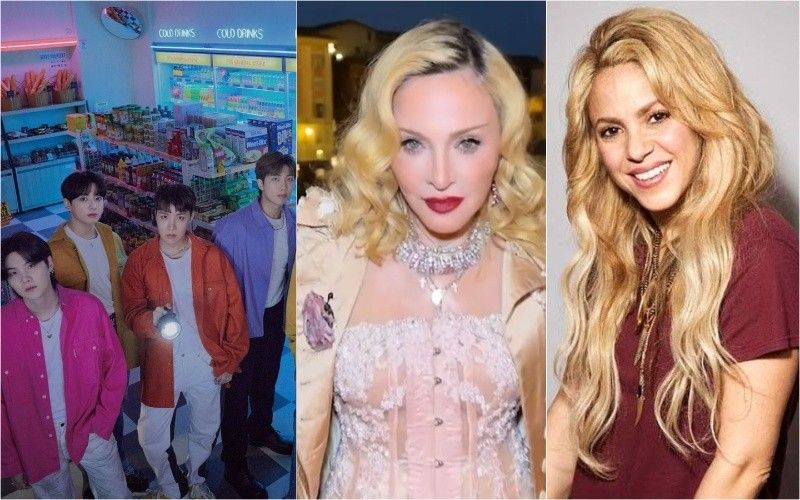
In a groundbreaking move that’s sending shockwaves through both the sports and entertainment worlds, FIFA has officially announced that the 2026 World Cup will feature its first-ever halftime show during the final match. The announcement, revealed through FIFA’s official Instagram account, confirms that pop legend Madonna, Colombian superstar Shakira, and K-pop phenomenon BTS will share the stage for this unprecedented musical spectacle at MetLife Stadium in New Jersey. This marks a seismic shift for the world’s most-watched sporting event, which has traditionally maintained a more conservative approach to entertainment programming compared to American sporting events like the Super Bowl.
The decision represents FIFA’s bold attempt to merge the global appeal of football with the universal language of music, creating what promises to be one of the most-watched entertainment moments in television history. With the 2026 World Cup being co-hosted by the United States, Canada, and Mexico, the inclusion of a Super Bowl-style halftime show seems strategically designed to appeal to North American audiences while maintaining the tournament’s international flavor. The choice of New Jersey’s MetLife Stadium as the venue adds another layer of significance, as the facility has previously hosted major entertainment events and possesses the infrastructure necessary to support such an elaborate production.
The Powerhouse Lineup: Three Generations of Global Icons
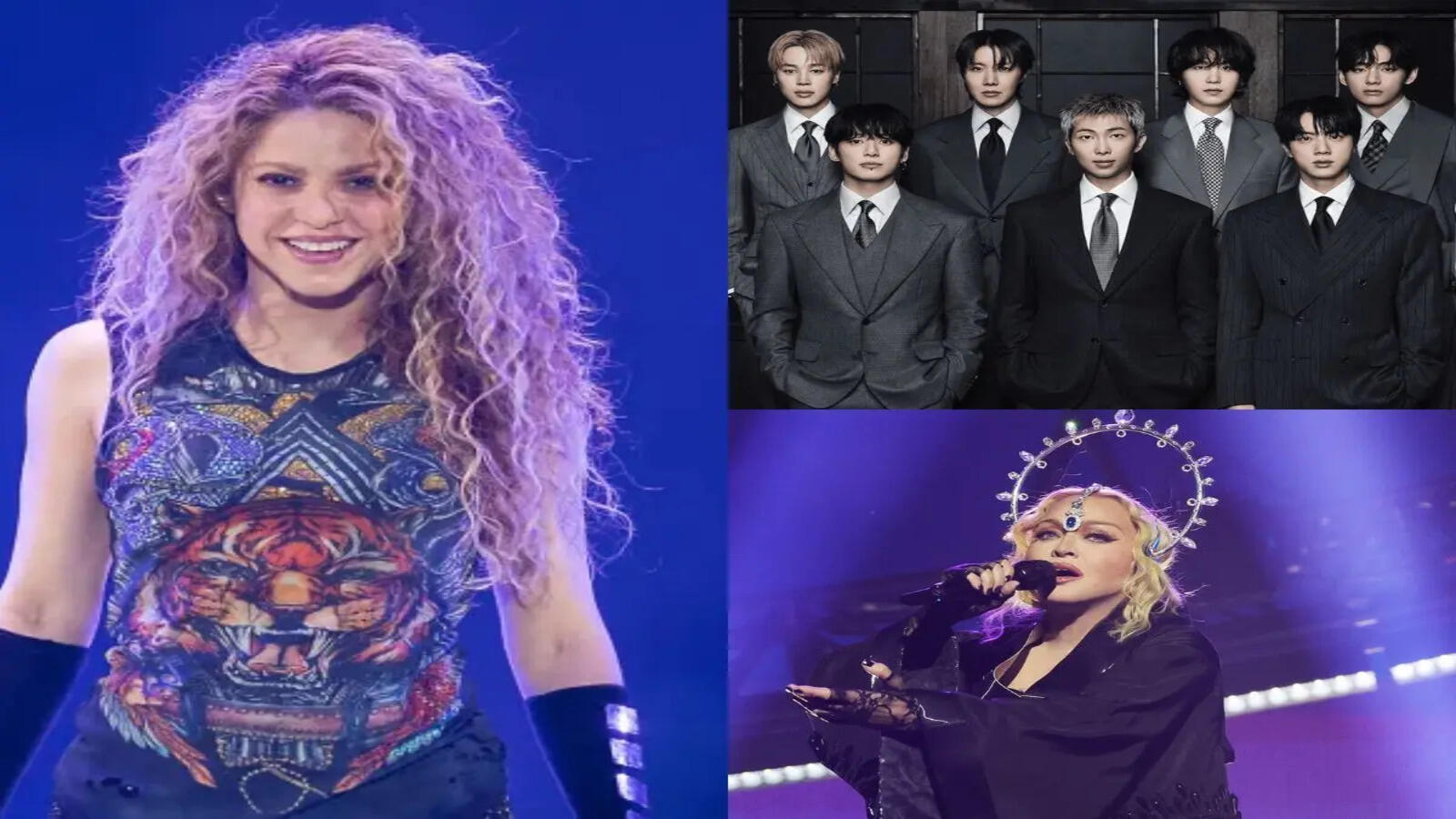
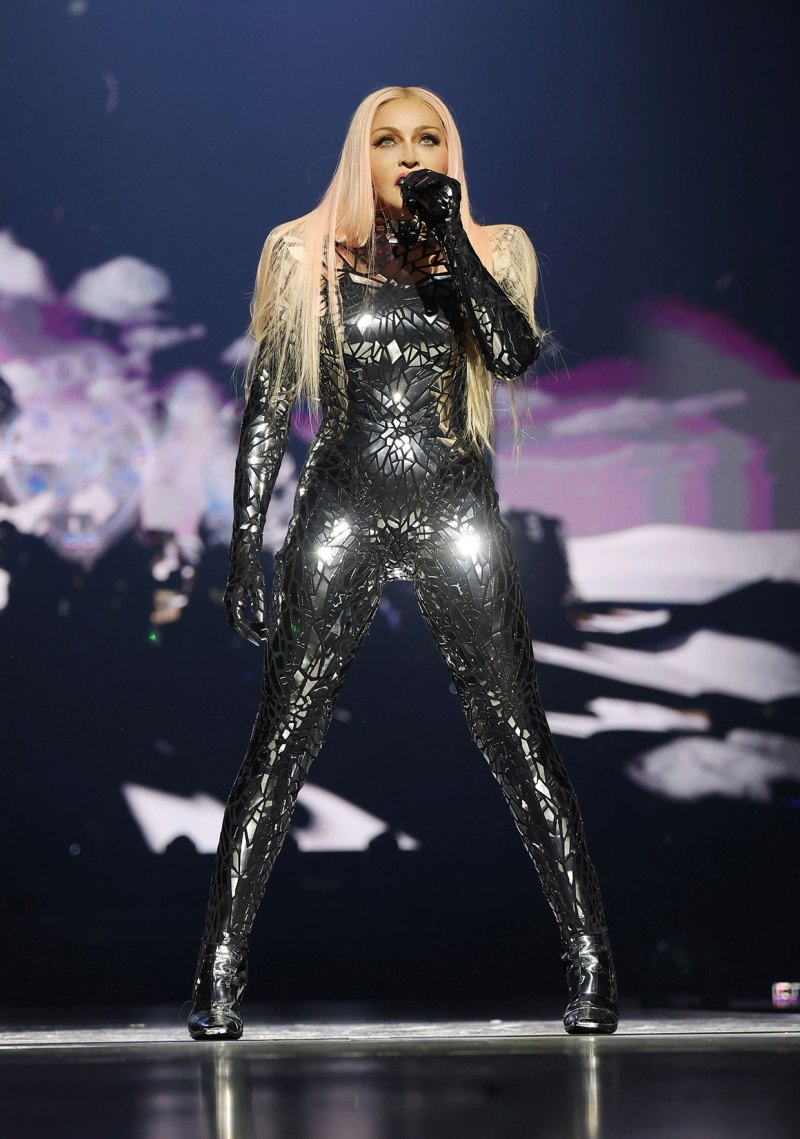
The star-studded lineup represents a fascinating convergence of different musical eras and cultural influences, each bringing their own massive global following to the World Cup stage. Madonna, often dubbed the “Queen of Pop,” brings decades of experience performing at massive venues and creating culturally significant moments that transcend music. Her career spanning over four decades has seen her continuously reinvent herself while maintaining relevance across multiple generations, making her an ideal choice for an event that celebrates both tradition and innovation. Her previous performances at major sporting events and award shows have consistently delivered memorable moments that become part of pop culture history.
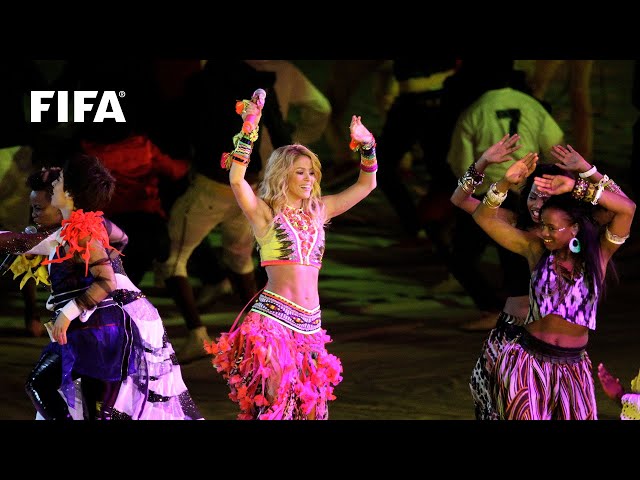
Shakira’s inclusion feels particularly fitting given her deep connection to World Cup history, having performed “Waka Waka (This Time for Africa)” for the 2010 South Africa World Cup, which became one of the most successful World Cup anthems ever recorded. The Colombian artist’s unique ability to blend Latin rhythms with mainstream pop sensibilities has made her a truly global phenomenon, with her music transcending language barriers in ways that few artists achieve. Her hip-shaking performances and infectious energy have made her a beloved figure across continents, and her return to the World Cup stage promises to evoke nostalgia while creating new magical moments for football and music fans alike.
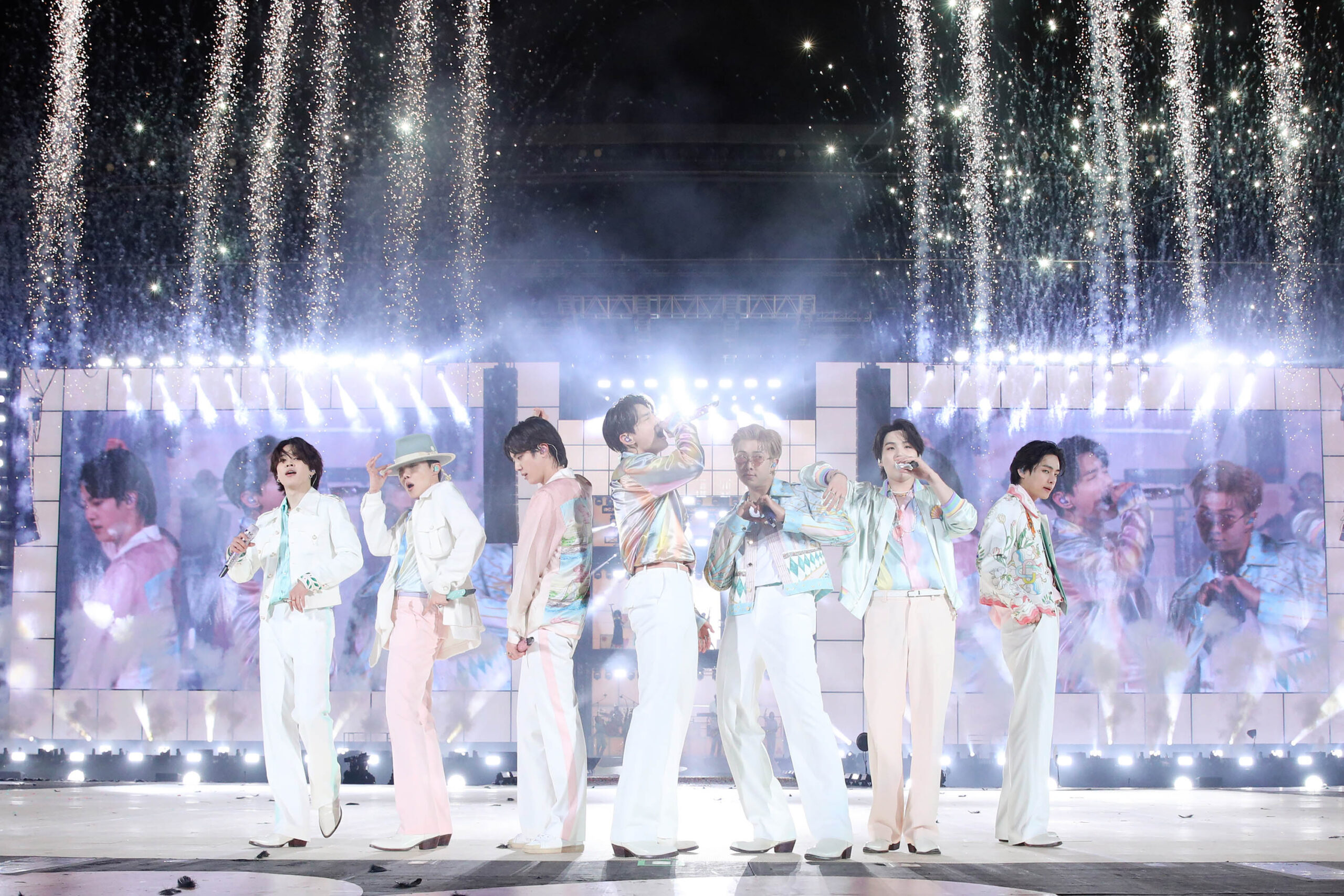
BTS represents the newest generation of global superstars, bringing the power of K-pop and their incredibly dedicated ARMY fanbase to the World Cup stage. The seven-member group has already proven their ability to create historic moments on international stages, from their multiple Grammy nominations to their groundbreaking appearances at major American award shows and their address at the United Nations. Their inclusion signals FIFA’s recognition of the changing landscape of global entertainment and the massive influence of Korean culture worldwide. The group’s experience performing elaborate choreographed routines for audiences of millions makes them uniquely qualified to handle the pressure and spectacle of a World Cup halftime show.
World Cup Entertainment Evolution
This halftime show announcement represents the most significant evolution in World Cup entertainment programming in the tournament’s modern history. Traditionally, FIFA has relied on opening and closing ceremonies to provide musical entertainment, with the actual matches maintaining a more straightforward sporting focus. Previous World Cups have featured memorable musical moments, from Diana Ross’s infamous penalty miss at the 1994 USA World Cup opening ceremony to the elaborate opening spectacles in Brazil 2014 and Russia 2018, but none have interrupted the flow of the final match itself with entertainment programming.
The decision to implement a halftime show mirrors the massive success of Super Bowl halftime performances, which have become cultural events in their own right, often generating more social media buzz than the game itself. Recent Super Bowl halftime shows featuring artists like Beyoncé, Lady Gaga, The Weeknd, and Dr. Dre have demonstrated the power of combining sports and music to create truly global moments that dominate headlines for weeks. FIFA’s adoption of this format suggests a strategic shift toward maximizing the entertainment value and commercial potential of their marquee event, potentially opening new revenue streams and expanding the tournament’s appeal beyond traditional football audiences.