

Table of Contents
- A Crisis Unfolds in the Concert Hall
- Understanding What’s at Stake
- The Pattern of Dysfunction
- Impact on Artists and Performances
- The Road to Recovery
- Lessons for the Industry
A Crisis Unfolds in the Concert Hall
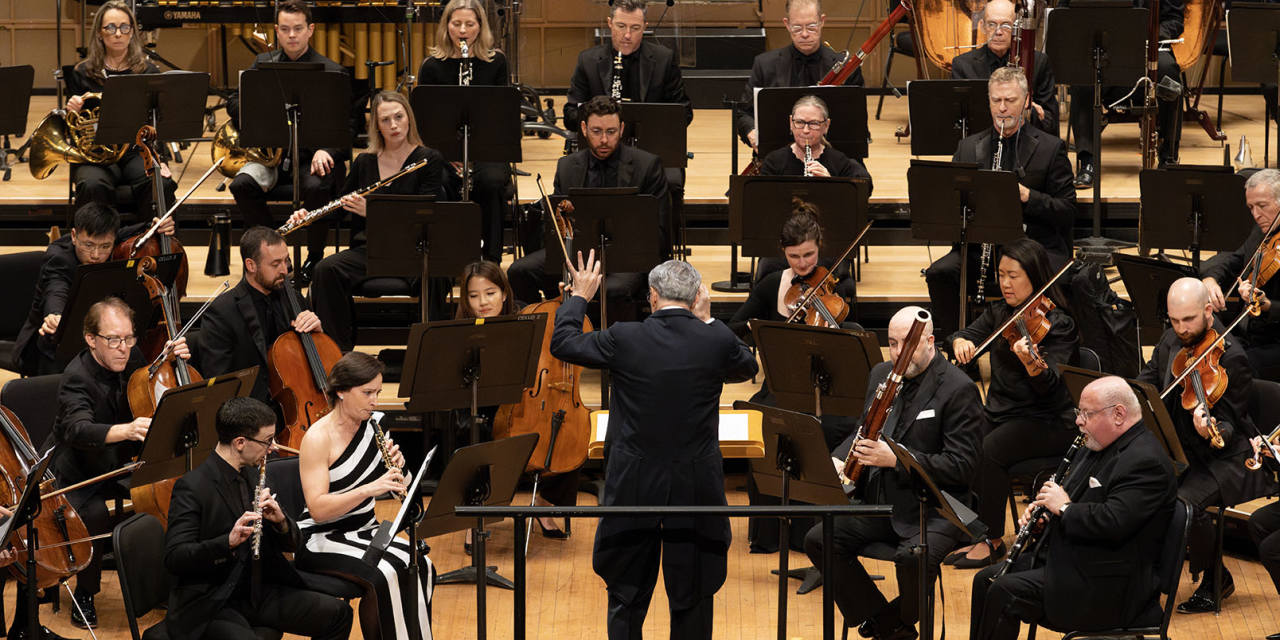
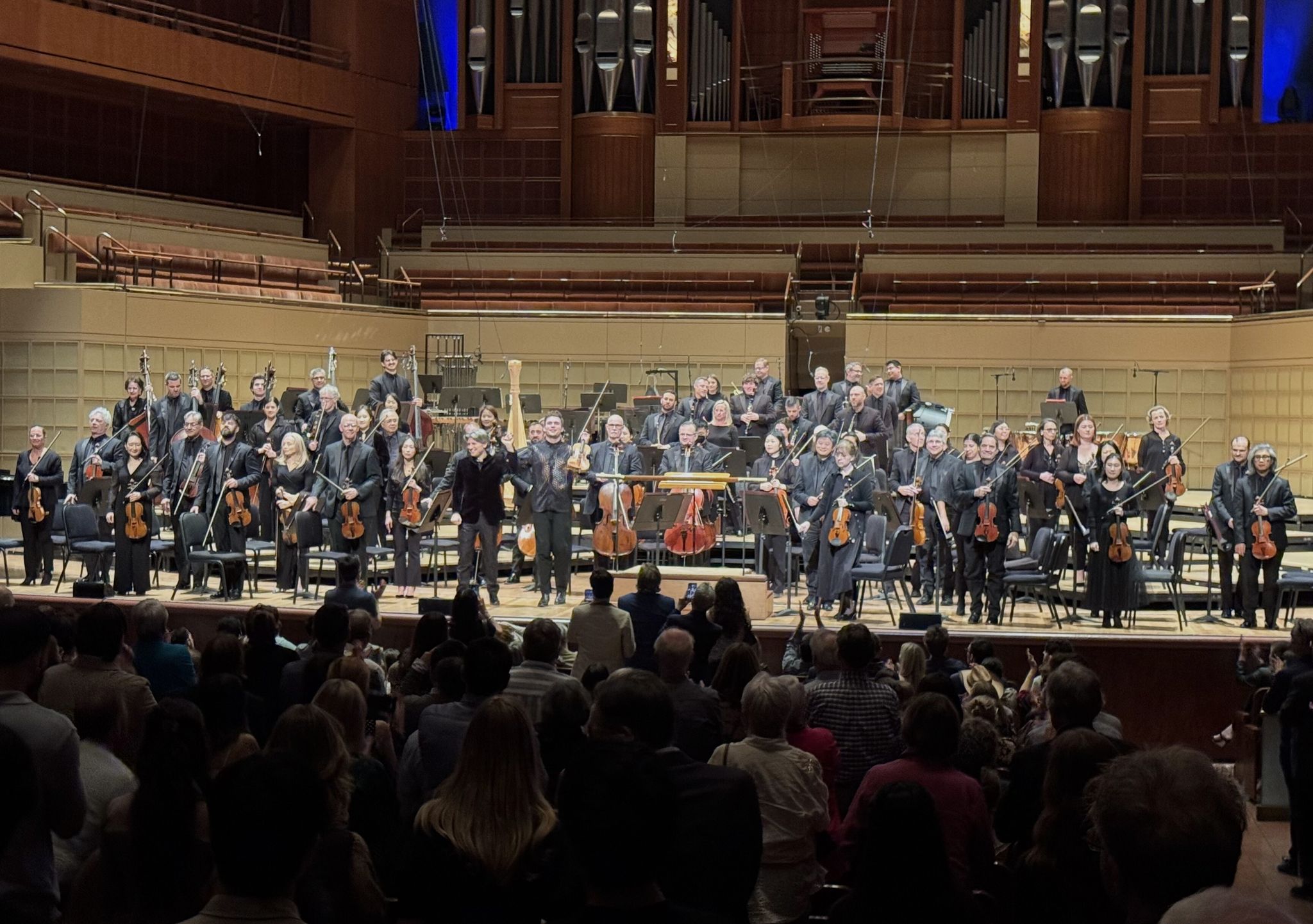
The Dallas Symphony Orchestra (DSO), one of America’s most respected classical music institutions, finds itself embroiled in a series of controversies that threaten to overshadow its artistic achievements. What should be headlines about breathtaking performances and musical excellence have instead been dominated by internal conflicts, management disputes, and public relations missteps that have left both musicians and patrons questioning the organization’s direction. The situation has become so concerning that industry observers are calling for immediate intervention to preserve the orchestra’s reputation and ensure its continued success in the competitive world of classical music.
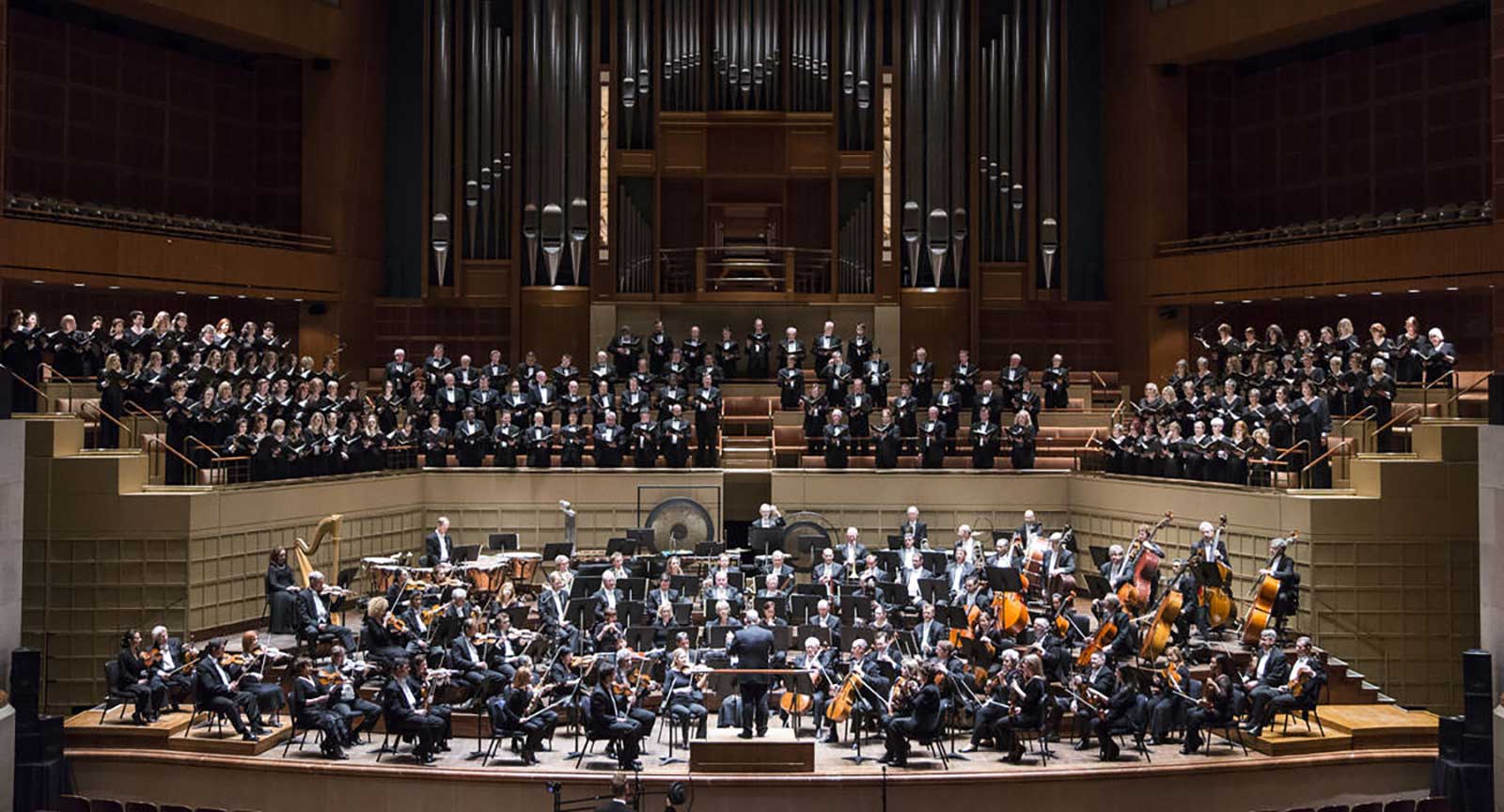
The controversies surrounding the DSO represent more than just internal organizational challenges - they highlight the delicate balance required to manage a world-class cultural institution in the modern entertainment landscape. Classical music organizations face unique pressures in today’s market, competing not only with other symphonies but with every form of entertainment vying for audience attention and donor support. When internal conflicts spill into the public sphere, they can cause irreparable damage to an institution’s brand and mission, making crisis management not just important but essential for survival.
Understanding What’s at Stake
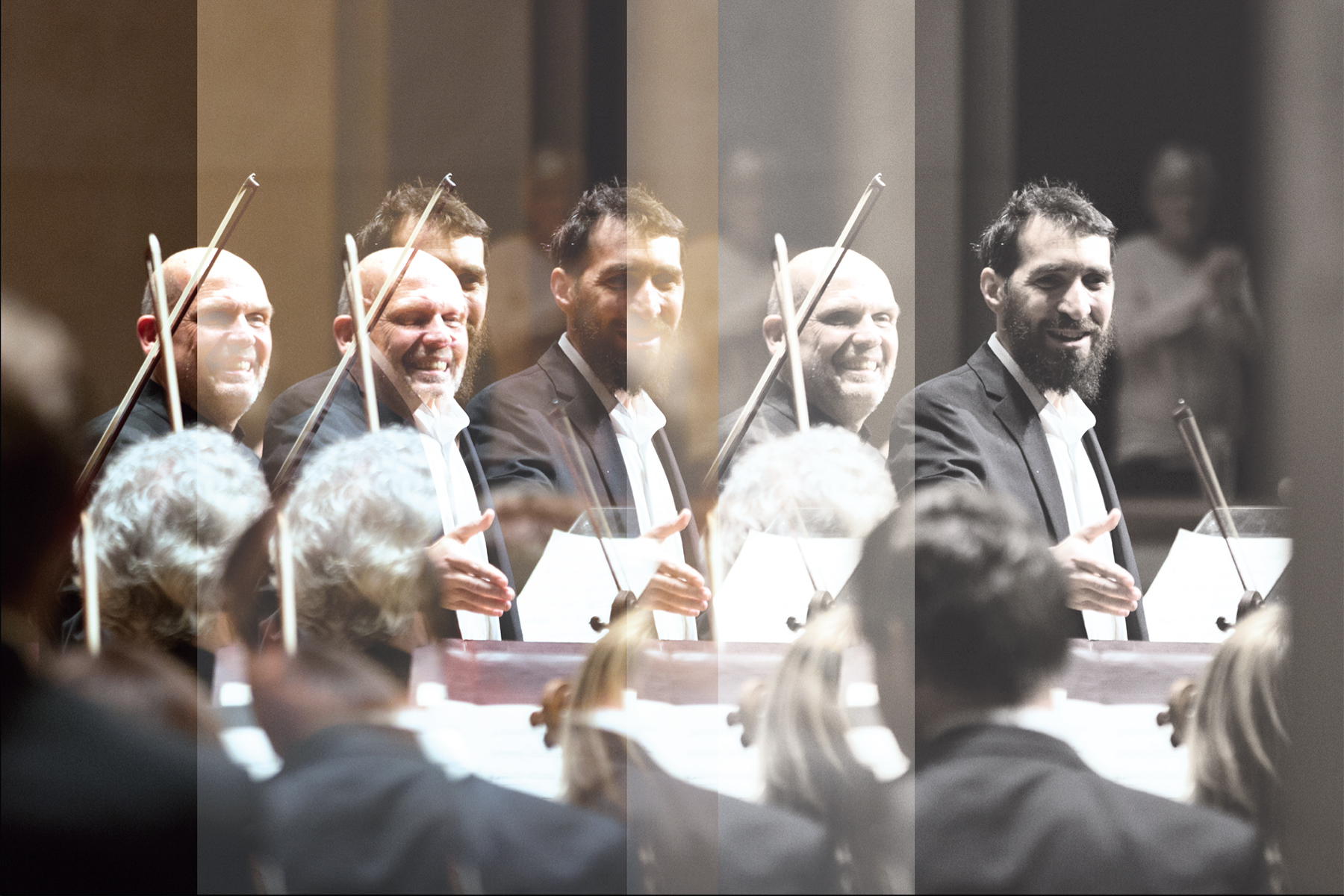
The Dallas Symphony Orchestra’s reputation extends far beyond the borders of Texas, with the ensemble having established itself as a major force in American classical music over its decades-long history. The organization has attracted world-renowned conductors, featured celebrated soloists, and maintained a recording presence that has brought its artistry to global audiences. This level of prestige doesn’t happen overnight - it requires consistent excellence, strategic vision, and the kind of institutional stability that recent controversies have called into question. When an orchestra of this caliber faces public relations challenges, the ripple effects can impact everything from ticket sales and subscription renewals to major donor relationships and musician retention.
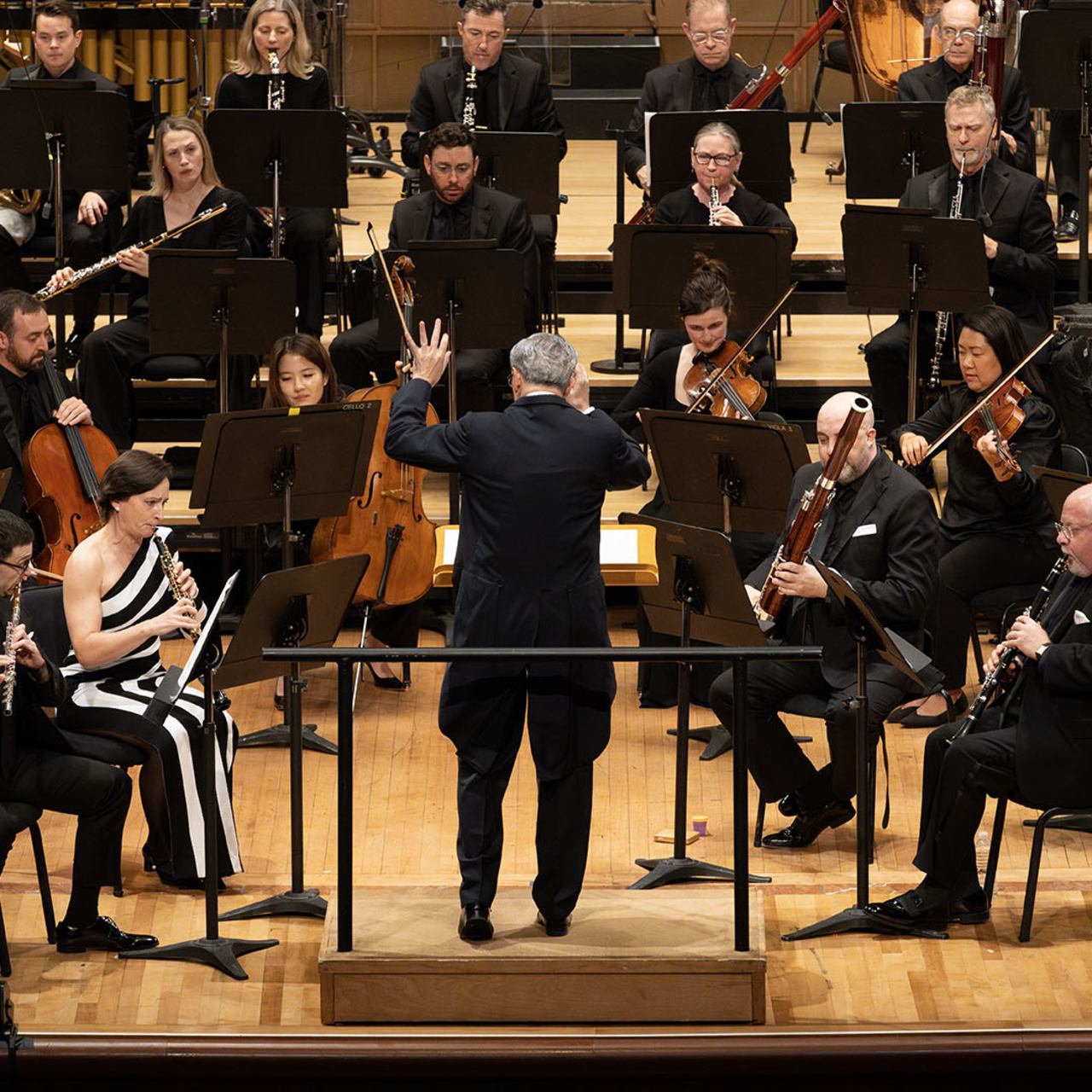
The financial implications of ongoing controversies cannot be understated in an industry where funding sources are already limited and highly competitive. Major donors, corporate sponsors, and grant-making organizations carefully evaluate not just an institution’s artistic merit but also its organizational health and public standing when making funding decisions. Negative publicity can lead to decreased corporate partnerships, reluctant individual donors, and challenges in securing the kind of major gifts that keep orchestras operating at the highest level. Furthermore, in an era where classical music organizations are working harder than ever to attract younger, more diverse audiences, internal strife can undermine carefully crafted outreach efforts and community engagement initiatives.
The Pattern of Dysfunction
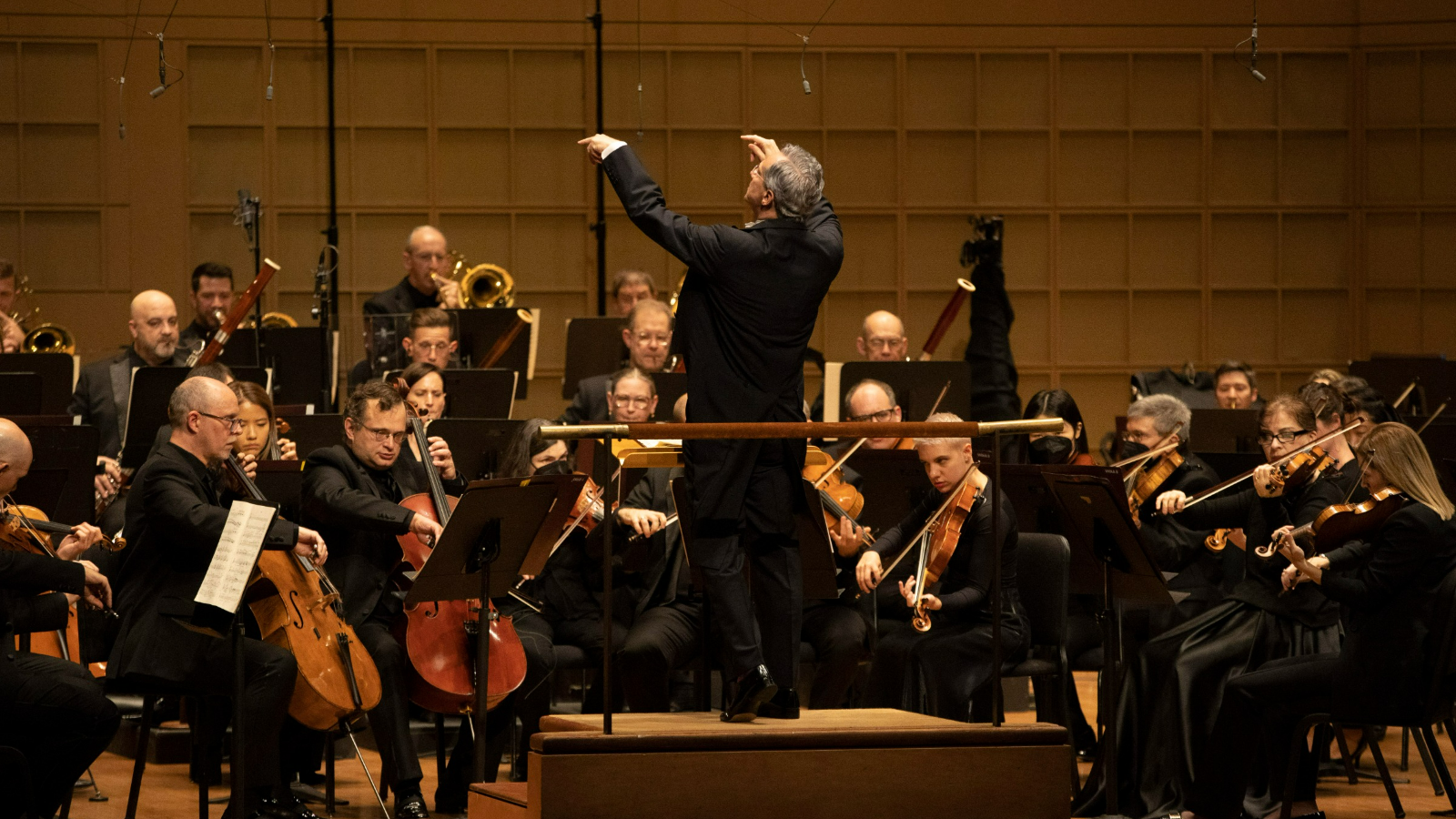
Industry insiders suggest that the DSO’s current challenges didn’t emerge overnight but represent a pattern of communication breakdowns and management decisions that have gradually eroded trust within the organization. Professional orchestras operate as complex ecosystems where artistic vision, administrative efficiency, board governance, and musician satisfaction must all align for optimal function. When any of these elements becomes misaligned, the effects can cascade throughout the organization, creating the kind of internal tensions that eventually become public knowledge. The entertainment industry has seen similar scenarios play out across various sectors, from theater companies to record labels, where leadership conflicts ultimately damage the very artists and art forms they’re meant to support.

The challenge for any major cultural institution lies in maintaining transparency and accountability while preserving the focus on artistic excellence that justifies its existence. Musicians, administrators, and board members all bring different perspectives and priorities to the table, and successful orchestras are those that find ways to channel these diverse viewpoints into constructive dialogue rather than destructive conflict. The DSO’s situation serves as a reminder that even the most prestigious institutions are vulnerable to the kind of internal politics and miscommunication that can derail their mission if not addressed promptly and professionally.