Kevin Durant Net Worth 2026: How the NBA Legend Built His $300 Million Empire
Miki Anderson··10 min read
Ad SpaceArticle Top - 728x90
Advertisement
Five hundred and ninety-eight million dollars. That is roughly what Spotrac projects Kevin Durant will have collected in NBA salary alone by the time his current Houston Rockets contract expires in 2028, a total that would make him the highest cumulative earner in the history of the league, edging past LeBron James’s reported $583.9 million. No basketball player has ever been paid more to play the game. And the salary is only one wing of the operation.
Estimates of Durant’s overall net worth in 2026 vary by source. Celebrity Net Worth, which refreshed its figure in April 2026, places him at $400 million. More conservative outlets put the number closer to $300 million. Split the difference or take the low end, and the two-time NBA champion still sits among the wealthiest active athletes anywhere, with a portfolio that stretches from a media company to early stakes in Coinbase and Postmates to a lifetime contract with Nike. The road to that fortune runs through Prince George’s County, Seattle, Oklahoma City, the Bay Area, Brooklyn, Phoenix and now Houston, and almost every stop added a new revenue stream.
The Stat That Explains Everything
Most athlete fortunes are built on one monster contract or one transcendent endorsement. Durant’s foundation is something rarer: nearly two decades of max or near-max paychecks without a single wasted year. Spotrac’s ledger shows he crossed the $500 million mark in banked career salary during the 2025-26 season, a threshold only he and LeBron James have ever approached.
The detail that makes the number even more telling came in October 2025, when Durant agreed to a two-year extension with the Rockets reported by ESPN at around $90 million, with the second season a player option. He was eligible for roughly $120 million over those two years and left about $30 million on the table to give Houston roster flexibility. Front Office Sports pointed out the punchline: even after that discount, he still projects as the highest career earner the NBA has ever produced. When a man can hand back $30 million and still finish first on the all-time money list, the empire underneath him is doing fine.
That empire is conventionally divided into four parts: the playing contracts, the Nike relationship, the Boardroom media business, and the venture portfolio run through Thirty Five Ventures. Each one deserves its own accounting.
From PG County to Pick No. 2 in Seattle
Long before the nine-figure ledger, there was a skinny teenager in Prince George’s County, Maryland, raised largely by his mother, Wanda, whom he would famously salute as the real MVP during his 2014 award speech. Durant grew through the Washington DC area’s brutally competitive basketball circuit, then spent a single season at the University of Texas in 2006-07 that remains one of the great one-and-done campaigns in college history. He became the first freshman ever to sweep the Naismith and Wooden national player of the year awards, and the only question at the 2007 draft was whether he or Greg Oden would go first.
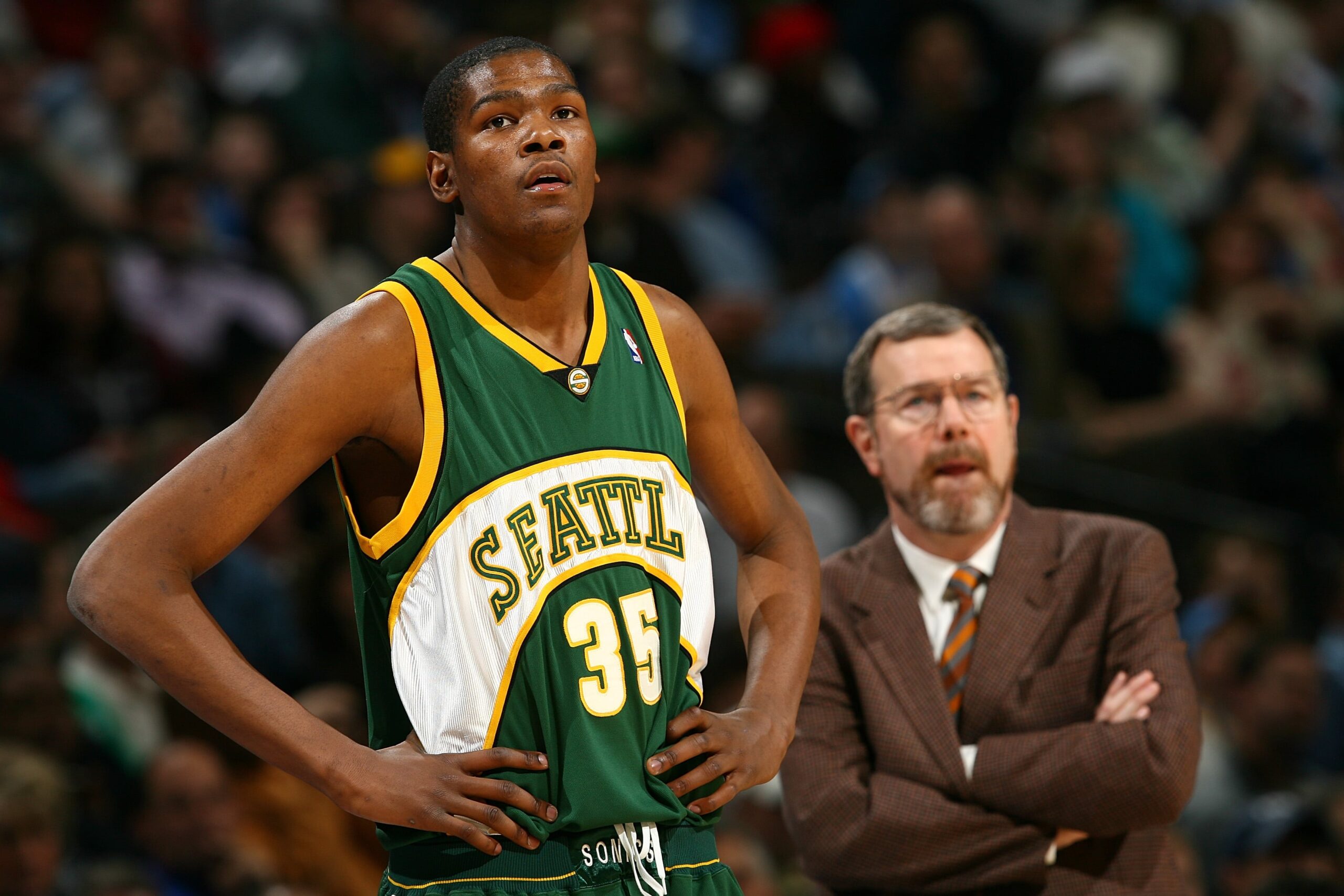
Portland took Oden. The Seattle SuperSonics took Durant at No. 2, a decision that aged about as well as any in draft history. Durant won Rookie of the Year in 2008, signed an early Nike deal reported at around $60 million over seven years, and moved with the franchise when it relocated to Oklahoma City in 2008. The wealth machine had its first two cylinders: an NBA salary and a sneaker contract.
In Oklahoma City the basketball case built itself. Four scoring titles, the 2014 league MVP award, and annual deep playoff runs made Durant one of the faces of the sport. By the time he hit free agency in 2016, he was both a basketball superpower and an underleveraged business, and his next decision changed the second part forever.
The Rings and the Brand Inflection
The 2016 move to Golden State brought the championships: titles in 2017 and 2018, with Durant named Finals MVP both times. It also dropped him into the Bay Area at the height of the venture capital boom, and Durant has been open in interviews about the fact that the business of his own brand factored into the move. In 2017 he and his longtime manager Rich Kleiman formalized that ambition by founding Thirty Five Ventures, the family office that now houses his investments, his brand deals and the Durant Family Foundation.
The timing was almost comically good. The same 2017 window in which Thirty Five Ventures opened its doors produced its two most celebrated bets, Coinbase and Robinhood, both made years before either company went public. Stints in Brooklyn and Phoenix followed on a string of further max-level contracts, and the basketball résumé kept compounding alongside the money: Durant won his fourth Olympic gold medal in Paris in 2024, becoming the first male basketball player ever to do it, and finished those Games as Team USA’s all-time Olympic scoring leader with a record 518 points across four tournaments dating back to London 2012.
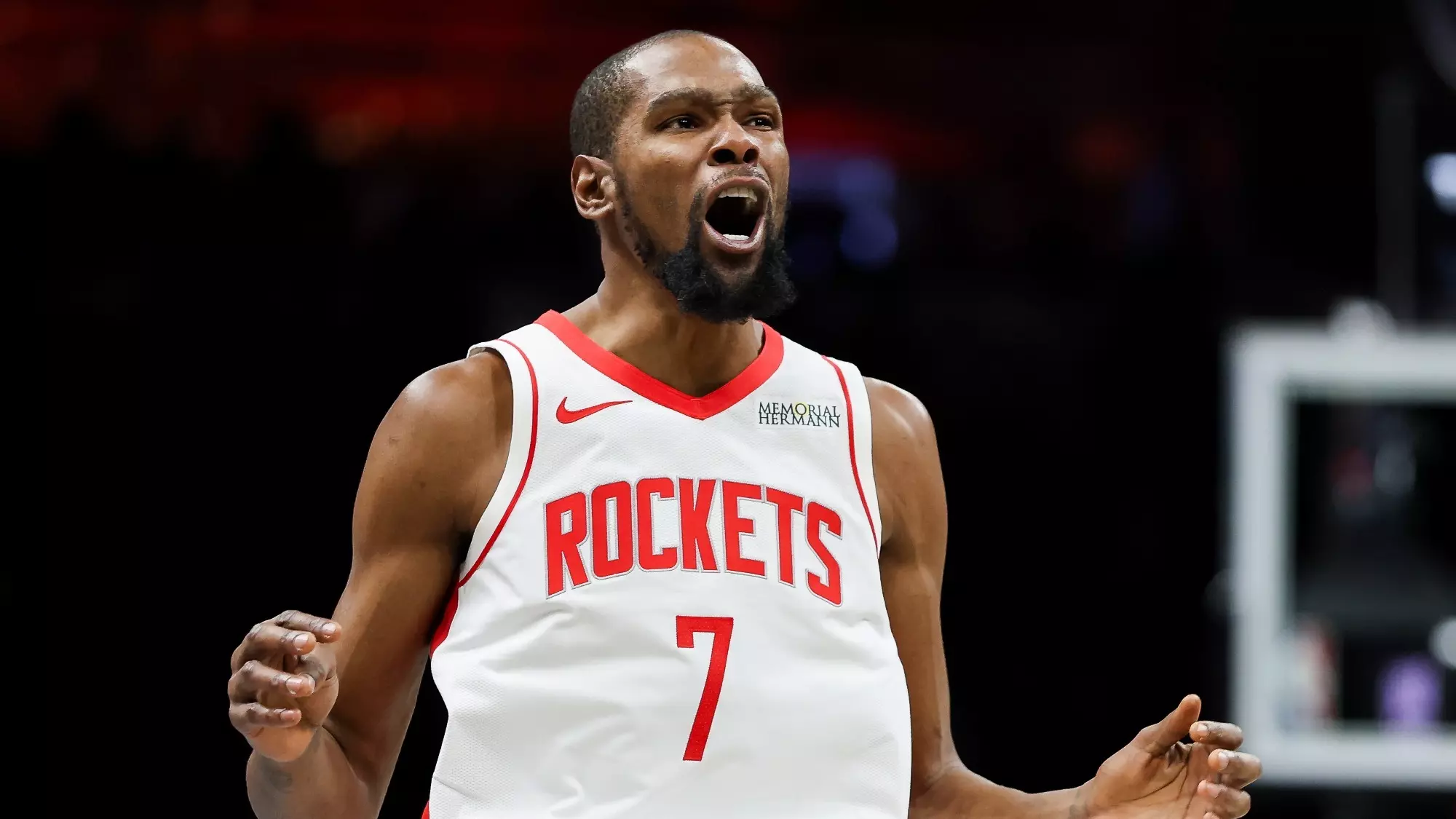
Then came the move that defines his current chapter. On July 6, 2025, Durant was sent from Phoenix to Houston in a record-setting seven-team trade, the largest in NBA history by number of teams involved. The Rockets shipped Jalen Green, Dillon Brooks, the draft rights to No. 10 pick Khaman Maluach and five second-round picks to the Suns, and a 15-time All-Star joined one of the youngest contenders in the West.
The Contracts Ledger
Add the playing income up and the scale becomes clear. Durant’s 2025-26 Rockets salary came in at roughly $54 million per Spotrac, and the October 2025 extension means he is in line for about $144.7 million across the three seasons from 2025-26 through 2027-28 if he plays out the deal. Stack that on top of the rookie scale contract in Seattle, the extensions in Oklahoma City, and the max-level agreements in Golden State, Brooklyn and Phoenix, and Spotrac’s projected total of about $598.2 million in career salary makes him the best-paid player, cumulatively, the NBA has ever seen.
Ad SpaceIn-Article - 300x250
Advertisement
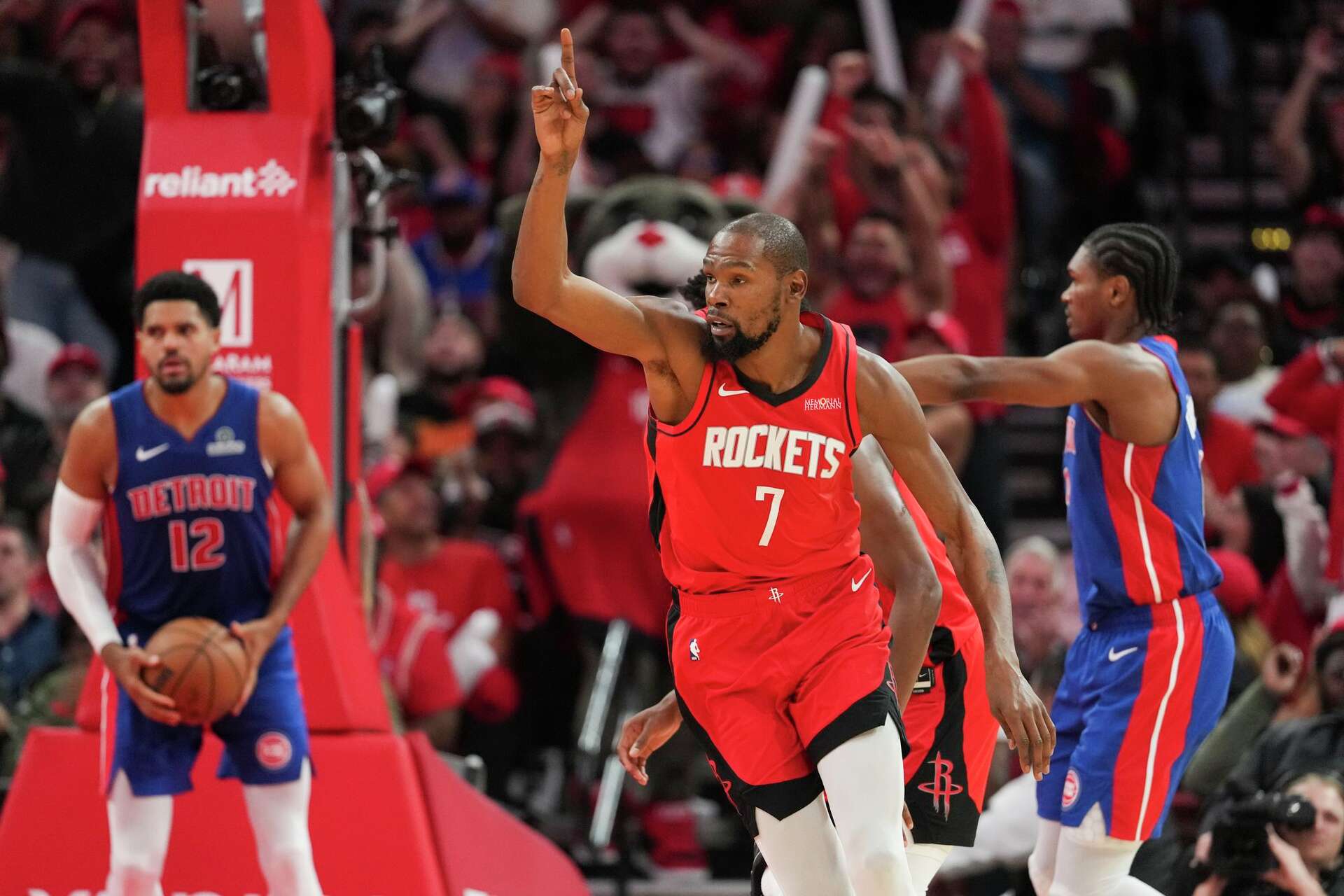
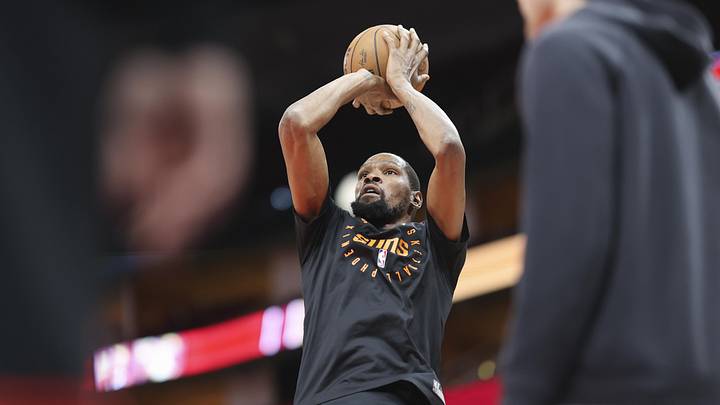
The first Houston season delivered on the court too, with caveats. The Rockets went 52-30 and claimed the fifth seed in the West, while Durant kept climbing the record books, passing Wilt Chamberlain for seventh on the all-time scoring list on January 9, 2026, and Dirk Nowitzki for sixth nine days later. The postseason was less kind: Durant was hampered by knee and ankle problems during a first-round series against the Los Angeles Lakers in April 2026, and Houston fell in six games. None of it touched the financial picture. The extension was already signed, and the scoring climb only burnished a brand that long ago stopped depending on playoff results.
Boardroom and the Media Arm
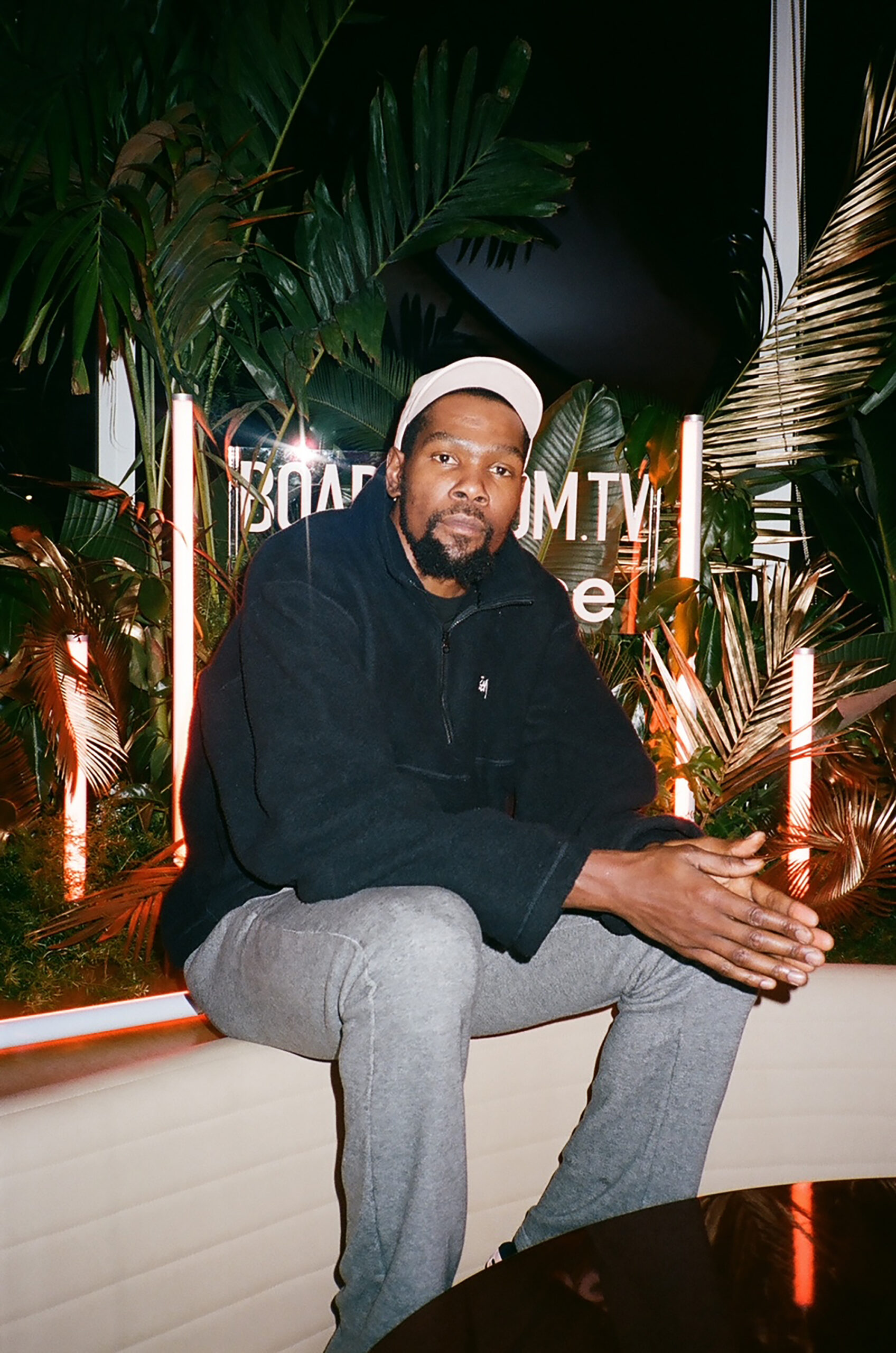
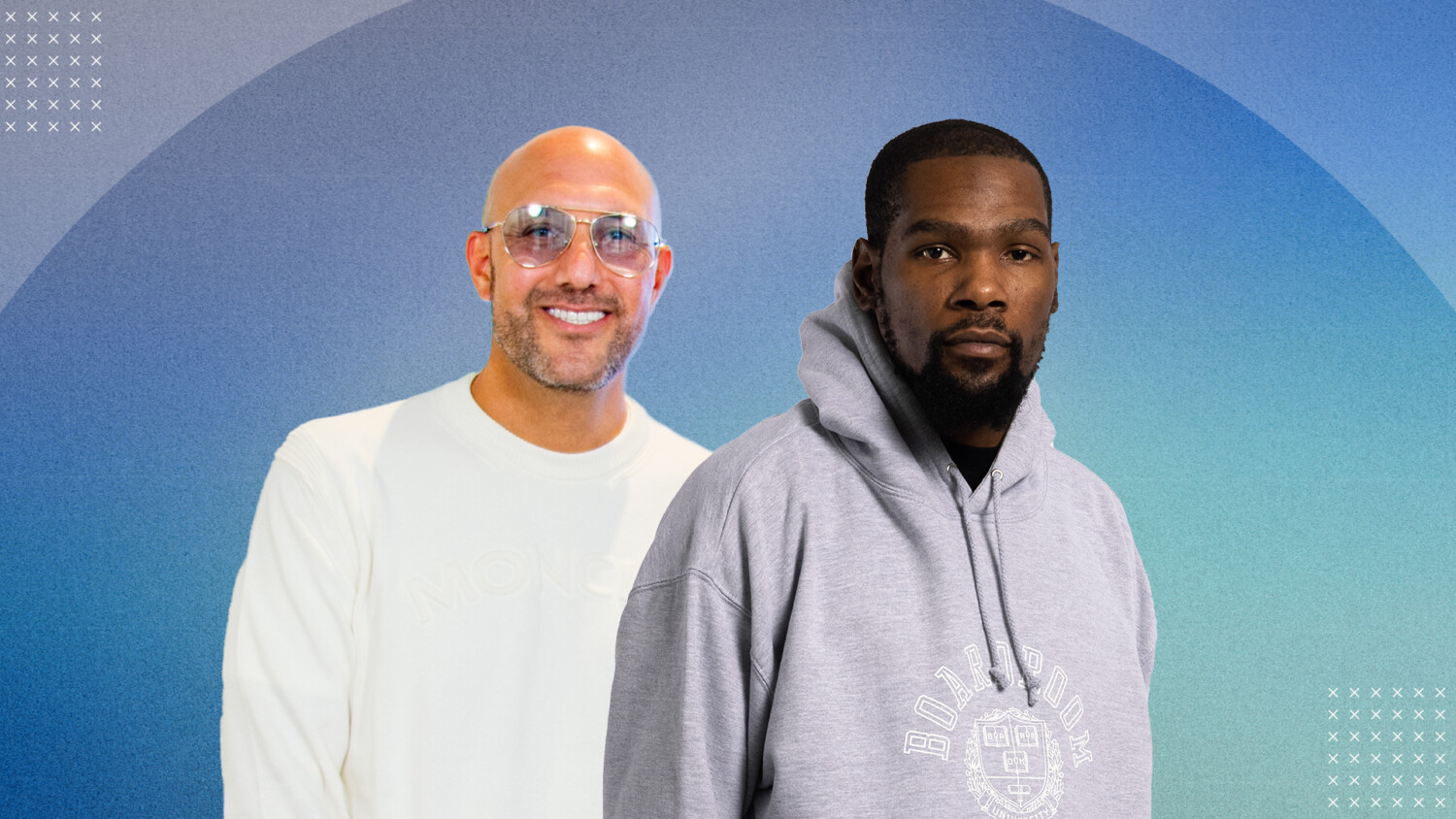
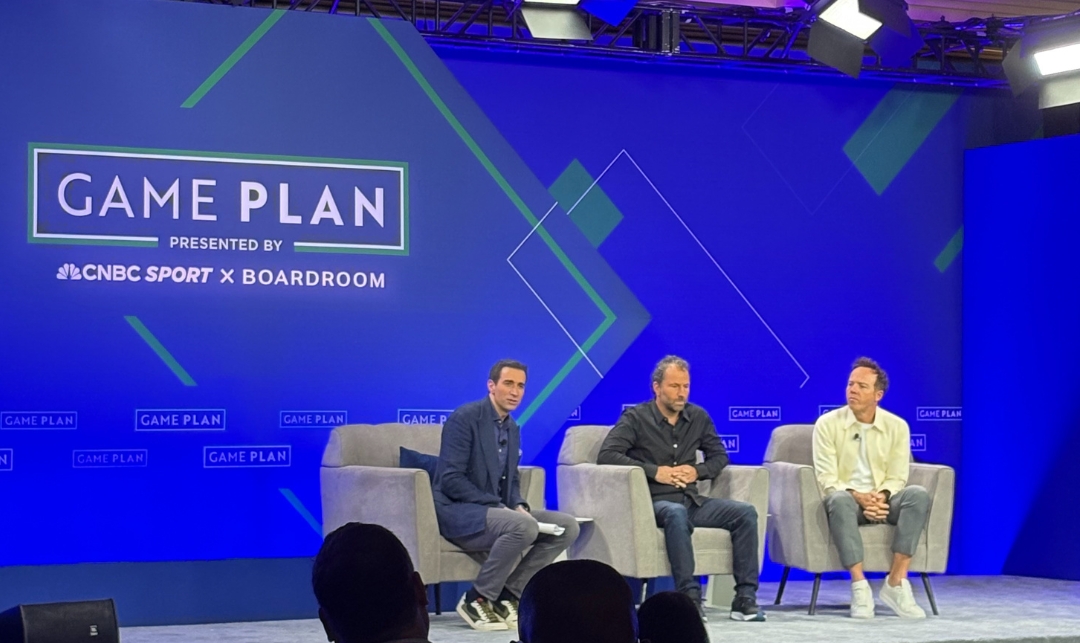
If the contracts are the engine, Boardroom is the megaphone. The venture began life in 2019 as a show on ESPN+ called The Boardroom, in which Durant and Kleiman interviewed athletes and executives about the business of sports. It has since grown into a standalone media company covering the intersection of sports, entertainment and money, producing daily and weekly newsletters, podcasts, video series and live events.
Boardroom matters to the net worth conversation in two ways. First, it is equity, a media property Durant co-owns rather than a fee he collects, which means its value compounds for him rather than for a network. Second, it repositioned him in rooms that matter. Boardroom made Durant a credentialed media operator and a fixture of business coverage, the kind of profile shift that turns an athlete from someone brands rent into someone founders want on their cap table. Thirty Five Ventures, which describes itself as the family office for all of it, now lists investments in more than 100 startups alongside the media operation.
The Venture Portfolio: The Verified Bets
Plenty of athlete portfolios are padded with vanity logos. Durant’s headline positions are documented, and several have already paid out at venture-grade multiples.
The most famous is Coinbase. Thirty Five Ventures invested in the crypto exchange in 2017, and when Coinbase went public in April 2021 the stake was reported to be worth more than 53 times the original investment. Robinhood followed a similar arc: Durant’s firm bought in during 2017 funding rounds when the trading app was valued at a reported $1.2 billion, and the company debuted on the stock market in 2021 at a valuation of roughly $32 billion. Postmates, another early position, was acquired by Uber in 2020 in a deal reported at $2.65 billion. Acorns, the savings and investing app, and Overtime, the youth-focused sports media company, round out the best-known names on a list that crosses fintech, media, food and consumer technology.
Then there are the team stakes, the part of the portfolio built to appreciate quietly for decades. Thirty Five Ventures holds a reported stake of around five percent in Major League Soccer’s Philadelphia Union, acquired in 2020, plus ownership positions in NJ/NY Gotham FC of the NWSL, Athletes Unlimited, the Premier Lacrosse League and Major League Pickleball. The pattern is deliberate: emerging or undervalued sports properties bought before the broader market reprices them, the same logic that turned early Coinbase paper into a windfall.
The Nike Lifetime Deal
No single business relationship has run longer or paid more reliably than the one with Nike, which signed Durant out of the 2007 draft. The defining moment came in 2014, when Under Armour mounted an aggressive bid for him and Nike matched with a ten-year package reported at up to $300 million including royalties. The sequel arrived in April 2023, when Durant became just the third NBA player in history to sign a lifetime deal with Nike, joining Michael Jordan and LeBron James in the most exclusive club in sneaker commerce.
Nike has never disclosed the terms, and any figure attached to the lifetime deal is an estimate; Celebrity Net Worth pegs the arrangement at around $26 million per year. Durant has said publicly that securing it felt like winning a championship, and the comparison is apt in financial terms. A lifetime deal converts an endorsement into something closer to an annuity, income that survives retirement, injury and trade rumors alike, which makes it arguably the single most valuable line on his balance sheet after the playing contracts themselves.
Where the Minnesota Chatter Fits
Because Durant has been traded twice in three summers, his name now attaches itself to rumor cycles almost automatically, and search interest around a Durant move to Minnesota spiked sharply in mid-2026. The verified record is thinner than the buzz. In early June 2026, a four-team trade construction that would have sent Durant from Houston to the Minnesota Timberwolves, with Julius Randle and Fred VanVleet routed to Chicago and a package built around Donte DiVincenzo and Anfernee Simons heading to Dallas, went viral and was aggregated by outlets including Last Word On Basketball on June 6, 2026; reporting from Rolling Out on June 7, 2026 noted the proposal had no credible sourcing and included Simons, a free agent who could not legally be traded before June 30, while ESPN’s Shams Charania had previously reported in the summer of 2025 that Durant had no interest in joining Minnesota. As of early June 2026, Durant remained under contract with Houston through 2026-27, with a player option for 2027-28, and the Timberwolves’ only confirmed role in his story was as one of the seven facilitating teams in the 2025 mega-trade that sent him to the Rockets in the first place.
The lesson for readers of any future Durant rumor is the same: the contracts are public, the reporting hierarchy is knowable, and a four-team graphic on social media is not a transaction.
What the Empire Looks Like at Retirement
Strip the noise away and the architecture of Durant’s fortune is unusually clean. There is the salary mountain, projected by Spotrac at about $598 million through 2028 and already past $500 million banked. There is the Nike lifetime deal, an income stream engineered to outlive his playing career. There is Boardroom, an owned media company rather than a licensing arrangement. And there is the Thirty Five Ventures portfolio, more than 100 companies plus stakes in five professional sports properties, seeded during the cheapest years of the last venture cycle.
That mix is why the published net worth figures, $300 million on the cautious end and $400 million per Celebrity Net Worth, may undersell where this ends up. Jordan and LeBron both crossed into ten figures only after their portfolios matured, and Durant, who turns 38 in September 2026, has assembled his pieces earlier and more deliberately than most of his predecessors. Sixth on the all-time scoring list, first on the all-time salary list, four Olympic golds, two rings, one MVP trophy: the basketball ledger is effectively closed to debate. The financial one was designed by a kid drafted by a team that no longer exists, who learned early that franchises move and contracts expire, and who built an empire that pays him whether or not he ever takes another jump shot.
Ad SpaceIn-Article - 300x250
Advertisement
Share
Get the recap
Loved this story? Get more like it.
Join readers who get our weekly entertainment recap - the stories worth your time, delivered every Friday.
No spam. Unsubscribe anytime. By signing up you agree to our Privacy Policy.