
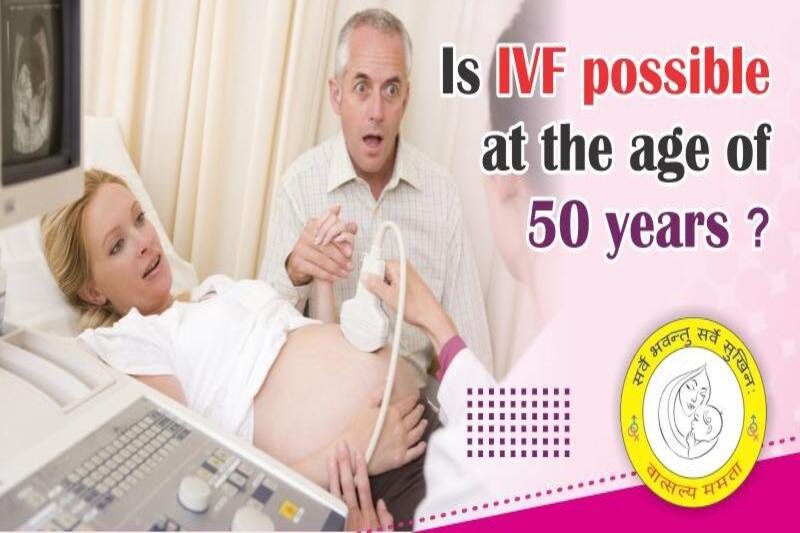
As we have settled into the twenty-first century, technology has spearheaded and permeated all facets of our lives, including our bedrooms. There is now more than one way to have children, thanks to the advancement of science and its focus on reproduction. In recent days, most women start their life late, and they need to rely on artificial methods to become a mother.
IVF is one of the most used of these procedures. In Vitro Fertilisation has advanced beyond artificial insemination. Male and female eggs and sperm are extracted and combined in a dish where they are fertilized. The developing embryos are implanted in the woman’s uterus.
When is it too late for in vitro fertilization?
Sadly, there is no simple answer to this issue. Women above 43 are generally not encouraged to undertake IVF using their own eggs. Instead, reproductive professionals advise using donor eggs because older eggs are more likely to be chromosomally defective. These anomalies can result in miscarriage, illness, or growth and development issues. Women above the age of 50 are typically not considered IVF candidates.
Women of any age who have access to healthy eggs or embryos (her own or from a donor) and a receptive uterus (her own or with the help of a gestational surrogate) can achieve parenthood with IVF. If you are between the ages of 35 and 50 and are considering in vitro fertilization, you should be aware of your pregnancy and perinatal risks, which include:
- Obstetric hemorrhage
- Preeclampsia
- Pregnancy-related hypertension
- Gestational diabetes
- High chance of cesarean births
- Premature delivery
- Low birth weight
Reason to Choose IVF
IVF is an assisted reproductive technology center that addresses infertility. Patients are urged to select fertility drugs and artificial insemination over IVF because they are less invasive. If you or your partner have any of the following conditions, you should consider IVF:
- Irregular Fallopian Tube: Irregularities in the fallopian tube might make it harder for the egg to enter and fertilize.
- Uncontrolled Ovulation: If the female partner does not ovulate, there may be a lack of eggs for fertilization.
- Ovarian failure: In rare circumstances, the ovaries fail to produce an adequate amount of estrogen, resulting in egg failure.
- Endometriosis is when the tissues of the uterus develop outside of the uterus. It has an impact on the uterus’ overall performance.
- Fibroids: Fibroids in the uterus are common in women over 30 and interfere with egg fertilization.
- Low sperm count: One of the most common causes of infertility in couples is abnormalities in sperm production/performance.
- Genetics: Because genetics play a crucial part in reproduction, you can choose IVF if you have unfavorable genes that prevent you from having a natural pregnancy.
What are the chances of a successful IVF pregnancy?
IVF Age Limit- There are several aspects to consider while deciding on IVF treatment. Everything counts, from lifestyle decisions to the causes of infertility. The age of the lady bearing the baby is an essential factor in this.