
When embarking on a home renovation project, insulation is one of the most critical decisions you’ll face. The right insulation can significantly affect your home’s energy efficiency, comfort, and utility bills.
However, the choice can be overwhelming with various materials available - including fiberglass, cellulose, spray foam, and more.
This guide will help you better understand your options, providing insights about each insulation type to determine the best fit for your needs, according to iFOAM in Gardner, Kansas.
Different Types of Insulation
The market offers a range of insulation options, each with advantages and disadvantages. Choosing the right one can be challenging, but we’ll go over that in a second. First, let’s go over some of the most popular types of insulation you can get for your home.
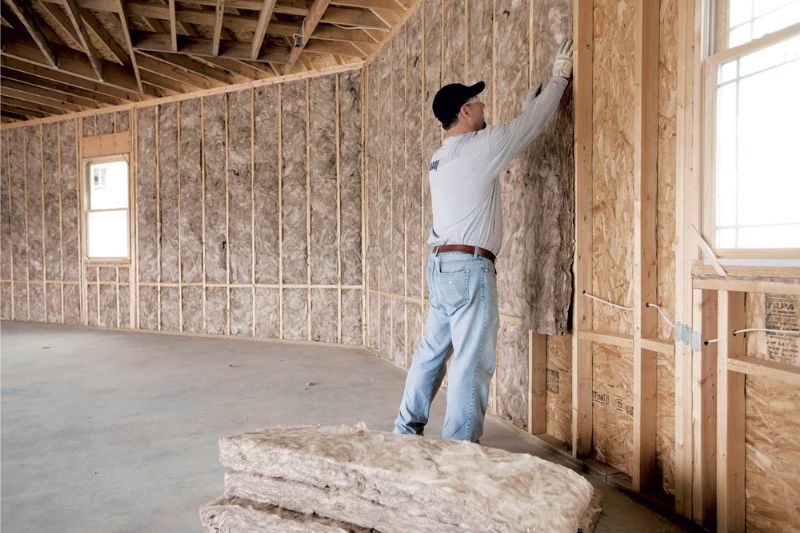
- Fiberglass - Fiberglass insulation is one of the most common materials used in home and commercial construction. It’s usually available in batts, rolled-up pieces of insulation that can be cut to fit specific areas like wiring or pipes. The advantage of fiberglass is its affordability; however, it may not provide as much insulation as some other materials.
- Cellulose - Cellulose insulation is made from recycled paper and treated with fire-retardant chemicals. It’s often used to fill small cavities and hard-to-reach corners, making it a great choice for retrofit projects. Cellulose insulation is also more cost-effective than other types of insulation, like spray foam.
- Spray Foam - Spray foam insulation is popular because it effectively seals small gaps and crevices that other materials can’t fill. It also provides excellent air sealant, which helps conserve energy by reducing drafts and air leakage.
- Rigid Foam - Rigid foam boards are often used to insulate the exterior of homes, particularly when there is no access to the attic or crawl space. It’s highly effective at keeping the temperature inside your home consistent and reducing noise pollution.
Key Differences Between Insulation Types
Each type of insulation has its own unique set of characteristics and benefits. The key differences between the types can be broken down into four categories: cost, installation, R-value, and fire protection.
Cost - Fiberglass is one of the most affordable insulation materials available. Cellulose is also budget-friendly, but spray foam insulation is significantly more expensive than the other two.
Installation - Fiberglass and cellulose are easy to install, making them great for DIYers. Spray foam insulation can be tricky to install on your own, so it’s best to hire a professional if you choose this option.