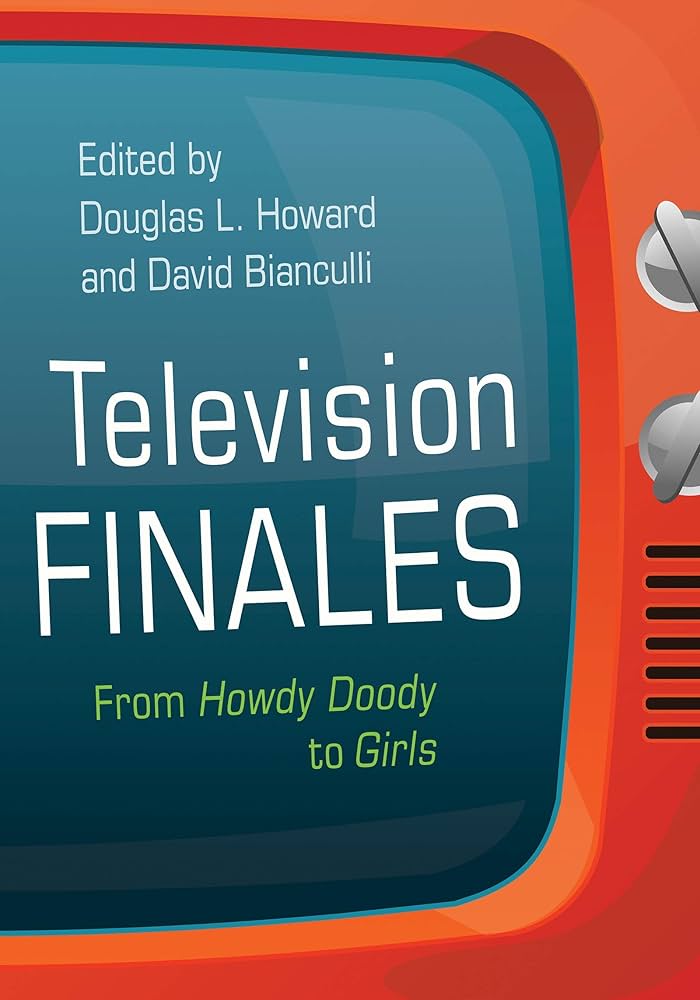
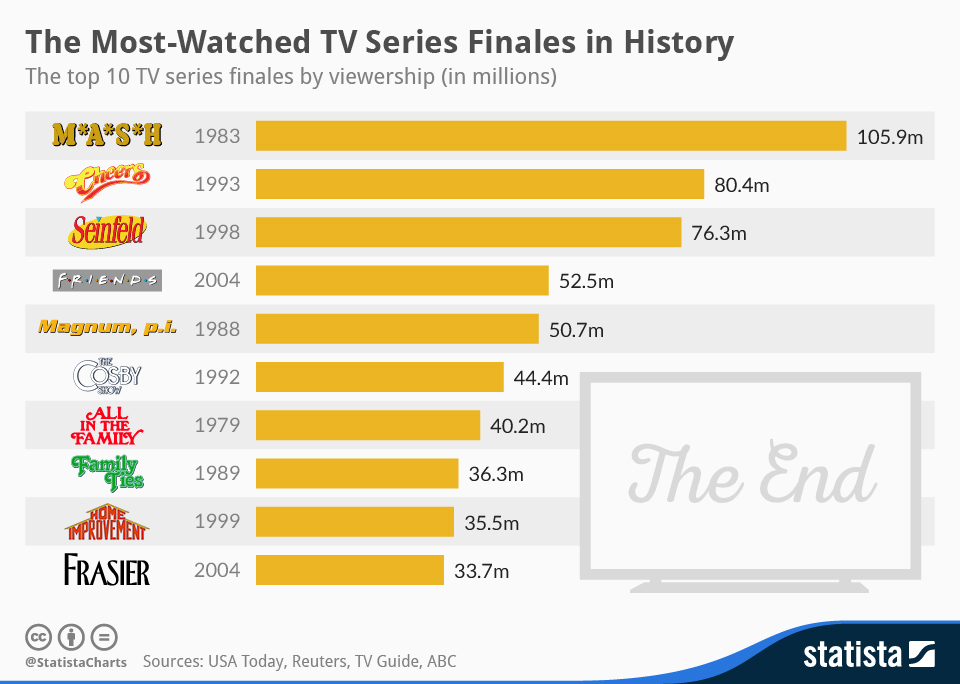

How TV Finales Shape Fan Culture and Mental Health Conversations in 2026
Movies

How TV Finales Shape Fan Culture and Mental Health Conversations in 2026

Nova PatricksNova Patricks··9 min read
Advertisement

At 4am in Lagos, a group chat lit up with seventeen unread messages before the credits had even finished rolling. The last episode of “Euphoria” had just dropped on HBO Max in the United States, and a cluster of Nigerian fans had stayed awake to catch it in real time rather than risk a spoiler at work the next morning. Some were crying. Some were furious. A few simply typed a single line: “I don’t know what to do with myself now.” That small, sleepless ritual repeated across thousands of African timelines on the night of May 31, 2026, when HBO confirmed that “Euphoria” had ended after three seasons. It is also the perfect illustration of something the entertainment industry has spent the last decade slowly learning: a finale is no longer just the end of a story. It is a communal event, a grief ceremony, and increasingly, a mental-health conversation that spills far past the screen.

Why endings hit harder than premieres
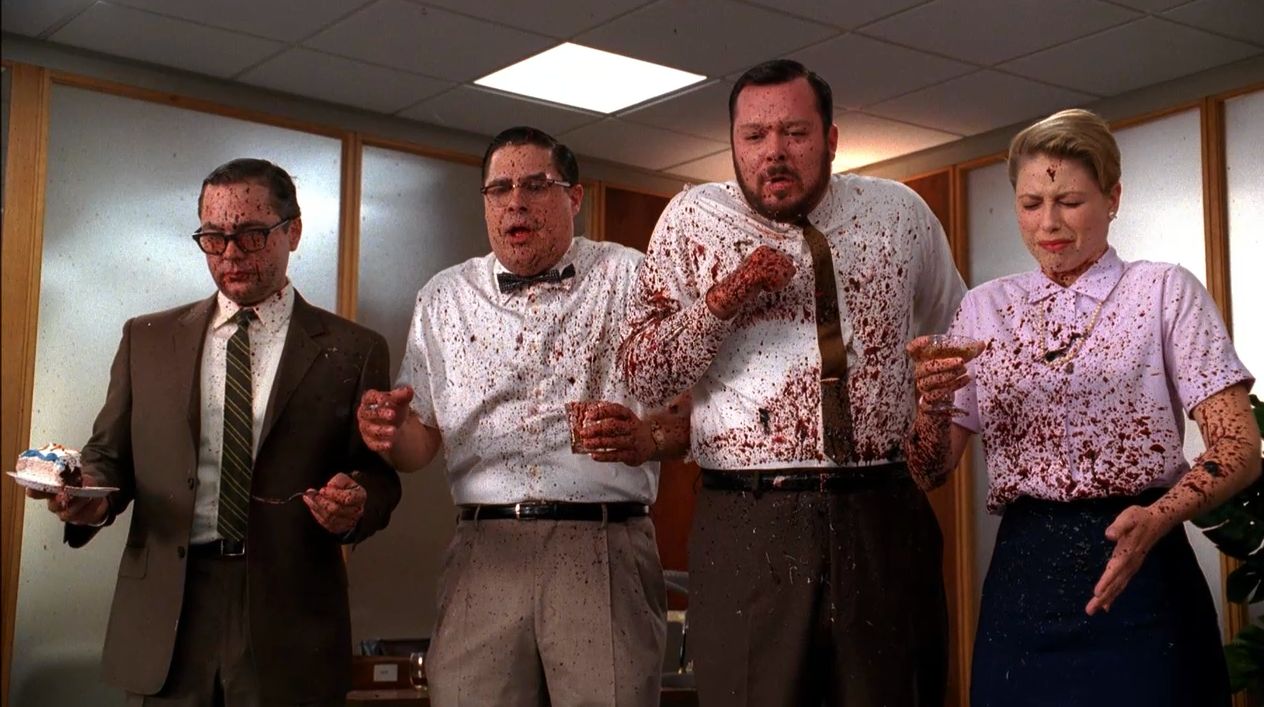
How TV Finales Shape Fan - Why endings hit harder than premieres

A premiere is a promise. A finale is a verdict. That asymmetry explains why the closing minutes of a beloved series generate so much more heat than the opening ones ever do. When a show begins, viewers invest with optimism and low stakes. By the time it ends, they have given it years of attention, dozens of hours, and a real chunk of emotional bandwidth. The finale has to justify all of it at once, and audiences treat it accordingly.

There is a tidy psychological frame for this. Researchers describe “narrative transportation,” the state of being so absorbed in a story that the real world recedes and the fictional one feels temporarily present. The deeper the transportation across a series, the more jarring the moment that world is sealed shut for good. A premiere invites you in. A finale shows you the door, and the brain does not always take it gracefully.

The “Euphoria” season three finale leaned into exactly this tension. Set roughly five years after the high-school world of the first two seasons, the final run jumped its characters forward into adulthood, a creative swing that drew mixed reviews and very loud opinions. Whether viewers loved or resented the time-jump, almost nobody felt nothing. That is the finale’s true power: it forces a reckoning with how much a fictional world came to matter.

The parasocial pull
How TV Finales Shape Fan - The parasocial pull

The reason a finale can genuinely ache is rooted in a relationship that only ever ran one direction. Psychologists call it a parasocial relationship, the emotional bond a viewer forms with a character or performer who has no idea the viewer exists. These attachments are not a malfunction or a sign of loneliness on their own. They are a normal extension of how human brains process social information. The mind that learns to care about a fictional addict, a fictional crime boss, or a fictional heist crew is using the same machinery it uses to care about real friends.

When a series ends, that bond is severed on the show’s schedule, not the viewer’s. Communication researchers have studied what they term the “parasocial breakup,” the sense of loss that follows the end of a media relationship. Their findings are consistent: the breakup can register as a genuine emotional event, and viewers who lean on a character for companionship tend to feel the loss most sharply. A peer-reviewed study of fans of the long-running Australian soap “Neighbours,” published in 2024, documented viewers describing real grief and mourning when the show ended, language usually reserved for losing a person rather than a program.

This is where care is needed, because the internet has given the experience a name that outpaces the science. “Post-series depression” circulates widely as shorthand for the flat, empty stretch after a finale. It is worth being precise: this is a colloquial, informal term, not a clinical diagnosis in any standard manual such as the DSM. Some academic work has tried to measure the phenomenon, including a 2019 scale-development paper that treated post-series depression as a context-specific mood state marked by emptiness and nostalgia. That research is real and interesting, but it describes a passing mood for most people, not a medical condition. The distinction matters, especially in a region where mental-health vocabulary is still fighting stigma. Calling a low evening “depression” loosely can muddy the word for people living with the actual illness.

From “Game of Thrones” backlash to “Succession” acclaim, what a finale owes its fans
How TV Finales Shape Fan - From

If parasocial attachment explains the grief, the quality of the ending decides whether that grief curdles into rage. The clearest case study remains “Game of Thrones.” Its finale aired on May 19, 2019, and the reception was not merely disappointed, it was insurrectionary. A Change.org petition demanding HBO remake the final season with, in the petitioners’ words, competent writers, crossed one million signatures within days of the finale and eventually drew more than 1.8 million names. No remake was ever plausible. The petition was never really about logistics. It was a mass expression of betrayal from people who felt a decade of devotion had been spent carelessly.

Contrast that with “Succession,” whose finale aired on May 28, 2023, to near-universal acclaim. The show closed on a precise, almost cruel note of poetic justice, and viewers largely felt the ending had honored everything that came before. Both finales killed off a beloved fictional world. One was mourned with applause, the other with a petition. The difference was not the presence of an ending but the sense that the ending was earned.

That spectrum has historical anchors fans still argue over. “The Sopranos” ended on June 10, 2007, with an infamous cut to black mid-scene, a move so abrupt that some viewers thought their cable had failed. It split audiences instantly and is now studied as the boldest finale gamble on television. “Breaking Bad” closed with “Felina” on September 29, 2013, widely praised for giving its antihero a clean, deliberate exit. These are the reference points every showrunner now writes against, whether they admit it or not. A finale does not just end a show. It enters a permanent argument.

Advertisement

The African watch-along economy

How TV Finales Shape Fan - The African watch-along economy

For Nigerian and broader African audiences, the finale experience has its own texture, shaped by streaming access, time zones, and a deeply communal viewing culture. The defining property of a global finale is the spoiler clock. When a show ends at primetime in New York, it is the small hours in Lagos, Nairobi, and Accra. Fans either stay up to watch live or spend the next day dodging timelines like a minefield. That pressure has built a genuine micro-economy of engagement: WhatsApp groups dedicated to a single series, X (formerly Twitter) Spaces hosting live watch-alongs and post-finale debates, and Telegram channels that move at the speed of a stadium crowd.

“Money Heist,” known to much of its global audience by its Spanish title “La Casa de Papel,” is the cleanest example of how a non-American, non-English-language finale can own African conversation. The series concluded in December 2021, and by then it had become Netflix’s most-watched non-English series to that point, charting in the top ten across more than ninety countries. Its red jumpsuits, Salvador Dali masks, and the protest anthem “Bella Ciao” crossed over into Nigerian street fashion, party playlists, and meme culture in a way few American dramas managed. The Professor’s heist crew did not feel foreign to many African viewers. The themes of resistance, improvisation, and outsmarting a rigged system landed with uncomfortable familiarity.

That communal energy also runs into a hard infrastructure reality: piracy. High data costs and uneven access to legal streaming mean that for a meaningful share of African viewers, the finale arrives through a downloaded file or a shared link rather than a subscription. Streamers have steadily closed the gap with cheaper mobile-only tiers and wider regional rollouts, but the cultural muscle memory of finding a way to watch, by any means, remains strong. The community forms around the story, not the platform that delivers it.

When fandom tips into post-series lows, and what is healthy

How TV Finales Shape Fan - When fandom tips into post-series lows, and what is healthy

For most people, the slump after a great finale is mild and short. You feel a little hollow, you reread some recaps, you start a new show, and the world rights itself within a week. That is ordinary. It is roughly the same low you feel after finishing an absorbing novel, and it usually signals nothing more than that something mattered to you.

The honest version of this conversation acknowledges a smaller group for whom the dynamic runs deeper. People who are already isolated, grieving a real loss, or going through a hard season can lean on a fictional world as a stabilizing routine. When that routine ends, the loss can feel disproportionate because the show was carrying more weight than entertainment. None of this is a reason to pathologize loving television. It is a reason to notice what a story might be standing in for.

If the flatness lingers for weeks, deepens, or starts crowding out sleep, appetite, work, or real relationships, that is no longer about a TV show, and it is worth talking to someone, a friend, a counselor, a doctor. That is the limit of where an entertainment article should go. The lighter truth, the one that helps most fans, is simpler: the feelings are real, they are usually temporary, and naming them, often out loud in the same group chat where the grief started, tends to take most of their sting away.

How creators are designing endings for the discourse era

How TV Finales Shape Fan - How creators are designing endings for the discourse era

Showrunners now write finales knowing the discourse is coming, and it has changed how endings are built. The post-“Game of Thrones” era taught the industry that a poorly landed finale can retroactively damage an entire series’ reputation and resale value. The lesson was not to play it safe. It was to be deliberate, to make the ending feel intentional rather than rushed, and to give fans enough emotional resolution that the inevitable arguments stay about meaning rather than competence.

Some creators court the debate openly. The “Sopranos” cut-to-black was designed to be argued about, and decades later it still is, which is arguably its own kind of immortality. Others, like the “Succession” team, build toward a single devastating final image that functions as a thesis statement for the whole show. The streaming model adds another wrinkle: with binge releases, an entire fanbase can reach the finale within hours, compressing what used to be a week of water-cooler talk into a single overnight surge of reaction. Writers can no longer pace the conversation. They can only try to give it something worth saying.

The finale as a mirror for real grief

Underneath all the petitions, Spaces, and 4am tears sits something quietly profound. A finale is one of the few socially acceptable occasions to practice ending. Real losses rarely come with a writers’ room shaping them into meaning, with a perfect closing shot, with a community ready to grieve alongside you on schedule. A TV ending offers a low-stakes rehearsal for the high-stakes goodbyes everyone eventually faces. That is part of why finales hit a nerve that premieres never touch. They are not only about the characters. They are a small, contained encounter with the fact that things end.

The healthiest fan cultures seem to understand this instinctively. They mourn loudly, argue passionately, make memes out of the heartbreak, and then carry the story forward into the next thing they choose to love. The conversation that “Euphoria” sparked across African timelines in May 2026 was never really only about Rue, or Jules, or a divisive time-jump. It was thousands of people, awake before dawn, using a fictional ending to talk about loss, attachment, and what it means when something you cared about is finally, irreversibly over. The next great finale is already in production somewhere. The group chats are already waiting.

Advertisement
Share
Get the recap

Loved this story? Get more like it.

Join readers who get our weekly entertainment recap - the stories worth your time, delivered every Friday.

No spam. Unsubscribe anytime. By signing up you agree to our Privacy Policy.

How TV Finales Shape Fan Culture... | Sidomex Entertainment