Table of Contents
- Who Is Hannah Murray?
- The Alleged Cult Experience
- The Hospital Stay That Changed Everything
- Why She Stepped Away From Hollywood
- The Darker Side of the Wellness Industry
- Hannah Murray Today: Reclaiming Her Story
Who Is Hannah Murray?

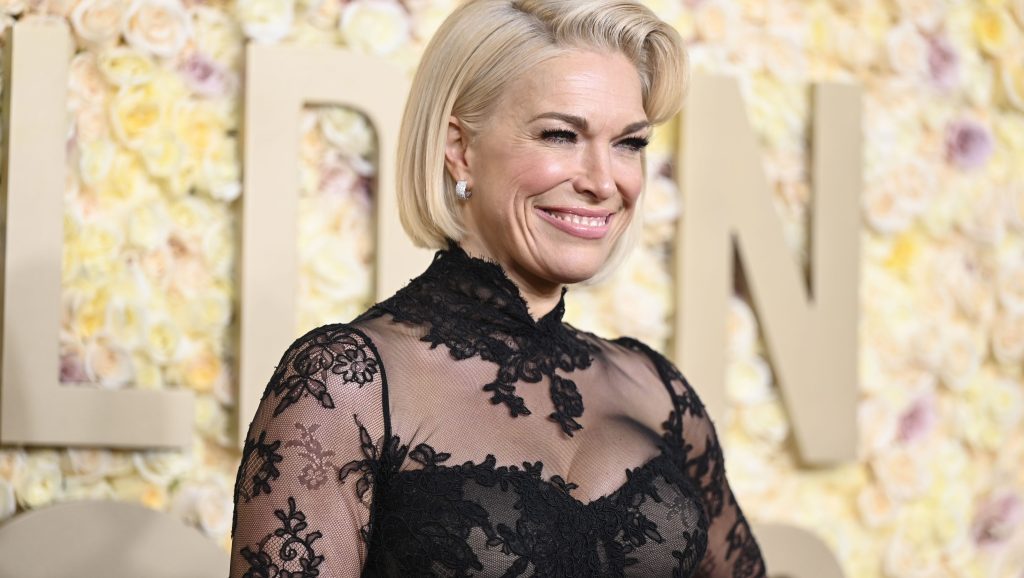
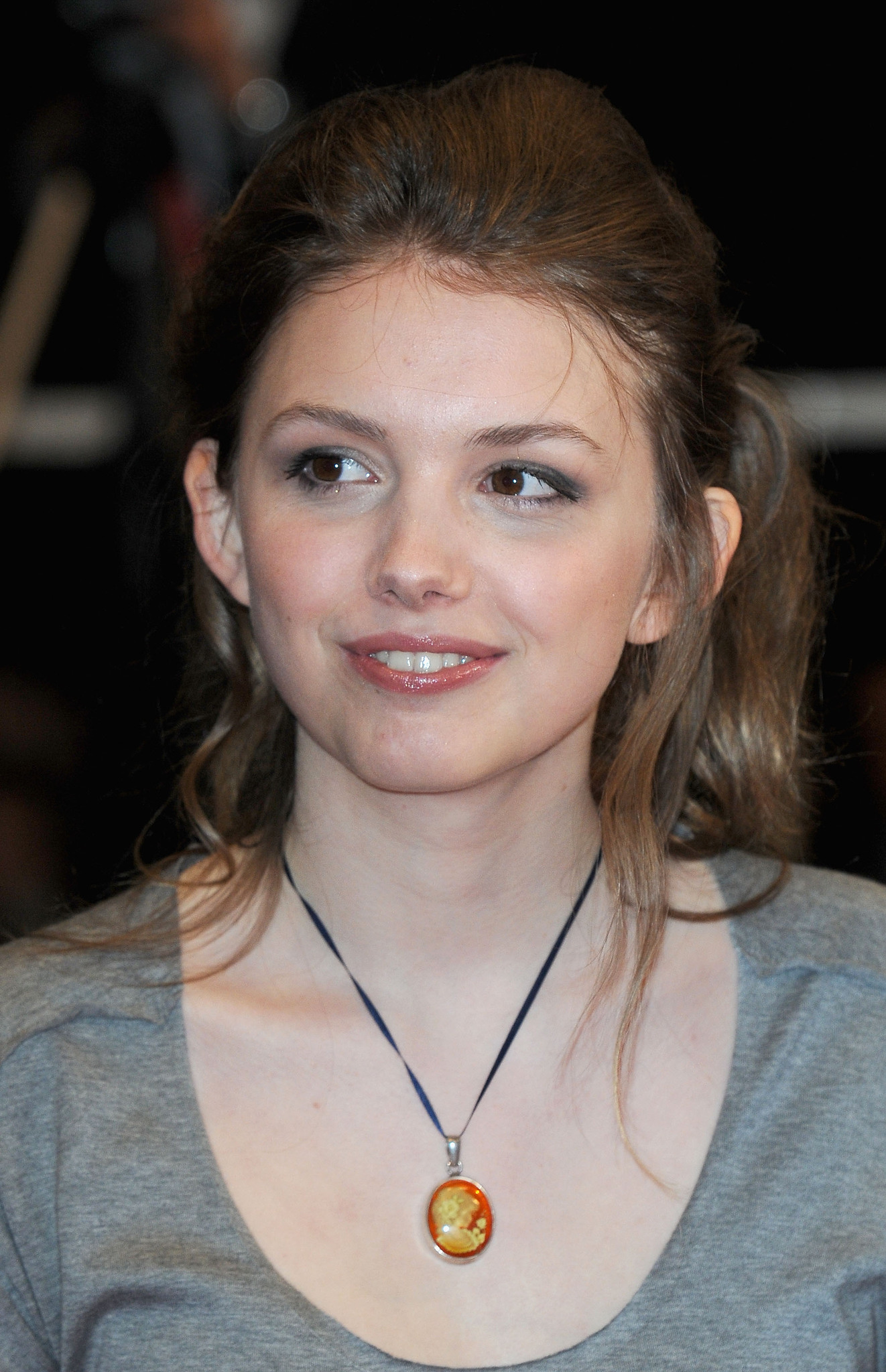
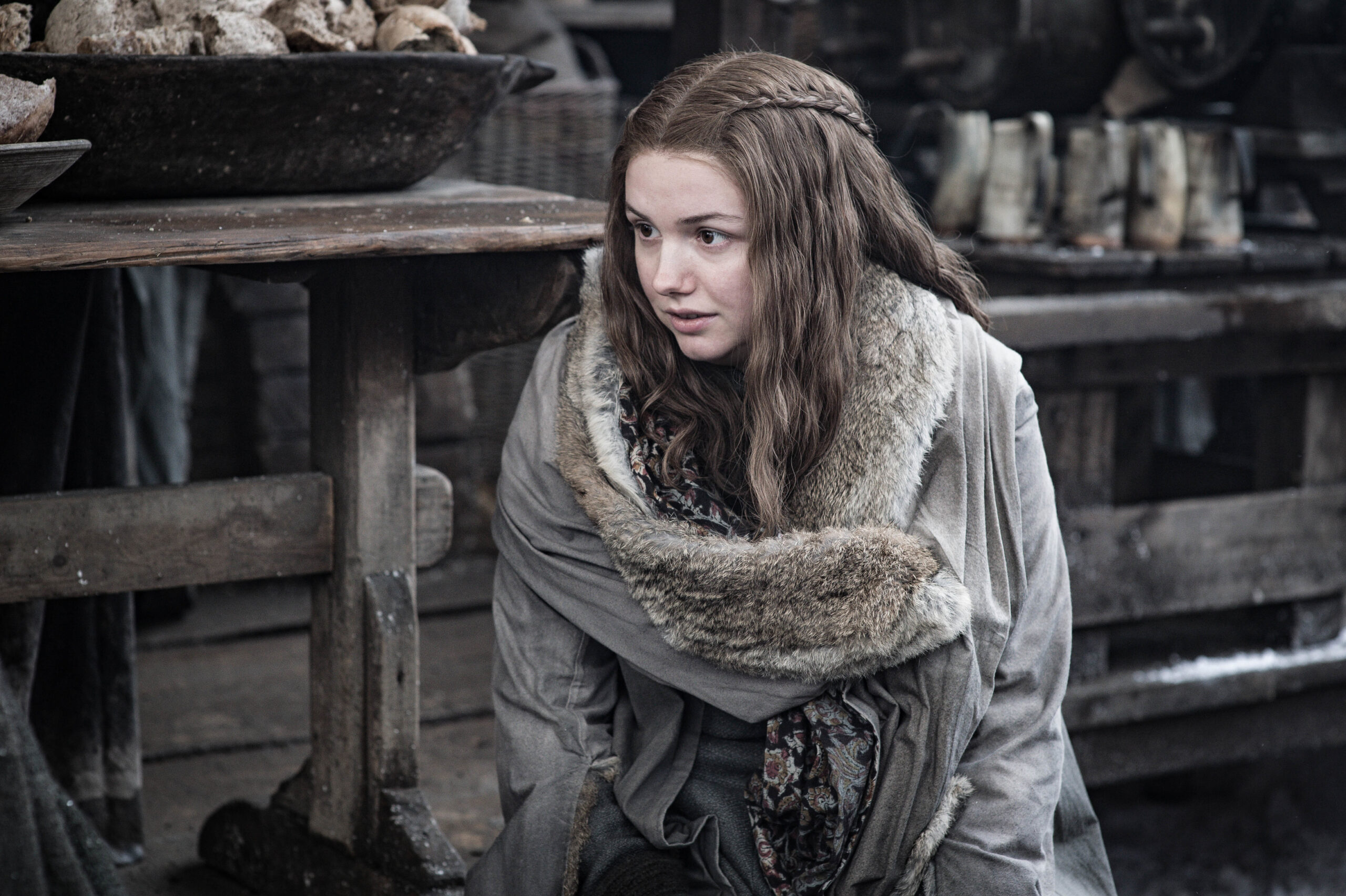
For millions of fans who watched Game of Thrones in its prime, Hannah Murray will always be Gilly - the soft-spoken, resilient wildling woman who found love with Samwell Tarly and somehow survived the chaos of Westeros with her heart intact. It was one of the most quietly beloved character arcs in the entire series, and Murray brought a warmth and subtle depth to the role that made her stand out in a cast full of scene-stealing heavyweights. Beyond Thrones, she was also known for her breakout role as Cassie in the cult British drama Skins, where she played a deeply complex young woman struggling with an eating disorder, a performance that earned her serious critical attention as a teenager and signaled that she was far more than just a pretty face in a period fantasy series.
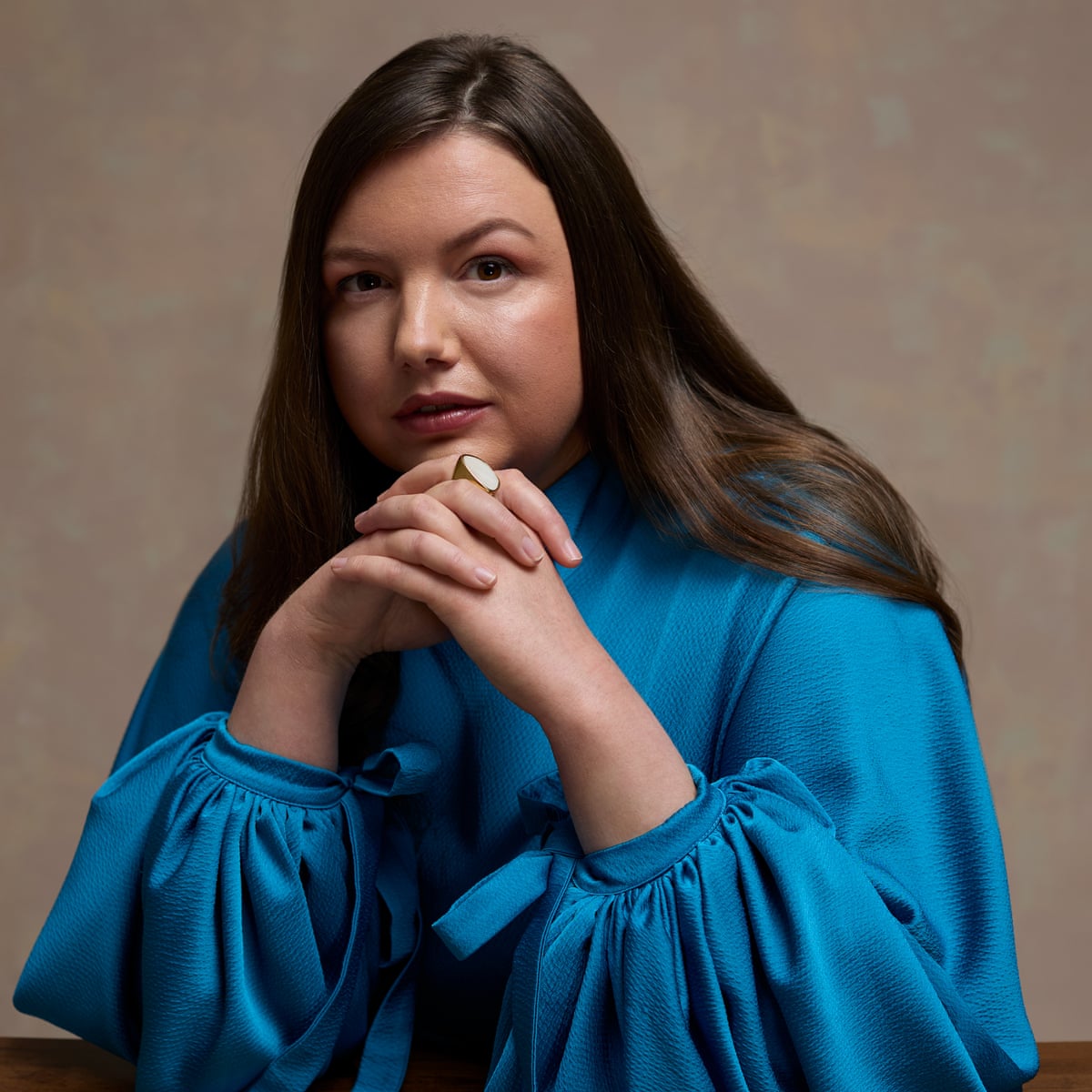
Murray studied at Cambridge University before her acting career fully took off, which already set her apart from the typical Hollywood trajectory. She was always considered one of the more thoughtful, intellectually curious figures in her peer group of young British actors. But somewhere along the way, after the cameras stopped rolling on Game of Thrones in 2019 and the global phenomenon wound down, Hannah Murray largely disappeared from public view. Now, six years later, she is speaking out - and what she has revealed is both disturbing and deeply important.
The Alleged Cult Experience
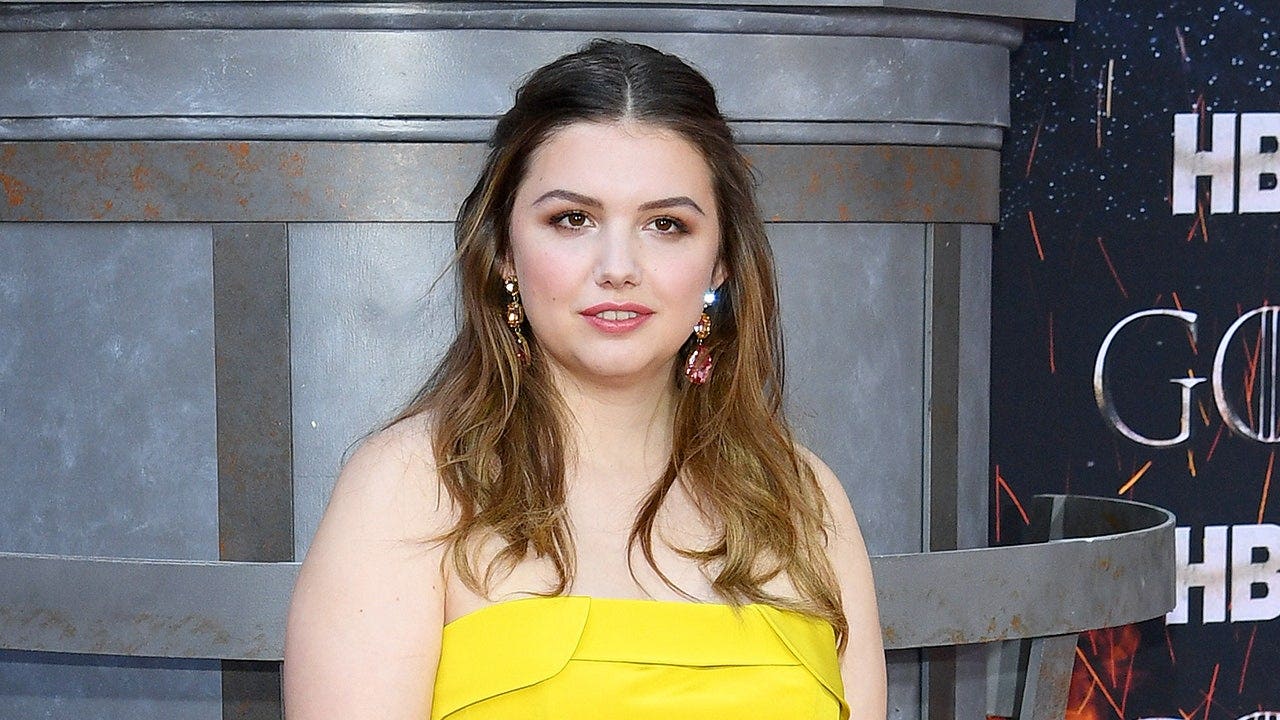
Murray has come forward with details about her involvement in what she describes as a wellness group that operated more like a cult than any legitimate healing community. The group was reportedly run by a man whose approach blended elements of alternative medicine, spiritual guidance, and psychological manipulation - a combination that has become disturbingly familiar in high-profile cult cases over the past decade. She has described how the group positioned itself as a space for healing and personal growth, using the kind of appealing, aspirational language that draws in people who are going through vulnerable periods in their lives. Like many who find themselves in these environments, Murray was not looking for a cult. She was looking for support.
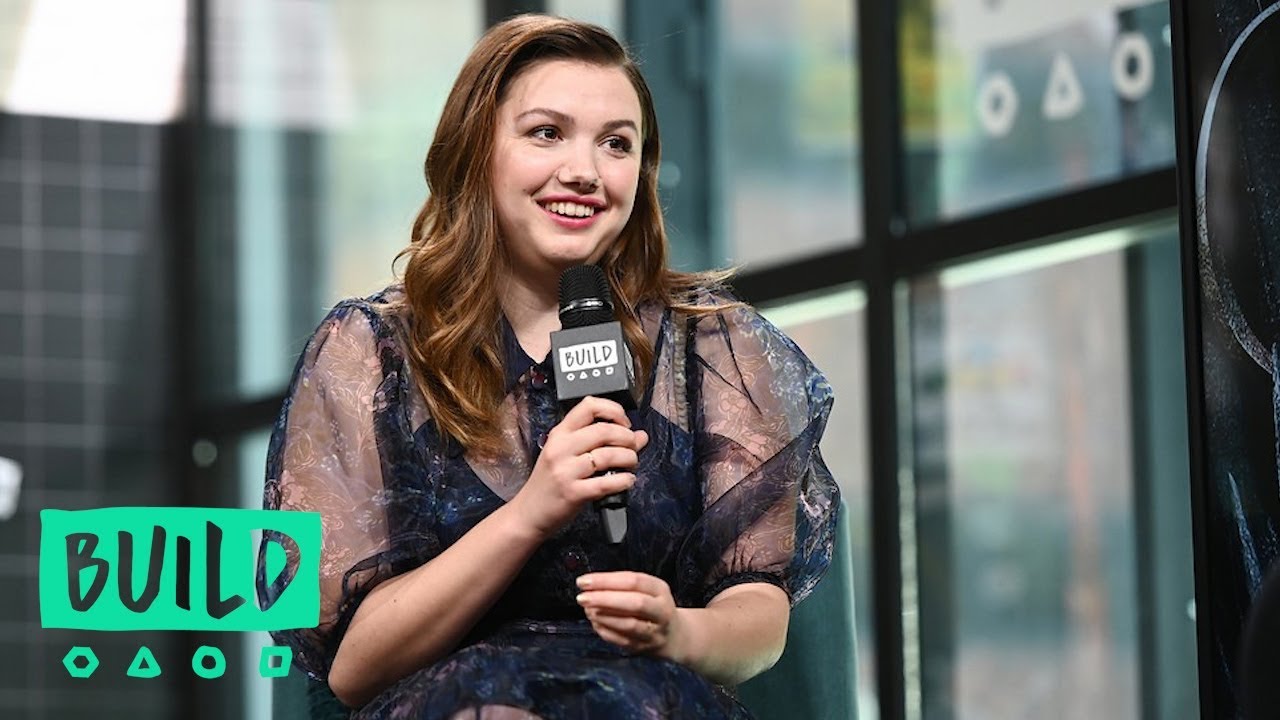
What makes Murray’s account especially striking is how methodical and gradual the alleged manipulation appears to have been. This is a pattern that researchers and cult recovery experts consistently describe - the slow erosion of boundaries, the creation of dependency, and the framing of the group leader as someone with unique, almost supernatural insight into your psychological and physical wellbeing. The wellness industry is particularly vulnerable to this kind of infiltration because it operates in spaces where emotional openness is encouraged and where skepticism can be reframed as resistance to healing. Murray’s experience, as she tells it, followed this blueprint closely, and it raises serious questions about the protections that exist for people seeking mental and physical wellness outside of traditional medical frameworks.
The Hospital Stay That Changed Everything

Perhaps the most alarming detail in Murray’s account is her description of a hospital stay that occurred during her time in the group. While specific details continue to emerge, what she has shared points to a situation in which her physical health deteriorated in ways that required medical intervention - a deeply serious consequence that underscores just how dangerous these alleged cult environments can be. It is one thing to speak about psychological manipulation in abstract terms; it is another to reckon with the reality that membership in a group like this can have direct, tangible effects on a person’s body. For Murray, the hospital stay appears to have been a critical turning point, a moment that cut through whatever hold the group had established and forced a confrontation with what was actually happening to her.
The physical consequences of cult involvement are often underreported in mainstream media coverage, which tends to focus on the psychological and financial damage these groups cause. But medical professionals who work with cult survivors have long documented the ways in which physical health can be neglected or even actively harmed within these environments - whether through food restriction, sleep deprivation, the rejection of conventional medicine, or the pressure to undergo unvetted alternative treatments. Murray’s willingness to speak about her hospital stay adds an important dimension to the public understanding of how far the damage can extend, and her courage in doing so should not be understated.