
Table of Contents:
- The Fashion Future Program: A Game-Changing Initiative
- Aba’s Fashion Hub Gets a Major Boost
- Breaking Down the Impressive Reach
- Transforming Nigeria’s Fashion Landscape
- What’s Next for the Fashion Future Program
- The Broader Impact on African Fashion
The Fashion Future Program: A Game-Changing Initiative

The Fashion Future Program has officially wrapped up its pilot phase in Aba, marking a significant milestone in Nigeria’s fashion education landscape. With an impressive reach of 10,379 participants, this groundbreaking initiative has exceeded expectations and set a new benchmark for fashion development programs across Africa. The program’s success in one of Nigeria’s most important commercial hubs demonstrates the immense appetite for structured fashion education and professional development in the region. This achievement comes at a time when the global fashion industry is increasingly recognizing Africa’s potential as both a creative powerhouse and emerging market, making initiatives like this more crucial than ever.
The comprehensive nature of the Fashion Future Program has been one of its standout features, offering participants everything from basic design principles to advanced business management skills. Unlike traditional fashion courses that focus solely on creative aspects, this program has taken a holistic approach that addresses the entire fashion value chain. Participants have gained insights into sustainable fashion practices, digital marketing strategies, supply chain management, and international market access - skills that are essential for competing in today’s global fashion economy. The program’s curriculum was specifically designed to bridge the gap between raw creative talent and commercial viability, a challenge that many aspiring fashion professionals face in emerging markets.
Aba’s Fashion Hub Gets a Major Boost

The choice of Aba as the pilot location for the Fashion Future Program was strategic and highly significant. Known as one of Nigeria’s most important commercial centers, Aba has long been recognized for its thriving textile and fashion manufacturing industries. The city’s bustling markets, skilled artisans, and entrepreneurial spirit made it the perfect testing ground for an ambitious program aimed at elevating fashion standards and practices. Local fashion entrepreneurs and artisans in Aba have historically operated with limited access to formal training and international best practices, making the Fashion Future Program’s arrival a welcome development for the entire ecosystem.
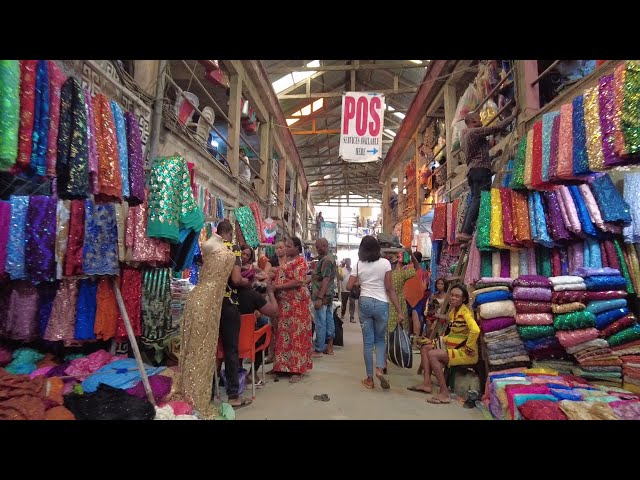
The program’s impact on Aba’s fashion community has been transformational, with participants reporting significant improvements in their business operations and creative processes. Many local designers who participated in the program have already begun implementing new techniques and business strategies learned during the pilot phase. The ripple effects are being felt throughout the city’s fashion districts, where traditional methods are being enhanced with modern approaches to design, production, and marketing. This fusion of traditional craftsmanship with contemporary business practices represents exactly the kind of evolution that can help African fashion brands compete on the global stage while maintaining their authentic cultural identity.
Breaking Down the Impressive Reach
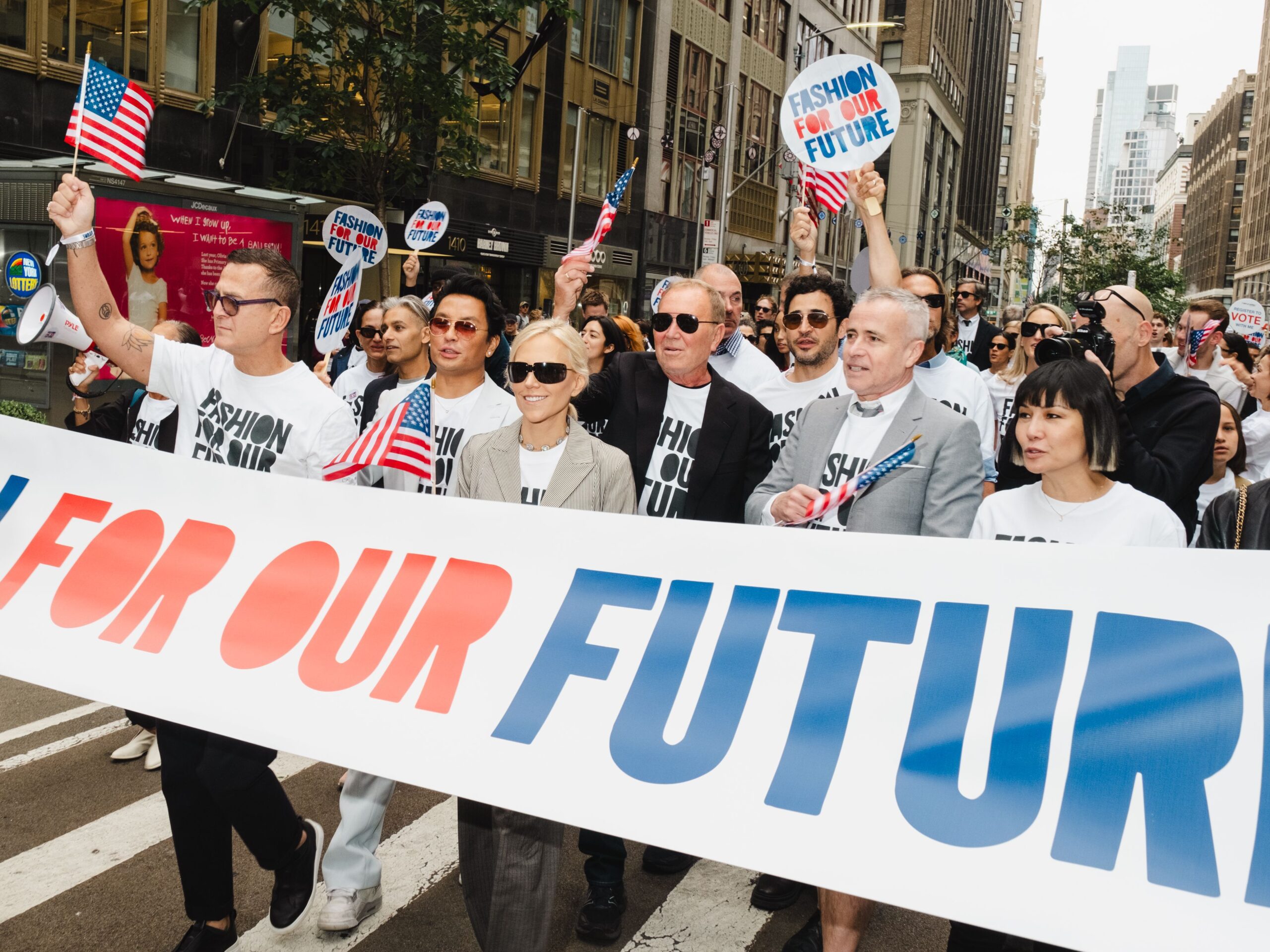
The figure of 10,379 participants represents more than just a number - it signifies a movement that has touched thousands of lives and potentially transformed entire communities. This impressive reach demonstrates the program’s ability to scale effectively while maintaining quality standards, a challenge that many educational initiatives struggle with. The diverse range of participants included established fashion designers, emerging talents, fashion entrepreneurs, textile workers, and even individuals from related industries such as retail and marketing. This broad participation base has created a comprehensive ecosystem of learning and collaboration that extends far beyond traditional fashion education boundaries.
What makes these numbers even more remarkable is the depth of engagement achieved with each participant. Rather than focusing on superficial exposure, the Fashion Future Program invested in meaningful skill development and knowledge transfer that participants can immediately apply to their work. The program’s success metrics went beyond simple attendance figures to include practical assessments, project completions, and follow-up evaluations that measured real-world application of learned concepts. This approach ensured that the 10,379 people reached weren’t just passive recipients of information, but active participants in their own professional development and the broader transformation of Nigeria’s fashion industry.