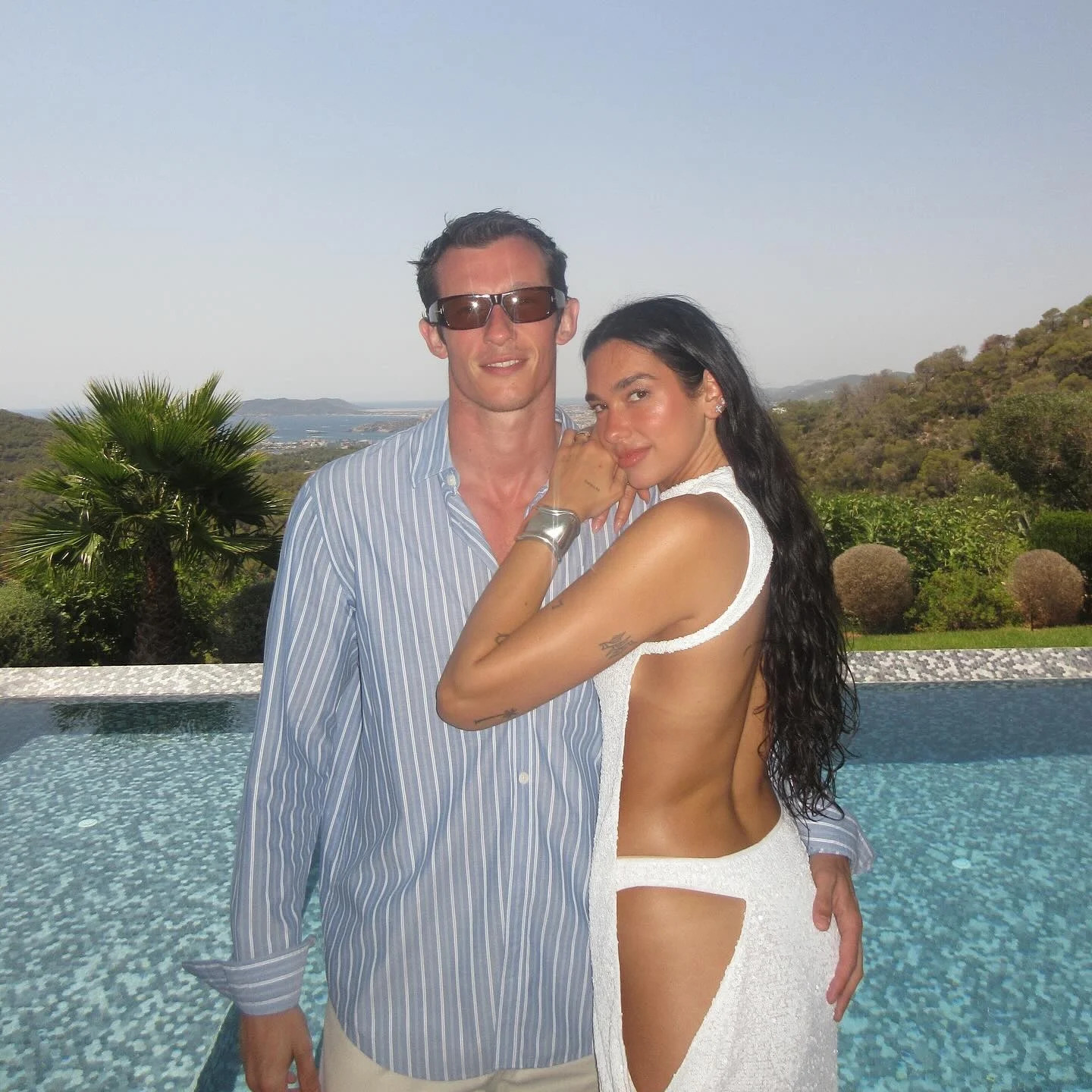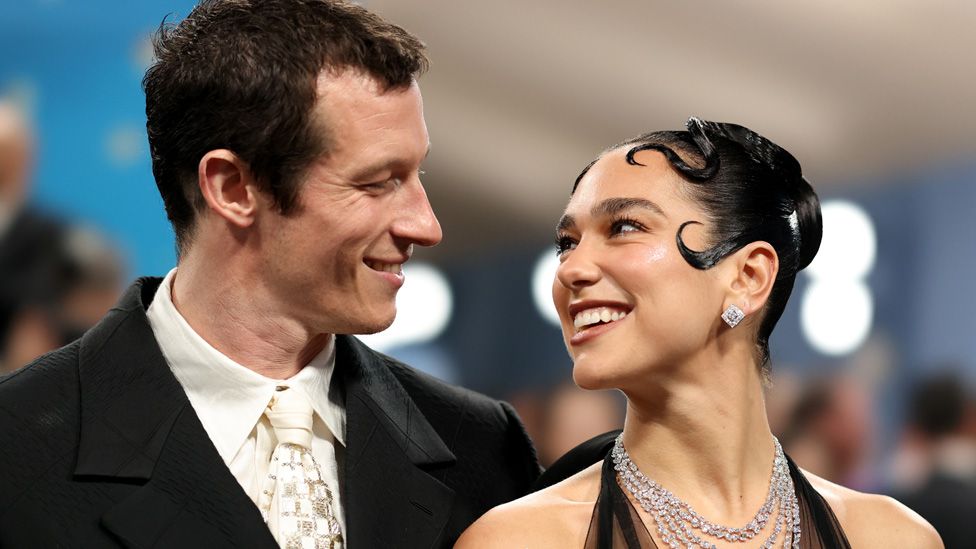
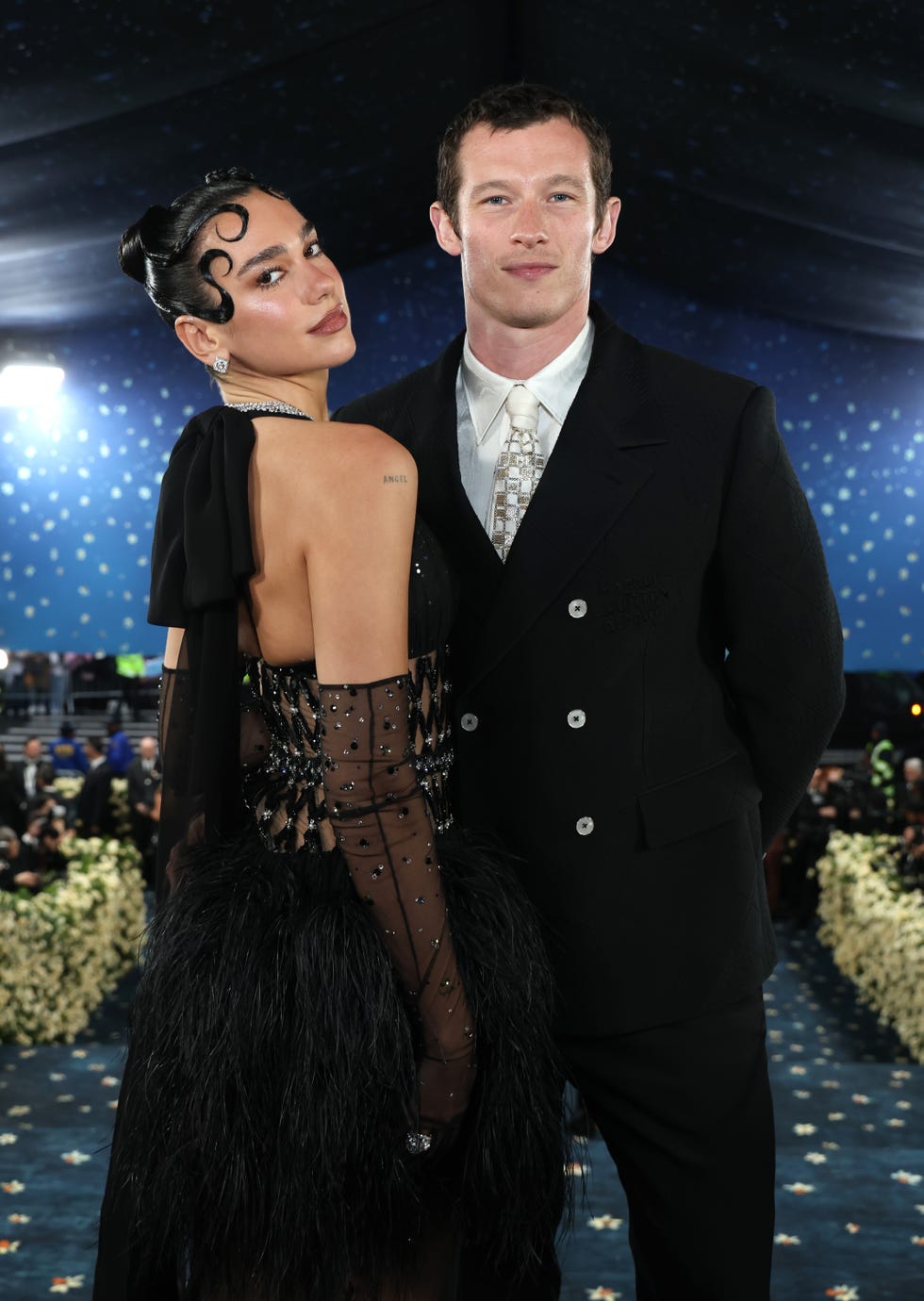
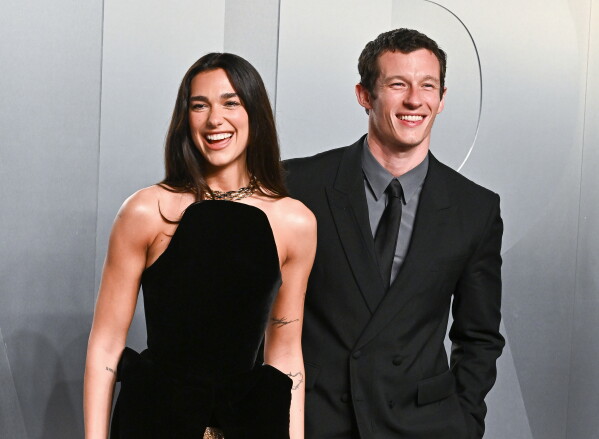
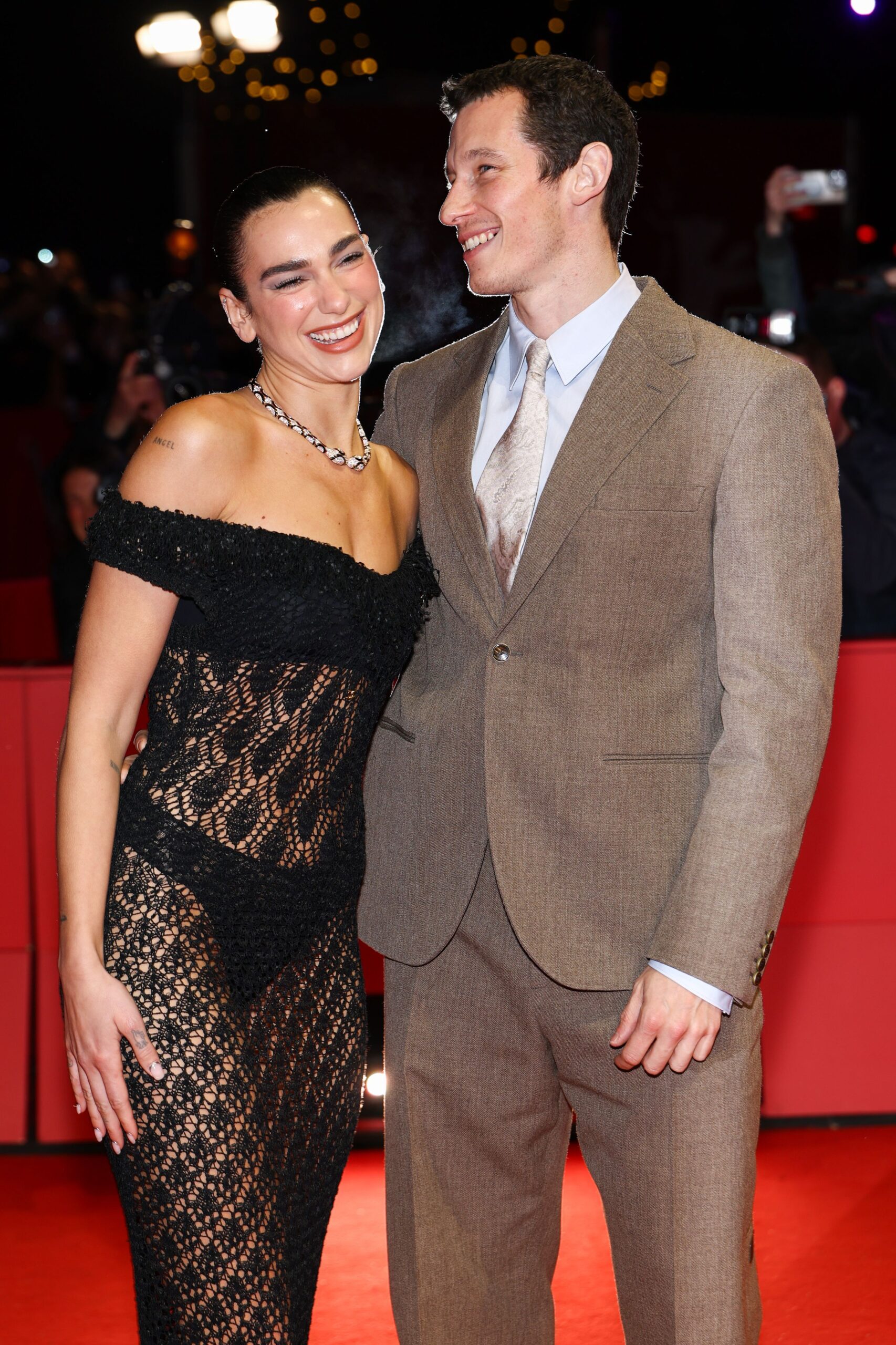
Under the floodlights of a January red carpet in 2024, a slow dance happened where almost nobody expected one. The occasion was the premiere of the war series Masters of the Air, the kind of event built for tuxedos and handshakes rather than swaying couples. Yet there, on the edge of the cameras, one of the most-watched pop stars on the planet and a British actor who had spent years climbing toward leading-man status were caught moving together to music only they seemed to hear. The clip travelled fast. Within hours, fans who had never thought to connect those two names were stitching the moment into something larger. That premiere, it turned out, was the public’s first real glimpse of a partnership that would go on to fill gossip columns, glossy magazine covers, and eventually an entire Sicilian estate with guests.
The woman at the centre of that dance was Dua Lipa, and to understand why the romance landed the way it did, you have to start with who she already was when it began.
The Pop Star Who Engineered Her Own Rise
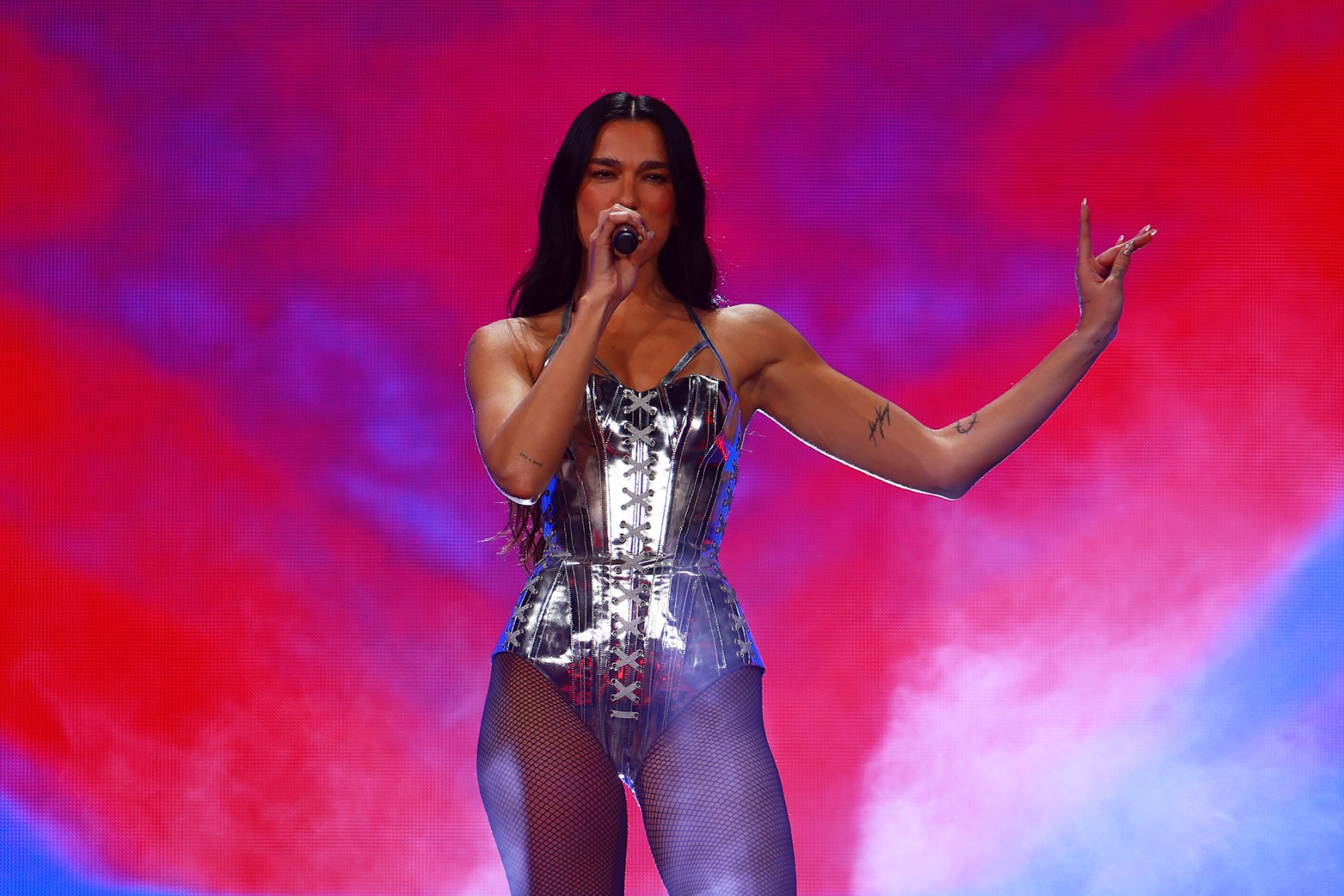
Dua Lipa was born on August 22, 1995, in London, the daughter of Kosovar-Albanian parents who had built a life in Britain. Her father, Dukagjin Lipa, was a musician himself, and the household carried both the sound of Western pop and the weight of a family history shaped by the Balkans. As a teenager she moved to Pristina with her family before returning to London on her own to chase a music career, posting covers online and modelling to pay her way. That blend of nerve and self-direction would become a defining trait.
Her self-titled debut arrived in 2017 and announced her instantly. The single “New Rules,” with its blunt, almost clinical breakup logic, became a generational anthem and pushed her into the upper reaches of the charts on both sides of the Atlantic. The album earned her recognition as one of pop’s most promising new voices, and by 2019 she had collected her first Grammy Awards, winning Best New Artist and Best Dance Recording for “Electricity,” her collaboration with the duo Silk City.
What came next cemented her. In March 2020, just as much of the world was shutting down, she released Future Nostalgia. The timing could have buried it. Instead it did the opposite.
The Future Nostalgia Phenomenon
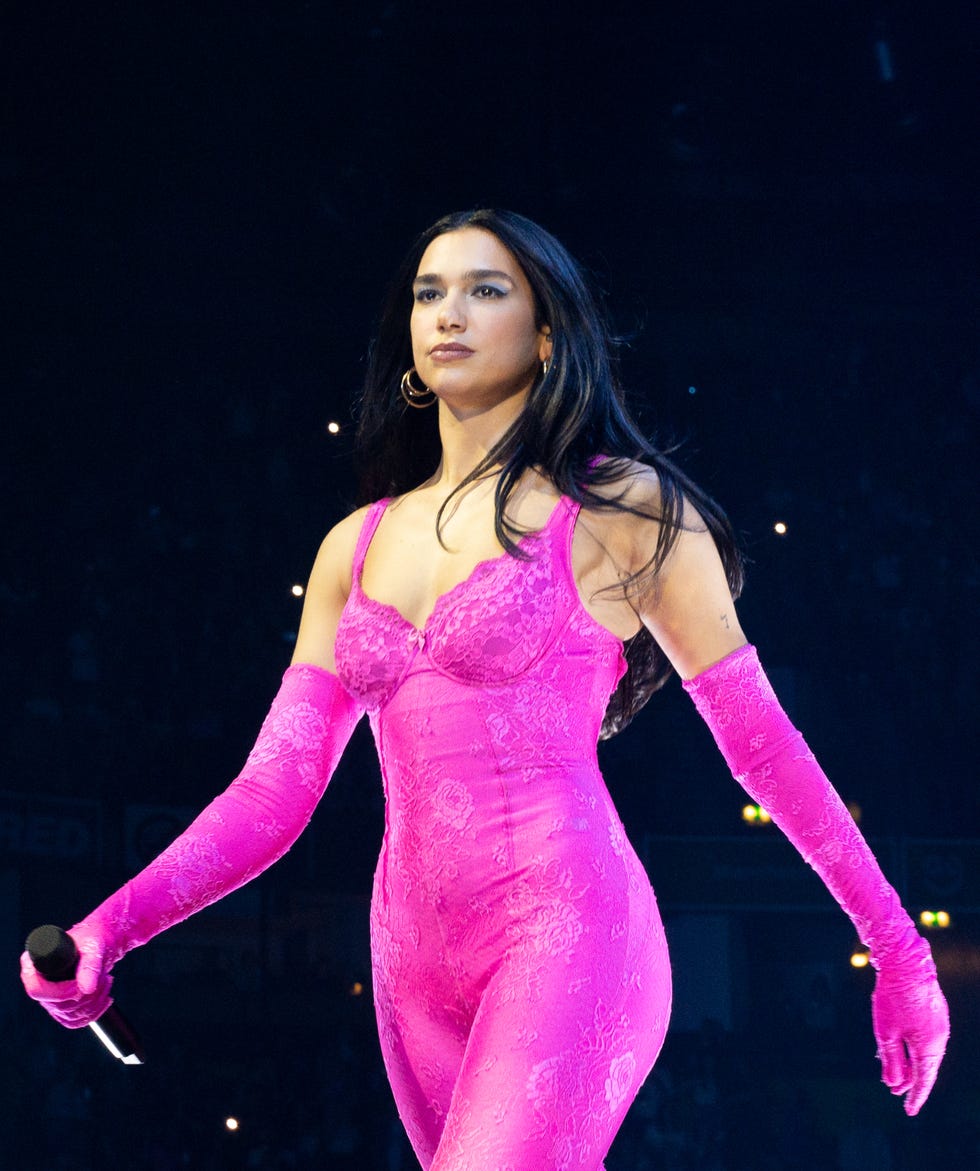
Future Nostalgia became one of the defining records of its moment, a glittering, disco-indebted pop album that gave people something to dance to inside their living rooms when the clubs had gone dark. Tracks like “Don’t Start Now,” “Physical,” and “Levitating” turned into inescapable hits, and the album’s commitment to pure, unapologetic fun read as a small act of defiance against a grim year. The record won the Grammy for Best Pop Vocal Album in 2021, bringing her career total to three Grammy wins, and it reframed how the industry saw her. She was no longer a promising newcomer. She was a headline act with a sound of her own.
The album also revealed something about her instincts as a builder. She extended its life with a remix project, a livestreamed concert event, and a sustained visual identity that treated pop stardom as a complete world rather than a string of singles. By the time she released her third album, Radical Optimism, in 2024, she had become one of the few artists who could credibly carry a stadium tour on her own name.
The Polymath Brand Beyond the Music
Long before the relationship with Callum Turner gave tabloids something to chase, Dua Lipa had been quietly assembling a second identity, one that had little to do with hit singles. In February 2022 she launched Service95, a free weekly newsletter she described as a global style, culture, and society concierge. It was an unusual move for a pop star at her commercial peak, the kind of editorial project more associated with magazine editors than chart-toppers.
Service95 grew into a small media operation. It spawned a podcast, At Your Service, in which she interviewed authors, activists, designers, and politicians with a curiosity that surprised people who had filed her away as a dance-pop act. The most beloved offshoot became the Service95 Book Club, where she selected a title each month, championed writing from across the globe, and sat down in conversation with the authors behind the books. It was here, in the world of reading, that her public persona and her private life would later quietly overlap.
That appetite for things beyond music is what earned her the polymath label. She had become a singer who also functioned as a tastemaker, a reader, a businesswoman, and a cultural curator, and she had done it without abandoning the pop machinery that made her famous. Which is part of why the question of who she would partner with carried a particular kind of public interest. The audience was not just watching a celebrity date. They were watching someone who had carefully designed every visible part of her life decide to let one part of it become visible too.
Who Callum Turner Is
Callum Turner is not a household name in the way Dua Lipa is, but within film and television he had been building a serious reputation for years. Born on February 15, 1990, in London, he grew up on a Chelsea estate and began his working life as a fashion model before moving into acting. The early roles were small and the recognition slow, but he kept landing parts that demanded range.
American audiences first registered him in 2018’s Fantastic Beasts: The Crimes of Grindelwald, where he played Theseus Scamander, the brother of Eddie Redmayne’s Newt, a role he reprised in the 2022 sequel. He earned a British Academy Television Award nomination for his lead performance in the 2019 BBC series The Capture, a tense surveillance thriller that showed he could carry a story rather than decorate one. In 2023 he played the oarsman Joe Rantz in The Boys in the Boat, the rowing drama directed by George Clooney, and in 2024 he took on John “Bucky” Egan in the lavish miniseries Masters of the Air, the same project whose premiere would mark the first sighting of him with Dua Lipa.
He was, in other words, an actor on the rise rather than a tabloid fixture, which made the pairing feel less like a manufactured celebrity match and more like two working people who happened to find each other.