DStv in Nigeria 2026: Best Packages for Entertainment, How to Subscribe, and What to Watch Right Now
Tristan Melo··11 min read
Ad SpaceArticle Top - 728x90
Advertisement
N44,500 a month is what it costs to sit at the top of the DStv ladder in Nigeria as of June 2026, and N4,400 is what it costs to sit at the bottom. Between those two numbers lives almost every decision a Nigerian household makes about pay-TV: how much football you really watch, whether the kids need cartoons all day, how many telenovelas keep the evenings busy, and how much naira you are willing to part with each month while inflation does what it does. This guide breaks the whole thing down so you can pick the right bouquet, pay it without stress, fix the error codes that lock you out, and actually find something worth watching once the screen comes back on.
A quick note on the numbers before anything else. Subscription prices in Nigeria move, and they have moved hard over the last two years. Every figure here is dated to June 2026 and reflects the pricing that followed MultiChoice’s March 2025 revision. Always confirm the live amount on the MyDStv app or the official DStv Nigeria website before you pay, because a guide can age and a payment screen cannot lie to you.
The DStv package ladder, with current naira prices
DStv in Nigeria runs on six main bouquets, climbing from the cheapest to the most loaded. Here is the ladder as it stands in June 2026, per MultiChoice’s published Nigerian pricing:
Package
Monthly price (June 2026)
Best for
Padi
N4,400
Light viewers, basic entertainment
Yanga
N6,000
Families wanting local content and some series
Confam
N11,000
Mixed homes, some sport and telenovelas
Compact
N19,000
The all-rounder, Premier League included
Compact Plus
N30,000
Serious sports fans
Premium
N44,500
Everything, plus the streaming bundle
What each tier broadly gives you matters more than the headline price, so here is the plain-English version.
Padi sits at the entry point with the smallest channel count, built around general entertainment, a few news channels, music, religious programming, and kids’ content. It is a starter bouquet, not a sports one.
Yanga steps up the volume with more local Nigerian channels, more series, and a wider kids’ line-up. It is the popular family floor for homes that want Africa Magic, news, and lifestyle without paying for heavy football.
Confam is the mid-table pick. It adds more international entertainment and gives you some football, with selected matches from leagues such as La Liga and Serie A through SuperSport’s lighter tier, though not the full sports buffet.
Compact is where most value-conscious Nigerian households land. It carries a strong spread of entertainment, movies, news, lifestyle, and crucially the English Premier League via SuperSport, alongside good general sports coverage. For a lot of homes, Compact is the sweet spot between price and pleasure.
Compact Plus is the sports upgrade. On top of everything in Compact, it unlocks the broader SuperSport line-up, meaning the Champions League, Europa League, the major domestic leagues, plus motorsport, boxing, golf, rugby, and tennis in HD. If your weekends are organised around fixtures, this is your tier.
Premium is the full house. It carries 140-plus channels with dozens in HD, the complete SuperSport stack, the M-Net movie premieres, premium international series, and business news. Premium has long bundled Showmax, and that bundle changed shape in 2026 (more on that below), but the streaming value is now delivered through DStv Stream rather than a separate Showmax app.
Which package is right for you
The honest filter is football. Almost everything in DStv pricing turns on how much live sport you watch, because sport is the most expensive content MultiChoice carries and the reason the top bouquets cost what they do.
If nobody in the house follows live football seriously, you are overpaying the moment you climb past Compact. A family that wants Nollywood, telenovelas, kids’ channels, news, and the occasional big match is well served by Yanga or Confam, and the gap between N6,000 and N11,000 a month adds up across a year.
If one person watches the Premier League but the household is otherwise general-entertainment, Compact at N19,000 is the rational choice. It is the package that gives you the league everyone argues about without forcing you to pay for the full SuperSport spread you would never open.
If your viewing is genuinely sport-led, multiple leagues, midweek European nights, and the big one-off events, Compact Plus at N30,000 earns its keep, and you should not pretend Compact will satisfy you. Premium at N44,500 only makes sense if you also want the premium movie premieres, the widest HD line-up, and the streaming bundle, and you have the budget to treat TV as a flat monthly comfort rather than a line item you scrutinise.
One practical move: you can change your bouquet up or down at the start of each cycle through the MyDStv app. Plenty of Nigerian households ride Compact Plus through a packed football season and drop to Compact or Confam in quieter months. That flexibility is one of the few genuine money levers DStv gives you, and it is underused.
How to subscribe and pay
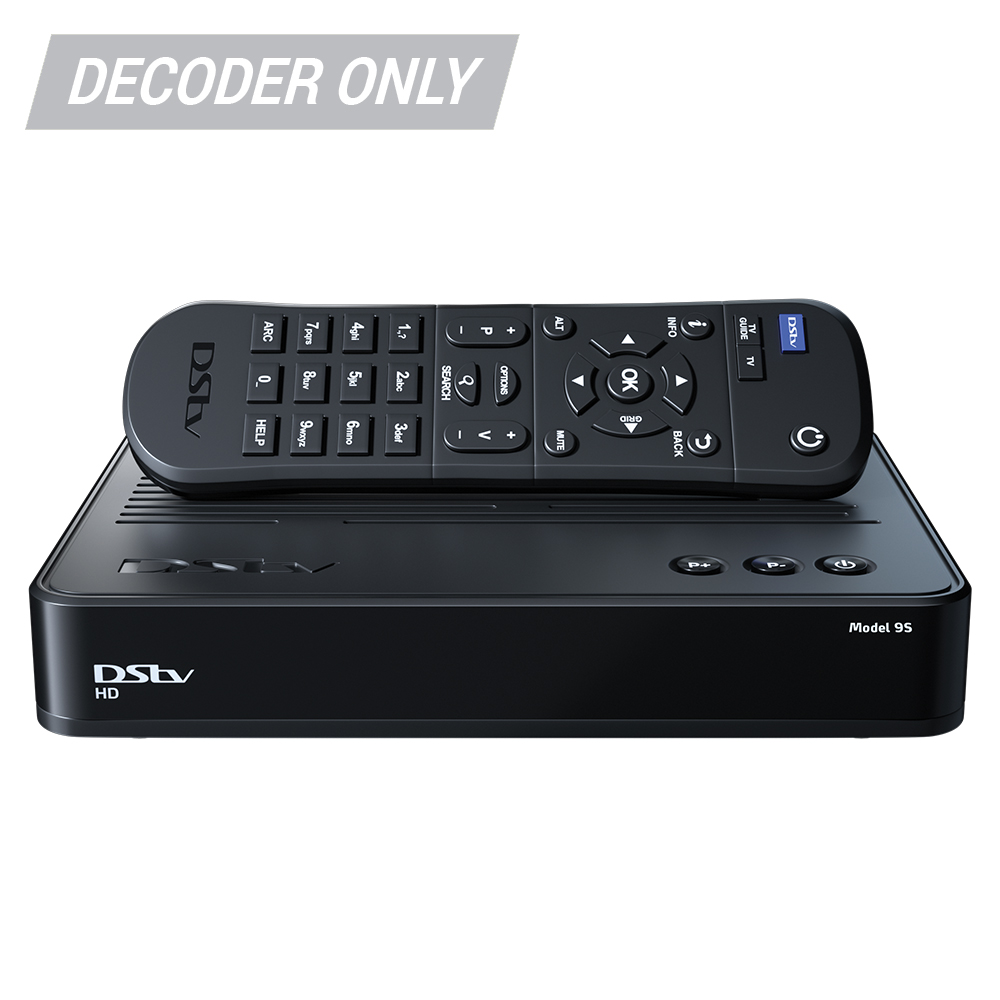
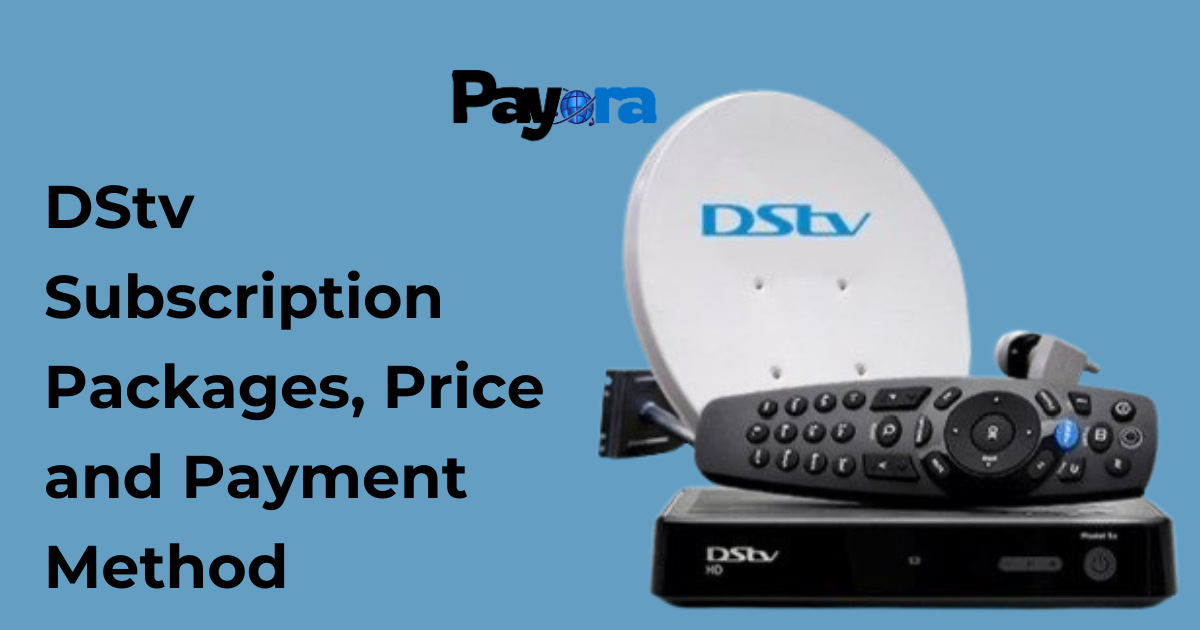
Getting connected is the easy part. You buy a decoder and dish, get it installed, register the smartcard against your details, choose a bouquet, and pay. After that, paying each month can be done several ways, and most of them clear within minutes.
The MyDStv app is the cleanest route. Download it from the Google Play Store or Apple App Store, log in with your smartcard number or registered email, pick or confirm your package, and pay by card or bank transfer. The app also shows your account balance, your due date, and your viewing history, and it is where you upgrade or downgrade.
USSD works well when data is patchy. The general DStv code in Nigeria is 3899smartcard number# to pay or check your balance. Your bank’s own USSD also handles it: GTBank uses 737Amount507SmartcardNumber#, Zenith uses 966Amount32*SmartcardNumber#, and most other banks have an equivalent under their bills menu.
Online banking and bill aggregators round it out. Quickteller at quickteller.com is a long-standing option that gives immediate value and triggers reconnection within minutes once you enter your smartcard number, email, and phone. GTBank, Access, UBA, Zenith, First Bank and others all carry DStv under their “Pay Bills” or “Cable TV” menus, where you select DStv, enter the smartcard number, choose the bouquet, and confirm with a token or OTP. Walk-in centres and authorised agents remain available if you prefer paying in person.
Whichever route you use, the smartcard number is the key to everything. Keep it saved somewhere, because it is faster than digging the decoder out from behind the TV every month.
Ad SpaceIn-Article - 300x250
Advertisement
Self-service and common error fixes
Nothing kills a Saturday like an error code where the football should be. The good news is that most of them clear without a single phone call, and DStv’s self-service tools are built exactly for this.
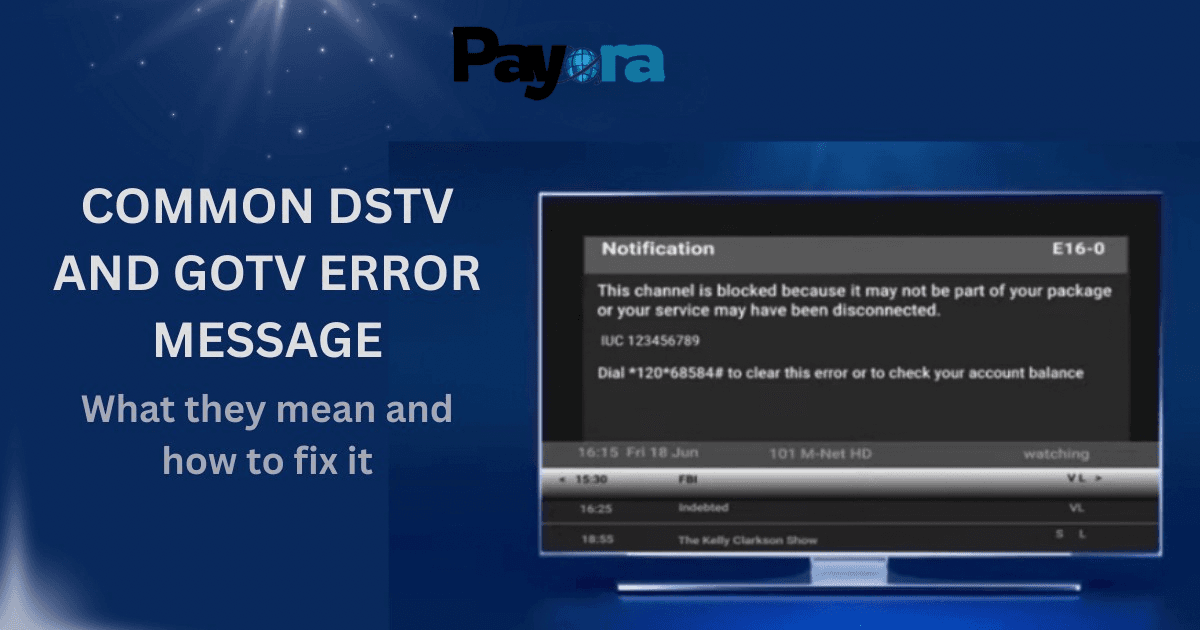
E16 is the one Nigerians see most. It means the service is scrambled, which almost always means the subscription has lapsed or has not fully activated after a payment. The fix is to confirm your payment went through, then clear the error yourself: open the MyDStv app, go to “Fix Errors,” select your decoder, and follow the prompt, or use the DStv self-service portal on the website with your smartcard number. The clear-error command pushes a fresh signal to your decoder and the picture returns.
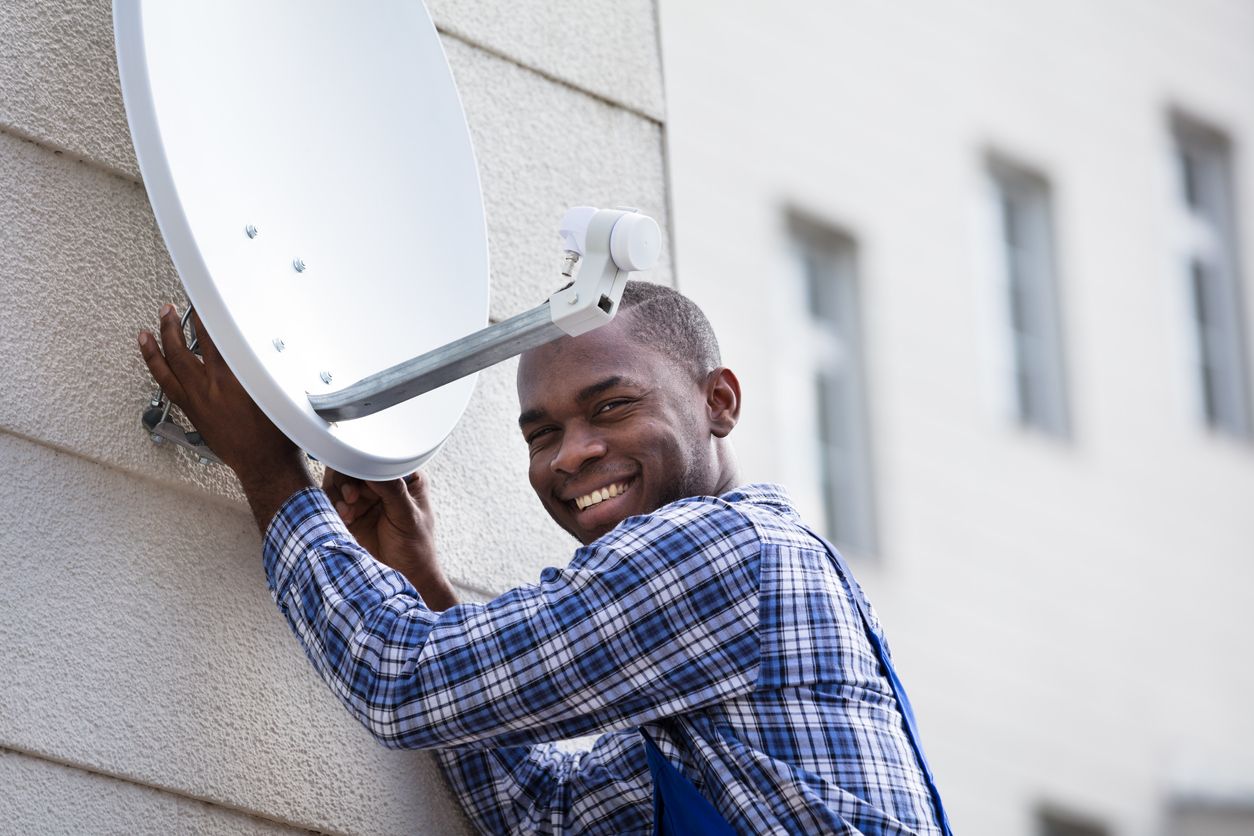
E48-32 is a different animal because it is a signal problem, not a billing one. It points to the dish or the cable, so check that the cable from the satellite dish is firmly connected at both ends, then switch the decoder off at the wall, wait at least ten seconds, and switch it back on. If the error survives a proper reboot and cable check, the dish alignment may have drifted and you will likely need an accredited installer.
For most other codes, the reflex is the same three-step ritual: confirm the subscription is active, run “Fix Errors” in the MyDStv app or on the self-service portal, then reboot the decoder at the wall. That sequence resolves the large majority of lockouts in Nigerian homes, and it is faster than waiting on a call centre during a busy match window.
DStv vs GOtv vs FreeTV vs streaming
DStv does not exist in a vacuum, and 2026 is a more crowded market than it used to be. Knowing what sits around it helps you judge whether you are getting value.
GOtv is MultiChoice’s own cheaper sibling and the most natural step down. It runs on a separate decoder and carries a leaner channel list at lower monthly prices, which makes it the budget home for viewers who want core entertainment, some Africa Magic, and lighter sport without DStv money. If Padi or Yanga already feels like a stretch, GOtv is the conversation to have.
StarTimes is the other established pay-TV rival, competing hard on price with both satellite and terrestrial options and strong football packaging of its own. For sport-on-a-budget, it is a genuine alternative worth pricing against Confam and Compact.
FreeTV is the newer wrinkle, a free-to-air play that Sidomex covered in our recent Nigeria FreeTV piece. The trade is simple and worth stating plainly: free-to-air costs you nothing month to month but gives you a limited, fixed channel list with no premium sport, no SuperSport, and none of the wide international entertainment that defines DStv’s upper tiers. It is a strong complement, not a replacement. Many Nigerian homes are quietly running both, leaning on free-to-air for general viewing and keeping a lower DStv bouquet alive only for the football.
Streaming is the wildcard pulling subscribers in every direction. Netflix, Prime Video, YouTube, and the rest offer on-demand depth that linear pay-TV cannot match, and a meaningful chunk of the Nigerian audience that left DStv over the last two years went toward data-based viewing. The catch remains live sport and the cost of data, which is why DStv’s football grip still holds. DStv’s own answer is DStv Stream, which now also houses the Showmax content following the standalone Showmax app’s closure on 30 April 2026, folding originals like Wura, Flawsome, and the Real Housewives franchises into the DStv ecosystem.
That market pressure is not abstract. MultiChoice Nigeria shed roughly 1.4 million DStv and GOtv subscribers between March 2023 and March 2025, with Nigeria driving the bulk of the group’s decline after three price increases in two years collided with inflation, currency depreciation, and power costs. The National Broadcasting Commission, which regulates the sector, engaged Canal+ during its takeover of MultiChoice, and the new owner’s response has leaned toward relief rather than more hikes: HD decoder prices were cut across key markets from late 2025, and MultiChoice signalled in early 2026 that it would break its tradition of an annual April price increase. For subscribers, the practical read is that pricing pressure has, for now, eased rather than tightened.
What to watch right now
A subscription is only as good as what is on, and DStv’s 2026 line-up still leans on the two pillars that built the brand: football and Nigerian reality drama.
Football is the anchor. The English Premier League runs through SuperSport on Compact and above, with the Champions League, Europa League, La Liga, Serie A, and the rest stacked onto Compact Plus and Premium. With the football calendar building toward a major global tournament summer, the sports tiers are where the value concentrates for fans, and SuperSport remains the reason many Nigerian homes refuse to fully cut the cord.
Big Brother Naija is the other gravitational centre. The franchise lives on Africa Magic, and 2026 has kept it busy: the “10 Over 10” reunion built around past housemates aired through June on Africa Magic Showcase and Africa Magic Family, with a new season widely expected to roll out on the dedicated BBNaija channel during the year. For a huge slice of the audience, BBNaija season is DStv season.
Beyond those two, Africa Magic carries the telenovelas and local series that fill weeknights, and the Showmax-origin titles now sitting inside DStv Stream, Wura, Cheta M, The Real Housewives of Lagos and Abuja, and more, give the on-demand side real Nigerian weight. Add the movie premieres on the Premium tier and the international series catalogue, and the upper bouquets justify themselves on entertainment alone for households that watch enough of it.
Tips to save money
The single biggest saving is matching the bouquet to your actual viewing, not your aspirational viewing. Most overspending in Nigerian homes is paying Compact Plus money for Compact habits. Be honest about how many SuperSport channels you genuinely open.
Use the seasonal swap. Ride a sports-heavy bouquet through a packed football stretch and drop down when the fixtures thin out. The MyDStv app makes the change painless and it is the cleanest legal lever on your bill.
Pay on time and self-clear errors. Every avoidable reconnection delay and every call-centre wait is friction you can skip by keeping the subscription active and running “Fix Errors” yourself the moment a code appears.
Pair it with free-to-air. Running FreeTV or another free option alongside a lower DStv bouquet lets you keep the football without paying premium prices for general entertainment you can get for nothing. For a deeper look at the free side, see our Nigeria FreeTV guide.
Finally, watch the official channels for promotions. With MultiChoice working to win back subscribers under Canal+, decoder discounts and access offers have become more common, and timing a new connection around one of those can shave real naira off the upfront cost.
The bottom line
DStv in Nigeria in 2026 is a six-rung ladder where football decides almost everything, the cheapest seat is N4,400 and the priciest is N44,500 as of June 2026, and the smartest household is the one that pays for what it actually watches. Compact at N19,000 remains the value heart of the range for homes that want the Premier League without the full sports spread, Compact Plus is the fair call for true fans, and the lower tiers plus a free-to-air companion can keep a Nigerian living room happy for far less. Confirm the live price on the MyDStv app before you pay, learn the two-minute drill for clearing E16, and let your real viewing habits, not the marketing, choose your bouquet.
Ad SpaceIn-Article - 300x250
Advertisement
Share
Get the recap
Loved this story? Get more like it.
Join readers who get our weekly entertainment recap - the stories worth your time, delivered every Friday.
No spam. Unsubscribe anytime. By signing up you agree to our Privacy Policy.