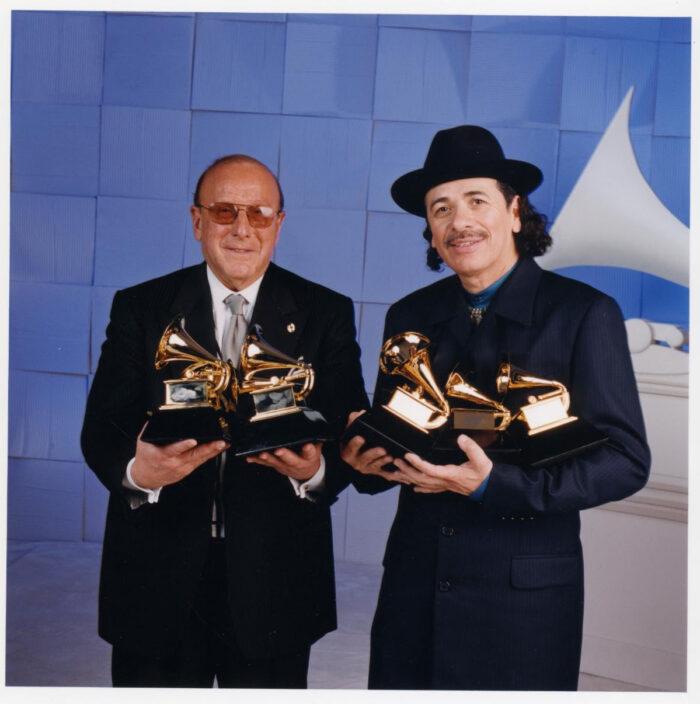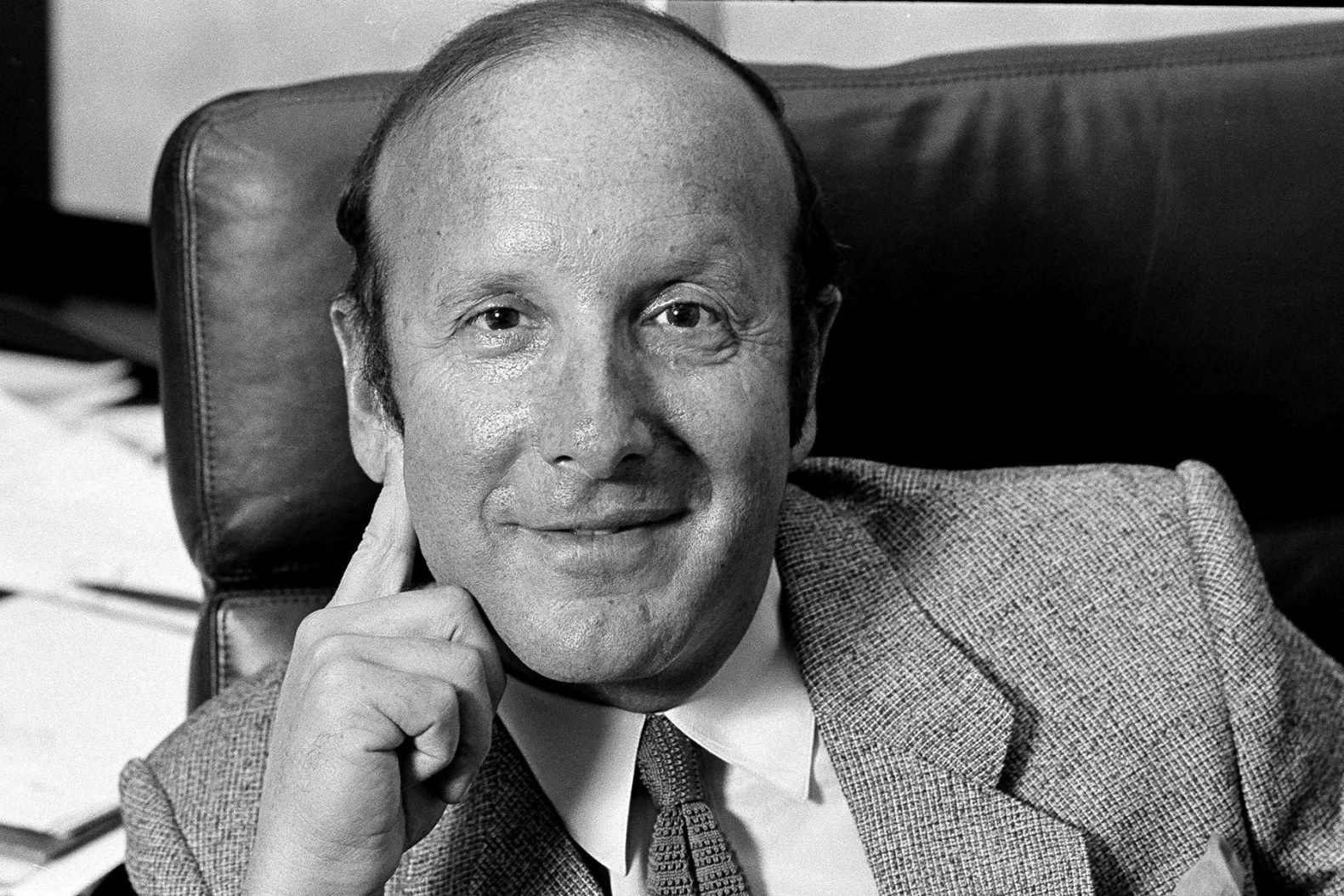

Standing in a small Manhattan nightclub called Sweetwater’s in the early 1980s, the most powerful talent-spotter in American music watched a teenager step up to sing backup for her mother. Cissy Houston was the featured performer that night on Amsterdam Avenue, but it was the daughter waiting in the wings who stopped Clive Davis cold. Within moments he had made up his mind. The girl was Whitney Houston, and Davis signed her to Arista Records in April 1983, before the rest of the industry even knew her name. What followed was one of the most successful artist launches in recorded music, and it captured everything that made Davis the executive other executives studied: the ability to hear a voice and instantly imagine the records, the audience, and the decade of hits that could grow from it.
That instinct ran through a career that touched nearly every corner of modern popular music. By the time he died at his home in New York City on June 22, 2026, at the age of 94, Davis had shaped the careers of Janis Joplin, Bruce Springsteen, Aretha Franklin, Carlos Santana, Barry Manilow, Patti Smith, the Grateful Dead, Alicia Keys, Carrie Underwood and many more. For Nigerian and African audiences watching Afrobeats stars conquer global charts today, his story is more than American nostalgia. It is the original blueprint for how a single set of trusted ears can take an artist from a local stage to the world.
From a Crown Heights Childhood to the Boardroom
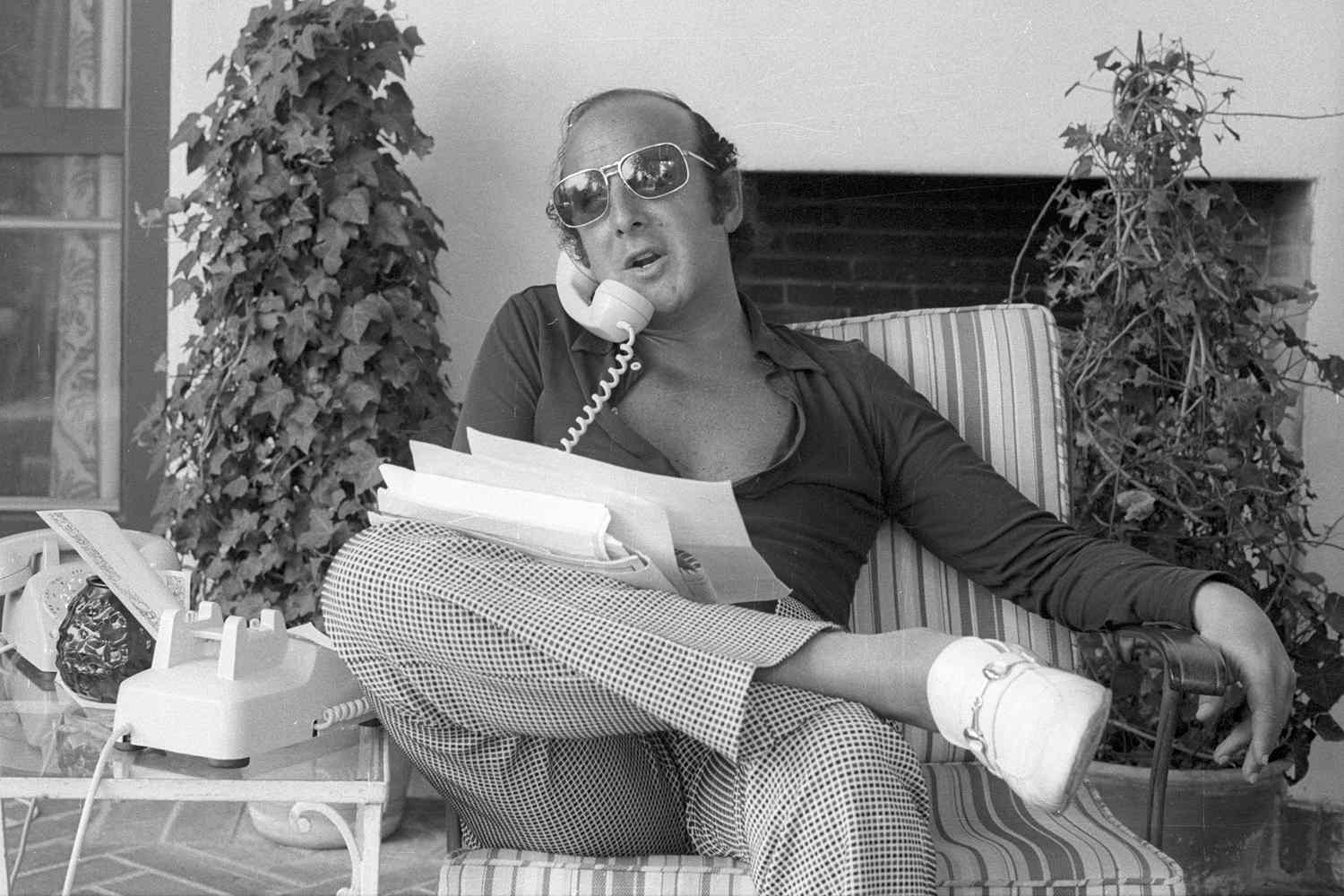
Clive Jay Davis was born on April 4, 1932, in Brooklyn, New York, the son of Jewish parents, Herman and Florence Davis. His father worked as an electrician and salesman, and the family lived in the Crown Heights neighborhood, a world away from the recording studios and stadiums Davis would later command. He attended Erasmus Hall High School, then earned a place at New York University, where he graduated magna cum laude with a degree in political science in 1953, elected to Phi Beta Kappa along the way.
His path then pointed nowhere near music. A full scholarship took him to Harvard Law School, where he graduated in 1956. Davis began his career as a lawyer in a small New York firm before moving to a larger practice, where one of the partners counted CBS among its clients. That connection proved decisive. A former colleague hired the young attorney to serve as assistant counsel at CBS subsidiary Columbia Records when Davis was 28. He had walked into the building as a lawyer. He would walk out, years later, as the most influential record man in the country.
The lawyer-to-mogul leap was not obvious to anyone, least of all the executives around him. Davis had no formal training in A&R, the artist-and-repertoire craft of finding talent and matching it to songs. What he had instead was a contract negotiator’s discipline, a businessman’s read on markets, and an appetite to learn the creative side from the inside. He rose quickly through the corporate ranks at Columbia, and by 1967 he had been named president of the label. It was the year that would change his life and the sound of an era.
Columbia, Monterey, and the Day He Trusted His Ears
In June 1967, Davis traveled to California for the Monterey International Pop Festival, persuaded to attend by his friend and associate Lou Adler. He arrived as a buttoned-up label president in a sea of countercultural energy and left transformed. The moment that turned him came when Janis Joplin took the stage with Big Brother and the Holding Company. Davis later described her performance as “absolutely riveting and hypnotic and compelling and soul-stirring,” calling it “an epiphany that changed the rest of my life.”
He acted on that feeling with a businessman’s speed. Joplin and her band were signed to the small Mainstream Records, so Davis bought out their contract for $200,000, the first high-profile signing of his career. The bet paid off spectacularly when the band’s Columbia debut went to number one. More importantly, it taught Davis a lesson he would apply for the next six decades: a great record executive does not wait for consensus. He hears something, he believes it, and he moves before anyone else can.
That conviction reshaped Columbia. Under Davis, the label signed a roster that reads like a syllabus of late-twentieth-century rock and pop, including Laura Nyro, Santana, the Chambers Brothers, Bruce Springsteen, Chicago, Billy Joel, Blood Sweat & Tears, Loggins and Messina, Aerosmith and Pink Floyd. He pushed Columbia, long associated with traditional pop and Broadway, headlong into the rock revolution, and the company’s commercial fortunes followed. For a few short years, Davis seemed untouchable.
Falling, Then Building Arista From Scratch
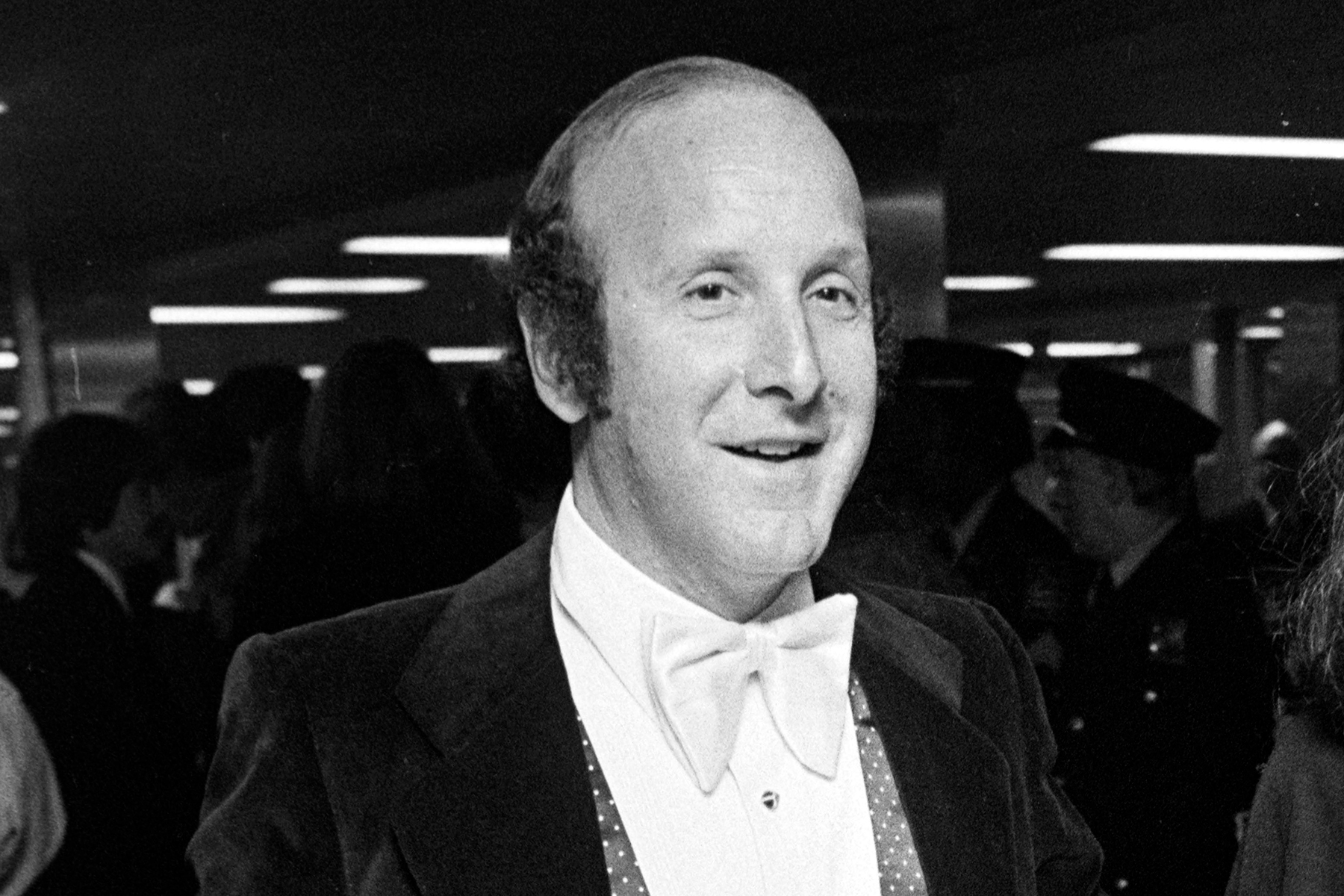
The fall came in 1973. Davis was fired from CBS Records amid allegations that he had used company funds to help bankroll his son’s bar mitzvah. The dismissal was a public humiliation for a man at the peak of his powers, and it would have ended lesser careers. Davis instead used the time to write his first memoir and to plan a second act on his own terms.
In 1974 he founded Arista Records, and over the next quarter century he turned it into a hit factory built entirely around his personal taste and his belief in artist development. Arista was where Davis perfected the method that became his signature. He did not simply sign performers and wait for them to deliver. He sat with them, hunted for the right songs, paired artists with material and producers, and shaped records line by line. It was hands-on A&R taken to an almost obsessive degree, and it produced results across genres.
At Arista, Davis revived careers that the industry had written off. He brought the Grateful Dead back to a major label, releasing their 1977 album Terrapin Station and giving the band a home for the rest of their recording life, a stretch that produced their only Top 10 album and single with In the Dark and “Touch of Grey.” He signed the punk poet Patti Smith, proving his ear was not limited to commercial pop. He made Barry Manilow a household name and guided Dionne Warwick back onto the charts. And in 1980 he brought Aretha Franklin to Arista when the Queen of Soul’s commercial sparkle had dimmed, then handed her a third great era with hits like “Jump to It” and “Freeway of Love.” The pattern was unmistakable. Davis did not just discover stars. He resurrected them.
The Whitney Houston Partnership
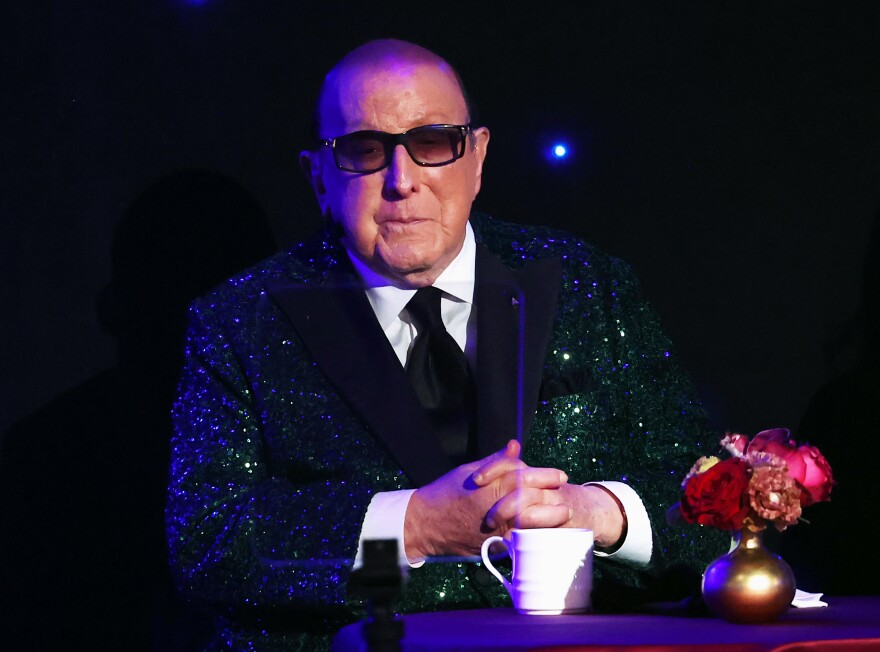
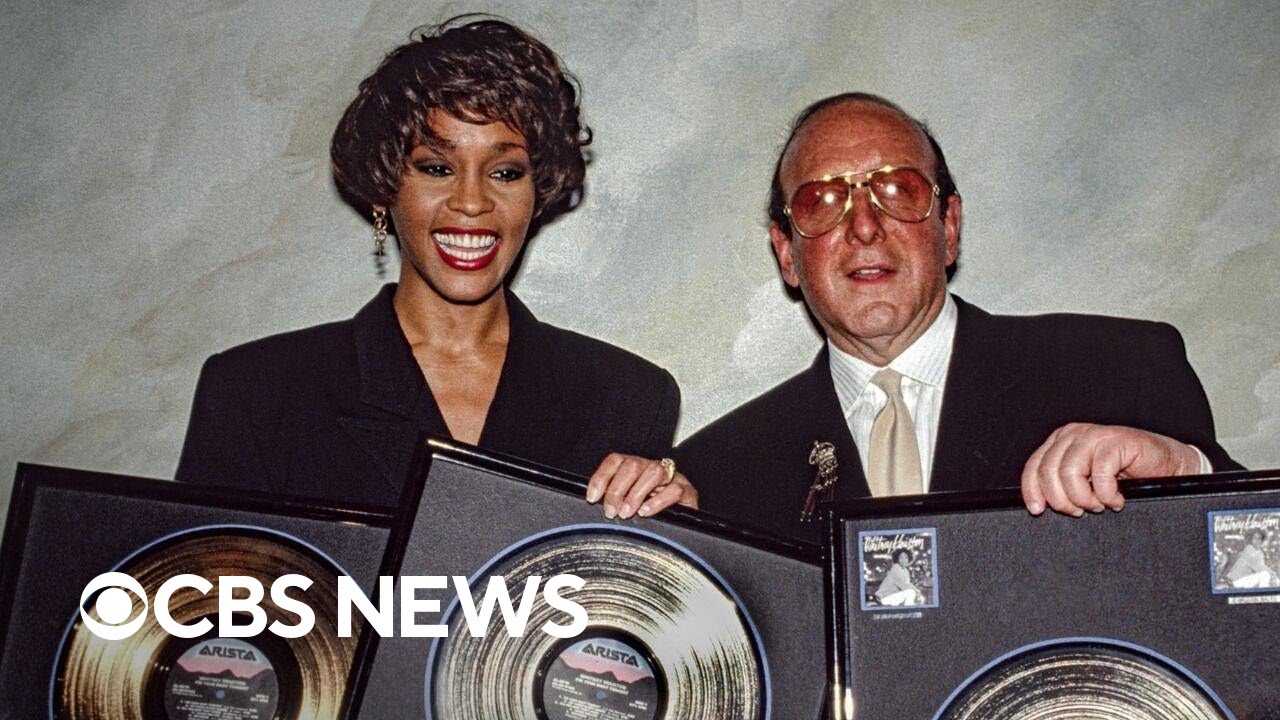
No relationship defined Davis more than his bond with Whitney Houston. After spotting her at Sweetwater’s, he signed the teenager to Arista in 1983 and then did something the modern industry rarely has the patience for. He waited. Davis personally oversaw the assembly of her self-titled debut, curating songs and producers with the care of a man building something meant to last. When the album finally arrived, it became one of the best-selling debuts in history and launched Houston as a global superstar.