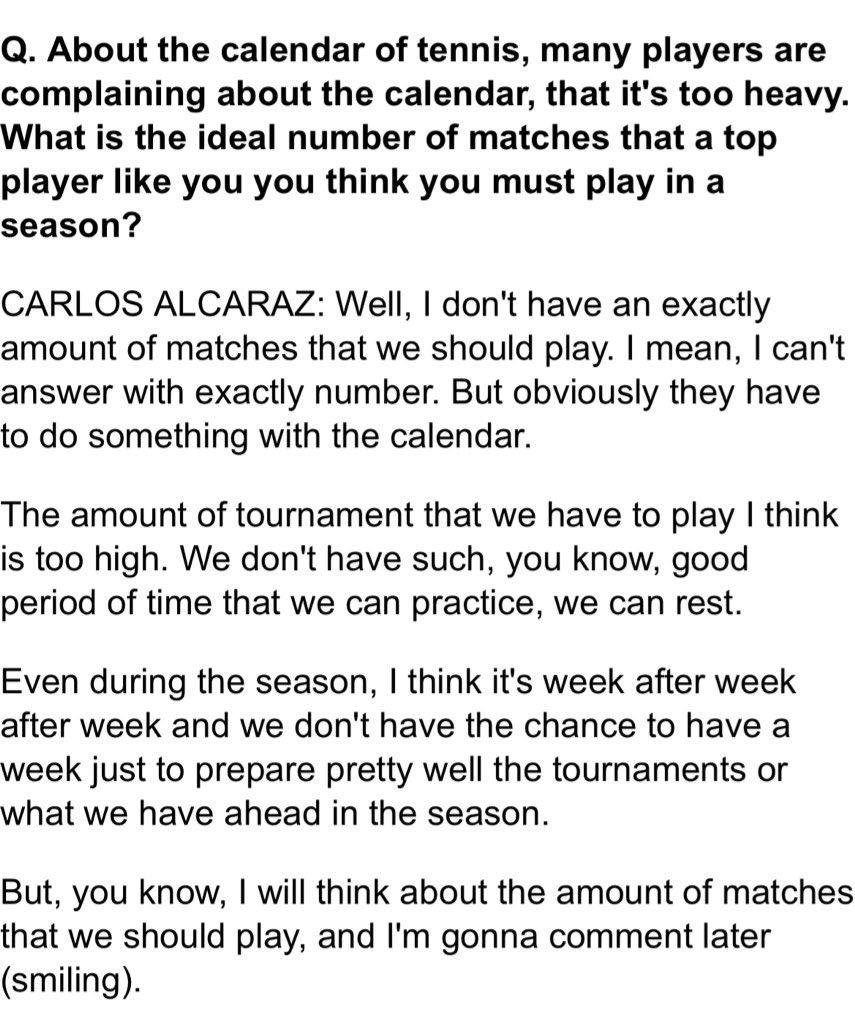
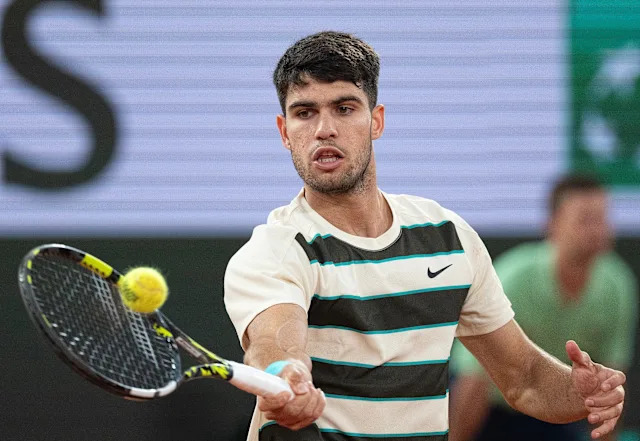
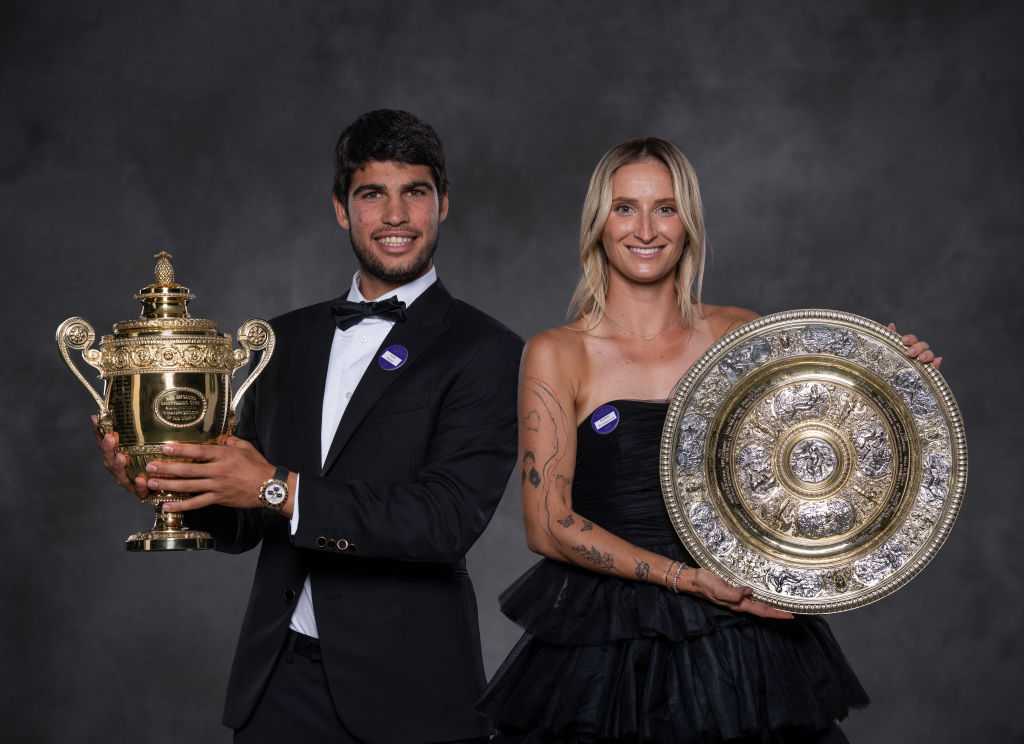
There is a particular kind of silence that falls over the tennis world whenever one of its biggest stars announces they will not be competing at a major tournament. It is not quite grief, and it is not quite surprise - it sits somewhere in between, a collective exhale from fans who know deep down that no athlete, no matter how gifted, can do everything all the time. That silence arrived again recently when Carlos Alcaraz, the seven-time Grand Slam champion and arguably the most exciting player in professional tennis right now, confirmed that he would be skipping Wimbledon 2026. The announcement landed with the kind of weight that only a player of his calibre can generate, and it sent ripples through the sport’s conversation almost immediately.
Image: Olympics.com
For context, this is not the story of a player pulling out due to injury at the last minute or citing vague “personal reasons” in a brief social media statement. Alcaraz made his decision known ahead of time, giving the broader tennis community something to actually process and discuss. The move reflects a level of strategic thinking and transparency that is becoming more common among top athletes who are prioritising longevity and peak performance over simply showing up everywhere. It is the kind of decision that separates the short-term grinders from the long-game architects, and right now, Alcaraz and his team appear firmly in the latter camp.
Who Is Carlos Alcaraz, Really?
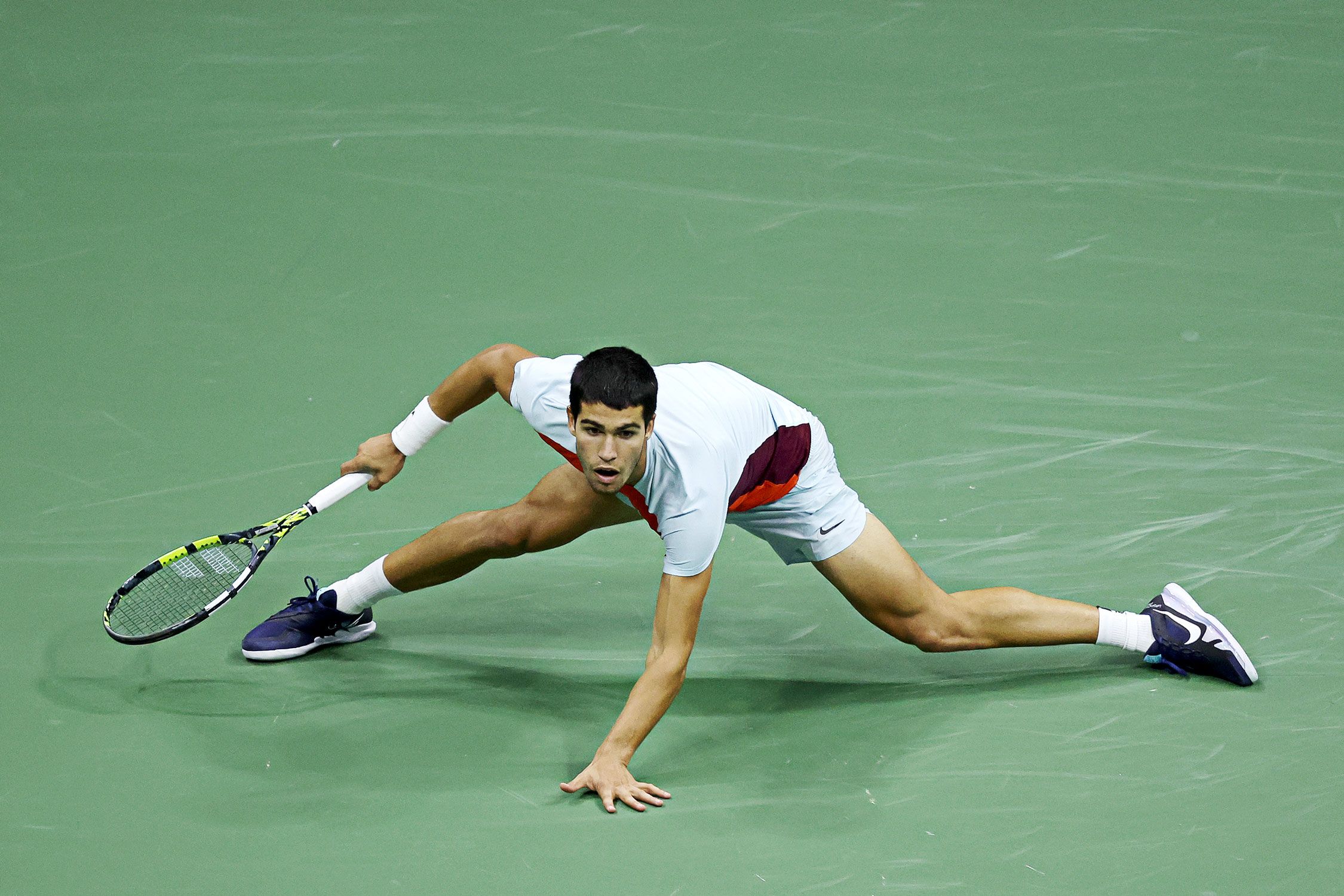
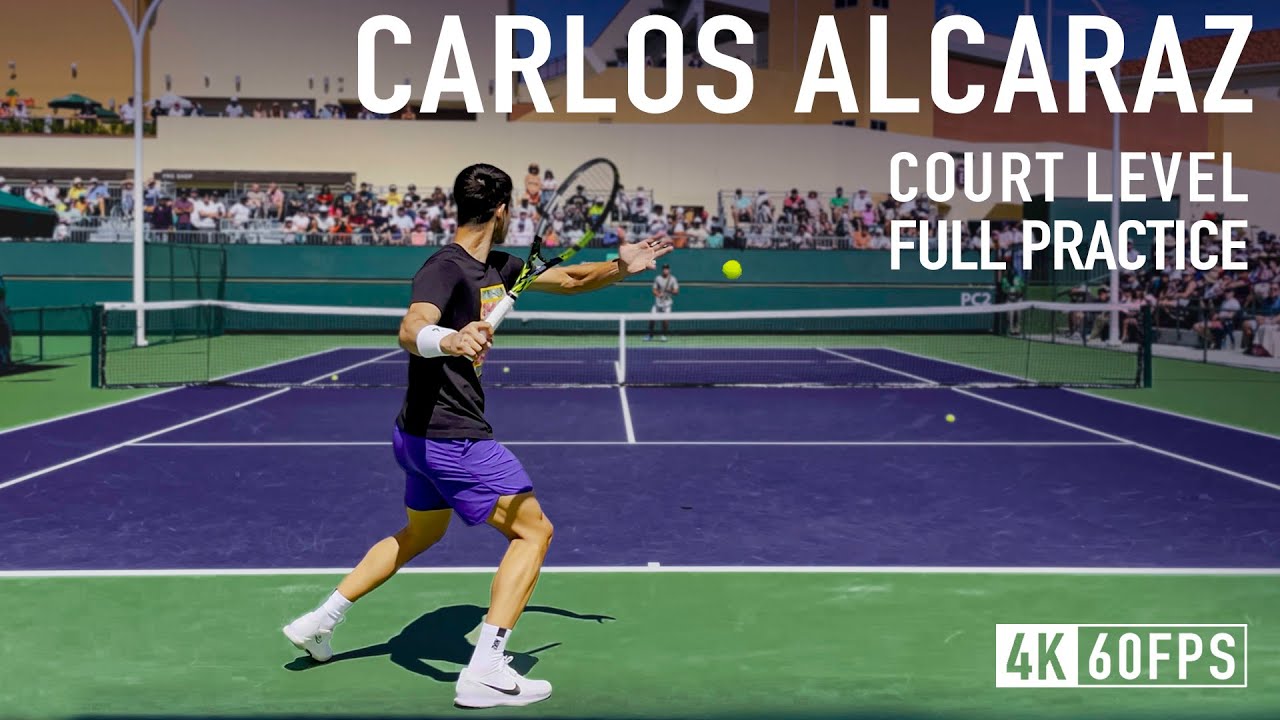
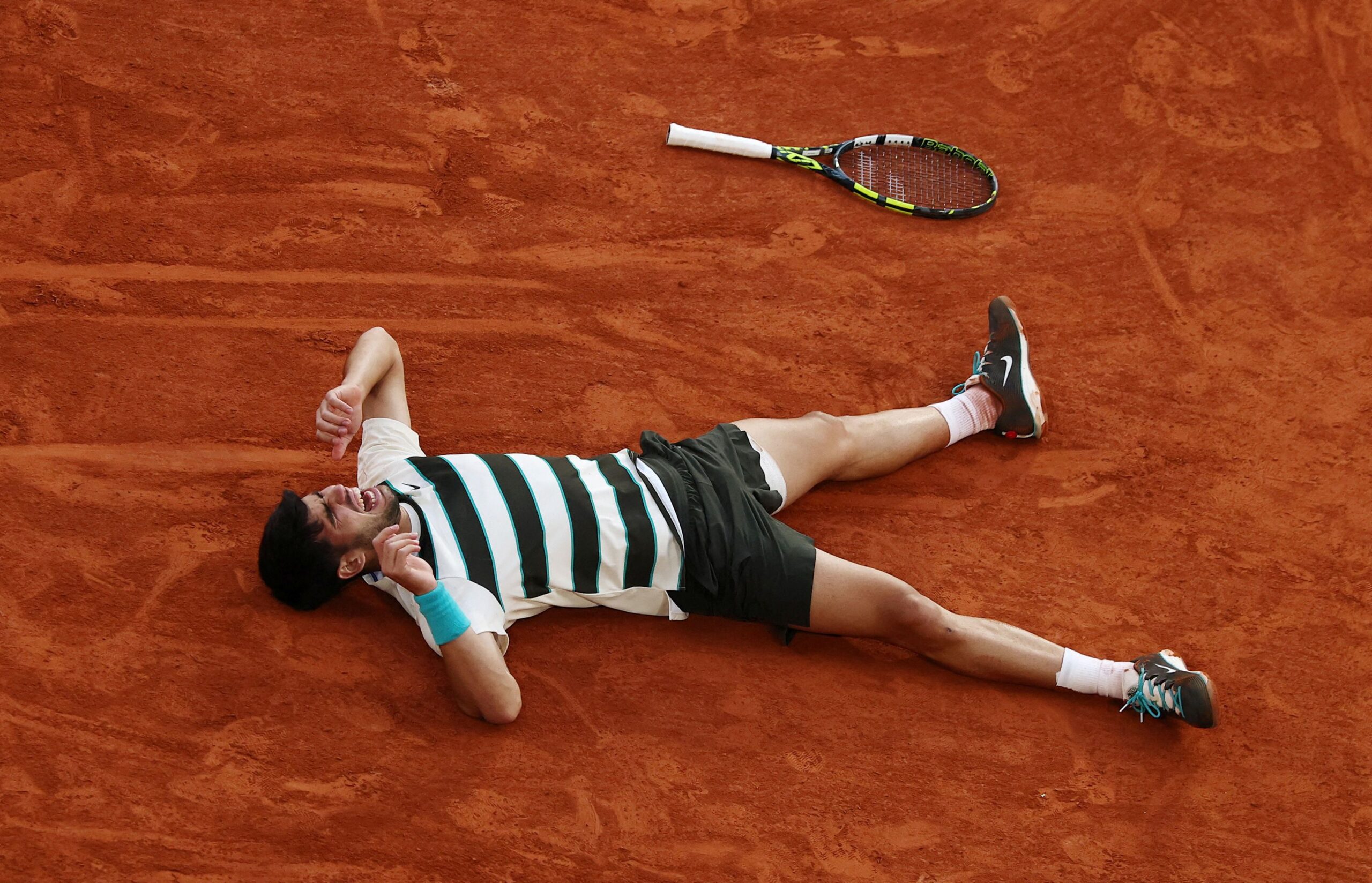
If you have only casually followed tennis over the past few years, it is worth pausing to appreciate just how extraordinary Carlos Alcaraz’s rise has been. Born in El Palmar, Murcia, Spain in May 2003, Alcaraz turned professional at just 16 and quickly established himself as something genuinely different - a player with the raw power of a baselined slugger, the net instincts of a serve-and-volleyer from another era, and the footwork of someone who seems to have been playing on clay since before he could read. He trained under Juan Carlos Ferrero, a former world number one himself, and the mentorship clearly shaped not just Alcaraz’s game but his mental approach to competition.
Image: YouTube
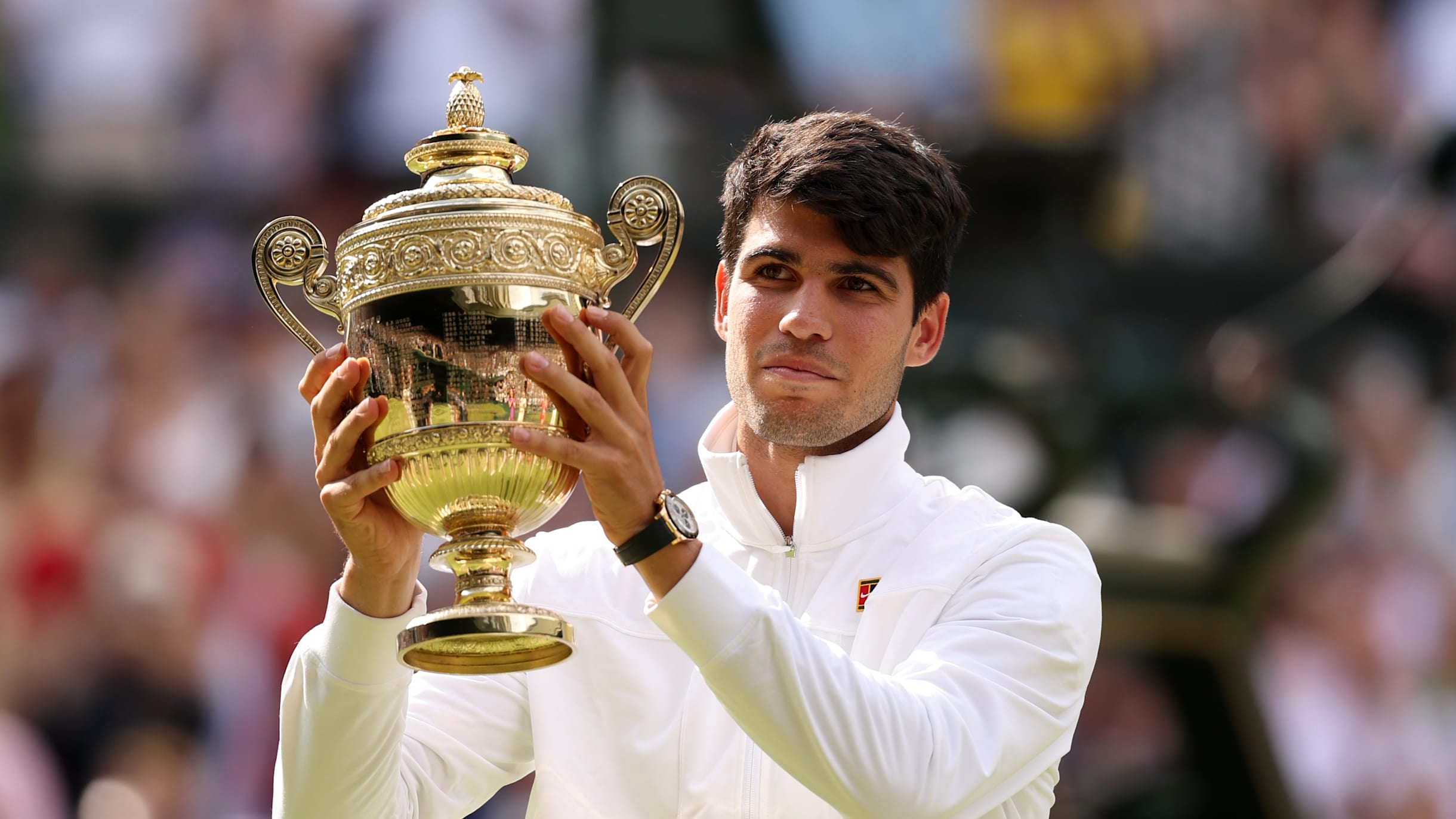
By the time Alcaraz won his first US Open in 2022 at just 19 years old, he became the youngest player ever to reach the top of the ATP rankings. Since then, he has collected Grand Slam titles on clay at Roland Garros and on grass at Wimbledon, demonstrating a versatility that puts him in genuine conversation with the all-time greats. He has beaten Novak Djokovic in consecutive Wimbledon finals - a detail that still sounds almost fictional when you say it out loud. Alcaraz is not just a future star anymore; he is a present-tense phenomenon, and every tournament decision he makes carries real weight.
The Reasoning Behind the Skip
When a player of Alcaraz’s standing decides to pass on one of the four most prestigious tournaments in the sport, the question everyone immediately asks is: why? Based on what has been reported and what Alcaraz’s camp has communicated, the decision appears to be rooted in schedule management and physical recovery rather than any specific injury or crisis. The tennis calendar is notoriously brutal - it runs almost year-round with very few genuine breaks, and the clay-to-grass transition period between Roland Garros and Wimbledon is one of the most physically demanding stretches in the sport. Players routinely push through that window on fumes, and the wear on the body accumulates in ways that are not always immediately visible but become very apparent over time.
Ad SpaceIn-Article - 300x250
Advertisement
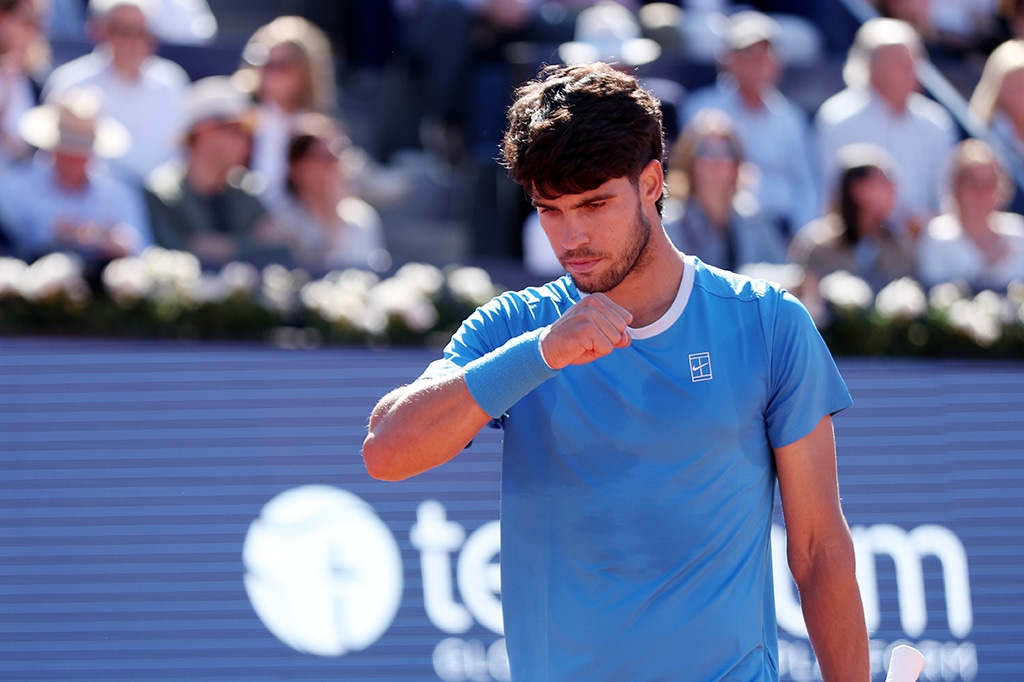
Image: CNN
Alcaraz and his team have shown throughout his still-young career that they are not willing to mortgage his long-term health for short-term appearances. Missing Wimbledon 2026 seems to be part of a deliberate plan to ensure that when he is on court, he is fully capable of competing at his absolute highest level rather than managing discomfort through a fortnight of grass-court tennis on legs that have not had sufficient rest. It is a decision that will frustrate fans in the short term - and understandably so - but it is also the kind of decision that tends to look smarter in hindsight, especially when you consider how many careers have been derailed by accumulated fatigue and poorly timed injuries.
What This Means for Wimbledon 2026
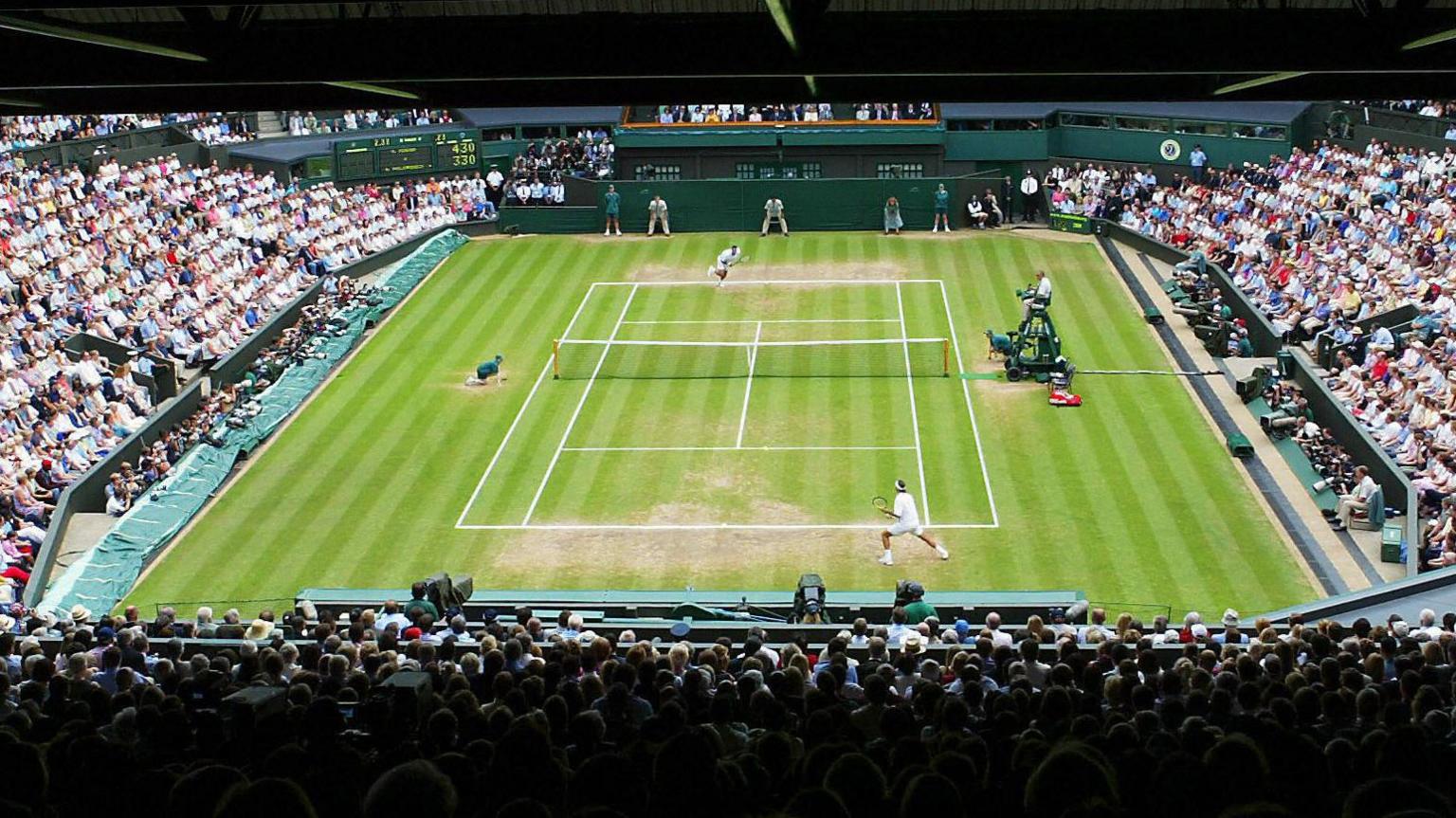
Wimbledon without Alcaraz is still Wimbledon - the oldest Grand Slam in the world, steeped in tradition, Centre Court, strawberries and cream, and all the rest of it. But there is no denying that the draw takes a different shape when its reigning back-to-back champion removes himself from contention. The field opens up in ways that will have other top players quietly recalculating their chances, and the viewing figures for key matches will inevitably be compared against what they might have been with Alcaraz in the picture. His presence at any tournament does not just affect the competition; it affects the narrative, the broadcast energy, and the level of casual fan engagement that separates a great tournament from a genuinely memorable one.
Image: BBC
For players like Jannik Sinner, who has been matching Alcaraz title-for-title in recent Grand Slams, this could be an opportunity to further cement his own legacy on grass. Novak Djokovic, depending on his fitness and competitive drive heading into 2026, would also be eyeing a Wimbledon without its current grass-court king as a genuine shot at further history. Beyond those names, younger players who have been developing their games in Alcaraz’s shadow will have an opportunity to announce themselves on the biggest stage the sport offers. The absence of one champion does not diminish the tournament - it reshuffles the story, and sometimes those reshuffled stories produce the most compelling moments of any given season.
Alcaraz, Grass Courts, and a Legacy Already Written in Green
Here is the thing that makes Alcaraz’s decision to skip Wimbledon 2026 particularly fascinating: his relationship with grass courts is already one of the more remarkable narratives in contemporary tennis. Grass was once considered a surface that rewarded serve-heavy, net-rushing players - a category Alcaraz does not neatly fit into. And yet he has taken to it with a naturalness that surprised even seasoned observers. His two consecutive Wimbledon titles, won in 2023 and 2024 against arguably the greatest grass-court player of all time, established him not just as a competent grass-court competitor but as its current master. That is not a small thing. That is a legacy point.
Image: WWD
Skipping one edition of a tournament you have already won twice does not erase what has been built there. If anything, it demonstrates a confidence that comes from knowing what you are capable of - the security of a player who does not need to show up every single year to validate his standing. Alcaraz at 22, going on 23, has more Grand Slam titles than most players collect in an entire career, and the strategic thinking behind decisions like this one suggests that he and his team are building toward something bigger than any single fortnight on grass. His Wimbledon story is not finished. It is simply taking a year off the page, and when it picks back up, the crowd on Centre Court will be ready to welcome one of the sport’s most genuinely thrilling performers right back onto the most iconic lawn in tennis.
Ad SpaceIn-Article - 300x250
Advertisement
Share
Get the recap
Loved this story? Get more like it.
Join readers who get our weekly entertainment recap - the stories worth your time, delivered every Friday.
No spam. Unsubscribe anytime. By signing up you agree to our Privacy Policy.