
Table of Contents
- The Surprising Choice That Has Hollywood Talking
- From Comedy Clubs to Media Empire
- The End of an Era for Colbert
- CBS’s Strategic Gamble
- Reshaping the Late Night Landscape
- What’s Next for Late Night Television
The Surprising Choice That Has Hollywood Talking
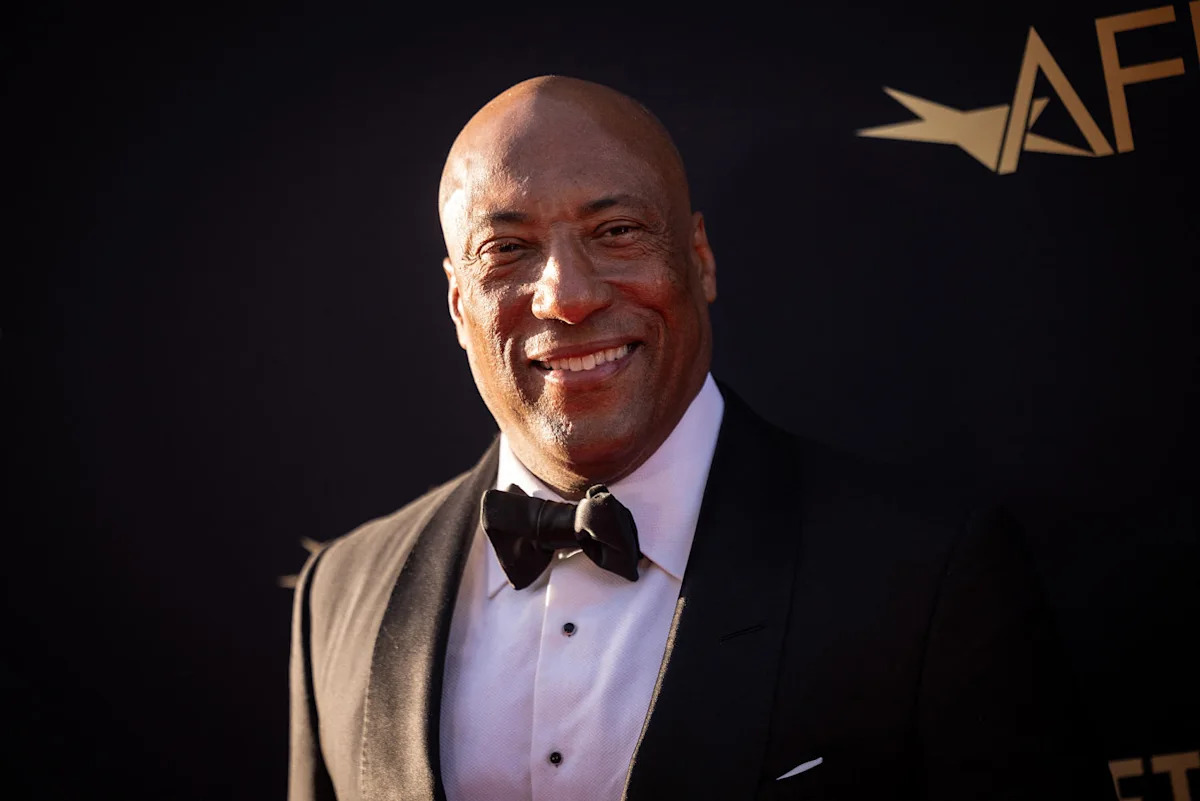
In a move that has sent shockwaves through the entertainment industry, CBS has announced that Byron Allen, the billionaire media mogul behind Entertainment Studios, will be taking over the coveted late-night time slot previously occupied by Stephen Colbert. This unexpected decision marks one of the most significant shifts in late-night television since the last major host shuffle, bringing a completely different perspective to the traditional talk show format. Allen, known more for his business acumen and media empire than his on-screen presence, represents a bold departure from the typical comedian-turned-host trajectory that has dominated late-night TV for decades. The announcement has industry insiders buzzing about what this means for the future of late-night programming and CBS’s strategic direction in an increasingly competitive television landscape.

From Comedy Clubs to Media Empire
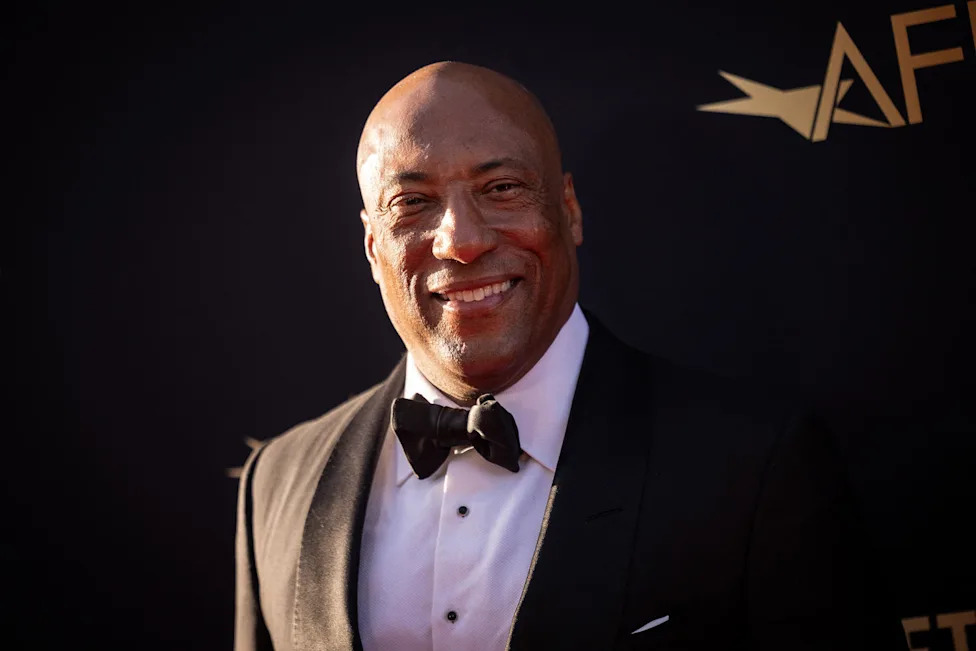
Byron Allen’s journey to this moment reads like a masterclass in entertainment industry evolution. Starting as a stand-up comedian in his teens, Allen quickly transitioned behind the camera, launching Entertainment Studios in 1993 with a clear vision of creating content that could compete on a global scale. His company has since become one of the largest independent producers and distributors of television programming worldwide, with a portfolio that includes everything from court shows to nature documentaries. What sets Allen apart from other media executives is his hands-on approach and deep understanding of both content creation and distribution - skills that could translate surprisingly well to the intimate, personality-driven world of late-night television. His acquisition strategy has been particularly impressive, with Entertainment Studios purchasing major assets including The Weather Channel and several regional sports networks, demonstrating his ability to identify and capitalize on valuable media properties.

Allen’s business philosophy has always centered on ownership and control, principles that align perfectly with CBS’s desire for a host who can bring more than just comedic timing to the table. Unlike traditional late-night hosts who often serve as the face of shows produced by others, Allen brings the unique perspective of someone who understands the entire ecosystem of television production and distribution. This comprehensive industry knowledge could revolutionize how late-night shows are conceived, produced, and monetized, potentially setting new standards for the format.
The End of an Era for Colbert
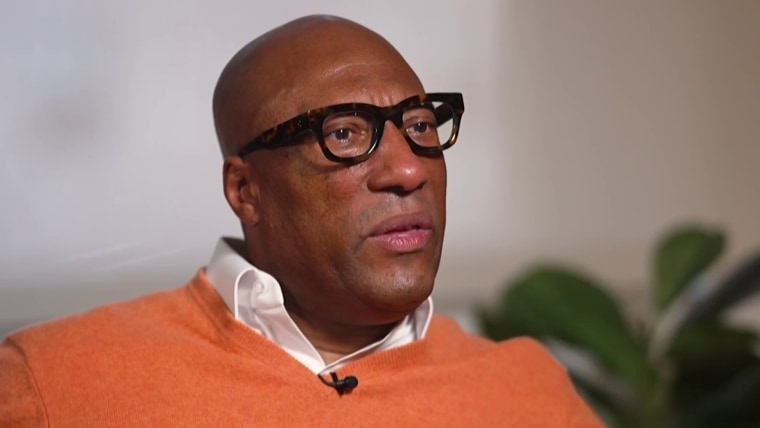
Stephen Colbert’s departure from “The Late Show” marks the end of a remarkable run that saw the former “Daily Show” correspondent successfully transition from satirical pundit to mainstream late-night host. During his tenure, Colbert navigated some of the most turbulent political periods in recent American history, using his platform to blend sharp political commentary with traditional celebrity interviews and comedy segments. His ability to maintain relevance and ratings while staying true to his comedic voice earned him both critical acclaim and a devoted fanbase. The show became particularly influential during major political events, often serving as a cultural touchstone for audiences seeking both entertainment and perspective on current events. Colbert’s departure creates not just a scheduling gap for CBS, but also a cultural void that will be challenging for any successor to fill, regardless of their background or approach.

CBS’s Strategic Gamble

The decision to hand the reins to Byron Allen represents more than just a hosting change - it’s a fundamental reimagining of what late-night television can be in the modern media landscape. CBS executives have clearly recognized that the traditional model of comedian-hosts delivering monologues and celebrity interviews may need evolution to remain competitive against streaming platforms and social media content. Allen’s track record of identifying underserved audiences and creating content that resonates across diverse demographics could be exactly what CBS needs to revitalize the time slot. His approach to programming has consistently focused on broad appeal while maintaining quality, a balance that could translate well to the late-night format. The network’s willingness to take this risk suggests they see potential for Allen to bring not just his hosting skills, but his entire business philosophy and content creation expertise to bear on reinventing the show.