
Your Ultimate Guide to Billboard's 2024 Music Industry Event Calendar
Music

Your Ultimate Guide to Billboard's 2024 Music Industry Event Calendar

Jalen RossJalen Ross··6 min read
Advertisement

Table of Contents

The music industry operates on a carefully orchestrated calendar of events that can make or break careers, launch new trends, and generate billions in revenue. From the glittering stages of award shows to the muddy fields of summer festivals, these gatherings represent the heartbeat of an industry that continues to evolve at breakneck speed. Billboard’s comprehensive events calendar serves as the roadmap for industry professionals, artists, and fans alike, marking the moments that matter most in the global music landscape. Understanding this calendar isn’t just about knowing when your favorite artist might perform – it’s about recognizing the strategic timing that drives everything from album releases to brand partnerships and career-defining collaborations.

Awards Season: The Industry’s Biggest Nights
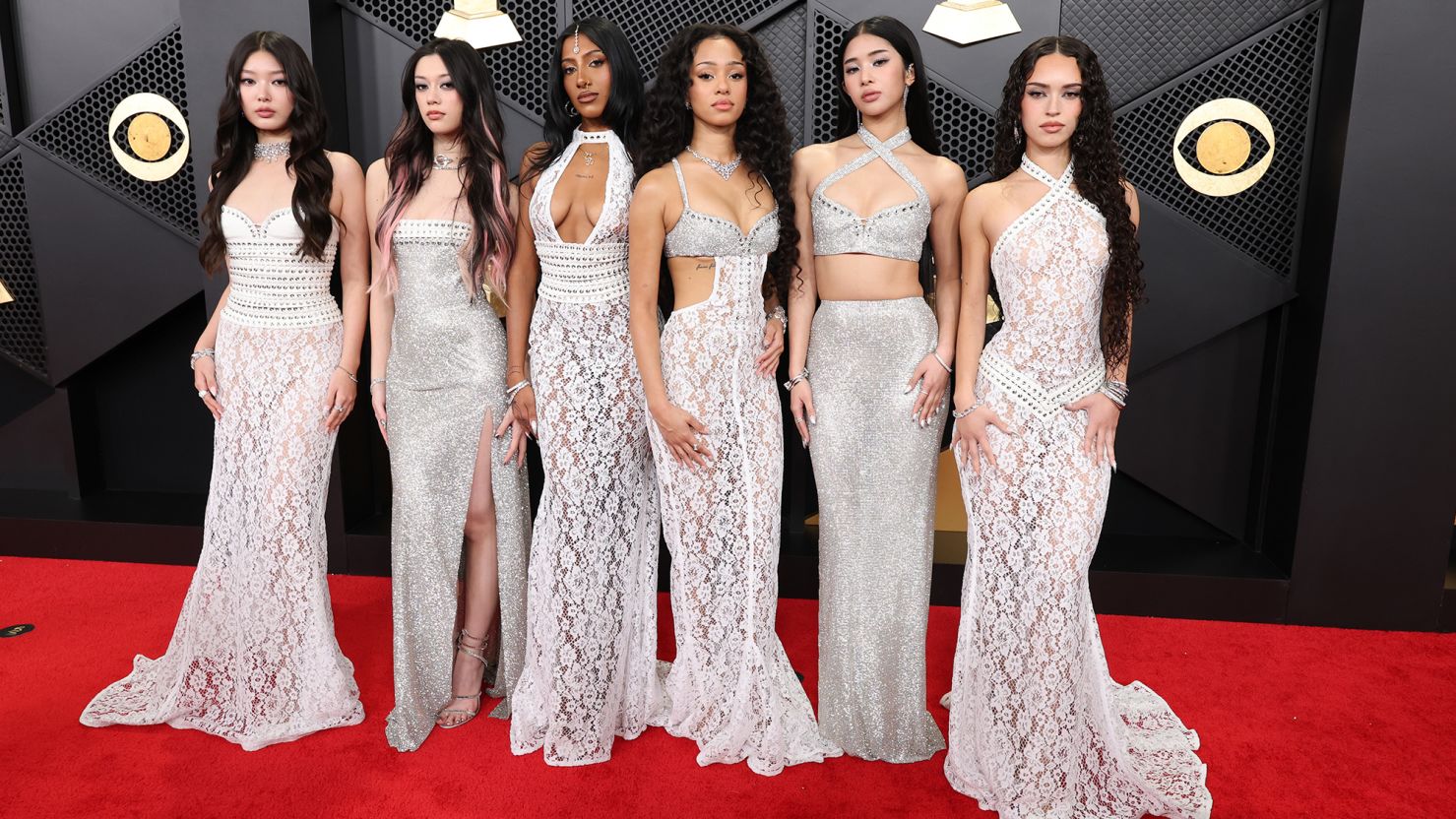
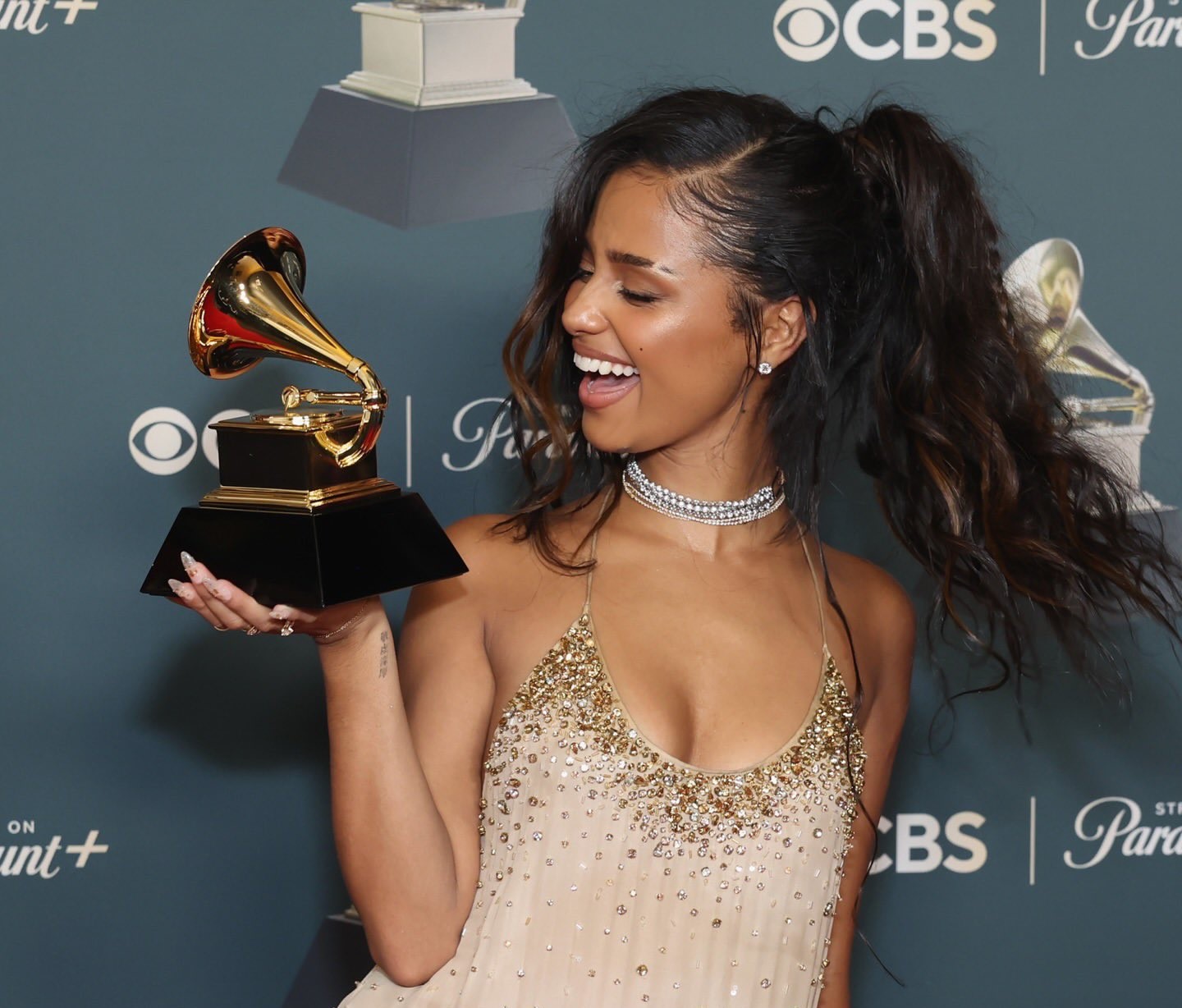
Grammy Awards red carpet ceremony with celebrities
Image: CNN

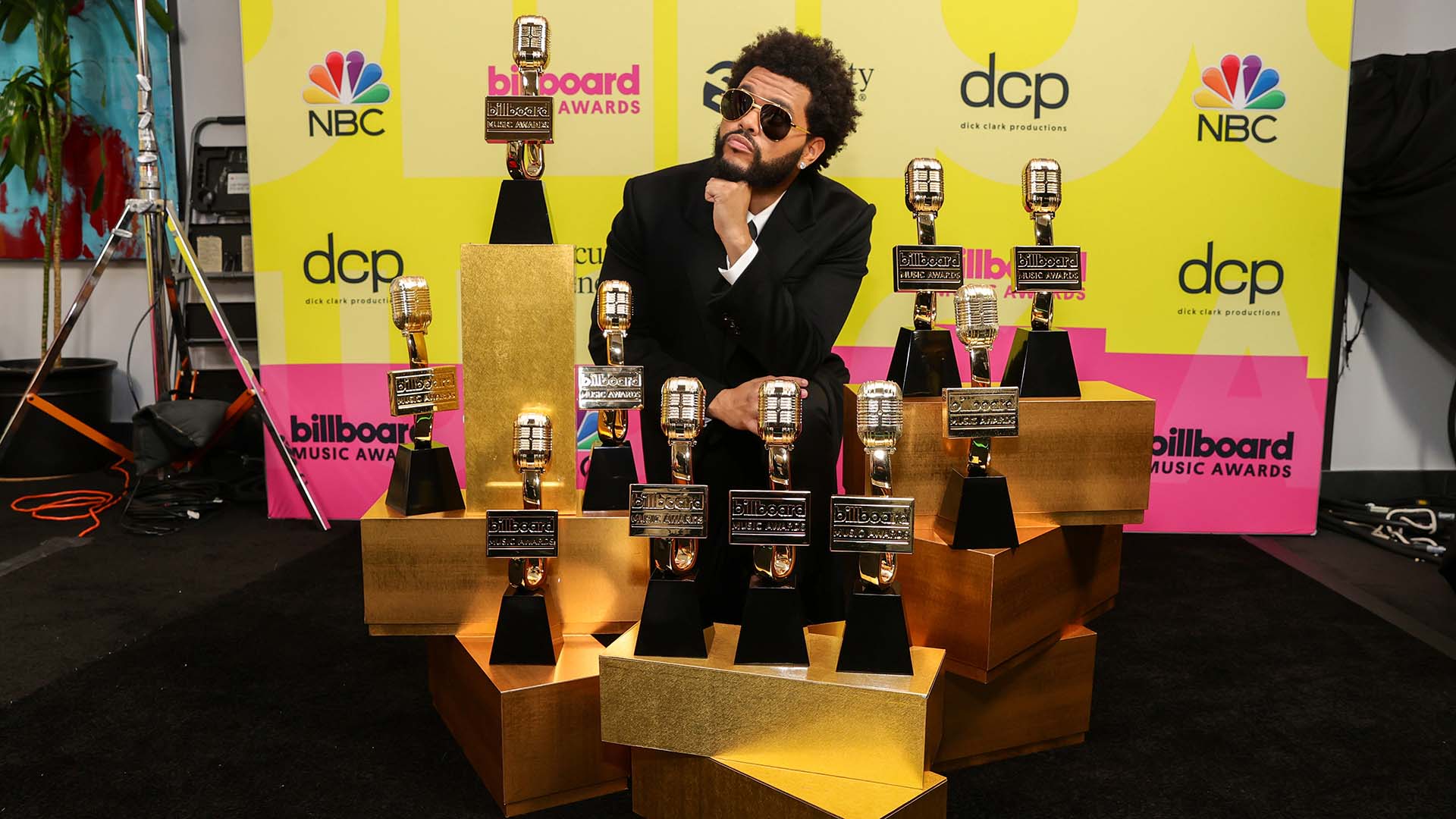
The music industry’s awards season kicks off each year with a bang, typically beginning in earnest during the winter months and reaching its crescendo with the Grammy Awards in late January or early February. This period represents far more than just celebration – it’s a crucial business opportunity where artists, labels, and industry executives converge to network, negotiate, and showcase their latest work to influential tastemakers. The Grammy Awards remain the crown jewel of music recognition, but the ecosystem includes numerous other significant ceremonies including the American Music Awards, Billboard Music Awards, and the increasingly important streaming-focused events that reflect our digital-first music consumption habits.

What makes awards season particularly fascinating in 2024 is how it’s adapting to represent the true diversity of today’s musical landscape. The inclusion of more global genres, the recognition of Afrobeats as a legitimate Grammy category, and the growing influence of social media metrics in determining winners all reflect an industry grappling with its own evolution. For emerging artists, particularly those from underrepresented genres or regions, awards season has become less about winning and more about visibility – a single performance or nomination can translate into streaming spikes, festival bookings, and international touring opportunities that were previously unimaginable.

Festival Circuit: Where Music Comes Alive
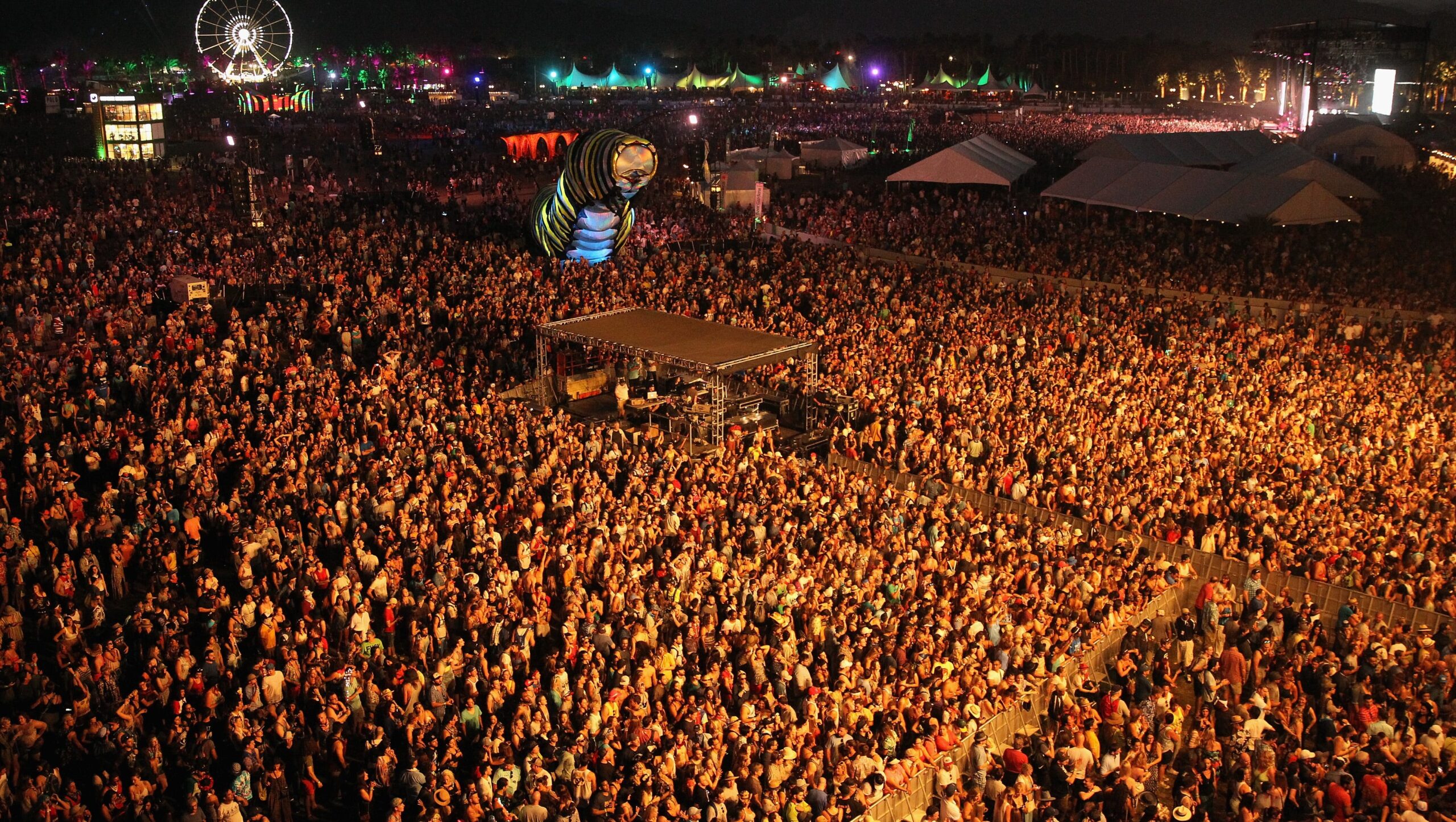
Coachella music festival main stage with crowd
Image: The Desert Sun

The festival circuit represents perhaps the most democratizing force in modern music, offering artists of all sizes the opportunity to reach new audiences while providing fans with curated experiences that go far beyond traditional concerts. Starting with the winter’s smaller, genre-specific festivals and building toward summer’s massive multi-day events like Coachella, Lollapalooza, and Bonnaroo, this circuit has become essential for artist development and fan engagement. The festival landscape has exploded globally, with major events now spanning every continent and representing virtually every musical genre imaginable, from electronic dance music gatherings in European fields to Afrobeats festivals drawing hundreds of thousands across West Africa.

The business implications of festival season cannot be overstated. A well-placed festival performance can serve as a launching pad for an entire career, while headlining slots represent the culmination of years of strategic planning and audience building. For industry professionals, festivals serve as massive networking hubs where deals are made, collaborations are born, and trends are identified months before they hit mainstream consciousness. The rise of festival livestreaming has also created new revenue streams and global reach opportunities, allowing artists to connect with fans who may never have the chance to attend in person while providing festivals with additional monetization beyond ticket sales and sponsorships.

Industry Conferences and Business Events
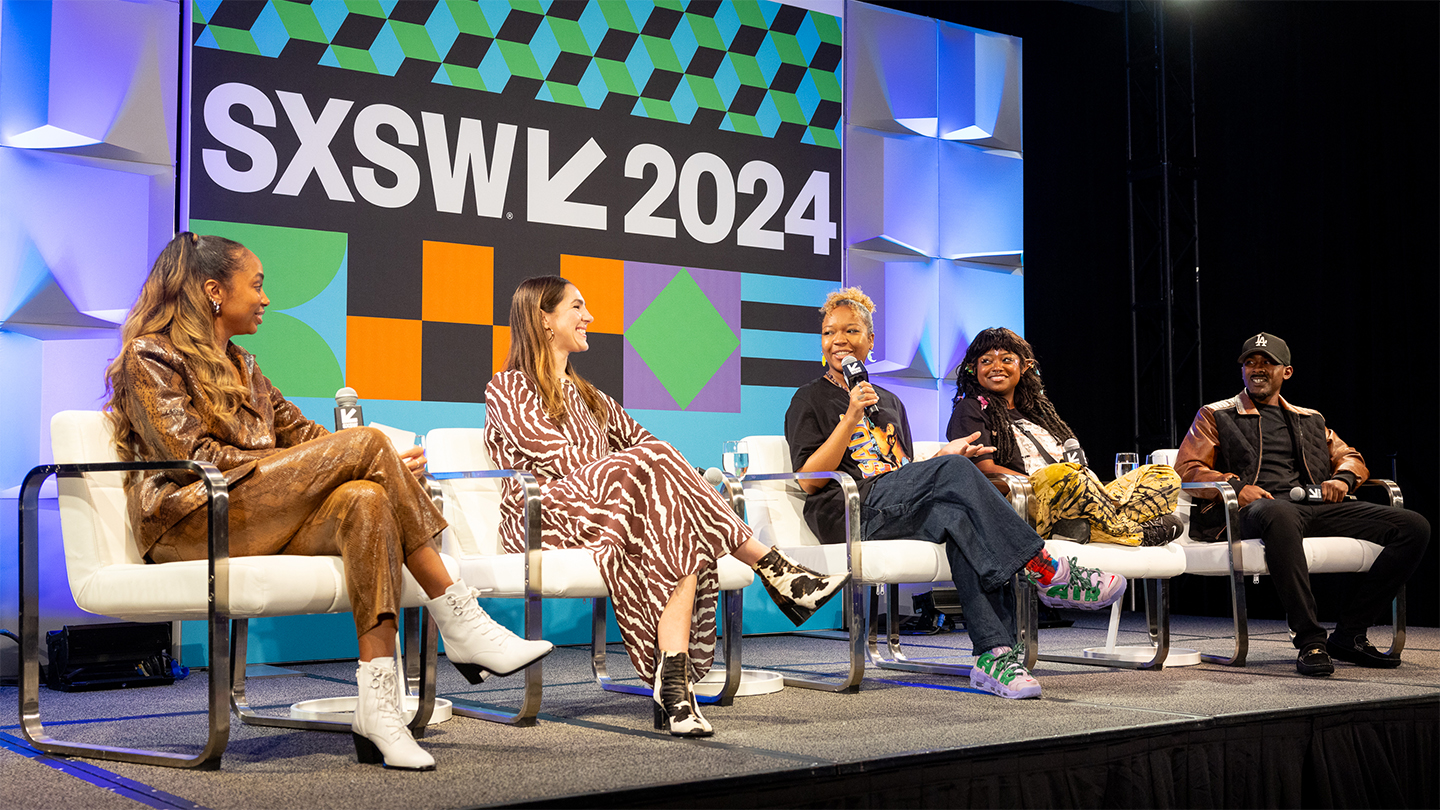
SXSW music conference networking event
Image: SXSW

Behind the glamour of awards shows and festivals lies the nuts-and-bolts business of music, which comes together most visibly during the industry’s major conference season. Events like South by Southwest (SXSW), MIDEM, Music Biz, and the ASCAP Expo serve as crucial gathering points where the business side of music takes center stage. These conferences have evolved dramatically in recent years, shifting focus from traditional record industry concerns to addressing the realities of streaming economics, social media marketing, sync licensing, and the complexities of global music distribution in an increasingly connected world.
Advertisement

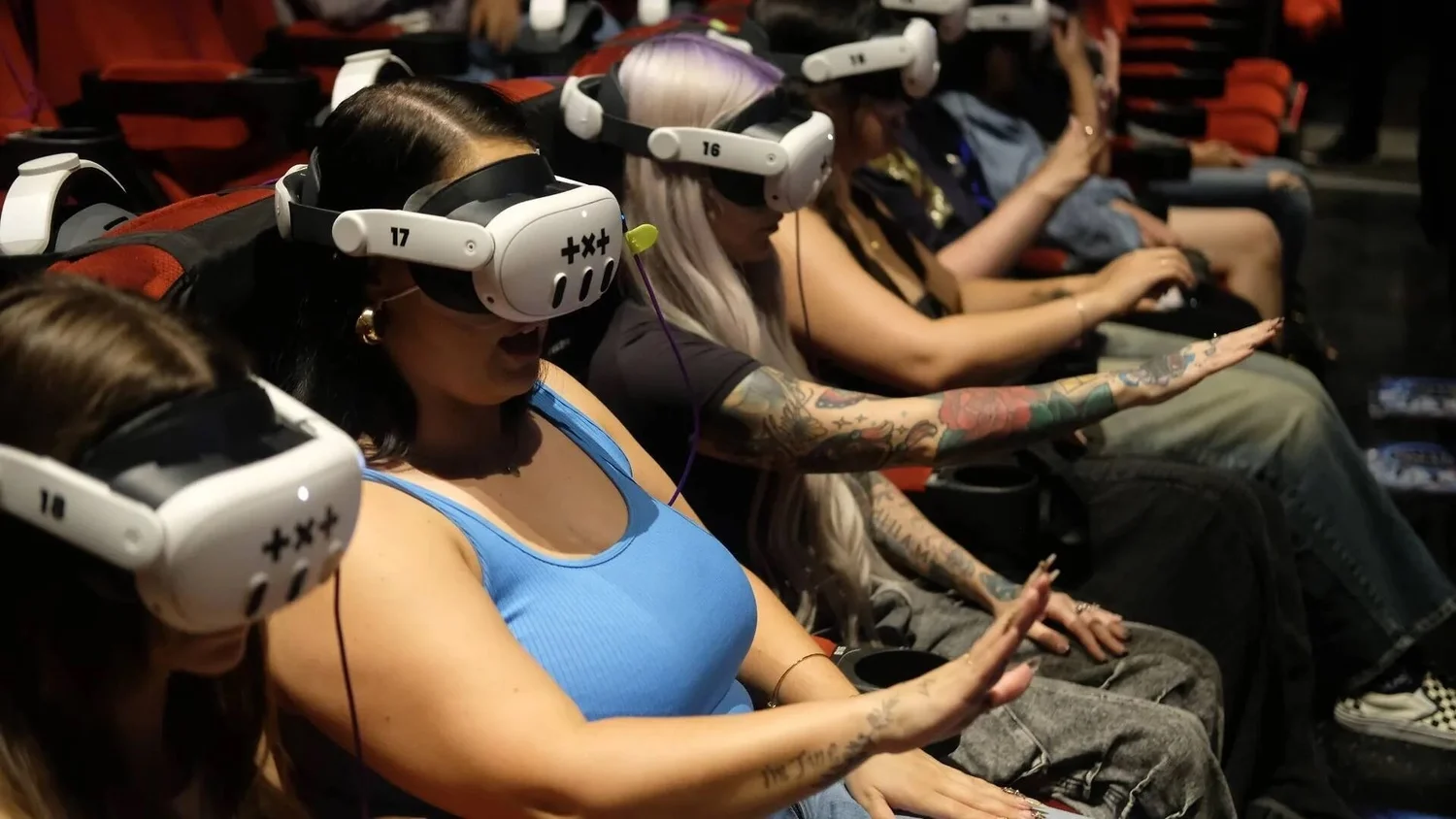
The conference circuit has also become essential for understanding emerging markets and technologies that will shape music’s future. Sessions on artificial intelligence in music creation, blockchain technology for artist royalties, and virtual reality concert experiences are no longer futuristic speculation but practical business discussions with immediate applications. For independent artists and smaller industry players, these events provide access to knowledge and networking opportunities that were once reserved for major label executives, democratizing access to industry expertise and creating new pathways for career development that bypass traditional gatekeepers.

Global Music Events and Afrobeats’ Rising Influence

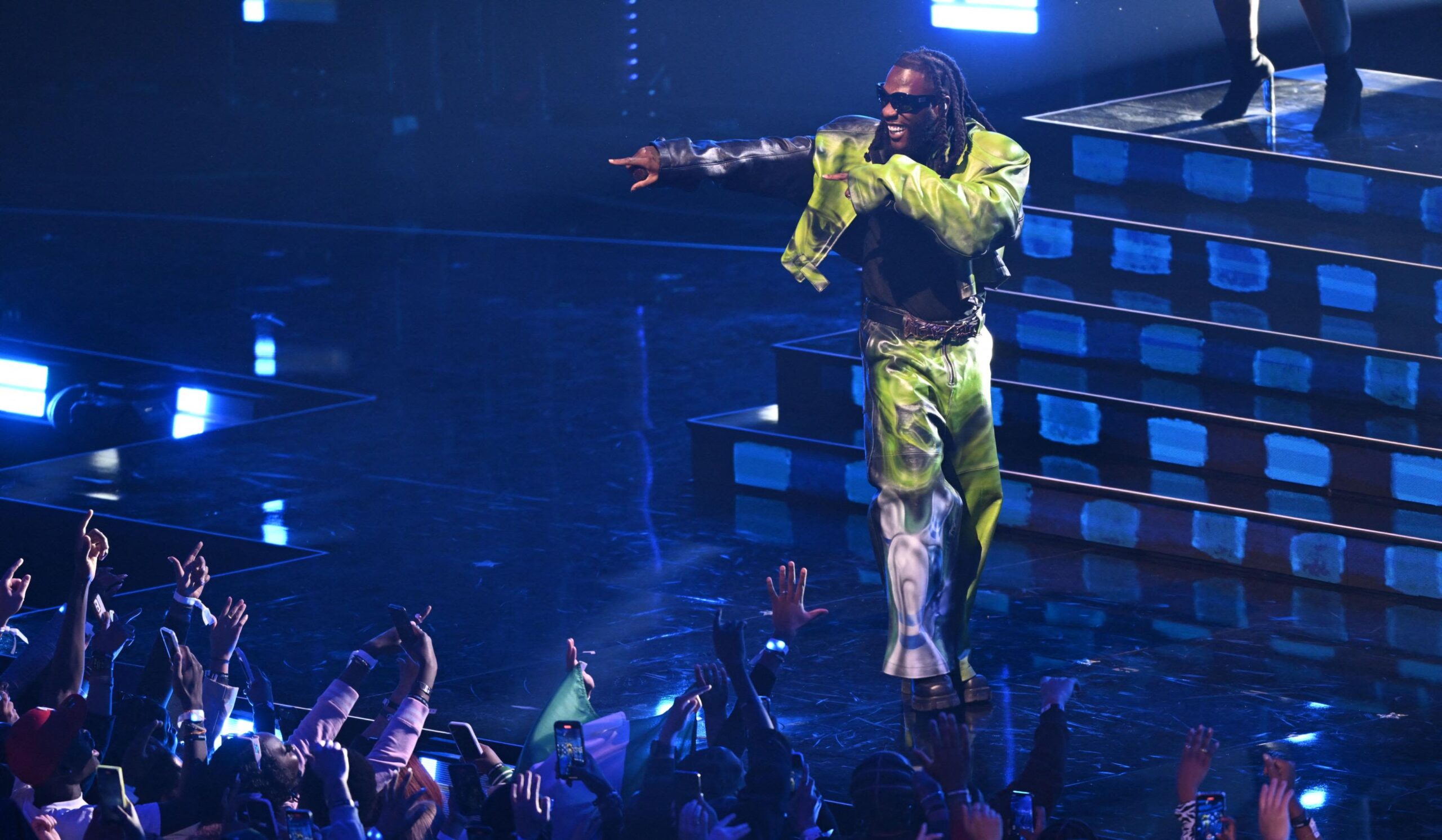
Burna Boy performing at Afrobeats concert
Image: CNN

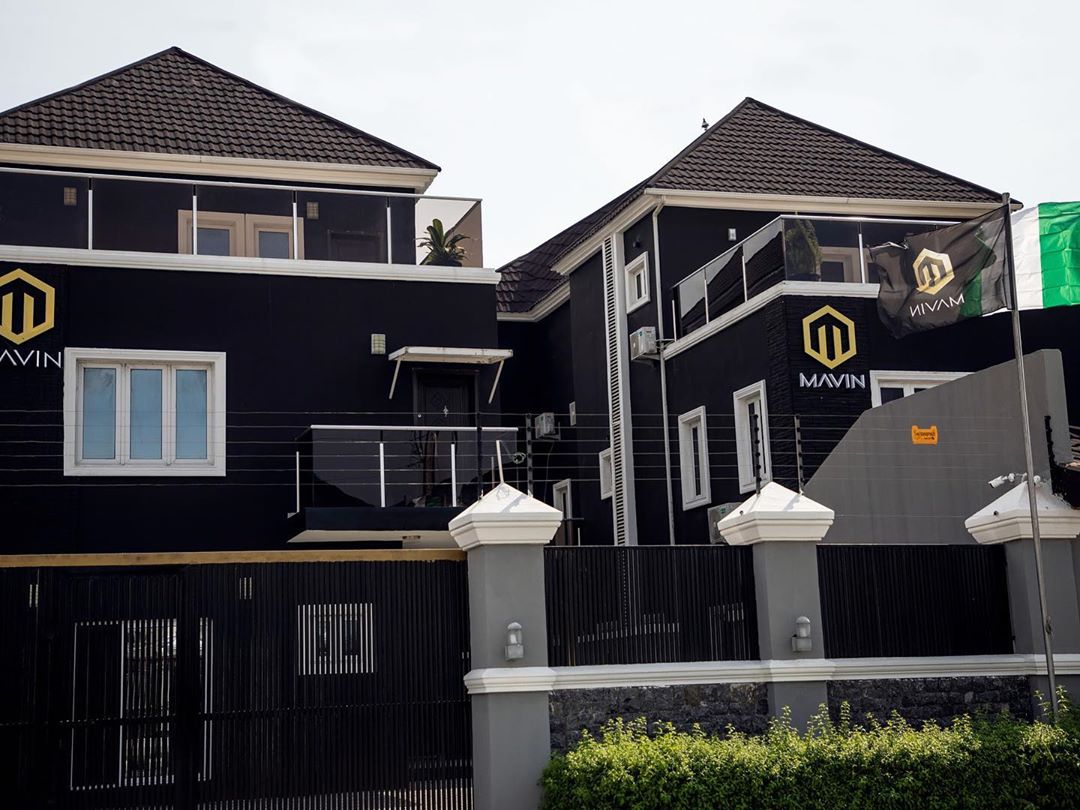
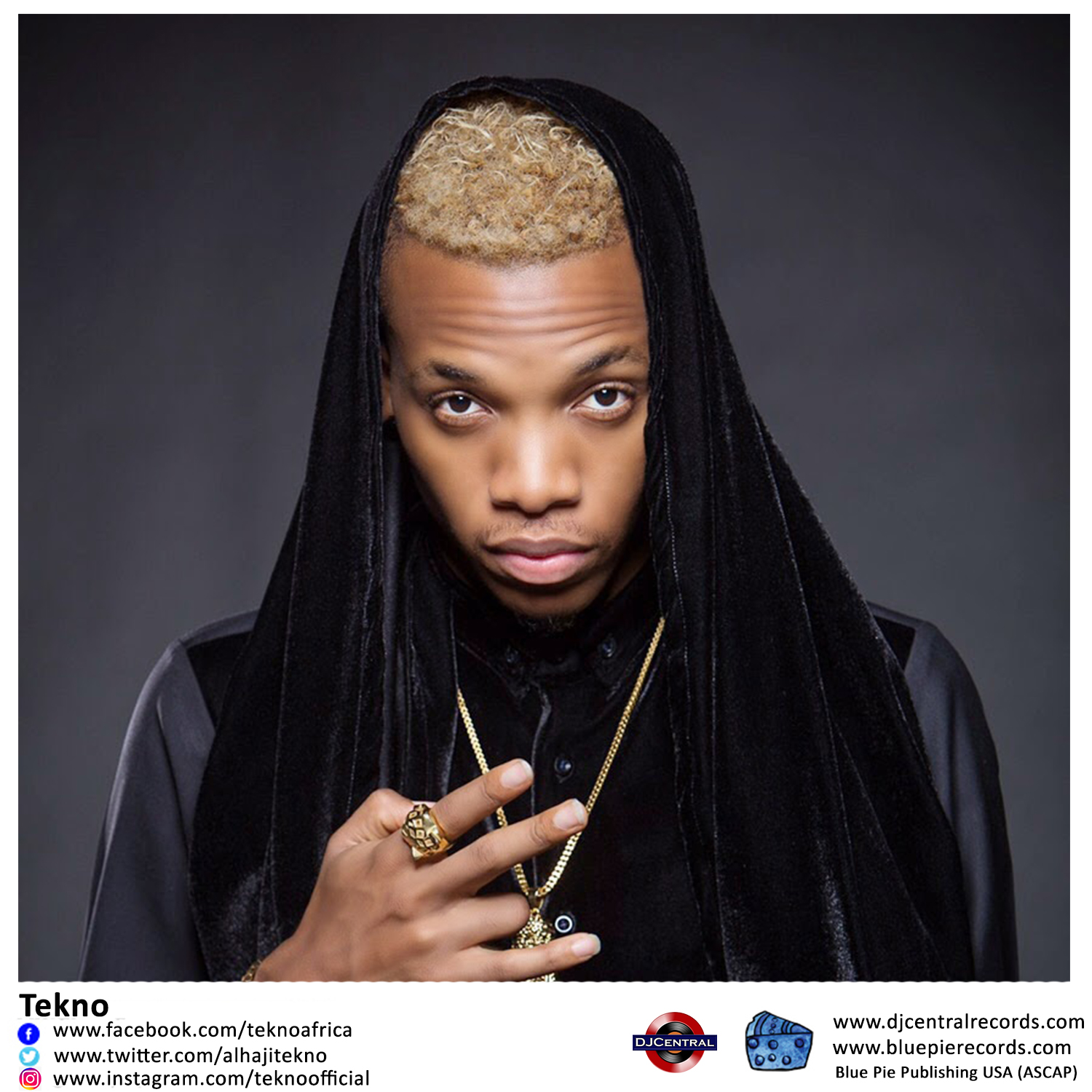
The global expansion of music industry events reflects the genre’s increasingly international nature, with Afrobeats leading the charge in demonstrating how regional sounds can achieve worldwide impact. Events like the Headies in Nigeria, Ghana Music Awards, and the rapidly growing Afronation festival circuit have evolved from regional celebrations to international industry gatherings that attract global executives, artists, and media. This shift represents more than just geographic expansion – it signals a fundamental change in how the industry identifies and develops talent, moving away from Western-centric models toward a more inclusive approach that recognizes the commercial and cultural value of diverse musical traditions.

The influence of Afrobeats and other global genres has also transformed traditional Western events, with major festivals now actively seeking African artists and European conferences dedicating entire tracks to emerging markets. Artists like Burna Boy, Wizkid, and Davido haven’t just achieved individual success – they’ve opened doors for an entire generation of African artists while forcing the industry to reconsider its assumptions about audience preferences and market potential. This global perspective is reshaping event programming, partnership strategies, and even the timing of releases as labels and artists recognize that success increasingly requires thinking beyond traditional regional boundaries.

Virtual reality music concert experience technology
Image: Arts Management and Technology Lab

The music industry’s event calendar is being reshaped by technological innovations and changing consumer behaviors that were accelerated by the pandemic but have now become permanent fixtures of the landscape. Virtual and hybrid events have evolved from emergency solutions to sophisticated experiences that offer unique value propositions, from intimate livestreamed acoustic sessions to elaborate virtual reality concert experiences that allow for interaction impossible in physical venues. These developments aren’t replacing traditional events but rather expanding the ecosystem, creating year-round opportunities for artist-fan connection that complement rather than compete with in-person gatherings.

Sustainability has also emerged as a crucial consideration in event planning, with major festivals implementing comprehensive environmental strategies and conferences adopting carbon-neutral policies. This shift reflects both genuine environmental concern and smart business practices, as younger audiences increasingly factor sustainability into their entertainment choices. The integration of social media and real-time content creation into events has transformed them from discrete experiences into ongoing content opportunities, with artists and organizers thinking strategically about how event moments can generate viral content, drive streaming numbers, and create lasting digital assets that extend an event’s impact far beyond its original timeframe.

Looking ahead, the music industry’s event calendar will continue evolving to reflect the global, digital, and increasingly diverse nature of contemporary music. The most successful events will be those that embrace this complexity while maintaining the essential human connections that make music such a powerful cultural force. Whether it’s a Grammy stage, a festival field, or a virtual reality headset, the best music events create moments of shared experience that remind us why music matters – and why the industry’s careful orchestration of these moments will always be worth following.

Advertisement
Share
Get the recap

Loved this story? Get more like it.

Join readers who get our weekly entertainment recap - the stories worth your time, delivered every Friday.

No spam. Unsubscribe anytime. By signing up you agree to our Privacy Policy.

Your Ultimate Guide to Billboard... | Sidomex Entertainment