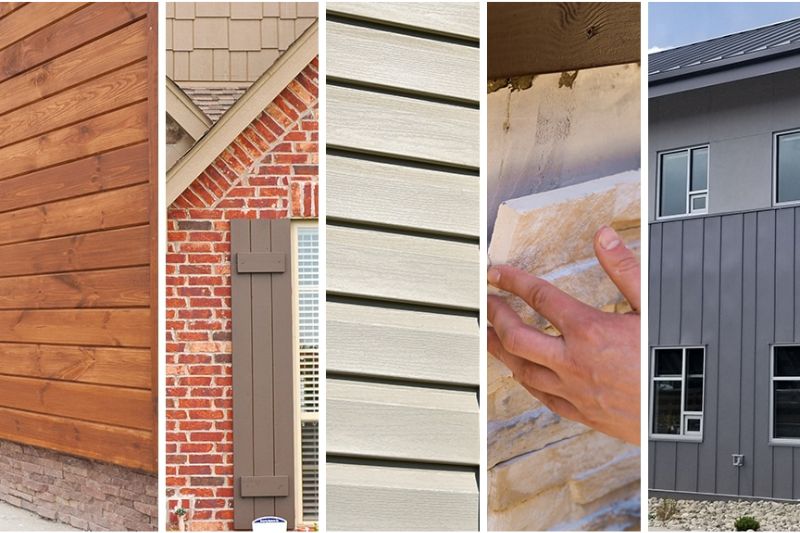
When choosing exterior siding for a building, the options are plentiful, each with its own attributes and drawbacks.
From the rustic allure of wood to the cost-effectiveness of vinyl, the durability of fiber cement, or the eco-friendliness of reclaimed materials, the choice often boils down to a mix of aesthetic preferences, budget constraints, maintenance requirements, and sustainability concerns.
This article sheds light on the various aspects of exterior cladding materials, providing a comprehensive comparison to assist in making an informed decision.
Overview of Siding Types
Multiple types of siding are available, each of which offers advantages and disadvantages that must be considered. Here are a few of the most popular options, according to professionals at Mighty Dog Roofing in Centennial, Colorado.
- Vinyl - Vinyl siding is popular because it’s economical and easy to maintain. It’s also available in various colors and textures, including simulated wood grain. On the downside, vinyl can’t be painted and can fade or warp over time due to weather exposure.
- Wood - Wood is a classic siding material that’s aesthetically pleasing and relatively easy to install. However, it requires regular maintenance, such as painting or staining, and it can be prone to rot if not properly cared for.
- Fiber Cement - Fiber cement provides an attractive look with all the durability of brick or stone without the hefty price tag. It’s also resistant to insect damage, fire, and extreme temperatures. However, installation can be labor-intensive and expensive.
- Reclaimed Materials - Reclaimed materials are eco-friendly and can add unique character to a home or business. They may include wood siding salvaged from old barns or other buildings, brick pulled from demolition sites, or stone extracted
- Brick - Brick is a classic siding option that can last for decades. It’s non-combustible and requires minimal maintenance, but it can be expensive to install due to the amount of labor involved.
- Stone - Stone siding adds a unique, rustic touch to a building’s exterior. It’s very durable and low-maintenance, but finding the right type of stone for certain climates can be difficult.
Cost Comparison
The cost of siding materials varies widely, depending on your desired type and quantity. Some are more expensive up front, while others require more costly maintenance over time.
The good thing is that professionals can make a cost estimate, giving you an idea of how much it would cost to install either siding.
Maintenance Requirements
The maintenance required for each siding type is also an important factor to consider. Vinyl and fiber cement typically require the least upkeep, as these materials don’t need to be painted or stained like wood.
Brick and stone may require occasional repointing, while reclaimed materials will depend largely on their condition before installation. h