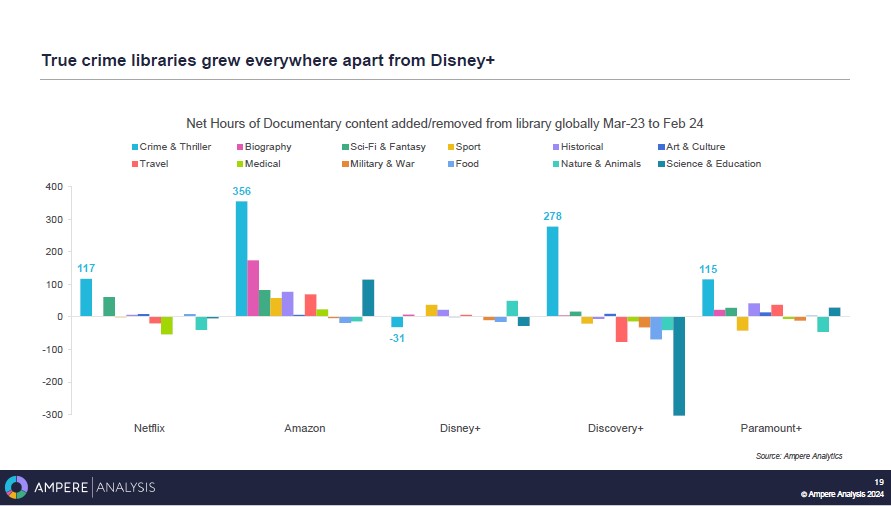


Table of Contents
- A Tragic Night That Changed Austin Forever
- The Investigation That Stumped Authorities
- From Local Tragedy to National Obsession
- The Entertainment Industry’s Fascination
- Why the Case Continues to Captivate Audiences
A Tragic Night That Changed Austin Forever

In the landscape of American true crime, few cases have maintained their grip on the public imagination quite like the Austin yogurt shop murders. What began as an ordinary December evening in 1991 would transform into one of Texas’s most notorious unsolved mysteries, spawning documentaries, podcasts, books, and countless hours of television coverage. The case has become a cornerstone of true crime entertainment, demonstrating how real-life tragedies can evolve into cultural phenomena that captivate audiences decades later. The story centers around four teenage girls whose lives were cut tragically short, but it has grown into something much larger - a testament to our society’s complex relationship with crime, justice, and entertainment.
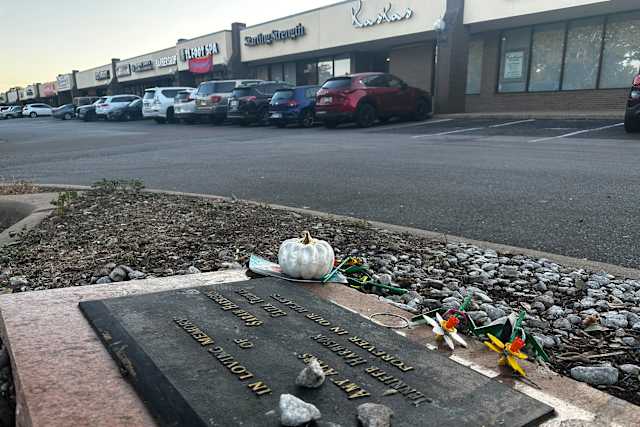
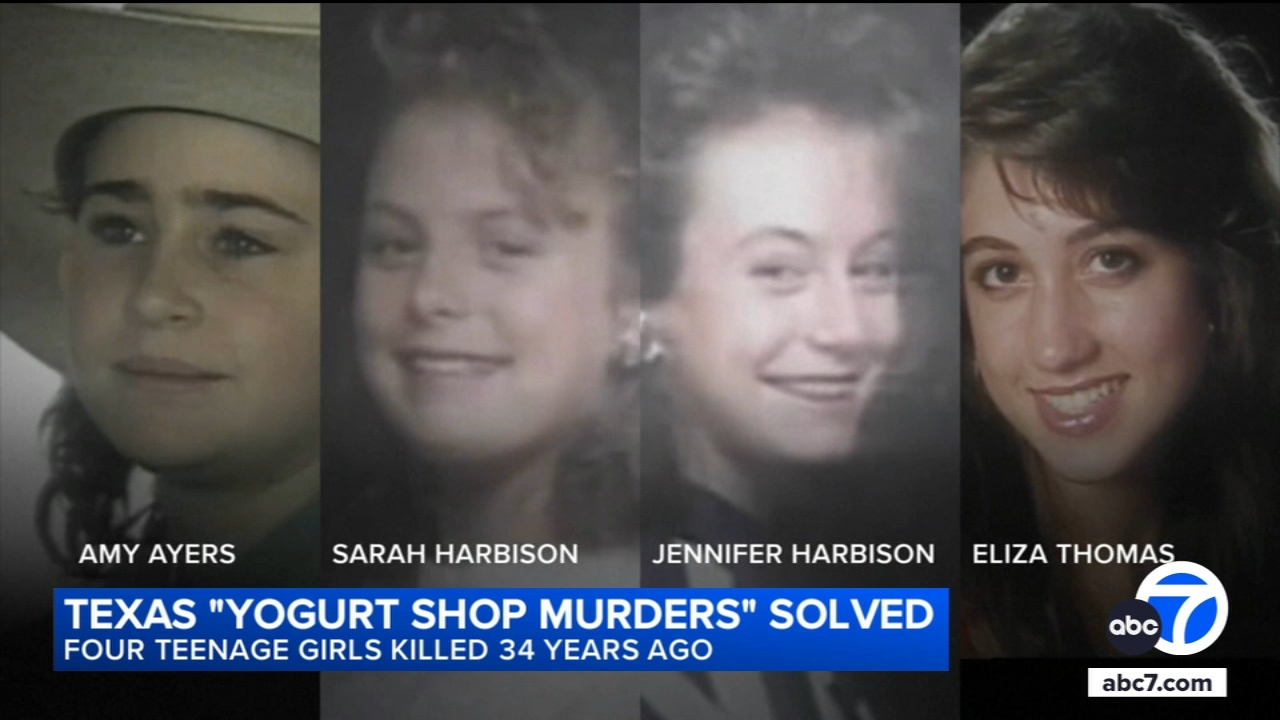
The victims - Jennifer Harbison, Eliza Thomas, Amy Ayers, and Sarah Harbison - were simply in the wrong place at the wrong time on December 6, 1991. What should have been a routine evening at work and hanging out with friends became a nightmare that would haunt Austin for generations. The case’s details are as chilling today as they were three decades ago, which explains why entertainment producers continue to revisit this story. The combination of young victims, a brutal crime, and a mystery that remains unsolved creates the perfect storm for true crime content that resonates with modern audiences who have an seemingly insatiable appetite for such stories.
The Investigation That Stumped Authorities
The complexity of the Austin yogurt shop case reads like a screenplay written for a crime thriller, complete with false leads, wrongful convictions, and a justice system pushed to its limits. The initial investigation faced numerous challenges that would later become fodder for true crime enthusiasts and entertainment producers. Evidence was compromised, witnesses provided conflicting accounts, and the pressure to solve such a high-profile case led to decisions that would later be questioned and analyzed in countless documentaries and news specials. The case became a perfect example of how real investigations don’t always follow the neat narrative arcs we see in fictional crime shows.
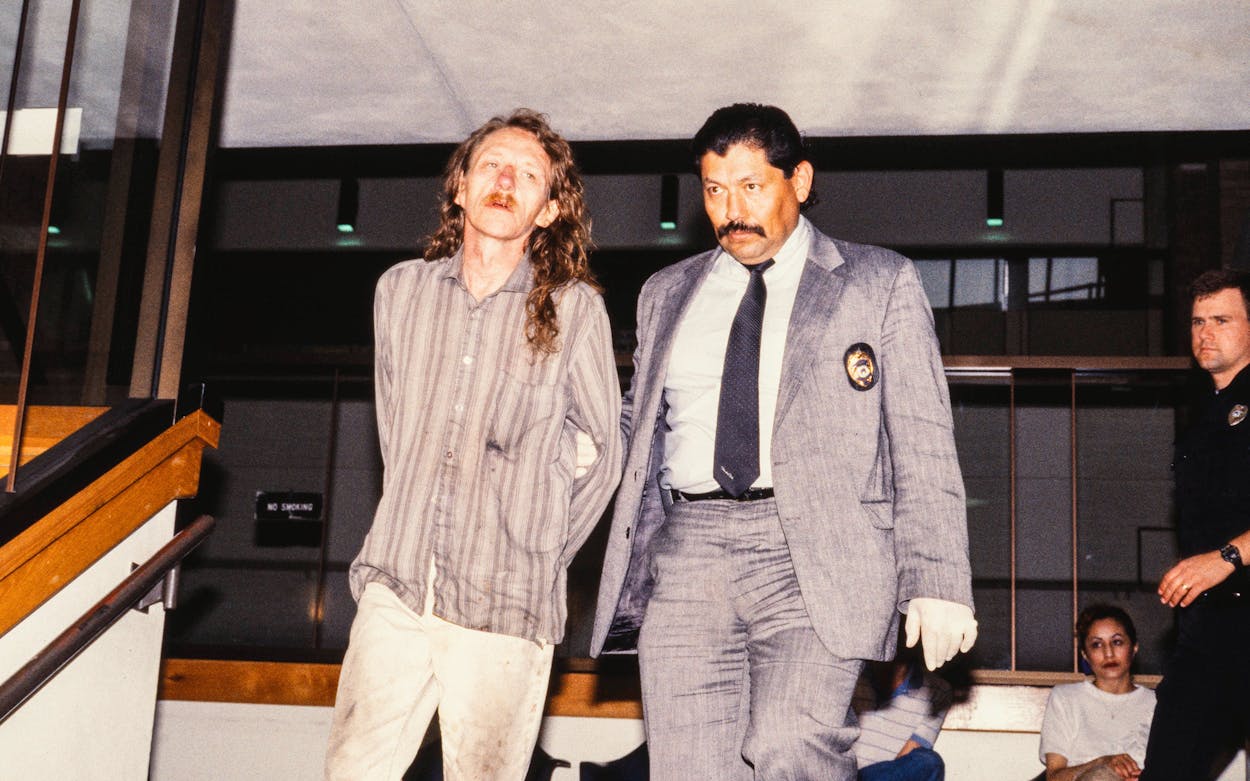
What makes this case particularly compelling for entertainment purposes is the series of dramatic twists that followed. Four men were eventually arrested and convicted, only to have their convictions overturned years later. This roller coaster of justice - or injustice, depending on one’s perspective - provides the kind of narrative complexity that true crime audiences crave. The wrongful conviction angle adds another layer of tragedy to an already devastating story, creating multiple victims and raising questions about the criminal justice system that continue to fuel discussions on talk shows, podcasts, and documentary features.
From Local Tragedy to National Obsession
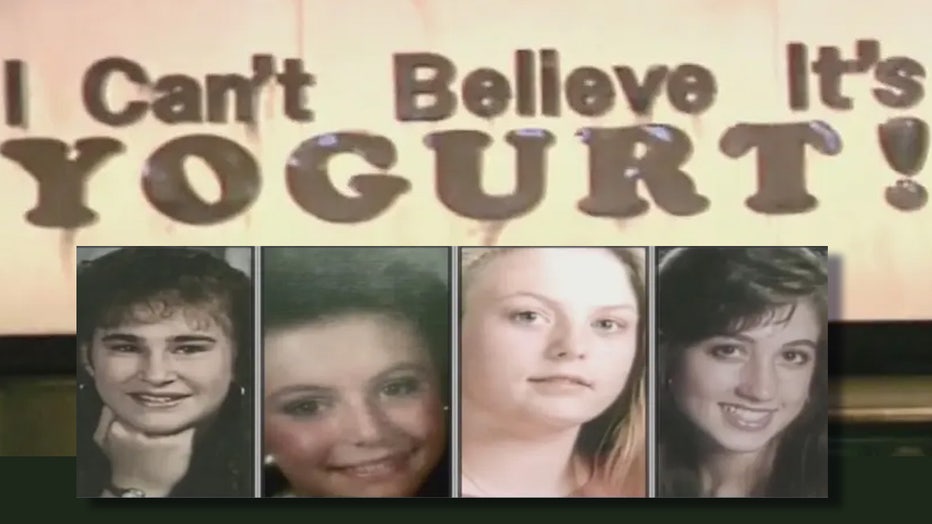
The transformation of the Austin yogurt shop murders from a local tragedy into a national true crime sensation reflects broader changes in American entertainment consumption. In the 1990s, the case was primarily covered by local and regional news outlets, but the rise of cable television, the internet, and eventually streaming platforms gave the story new life and broader reach. Shows like “Unsolved Mysteries,” “48 Hours,” and later, podcasts like “Serial” and “My Favorite Murder,” helped create an audience hungry for exactly this type of content. The case became a template for how unsolved crimes could be packaged as entertainment while still maintaining a sense of respect for the victims and their families.
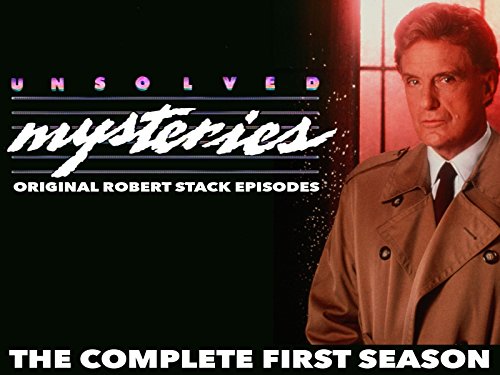
The entertainment industry’s approach to the yogurt shop murders has evolved significantly over the decades. Early coverage focused heavily on the investigative aspects and the search for justice. However, as true crime became more sophisticated as a genre, productions began exploring the psychological aspects, the impact on the community, and the broader implications for criminal justice reform. This evolution mirrors the maturation of true crime as a legitimate form of entertainment, moving beyond simple “whodunit” formats to explore deeper themes about society, justice, and human nature.