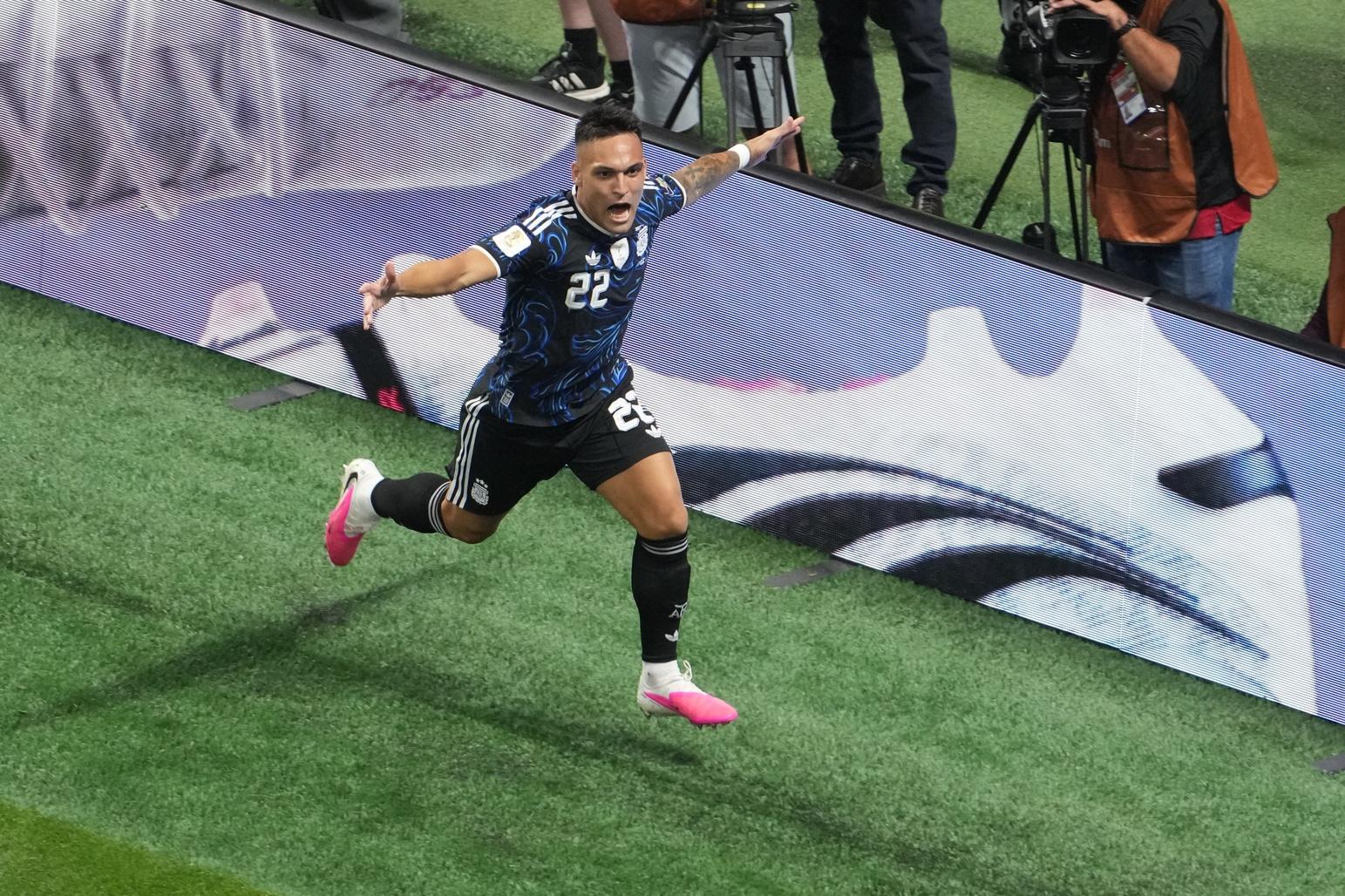


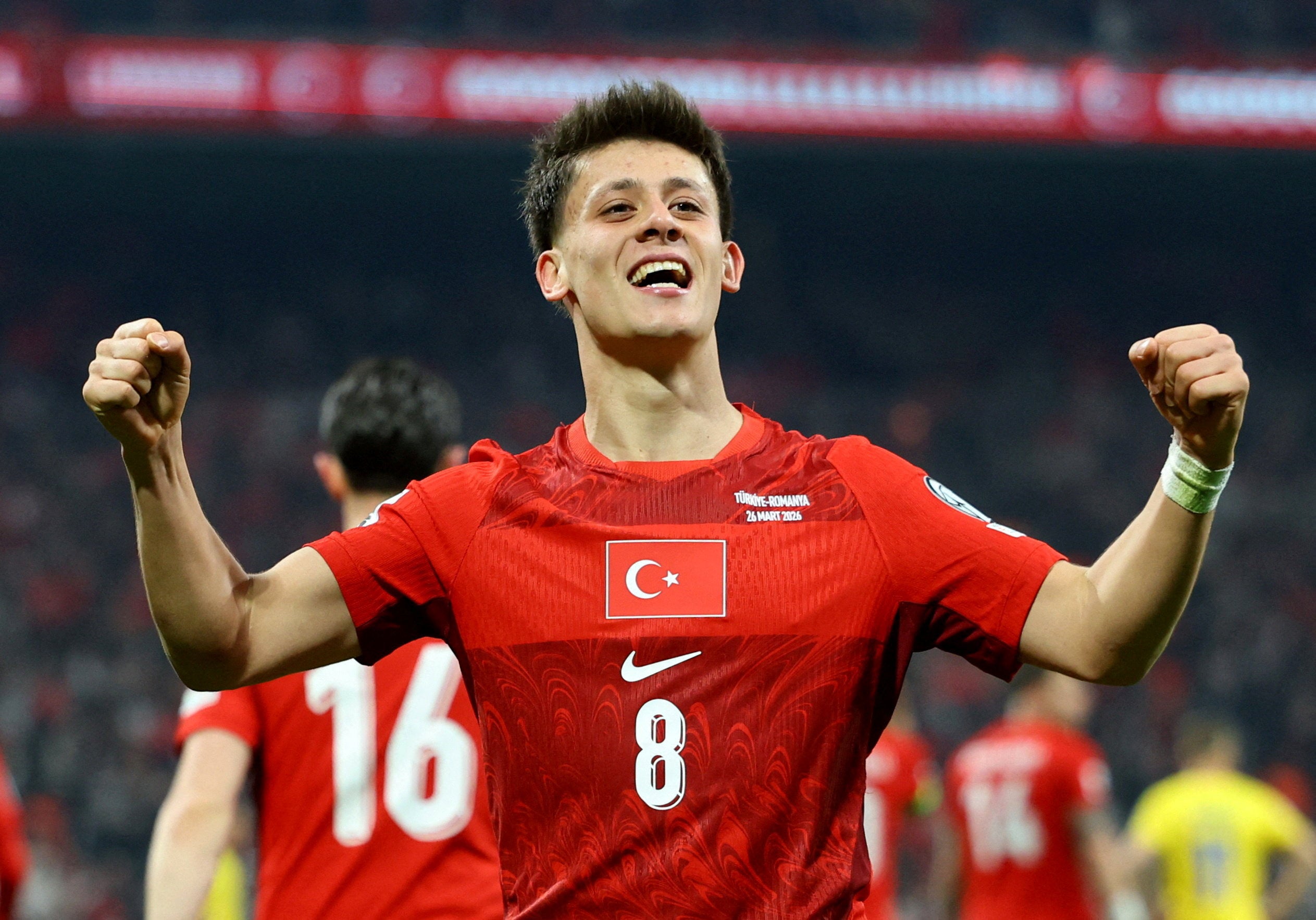
Picture a 19-year-old stepping onto a major tournament stage for the very first time, cutting in from the right flank, and bending a shot into the top corner that silences a stadium and ignites a nation. That moment happened at Euro 2024, when a slight, left-footed playmaker from Ankara announced himself to the football world with a strike against Georgia that travelled around the planet within minutes. The boy who scored it was not supposed to be the story of that tournament, yet he became one of its defining images and one of its most replayed clips. By 2026, that same player wears the white of Real Madrid and orchestrates attacks for one of the most demanding clubs in the sport. His name carries weight now, and the journey behind it offers a roadmap that resonates far beyond Turkey, reaching all the way to the academies of Lagos, Accra and Dakar where the next wave of prodigies is dreaming the same dream.
From Ankara Streets to the Fenerbahce Academy
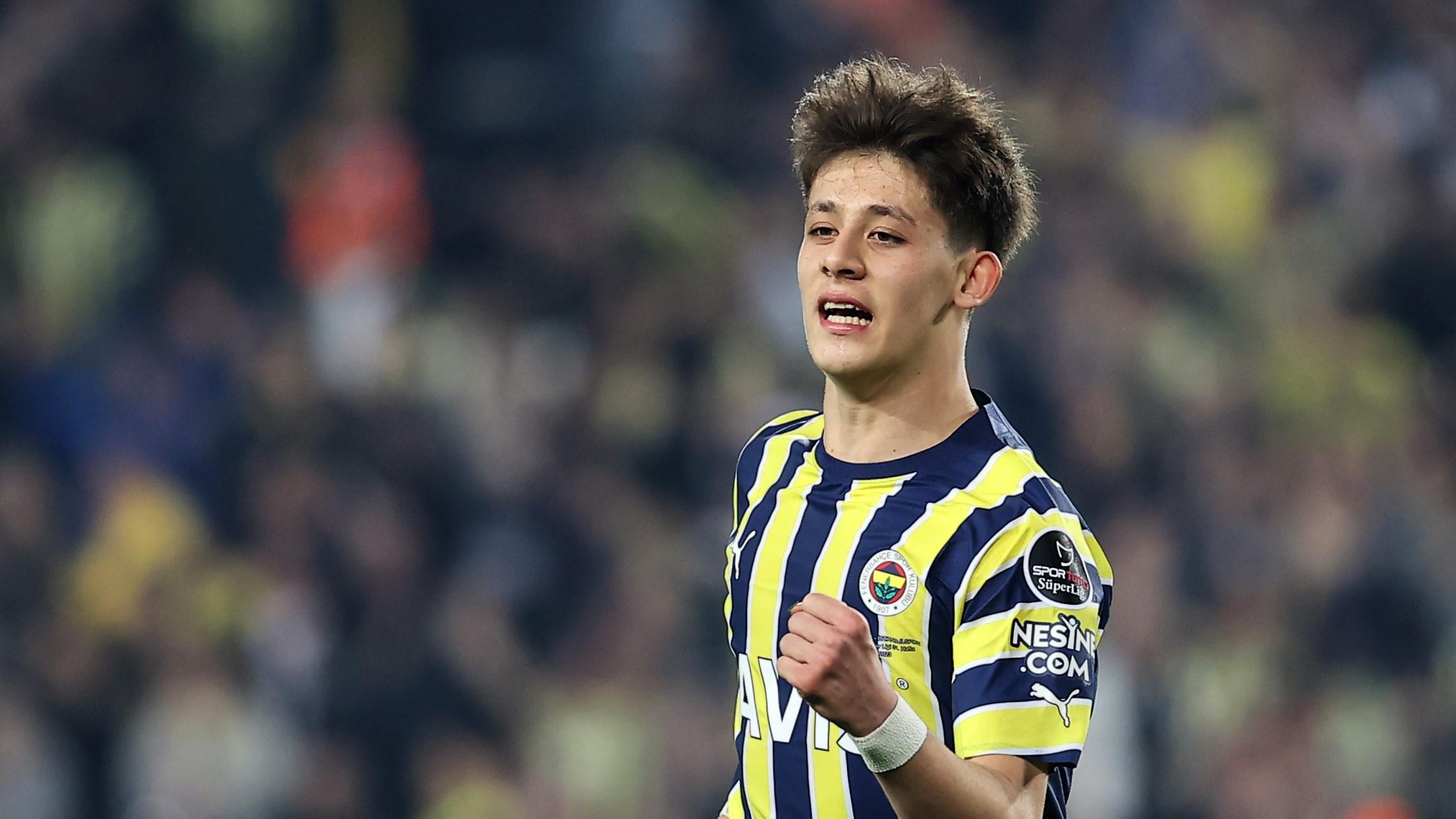
Born on 25 February 2005 in Ankara, the Turkish capital, Arda Guler grew up in a country where football is closer to a religion than a pastime. He was not a product of a glamorous European pipeline or an elite international scouting network that plucks children from across continents. He was a local kid whose talent was nurtured inside the Fenerbahce academy, one of the most storied youth systems in Turkish football and a factory that has long fed the national team. The pathway from a regional childhood to a top-flight academy is not a smooth conveyor belt, and Guler had to earn each step through technical ability that set him apart from peers who were often bigger, faster and physically stronger. What the Fenerbahce coaches saw early was a player who treated the ball like an extension of his own thinking, comfortable in tight spaces where others panicked and rushed.
His senior breakthrough came faster than anyone expected. Guler broke into the Fenerbahce first team as a teenager and went on to become the youngest goalscorer in the club’s history, a record that immediately marked him as something rare in a league that does not hand out praise cheaply. He made his senior debut as a substitute against Finnish side HJK in a Europa League play-off encounter at the Sukru Saracoglu Stadium in August 2021, before he had even turned 17. For a club with the history and pressure of Fenerbahce, handing a teenager that kind of responsibility is not a casual decision taken lightly. It signalled that the coaching staff trusted his maturity as much as his feet, a combination that scouts across Europe quickly took notice of. Within two seasons the biggest names in the sport were monitoring a player who had barely begun to shave, and the whispers about his future grew louder with every appearance.
The Move That Changed Everything
In the summer of 2023, Real Madrid moved to sign Guler from Fenerbahce, and the deal placed the teenager among the most coveted young talents on the continent. Reports at the time indicated an initial fee reported to be roughly 20 million euros, with the structure including add-ons and performance clauses that could push the total package higher over the life of the contract. Several outlets noted that the full value, once variables were met, was estimated at around 30 million euros. For an 18-year-old who had played only a handful of senior seasons, those numbers reflected the scale of belief in his ceiling rather than what he had already proven on the pitch. Real Madrid does not gamble lightly on youth, and the club beat off competition from other European heavyweights to secure his signature, which made the pursuit a statement in itself.
The transfer was both an opportunity and a trap that has swallowed many gifted teenagers before him. Arriving at a club stacked with established internationals meant that minutes were never guaranteed, and the early period under Carlo Ancelotti tested his patience to its limits. Injuries interrupted his momentum at crucial moments and the tactical competition for places was fierce, which kept him on the margins more often than his admirers wanted to see. Many young players sign for giants and quietly fade, buried beneath squad depth and the relentless demand for instant results that leaves little room for slow development. Guler’s first two seasons in Madrid were a reminder that talent alone does not guarantee a starting role, and that the hardest part of arriving at the top is staying there once the novelty has worn off. There were stretches when even his most devoted supporters wondered whether the move had come too soon.
Breaking Through as Madrid’s Creative Conductor

The turning point arrived in the 2025-26 campaign, when a managerial change reshaped Guler’s role and finally gave him the platform his ability deserved. Under Xabi Alonso, Guler emerged as a central creative force, often deployed as the team’s playmaking number 10 rather than a peripheral wide option drifting in and out of games. The numbers from that season tell the story of a player who had stopped waiting for chances and started creating them for others. Across the campaign he registered meaningful goal involvements, with reports crediting him with several goals and a healthy double-digit assist tally as one of the side’s primary creators. His average match ratings placed him among the more reliable performers in the squad, a sharp contrast to the fragmented minutes of his earlier years. For a club that measures everything in trophies, becoming indispensable in a single season is a rare and telling achievement.
What makes Guler so watchable is the way he plays rather than simply the output on a statistics sheet. He is a left-footed attacking midfielder who can drift to the right flank and cut inside onto his stronger foot, a movement that defenders know is coming yet still struggle to stop in time. His game is built on vision, short-passing precision and set-piece delivery, the kind of skills that do not fade with age and tend to define a long and influential career. Analysts have repeatedly highlighted his composure in congested areas, his ability to slow a game down and then accelerate it with a single disguised pass. He is not a player who relies on raw pace or physical dominance, which is precisely why his style travels so well across leagues, formations and generations. In an era obsessed with athleticism, he is a reminder that intelligence and touch remain the rarest and most valuable currencies in football.