

Table of Contents
- A Shocking Revelation
- The Silent Struggle Behind Hollywood Glamour
- Navigating Career Highs During Health Lows
- Breaking the Silence on Celebrity Health Struggles
- Recovery and Moving Forward
A Shocking Revelation

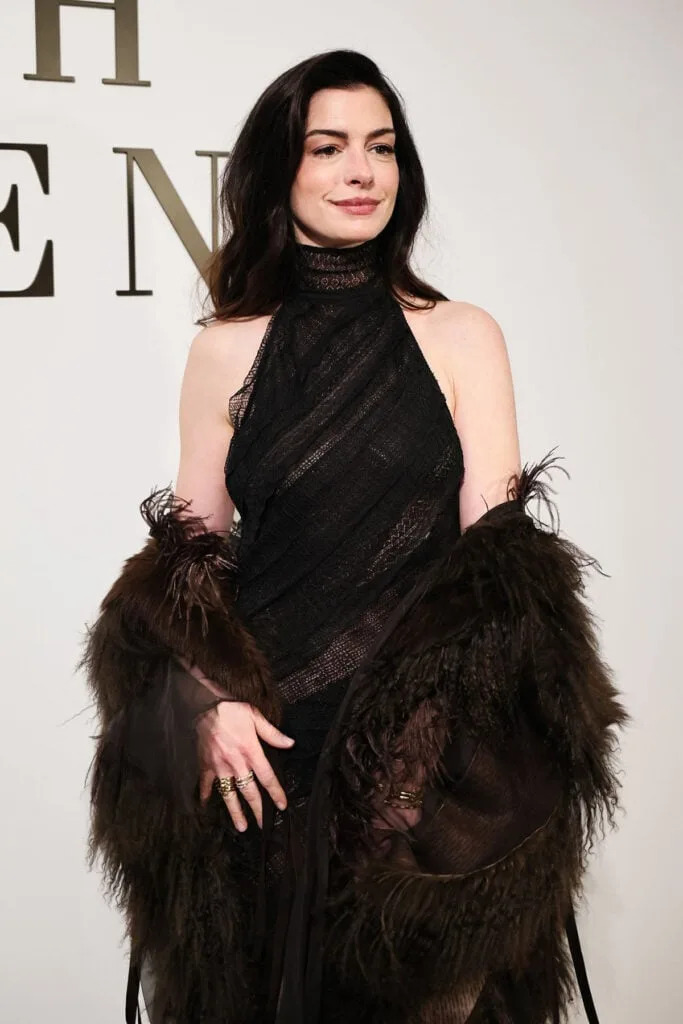
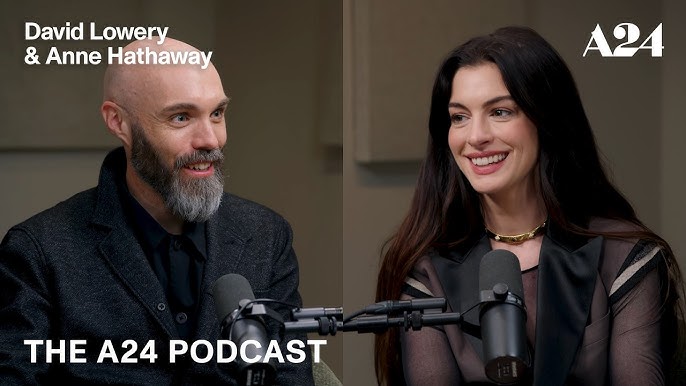
In an industry where maintaining a perfect public image often takes precedence over personal struggles, Anne Hathaway’s recent revelation has sent shockwaves through Hollywood and beyond. The beloved Oscar-winning actress, known for her roles in “The Devil Wears Prada,” “Les Misérables,” and the upcoming “The Devil Wears Prada 2,” courageously opened up about a deeply personal medical battle that remained hidden from the public eye for an entire decade. During her candid appearance on The New York Times’ popular “Popcast” podcast, Hathaway disclosed that she suffered from a serious medical condition throughout her thirties that severely impacted her vision, bringing her dangerously close to blindness. The admission has not only surprised fans worldwide but has also sparked important conversations about the pressures celebrities face to conceal their health struggles while maintaining demanding career schedules.
The Silent Struggle Behind Hollywood Glamour

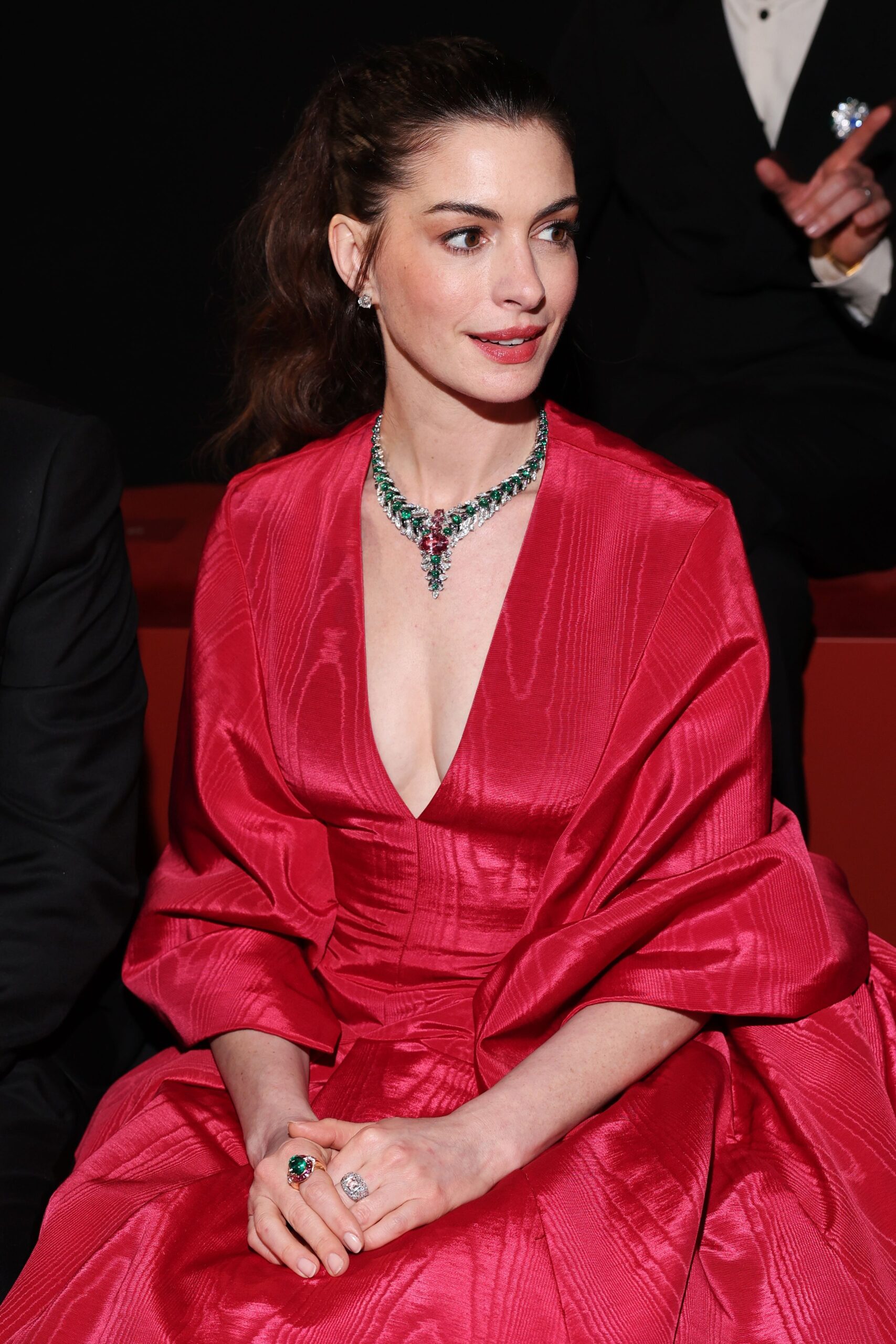
The timing of Hathaway’s health struggle couldn’t have been more challenging from a career perspective. Throughout her thirties, the actress was at the peak of her Hollywood success, delivering memorable performances in critically acclaimed films while walking red carpets and attending high-profile events with her signature grace and poise. Behind the glamorous facade, however, Hathaway was battling a condition that threatened one of her most essential tools as an actress - her ability to see clearly. The physical and emotional toll of managing such a serious health issue while maintaining the demanding schedule of a top-tier Hollywood star speaks to the incredible resilience and determination that has defined her career. What makes her revelation even more remarkable is how successfully she managed to keep her condition private, demonstrating the extraordinary lengths to which celebrities often go to protect their personal struggles from public scrutiny.
The decade-long battle with her vision problems undoubtedly required significant adjustments in both her personal and professional life. Vision-related medical conditions can be particularly challenging for actors, whose work depends heavily on their ability to read scripts, navigate sets, and deliver precise performances that often require keen visual awareness. Hathaway’s ability to continue delivering compelling performances during this period while managing her condition behind the scenes showcases not only her professionalism but also her extraordinary dedication to her craft. The actress likely had to develop new strategies for memorizing lines, working with directors and fellow actors, and managing the technical aspects of film production that require clear vision.
Navigating Career Highs During Health Lows

During the years when Hathaway was privately battling her vision problems, she continued to build an impressive filmography that included both commercial successes and critically acclaimed performances. Her ability to maintain such a high level of professional output while dealing with a potentially career-threatening medical condition speaks volumes about her work ethic and the support system she had in place. The entertainment industry is notoriously unforgiving when it comes to any perceived weakness or inability to perform, making her decision to keep her condition private understandable from a career preservation standpoint. This period of her life demonstrates how celebrities often face impossible choices between transparency about their health struggles and protecting their professional opportunities in an industry that can quickly move on to the next available star.
The psychological impact of managing such a significant health concern while maintaining a public persona cannot be understated. Hathaway likely experienced periods of anxiety about her condition potentially worsening or being discovered, all while needing to project confidence and capability in her professional interactions. The stress of managing medical appointments, treatments, and the uncertainty of her prognosis while fulfilling contractual obligations and maintaining relationships within the industry would have required tremendous mental fortitude. Her revelation now provides context for understanding the full scope of challenges she was navigating during what appeared from the outside to be a period of continued success and stability in her career.