
A countdown clock ticking down to a sale does something strange to the brain. The red numbers shrink, a banner shouts “70% off,” and suddenly a soundbar you were not thinking about ten minutes ago feels like a thing you cannot live without. That feeling is not an accident. It is the entire business model of a manufactured shopping holiday, and Amazon has built the biggest one on the calendar. The trick to walking away happy is learning to see the machinery behind the countdown, then using the genuinely good deals while ignoring the theatre.
Prime Day has become a fixture for anyone who buys gadgets, streams music, reads on a screen or listens to audiobooks. For an entertainment-hungry audience, it is one of the few moments each year when the hardware and subscriptions that power your evenings actually get cheaper. But “cheaper” and “a real bargain” are not the same thing, and the gap between them is where most money gets wasted. Here is how the event works, what tends to be worth watching in the entertainment and music space, and how to shop it with a clear head, including the realities for anyone browsing from Nigeria.
There is a reason these sales feel urgent even when you walk in calm. Retailers lean on a handful of well-studied psychological levers: artificial scarcity (“only 3 left at this price”), the ticking countdown that frames hesitation as loss, and the anchor of a crossed-out “original” price that makes the new number look like a rescue. None of those levers tell you anything about whether the item is good or whether the price is genuinely low. They only tell you that someone wants you to decide quickly. The single most useful skill for a sale this big is the ability to slow down by a few seconds and ask a flat, unglamorous question: did I want this yesterday, and is this price actually low? Everything that follows is just the practical version of that question.
What Prime Day actually is
Prime Day is Amazon’s annual members-only sale. The key word is members-only. The deals are reserved for people who pay for a Prime subscription, which is the same membership that bundles fast shipping in supported countries, Prime Video streaming, Prime Music, Prime Reading and a handful of other perks. If you are not a Prime member, the Prime Day prices are simply not available to you, though Amazon usually dangles a free trial right before the event so newcomers can shop and then cancel.
The sale launched in 2015 as a one-day stunt to mark Amazon’s 20th birthday, and it worked well enough that it became a yearly ritual. Over time it stretched from 24 hours into a multi-day marathon. In 2025 it ran for four full days, from 8 to 11 July, giving members 96 hours of rolling deals across more than 35 categories. The scale is the point. Amazon uses the event to clear inventory, to push its own devices into more homes, and above all to convince non-members that a Prime subscription pays for itself.
Amazon also runs a second, smaller version in the autumn, usually branded Prime Big Deal Days, which follows the same members-only logic and often previews the discounts that will return for the winter holiday rush.
When it happens and the 2026 status
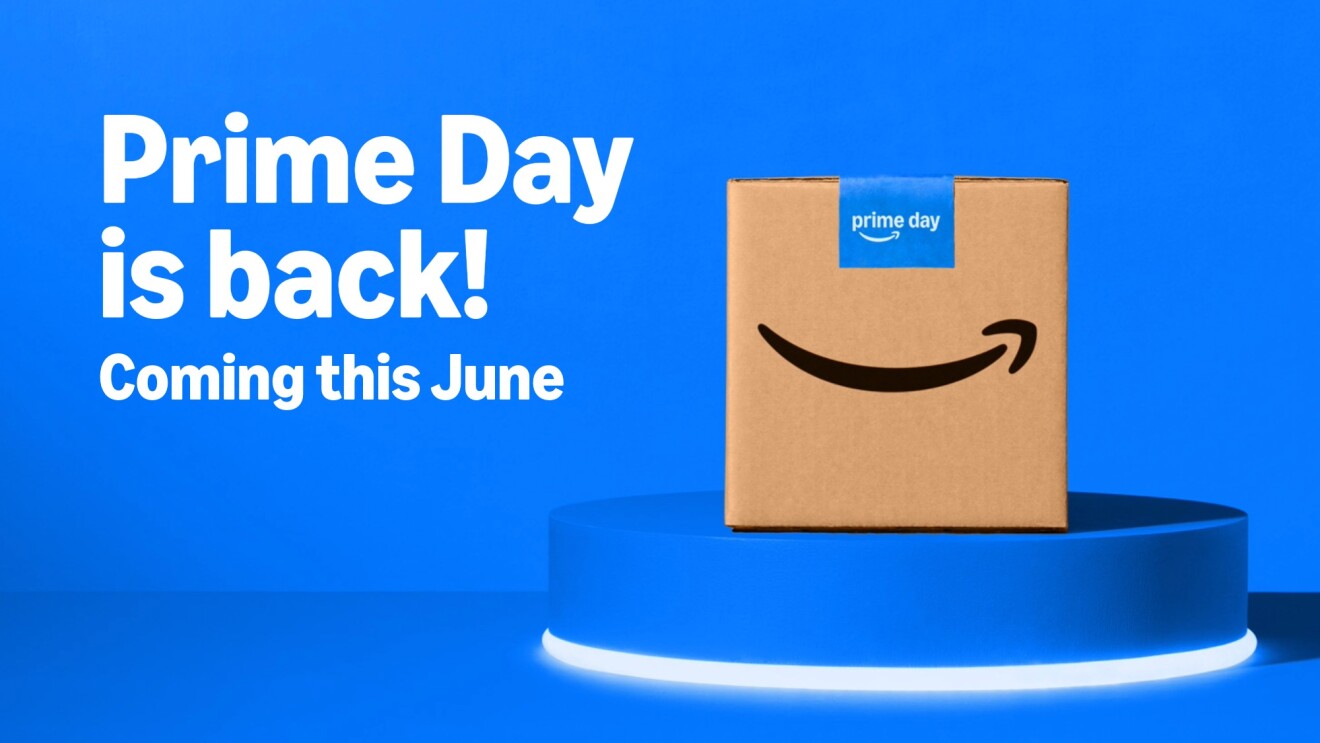
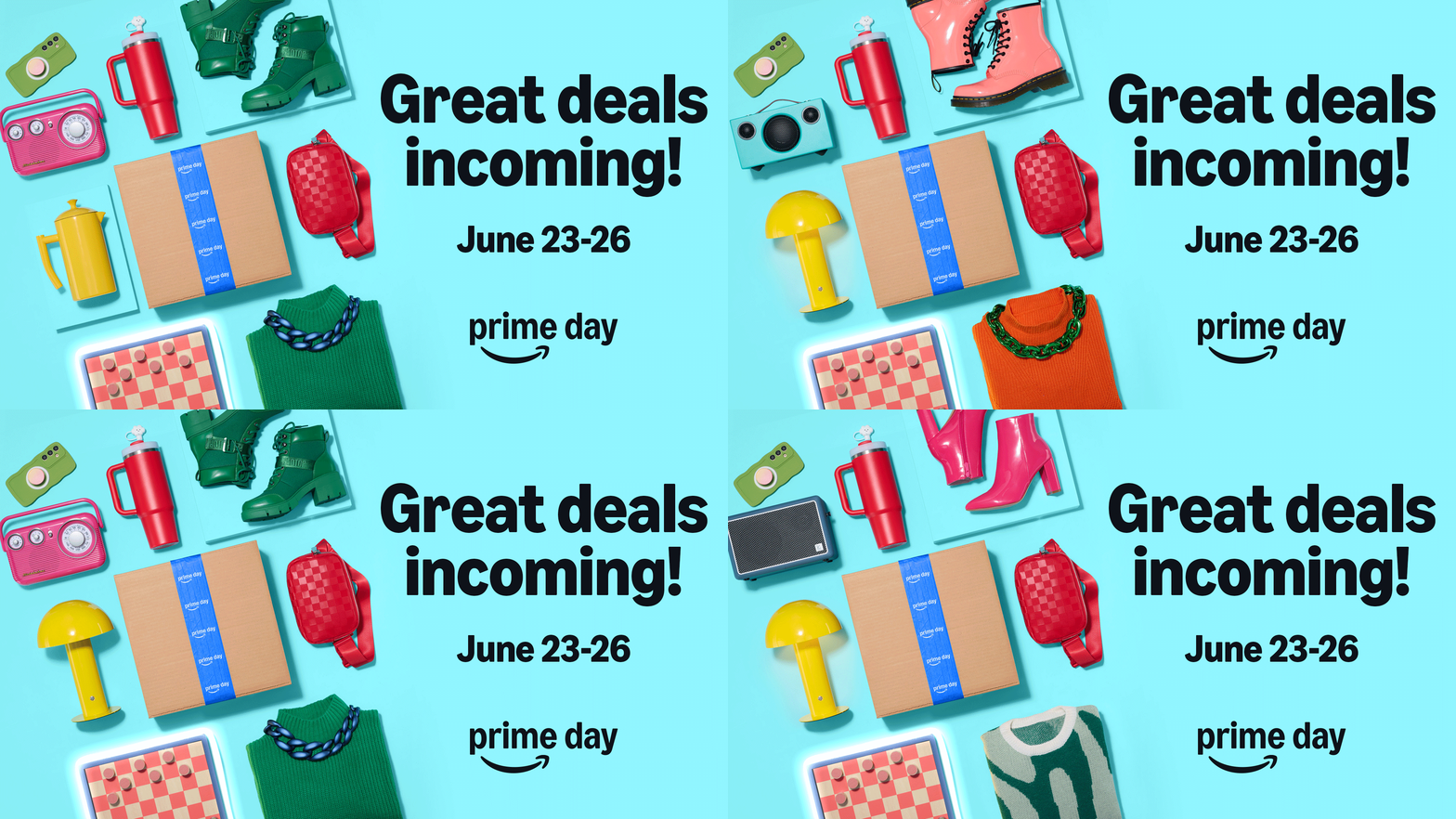
For most of its life, Prime Day has landed in July, and shoppers came to treat mid-July as the default. 2026 broke that habit. Amazon has officially confirmed that Prime Day 2026 runs from 23 to 26 June, a four-day event beginning at 12:01 a.m. Pacific Time on 23 June. That makes it earlier than usual, and the first June outing since 2021.
The earlier date matters for a practical reason: if you have been waiting for “the July sale,” you would have missed it. The smart move with any Prime Day is to mark the confirmed dates the moment Amazon announces them rather than relying on last year’s timing. Amazon almost always opens an early-deals window in the days before the official start, so genuine discounts begin trickling out before the headline date.
Treat the dates as the only fixed point and everything else as marketing. The categories, the headline percentages and the “doorbuster” framing change every year, but the structure stays the same: members only, a few days, your own devices pushed hardest.
The entertainment categories worth watching

If you strip away the noise, a predictable set of entertainment and tech items shows up cheaper at Prime Day after Prime Day. Amazon’s own hardware is the headline act every single year, because Amazon controls the price and wants the devices in your home.
That means the Echo smart speaker line, the Fire TV Stick range, Fire tablets and the Kindle e-reader family almost always carry some of their deepest discounts of the year. In 2025, for example, the entry-level Echo Pop dropped to a low price point and Fire TV Stick models took meaningful cuts. These are the devices to watch if you have genuinely been meaning to buy one, because Amazon rarely lets them go lower than it does during its own sale.
Beyond hardware, the entertainment categories that historically see movement include:
- Headphones, earbuds and soundbars, both Amazon’s own and third-party brands, since audio gear is a classic impulse-and-upgrade purchase.
- Audible and audiobooks, where Amazon often runs a discounted multi-month membership offer for new or lapsed subscribers. Audible is not included in standard Prime, though Prime members are usually offered a trial with free credits.
- Amazon Music Unlimited, which is regularly promoted at a reduced rate or with an extended free trial around the event. The Unlimited tier now also bundles access to a large catalogue of Audible audiobooks, one at a time, which changes the maths on whether the subscription is worth it.
- Prime Video add-on channels, the paid extras like premium movie and series channels you bolt onto Prime Video, which sometimes get short promotional pricing during the sale.
- Gaming, covering controllers, accessories, some consoles and digital storefront credit, though the best gaming prices are not always at Amazon and deserve a cross-check.
The pattern to internalise is simple. Amazon’s own ecosystem (devices, Music, Audible, Video) is where the sale is most aggressive, because Amazon is selling to itself. Third-party electronics get genuine deals too, but they need more scrutiny.
A word on the subscriptions specifically, because they are the easiest place to overspend without noticing. A discounted three-month Audible or Amazon Music Unlimited offer looks like a win, but the discount usually applies only to an introductory window, after which the price snaps back to full rate and keeps charging your card every month. That is fine if you genuinely listen, and quietly expensive if you signed up for a single audiobook and forgot. Before you accept any subscription “deal,” do two things: note the exact date the promotional price ends, and set a reminder to decide then whether to keep it. The maths only works in your favour if you are honest about how much you will actually use it. A hardware purchase is a one-time cost you can evaluate today. A subscription is a recurring cost that keeps deciding for you until you cancel it, which is exactly why companies love selling them during a frenzy.
How to spot a real deal versus a fake one
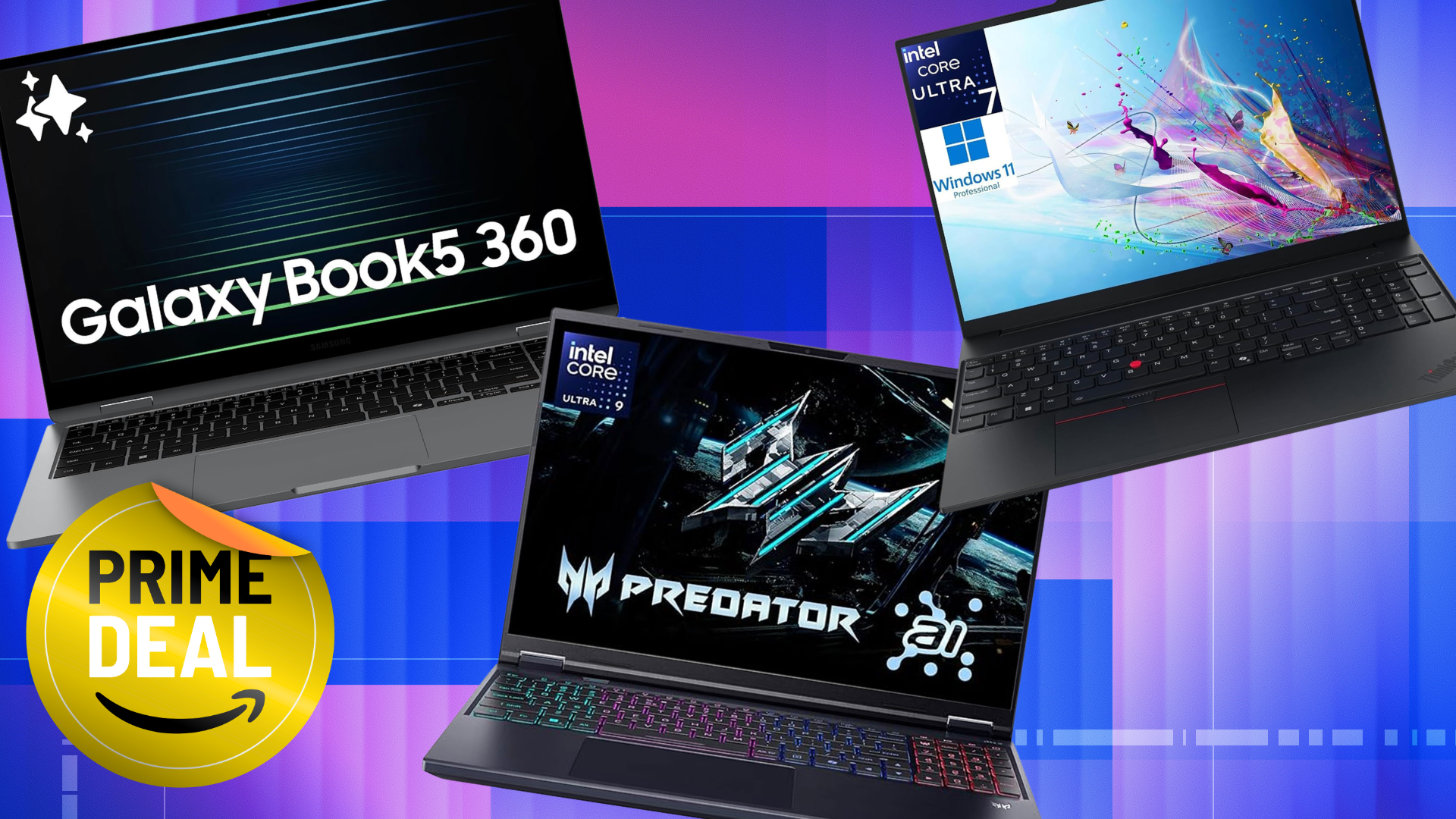
This is the part that separates people who save money from people who think they saved money. A big percentage-off number is not evidence of a bargain. It is evidence of a comparison to a “list price” that may be fiction.