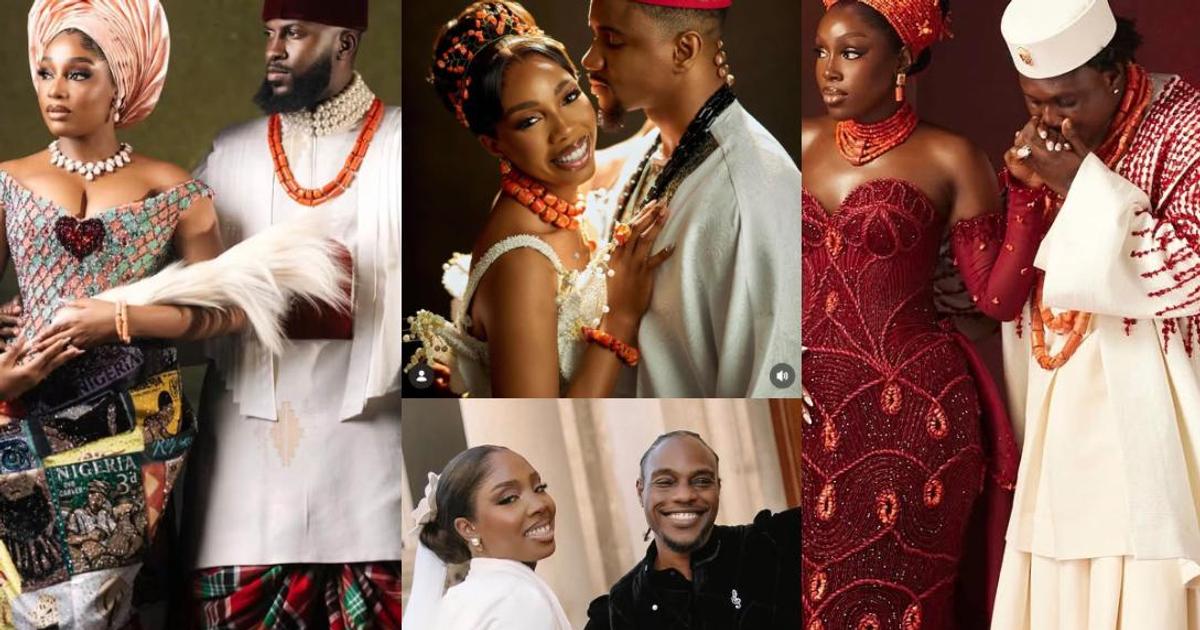

Somewhere between the asoebi fitting and the last dance of the night, a quiet thing happened to the Nigerian wedding over the last fifteen years. The live band packed up its trumpets. The DJ rolled in. And by the time the bride steps out for her second outfit at a typical Lagos reception today, the song carrying the room is far more likely to be an Afrobeats record than a juju standard. Afrobeats did not politely audition for the role of wedding soundtrack. It took the aux cord and refused to give it back.
That shift says something larger than what plays at 11pm on a Saturday. It tracks how a generation of Nigerians at home and in the diaspora chose their cultural references, how the wedding industry restructured itself around a sound, and how music that started as Lagos club fare ended up scoring one of the most significant ceremonies in West African life.
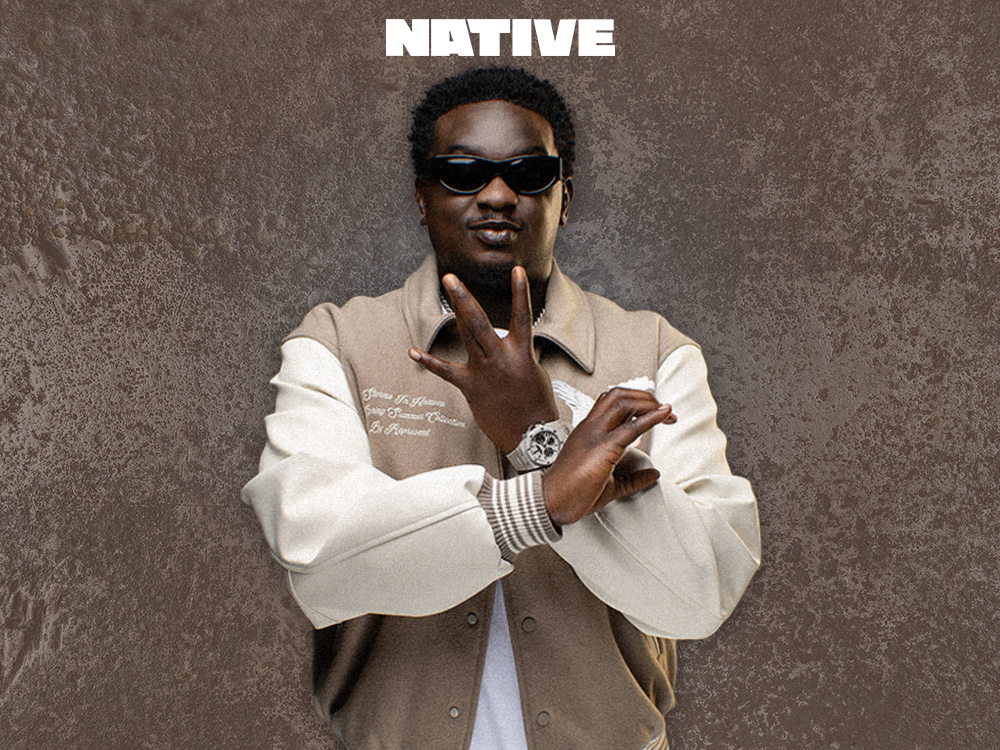
From Highlife Bands to a Wande Coal Drop
Owambe, the Nigerian society party tradition, has always been about music. The Yoruba phrase behind the word carries the sense that the thing is happening: the party is on, the food is plentiful, and the music is loud enough to draw neighbours from three streets over. For decades, that music meant a live band.
The Juju and Fuji Era
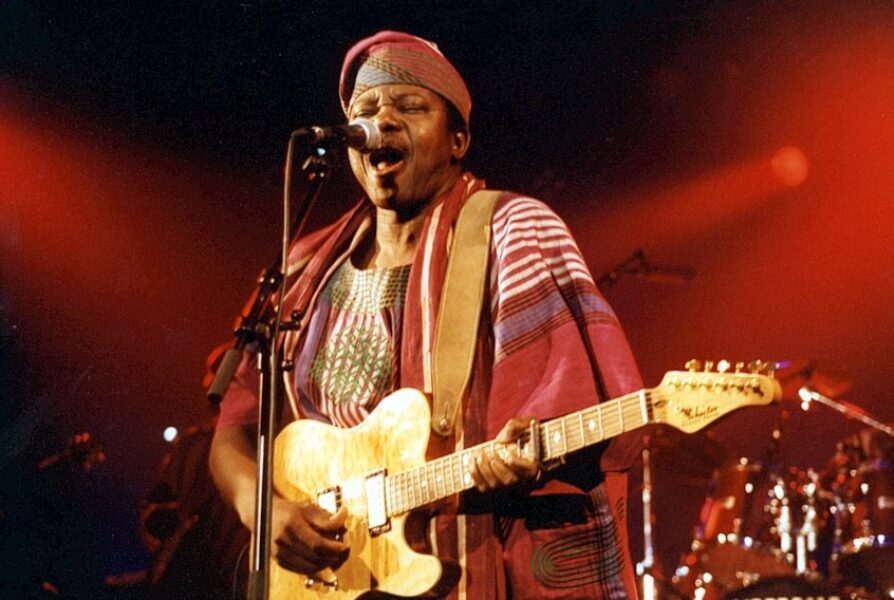
Through the 1980s and 1990s a wedding without a live juju or fuji band was barely a wedding. King Sunny Ade could turn a reception into a four-hour experience, weaving family praise names into improvised verses while sprayed naira piled up at his feet. Lagbaja’s masked, horn-driven sets worked the upscale Lagos circuit, while fuji bandleaders including Wasiu Ayinde and later Pasuma commanded the high-society Muslim side of the market. The bandleader functioned as something close to a master of ceremonies and family griot at once, folding the guest list’s news, titles and personal histories into the performance as he went.
That model started cracking in the mid-2000s. Live bands were expensive, logistically heavy and limited in repertoire. A bride who wanted to walk in to an American pop record, dance to D’banj and close with Onyeka Onwenu was asking one band to be three different bands. A DJ with a laptop and a hard drive solved that in an afternoon.
The DJ Takeover, Roughly 2010 Onward
By the early 2010s the standard Lagos reception had flipped. A mobile DJ circuit grew up alongside the club and festival DJs who had become stars in their own right, and the wedding DJ became the default act. A DJ could pivot from old-school Onyeka to new-school Wizkid in a single fade, read the room when the elders wanted highlife and the cousins wanted Olamide, and deliver the exact studio recording of whatever guests already had on their phones.
That last point matters more than people admit. A live band’s version of “Tonight” by Wande Coal is never the version on streaming. A DJ’s version is. In an era where guests film everything, hearing the recognisable original triggers more participation, more dancing and more reposting. The wedding became a content-generation event, and Afrobeats was the content.
The Wedding Standards Canon
Every musical tradition develops a set of songs people expect to hear, and Afrobeats weddings have assembled theirs quickly. No formal survey of Nigerian wedding playlists exists, so nothing below should be read as a ranking. What follows is the recurring set that DJs, planners and guests talk about, drawn from how these songs are discussed rather than from any dataset of what actually gets played.
The First Dance Tier
Davido’s “If,” released in 2017, has outlasted its own era and become a generational anchor. Couples in their twenties use it. So do couples in their forties. The line about thirty billion in the account has been reinterpreted as a love line by enough wedding videos that nobody questions it any more.
Wizkid’s “Joro” is a common alternative, with a slowed tempo and unmistakable opening bars that suit a spotlight moment. “Ire” by Adekunle Gold turns up for couples who want something that gestures at the spiritual without being a hymn, and “Tonight” by Wande Coal remains the choice for a more sensual mood. Between them, those four cover a large share of the first dances anyone in the industry can remember, which is a different and more honest claim than a percentage.
The Reception Floor-Fillers
Once the formal moments end, the music shifts to records built to keep the floor packed. Davido’s “Fall” still moves a crowd years after release. “Mama” by Mr Eazi pulls older guests up, because the bassline is gentle enough that they do not have to perform youth to dance to it. Burna Boy’s “Wonderful” hits a sweet spot that works for everyone in the room regardless of age.
Then the tempo climbs. Asake’s catalogue has rewritten the late-night portion of the reception, with the amapiano-influenced log drums slotting neatly into the stretch after guests have eaten, sprayed money and started looking for a reason to move. “Lonely at the Top” in particular turns dance floors into mass choirs, which is roughly the highest compliment a wedding record can earn.
The Procession Songs
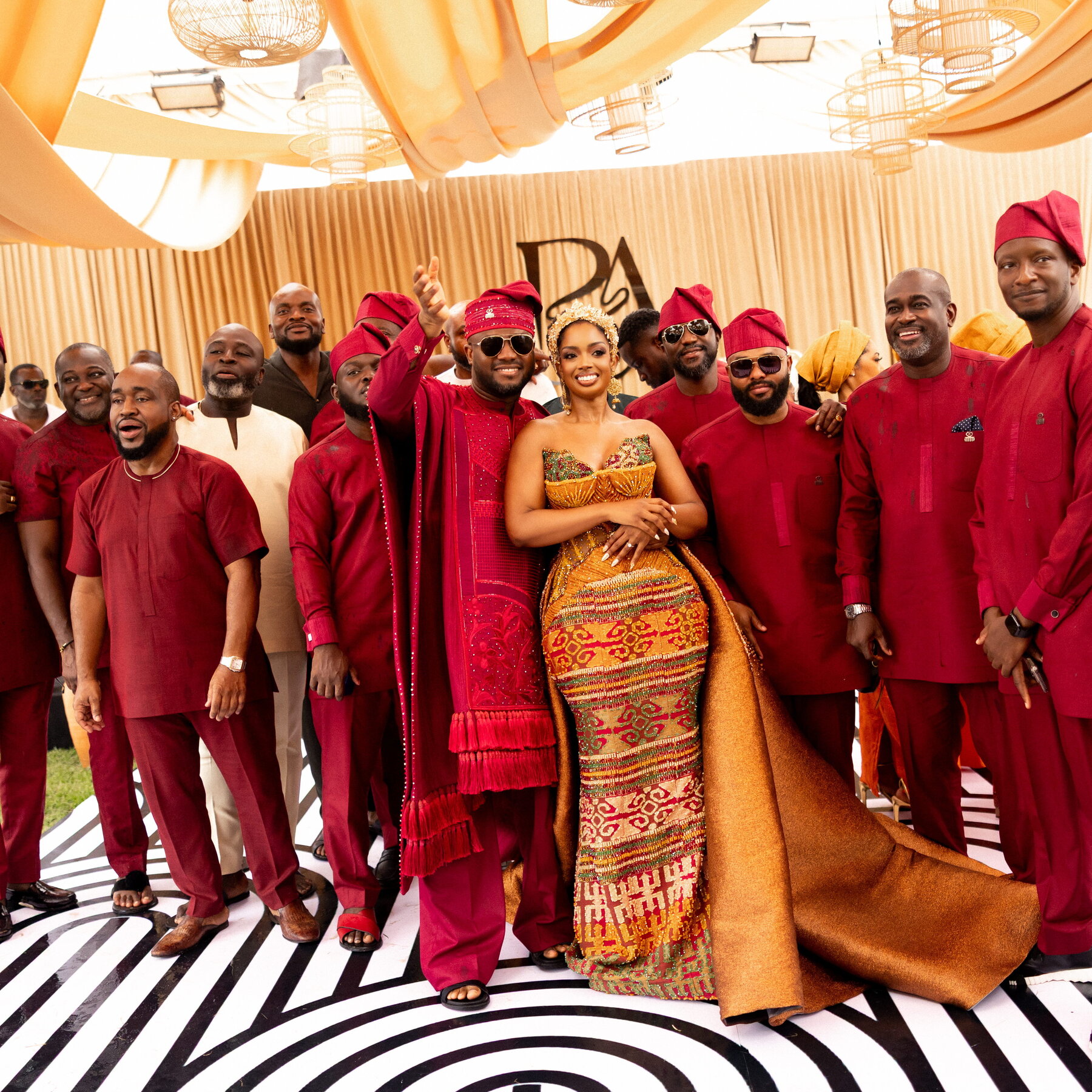
Procession music is where DJs get to flex. Falz’s “I Choose You,” with its sampled hook and singalong chorus, is a popular bridal entry choice for couples wanting something playful. For the joint entry after vows, Asake’s catalogue now competes with classic Wizkid and Burna Boy cuts. Some couples use Rema’s “Calm Down” for the entry, leaning on the song’s global recognition to hand diaspora guests a moment of pride.
Money Spray Culture Meets the Genre
The cash-spraying tradition is older than Afrobeats and older than highlife. Guests show love and respect for the celebrants by raining currency on the dancing couple. The choice of currency signals status, the volume signals affection, and the duration signals stamina. Worth noting that spraying naira is formally an offence under Nigerian currency law, a point the Economic and Financial Crimes Commission has prosecuted in high-profile cases, which has pushed some of the practice towards foreign notes and discreet envelopes at the most visible weddings.
What Afrobeats did was give the ritual a tempo. A Wande Coal bridge gives the bride exactly the right window to swirl her gele. A Davido pre-chorus is a runway for an uncle to empty his wallet in slow motion. Whether producers build those windows deliberately is not something any of them has said on the record, but the songs sit well inside the ritual, and the spray, the slow walk, the gele turn and the smirk to camera all now have a musical bed waiting for them.
The Celebrity Performance Economy
For high-net-worth families, hiring a DJ is no longer the flex. A live Afrobeats star is, and the top of that market is priced accordingly. Reliable figures are hard to come by because private bookings are not disclosed, and the numbers that circulate come from the artists themselves or from unnamed intermediaries. Daily Trust has reported that Nigeria’s most expensive acts command minimums in the tens of millions of naira for domestic shows and six-figure dollar sums for international bookings, and private-event rates are generally said to sit above public-show rates. Any specific wedding fee quoted in public should be treated as a claim rather than a price list.