Are you struggling with obesity and feeling overwhelmed by the thought of working on it? You’re not alone. Obesity is a common and complex issue affecting people of all ages and backgrounds. It’s not just about looks - obesity can increase your risk of severe health problems, such as heart disease, diabetes, and stroke. That’s why it’s so important to take action and work on your obesity healthily and sustainably.
But where do you start? There are so many conflicting diets and fitness trends out there it can be hard to know which ones will work for you. That’s why we’ve put together this list of the best ways to work on obesity. These tips are backed by science, easy to implement, and can help you achieve a healthier weight. Continue reading to learn more about these tips.
1. Consider obesity surgery
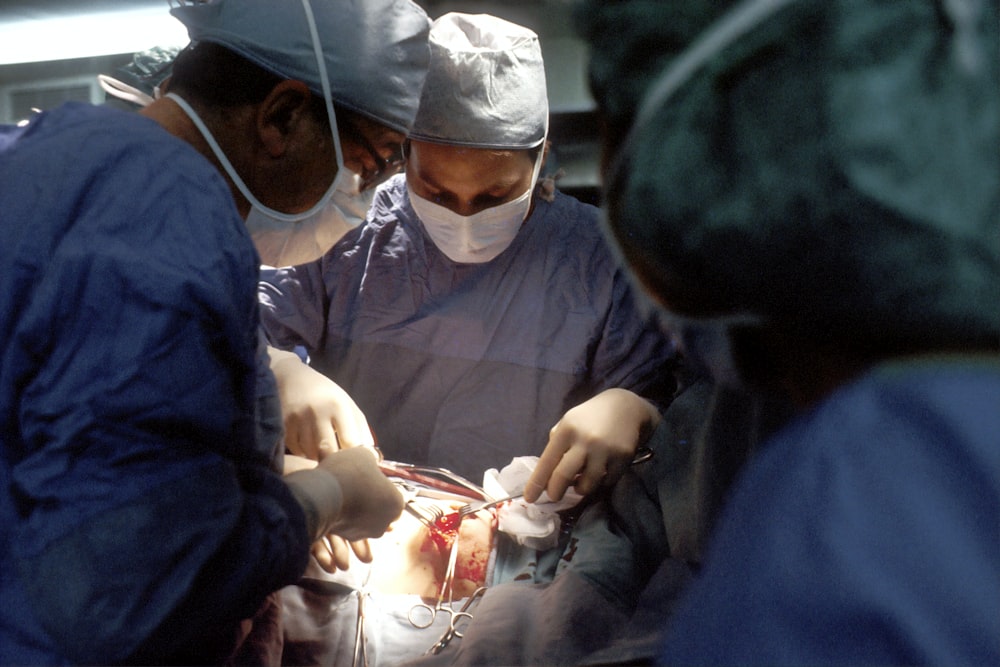
Obesity surgery, also known as bariatric surgery, is a type of surgery that is performed on people who are significantly overweight or obese. It is typically recommended for individuals with a body mass index (BMI) of 40 or higher and one or more obesity-related health conditions (such as type 2 diabetes or high blood pressure).
Obesity surgery is important for managing the condition because it can help people lose significant weight and improve their overall health. Studies have shown that obesity surgery can lead to significant and sustained weight loss and improve obesity-related health conditions, such as diabetes, high blood pressure, and sleep apnea.
There are several types of obesity surgery, including gastric bypass, sleeve gastrectomy, and gastric banding. Each type of surgery has its benefits and risks; the best option for individuals will depend on their specific needs and goals.
However, obesity surgery is a major procedure requiring a significant commitment to lifestyle changes, including diet and exercise. It is not a quick fix or a substitute for healthy lifestyle habits but rather a tool to help individuals achieve and maintain a healthy weight. When considering obesity surgery, it’s essential to consult a healthcare professional and discuss your options to determine if it is the right choice.
2. Eat a healthy and balanced diet
Eating a healthy and balanced diet is an essential part of managing obesity. A healthy diet can help you lose weight, improve overall health, and reduce your risk of chronic diseases like heart disease, diabetes, and stroke.
But what does a healthy and balanced diet look like? Here are a few tips for making healthy food choices.
- Choose whole, unprocessed foods.
These types of foods are typically more nutrient-dense and less calorie-dense, making them a better choice for weight management. Examples include whole grains, vegetables, fruits, nuts, seeds, and lean protein sources.
- Control portion sizes
It’s essential to pay attention to how much you eat and what you eat. Be mindful of your portion sizes, and try to avoid overeating.
- Limit added sugars and unhealthy fats.
Added sugars and unhealthy fats (such as saturated and trans fats) can contribute to weight gain and negative health outcomes. Try to limit your intake of these foods and choose healthier options instead.
Remember, there is no one-size-fits-all approach to eating a healthy and balanced diet. What works for one person may not work for another. Therefore, find an approach that works for you and your lifestyle and stick to it.
- Quinoa food
Quinoa is considered a superfood, and quinoa is good for weight loss because it is high in protein, fiber, and various vitamins and minerals. It is also gluten-free, making it an excellent alternative for those with gluten sensitivities. You can cook quinoa in milk and top it with fruit, nuts, and honey for a delicious and filling breakfast for weigh loss.
3. Get regular physical activity
Physical activity plays a substantial role in managing obesity and maintaining a healthy weight. Regular physical activity can help you lose weight, improve your overall health, and reduce your risk of chronic diseases such as heart disease, diabetes, and stroke.