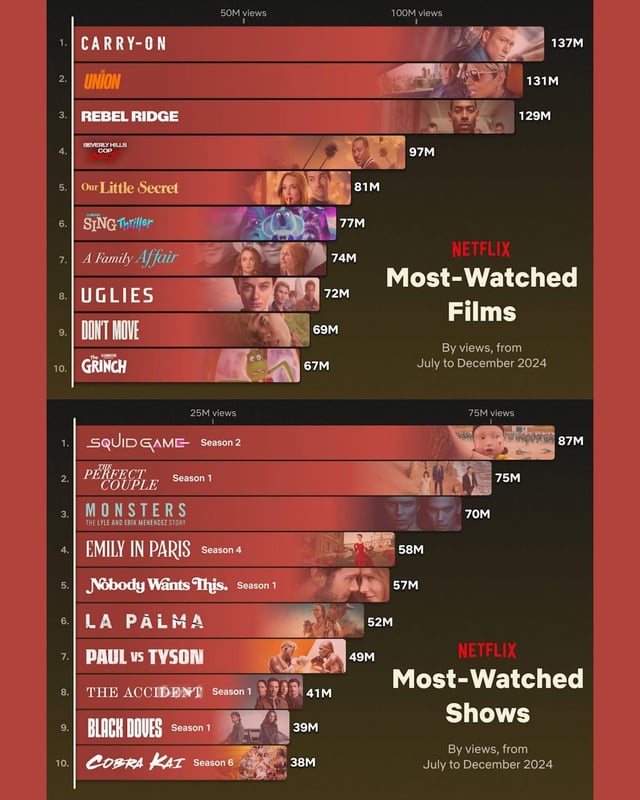
There is something almost superstitious about sitting down for a new Netflix romantic comedy. You want to believe. You have been burned before - repeatedly, even - but you show up anyway, snacks in hand, willing to be swept away. Netflix has been delivering romantic comedies at an industrial pace for years now, and the results have been wildly uneven. For every Set It Up or To All the Boys I’ve Loved Before that genuinely captured hearts and earned its cultural moment, there have been a dozen forgettable titles that mistook pretty cinematography and a charismatic lead for actual storytelling. The streamer has long understood that people want romance, but it has not always understood what makes romance actually work on screen.
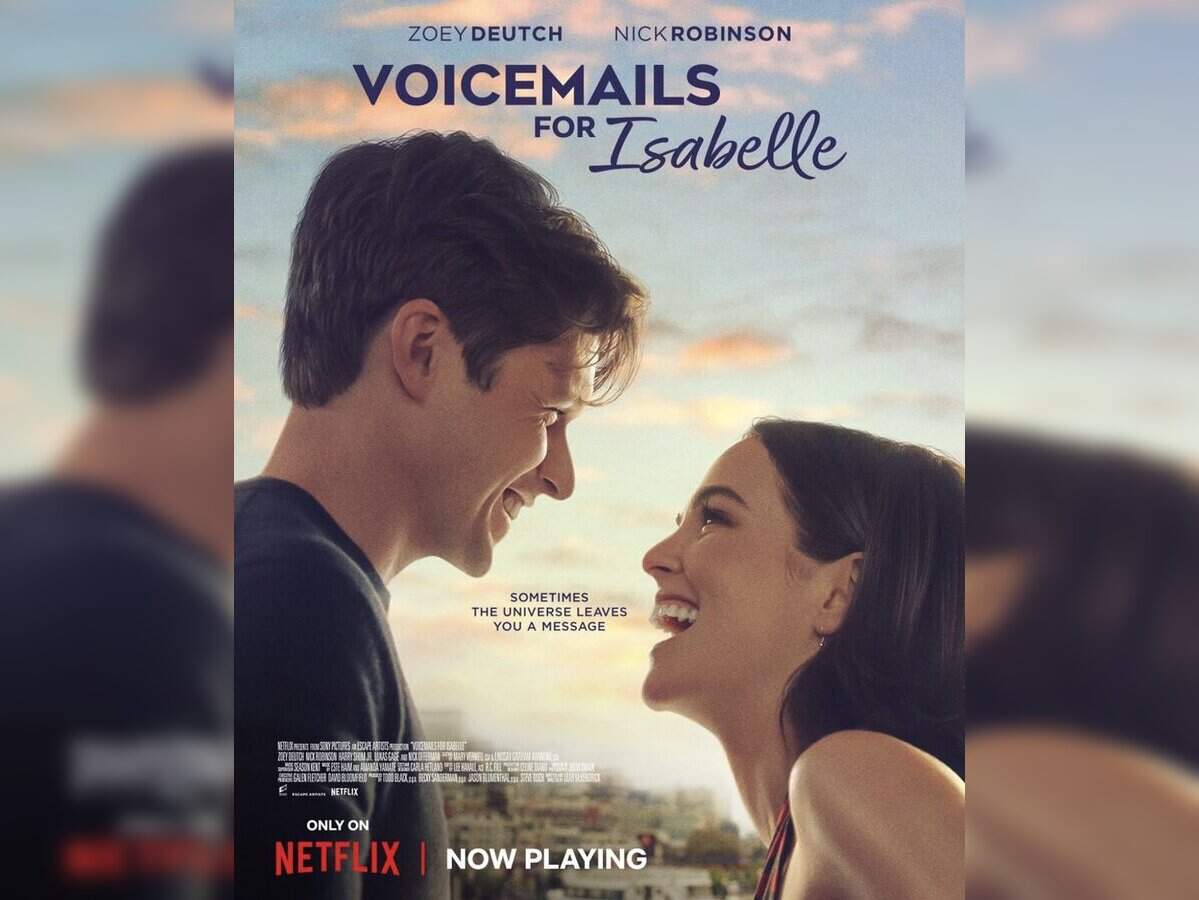
Image: Town & Country Magazine
The genre itself carries a complicated reputation in the streaming era. Critics have spent years debating whether Netflix’s rom-com assembly line produces genuine cinematic feeling or simply very well-packaged comfort content - the emotional equivalent of a microwave meal that tastes fine but leaves you vaguely unsatisfied. That debate is legitimate. But it also risks dismissing the genuine value of feel-good storytelling done with craft and intention. A well-executed romantic comedy requires precise comic timing, believable chemistry, and a script that respects both its characters and its audience. Those things are harder to manufacture than they look, which is exactly why Voicemails for Isabelle landing the way it does feels like a small but meaningful triumph.
What Is ‘Voicemails for Isabelle’ Actually About?
At its core, Voicemails for Isabelle is a story about communication - or more specifically, the terror of real communication in an age when we have perfected the art of performing connection without ever risking actual vulnerability. The premise centers on a young woman named Isabelle who begins receiving a series of voicemails clearly intended for someone else - someone with her same name - from a man working through what appears to be the aftermath of a complicated relationship. Rather than immediately correcting the error, she listens, and in listening, finds herself drawn into a stranger’s emotional world in ways that begin to quietly reshape her own. It is a setup that could very easily tip into contrived territory, but the film plays it with a lightness of touch that keeps the premise feeling fresh rather than forced.
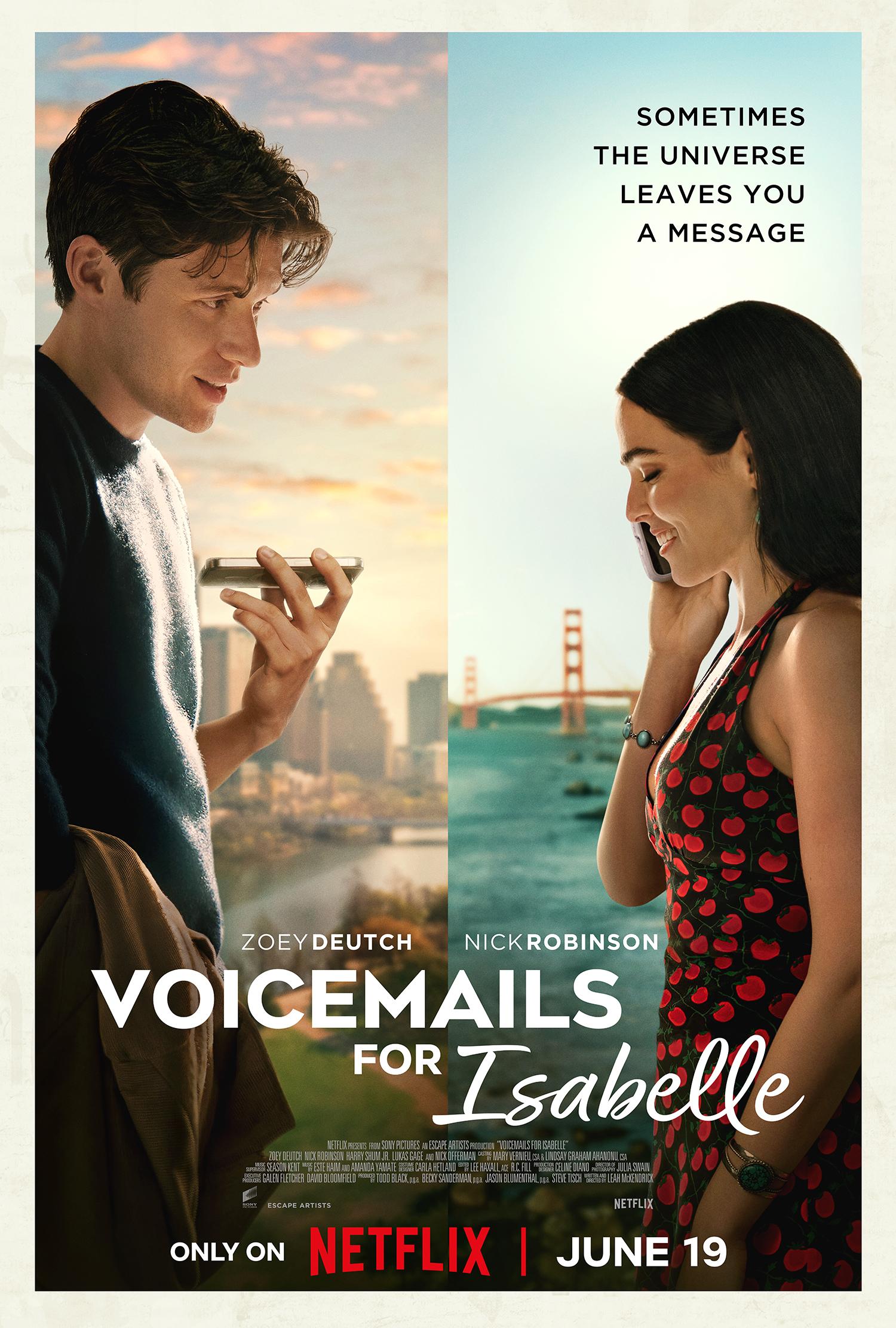
Image: IMDb
What makes the central concept work is that the film uses it as a genuine thematic device rather than just a cute plot mechanic. The voicemails become a way of exploring how we present ourselves when we think no one who matters is listening - when the performance pressure drops away and something more honest has room to emerge. That is a quietly sophisticated idea for a mainstream streaming rom-com to carry, and the script handles it with enough confidence that the film never feels like it is straining for depth. The emotional stakes feel real because the writing earns them, beat by beat, rather than demanding the audience simply accept them because the genre requires it.
What the Film Gets Gloriously Right
The single biggest factor in Voicemails for Isabelle working as well as it does is the chemistry between the two leads. Romantic comedies live or die on this axis - you can paper over a lot of screenplay weaknesses if the audience genuinely believes two people are falling for each other, and the inverse is equally true. Here, the pairing generates the kind of warmth that feels organic rather than engineered, the result of two performers who clearly understood their characters deeply enough to find the specific texture of how these two particular people would fall for each other. Their dynamic evolves gradually across the film’s runtime, moving from guarded to hopeful in a way that tracks emotionally rather than simply following the beats the genre demands.
Ad SpaceIn-Article - 300x250
Advertisement
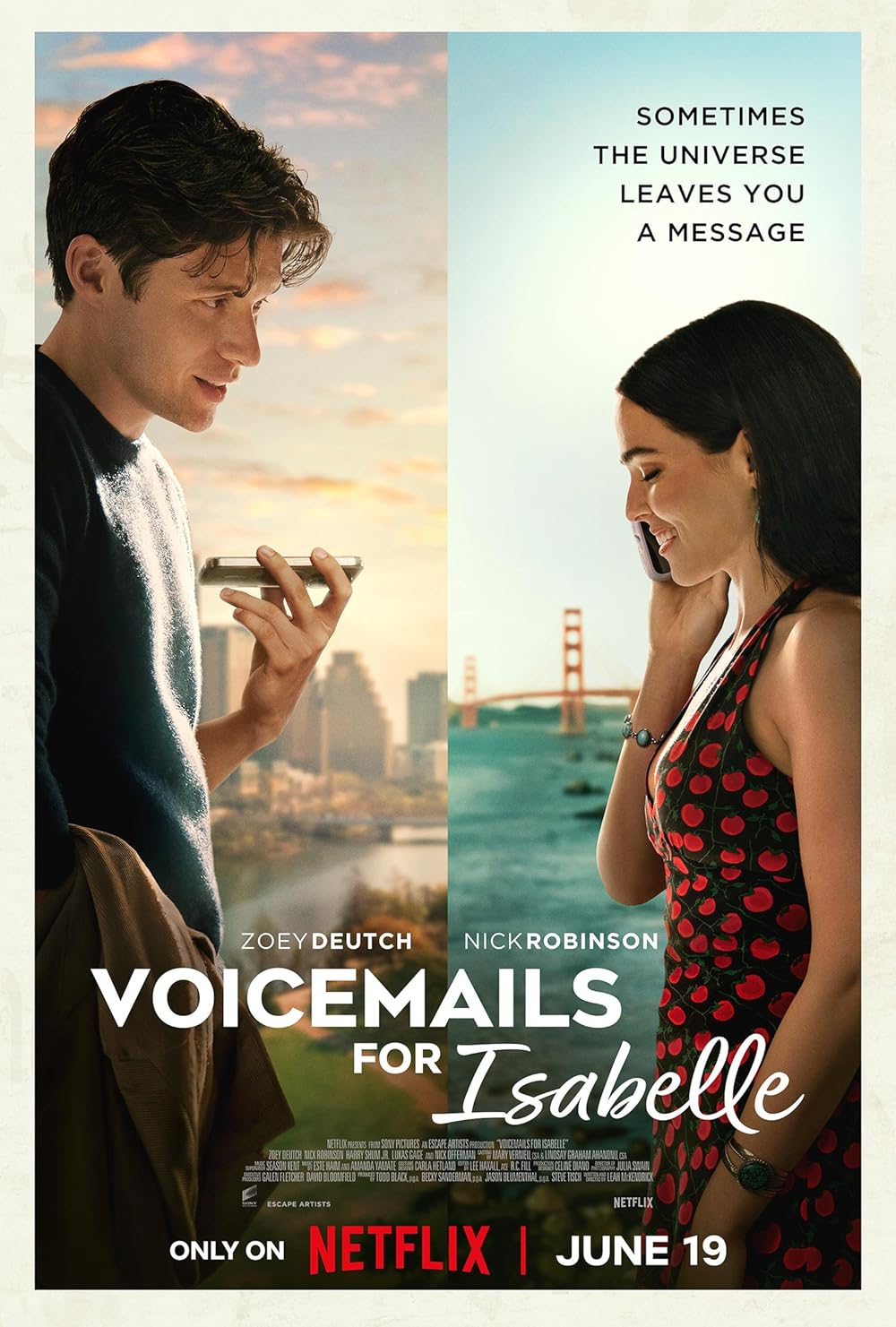
Image: IMDb
The film’s direction also deserves significant credit. There is a visual sensibility at work here that treats the story’s quieter moments with genuine patience - something Netflix rom-coms do not always allow themselves. Scenes that might typically be rushed through to get to the next plot development are given room to breathe, and the film is better for it. The locations are used thoughtfully, with the physical environments reflecting the characters’ internal states in ways that feel considered rather than incidental. Cinematography in the romantic comedy genre rarely gets discussed with any seriousness, but this film makes a compelling case that visual craft is not the exclusive property of prestige dramas.
The script’s handling of secondary characters is another area where the film distinguishes itself from the Netflix rom-com median. Too often, the supporting cast in these films exists purely to service the central love story - to dispense advice, provide comic relief, or create obstacles - without having any genuine interiority of their own. Voicemails for Isabelle populates its world with people who feel like they have lives beyond the frame. Isabelle’s friendships feel lived-in, her professional context is sketched with enough specificity to feel real, and even the minor characters have perspectives that complicate the story in interesting ways. It is the kind of attention to detail that separates films made with genuine care from films made to fill a content slot.
Where It Stumbles - and Why It Still Doesn’t Matter
No honest review of Voicemails for Isabelle should pretend the film is without its weaknesses, because that would be doing the reader a disservice. The third act is where the film feels most conventional, leaning into a misunderstanding-based conflict that the rest of the movie’s intelligence makes feel slightly beneath it. The resolution, while emotionally satisfying in the moment, arrives with a tidiness that contrasts with the more nuanced approach the earlier sections took toward the messiness of human connection. There is a sense that the film, having done the harder work of building something genuinely interesting, loses its nerve slightly at the finish line and retreats to the comfort of formula. It is not a fatal flaw, but it is a noticeable one.
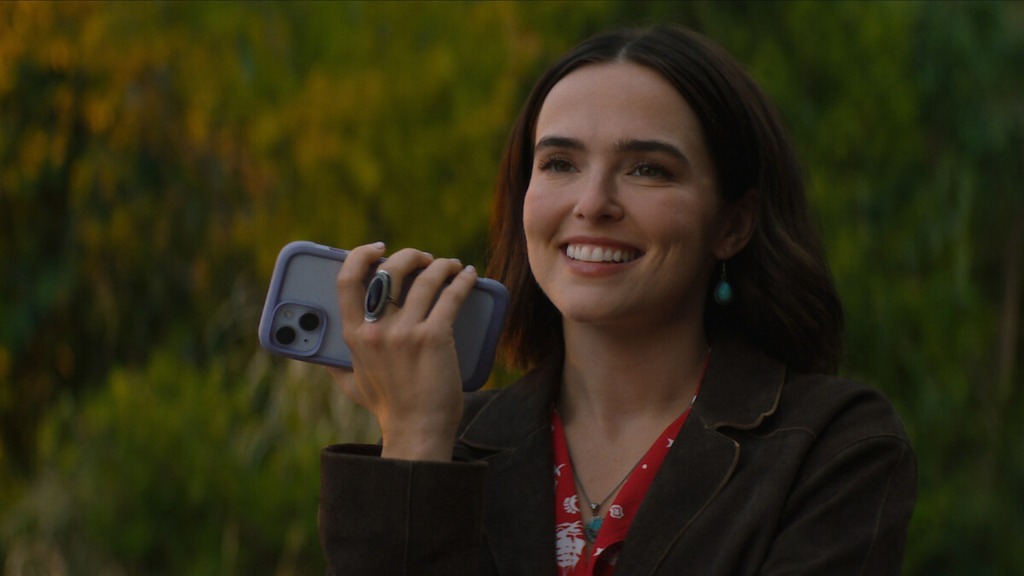
Image: Reddit
The pacing in the film’s middle section also wobbles in places, with a couple of sequences that feel like they exist primarily to extend the runtime rather than deepen the story. Cutting about ten minutes from the second act would likely have made the overall experience tighter and more propulsive without sacrificing anything essential. These are the kinds of issues that speak to the editing room rather than the creative vision, and they are worth noting even as they remain relatively minor complaints against the backdrop of what the film achieves overall. A great rom-com with a slightly saggy middle is still a great rom-com.
Why ‘Voicemails for Isabelle’ Earns Its Place in the Rom-Com Conversation
The romantic comedy genre has survived decades of dismissal from critics who treat it as a lesser form of cinema, and it has survived because audiences understand something those critics sometimes miss - that stories about love and connection told with skill and warmth are not trivial. They are, in fact, among the most demanding stories to tell well, because they require an audience to feel rather than simply observe. Voicemails for Isabelle understands this at a foundational level, and it is that understanding that makes it feel like a genuine addition to the genre rather than just another title scrolling past on the homepage. It does not reinvent the romantic comedy, but it executes its version of the form with a confidence and emotional intelligence that the genre’s best examples have always shared.
Photo by Aleks Magnusson / Pexels
For Netflix, the film represents something the streamer has been working toward with its romantic output for several years now - the sense that these films are being made by people who genuinely love the genre rather than people who have simply identified it as a reliable content category. That distinction matters enormously in the final viewing experience, and audiences generally feel it even when they cannot articulate exactly why one film lands and another does not. Voicemails for Isabelle lands. It is funny without being silly, romantic without being saccharine, and emotionally honest without becoming heavy. In a genre where getting all three of those things right simultaneously is genuinely difficult, that is not a small accomplishment. It is the whole game. And this film plays it well.
Ad SpaceIn-Article - 300x250
Advertisement
Share
Get the recap
Loved this story? Get more like it.
Join readers who get our weekly entertainment recap - the stories worth your time, delivered every Friday.
No spam. Unsubscribe anytime. By signing up you agree to our Privacy Policy.