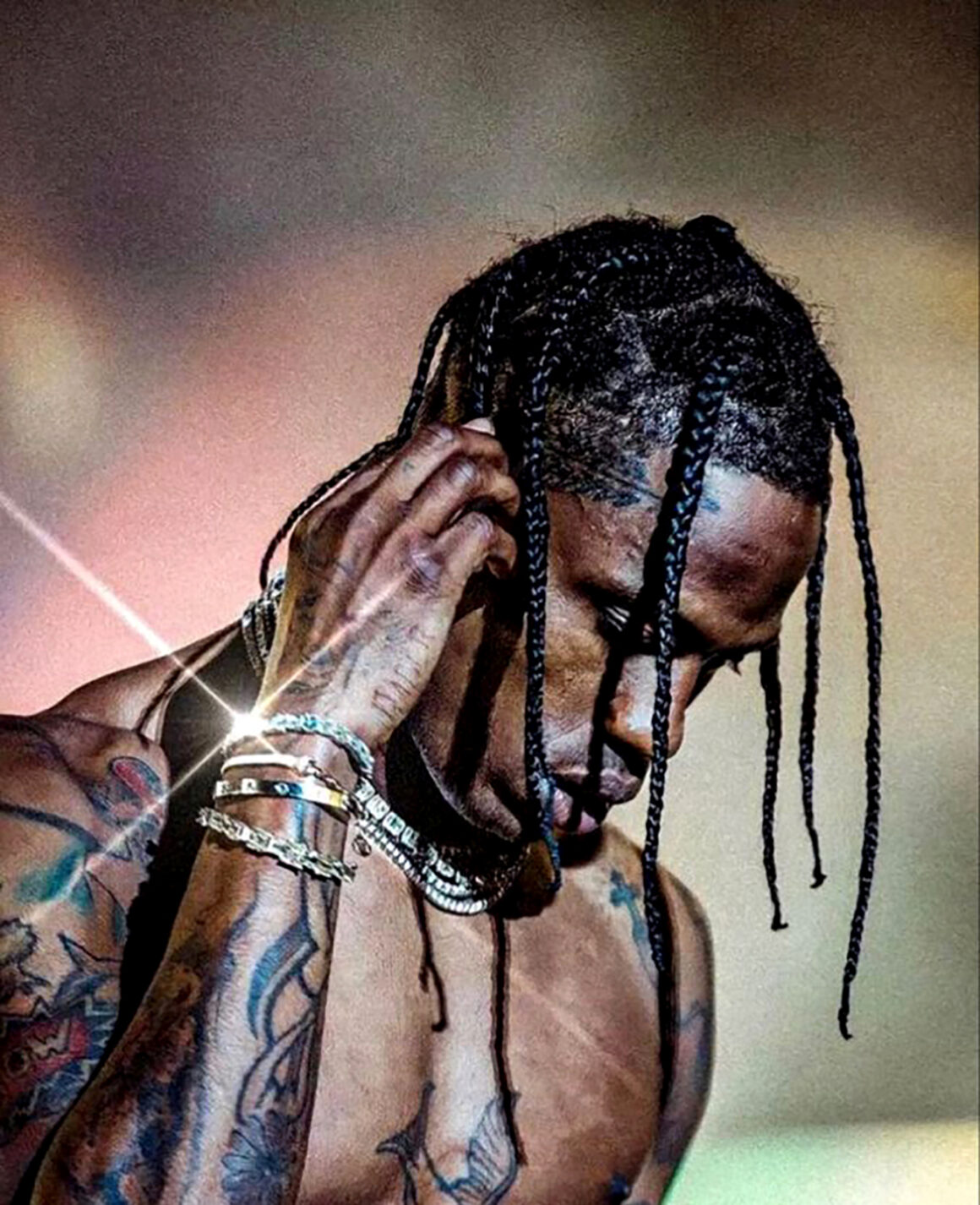

Travis Scott's Business Empire: How the Rapper Built a Multi-Million Dollar Brand Beyond Music
Entertainment

Travis Scott's Business Empire: How the Rapper Built a Multi-Million Dollar Brand Beyond Music

Miki AndersonMiki Anderson··10 min read
Advertisement

Somewhere in late September 2020, a McDonald’s franchise in suburban America ran out of Quarter Pounders. Not because of a supply mishap, but because a rapper from Houston had put his name on a $6 combo meal and millions of fans treated ordering it like collecting a limited drop. Restaurants across the United States burned through bacon and lettuce stock trying to keep up. The man behind the run on ingredients had never released a fast-food product in his life. He simply understood something most musicians never grasp: a name, used carefully, is its own kind of currency.

That man is Jacques Bermon Webster II, born April 30, 1991, in Houston, Texas, and known to the world as Travis Scott. Over the past decade he has turned a rap career into something closer to a brand-management operation, with music as the engine and everything else – sneakers, luxury fashion, fast food, hard seltzer, gaming, merchandise – as the body of the machine. The result is one of the most studied commercial playbooks in modern entertainment, and a fortune that most trackers place comfortably in the multi-million dollar range.

Houston roots and the brand instinct
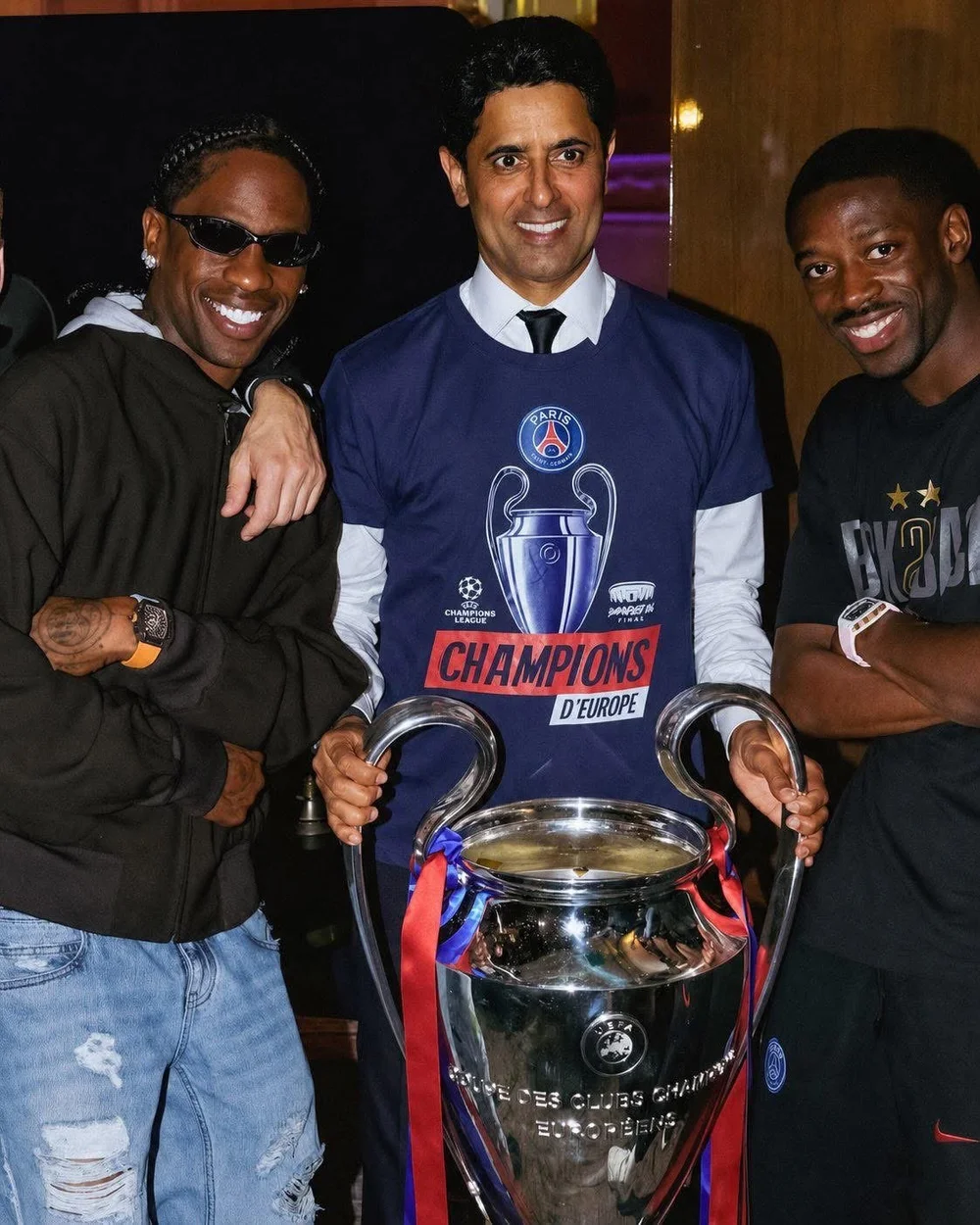
Travis Scott Business Empire - Houston roots and the brand instinct

Scott grew up in Missouri City, a suburb southwest of Houston, and the city stamped itself on everything he later built. The recurring “Astroworld” theme, named after the defunct Six Flags AstroWorld amusement park, was always more than nostalgia. It was a worldbuilding exercise, a coherent universe that fans could step into. That instinct – treating his output as an immersive world rather than a string of singles – is the through-line of his whole empire.

Where many artists chase one-off endorsement checks, Scott has consistently chased ownership, design control and long-running partnerships. He wanted his fingerprints on the product itself, not just his face on the billboard. That distinction is why the ventures below have stuck around in the cultural memory long after the marketing budgets dried up.

There is also a generational logic to it. Scott came up in an era when streaming had hollowed out the old model of getting rich purely from record sales. The artists who built real wealth in the 2010s were the ones who understood their audience as a community that could be activated again and again, across products, rather than a passive listenership that bought one album a year. Scott internalised that early. Each release, each merch drop and each surprise collaboration trained his fanbase to expect the unexpected and to act fast when it landed. That trained reflex, the willingness to queue and to buy on sight, is the quiet machinery underneath every headline deal.

Cactus Jack as the umbrella
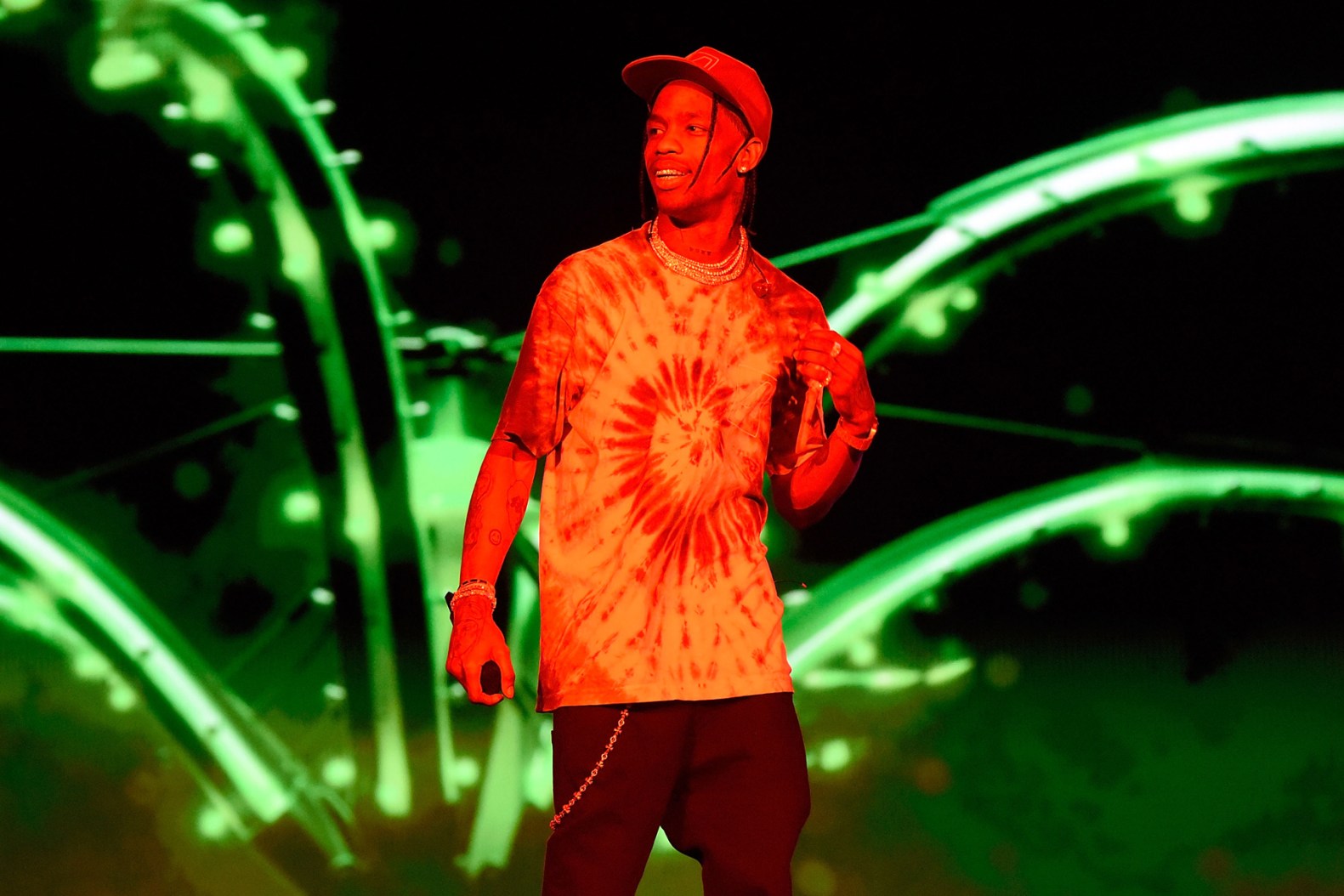
Travis Scott Business Empire - Cactus Jack as the umbrella

The structure holding everything together is Cactus Jack. Scott founded Cactus Jack Records on January 10, 2017, as a record label and music publishing company, but the name quickly outgrew music. It became the master brand under which the sneakers, the apparel, the festival and the corporate deals all sit.

On the music side, the label has built a real roster. Current and past acts include Don Toliver, Sheck Wes, SoFaygo, Luxury Tax 50 and Wallie the Sensei, among others. Cactus Jack’s compilation albums double as brand showcases. The second of those, “JackBoys 2,” arrived July 13, 2025, opened at number one on the Billboard 200 and moved 232,000 units in its first week, proving the label imprint still carries weight years after launch.

What makes Cactus Jack unusual is how flexible the name has become. It can sit beside a luxury house, get stitched onto a football kit, or stamp a sneaker, and each time it signals the same thing to fans: this is the real article, designed with Scott’s involvement, not a licensed cash-in. That trust is the asset. Everything else monetises it.

The sneaker empire
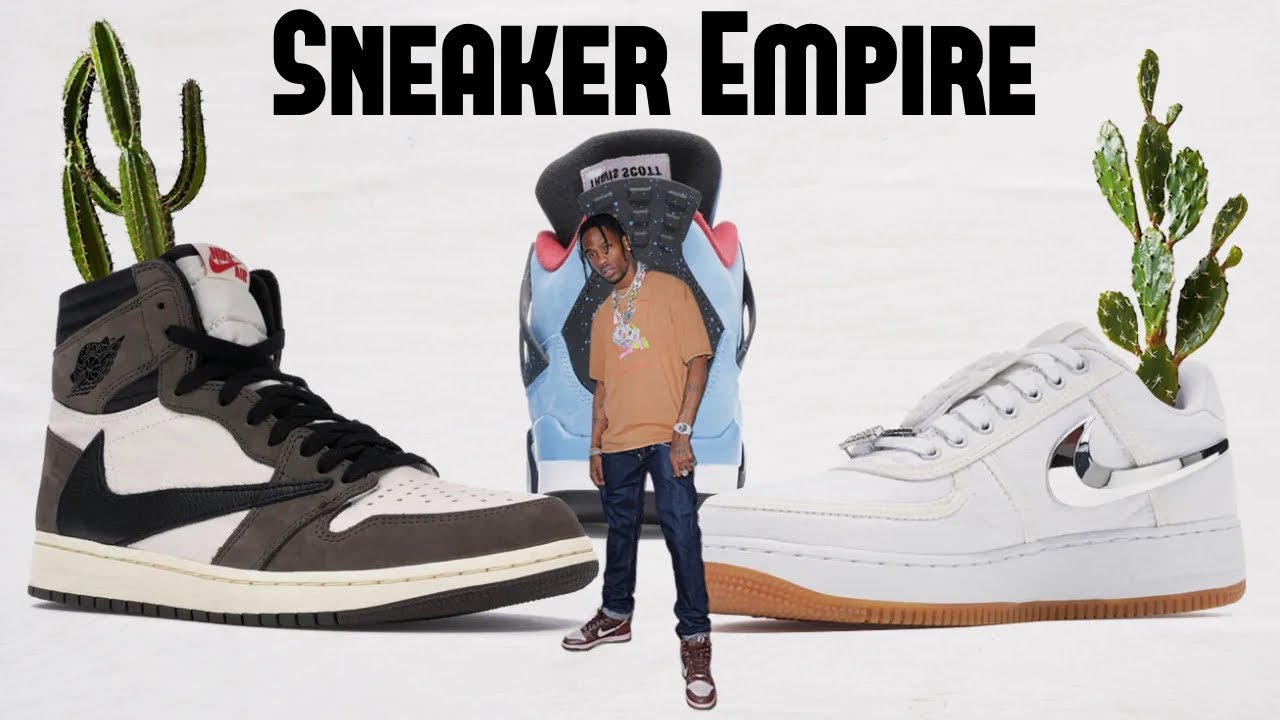
Travis Scott Business Empire - The sneaker empire

If one venture built the financial foundation, it is footwear. Scott’s relationship with Nike and its Jordan Brand subsidiary is widely regarded as the most important collaborative partnership in sneakers today, and it rests on a single audacious design decision.

When Scott pitched Jordan Brand in 2017, he proposed reversing the Nike swoosh on the Air Jordan 1. The swoosh had faced forward on every Air Jordan 1 since 1985. Flipping it backwards broke one of the most sacred rules in sneaker design. It worked. The “reverse swoosh” became his signature, a visual watermark that instantly marks a shoe as a Travis Scott collaboration.

The numbers around the resale market tell the story of how much demand he created. The 2019 Air Jordan 1 High “Mocha” released at $175 and still trades above $1,000 on the secondary market years later. Deadstock pairs of the rarest collaborations, including the Fragment Design three-way Air Jordan 1, regularly sell in the thousands of dollars. Industry trackers reported that Travis Scott Air Jordan 1 collaborations averaged roughly $451 in resale value during 2024, a markup of nearly 200 percent over retail. The partnership has stayed productive, with releases like the Air Jordan 1 Low “Velvet Brown” and the Air Jordan 3 “Cactus Jack” keeping the pipeline full into the mid-2020s.

Scott did not just sell shoes. He turned scarcity, a backwards logo and consistent design language into cumulative brand equity, where the design element itself became proof of authenticity. That is the difference between a celebrity sneaker and a celebrity sneaker business.

Luxury fashion and the Dior moment
Travis Scott Business Empire - Luxury fashion and the Dior moment

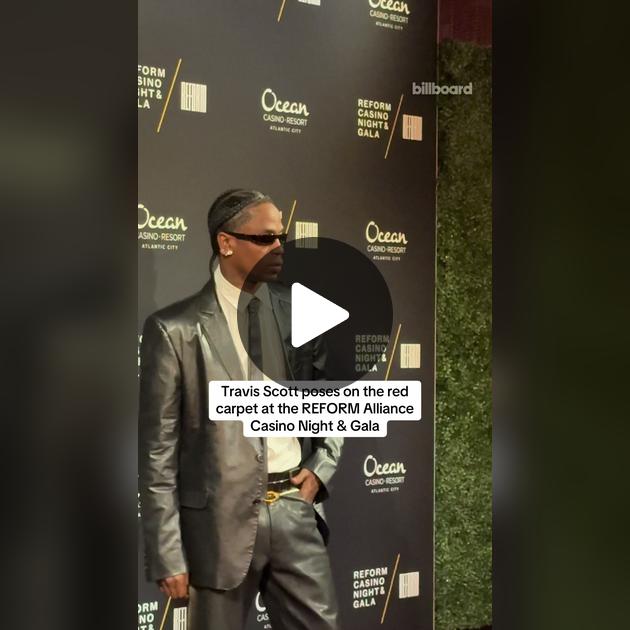
Sneaker collaborations are common in hip-hop. Couture is not. In June 2021, Dior unveiled its spring 2022 men’s collection in partnership with Scott, a project the house called “Cactus Jack Dior.” It was the first full Dior collection ever created with a musician, designed alongside then-artistic director Kim Jones and staged at Dior’s first physical men’s runway show in eighteen months. The collection reached the public on July 13, 2022.

The significance went beyond the clothes. For a luxury maison built on heritage and exclusivity to fold a rapper’s record-label name into its house identity was a statement about where cultural authority now sits. Scott had crossed from streetwear cred into the rarefied air of European couture, and he did it without diluting the Cactus Jack signature. The deal positioned him as a designer and a tastemaker rather than a famous face hired to model.

The McDonald’s masterstroke
Travis Scott Business Empire - The McDonald's masterstroke

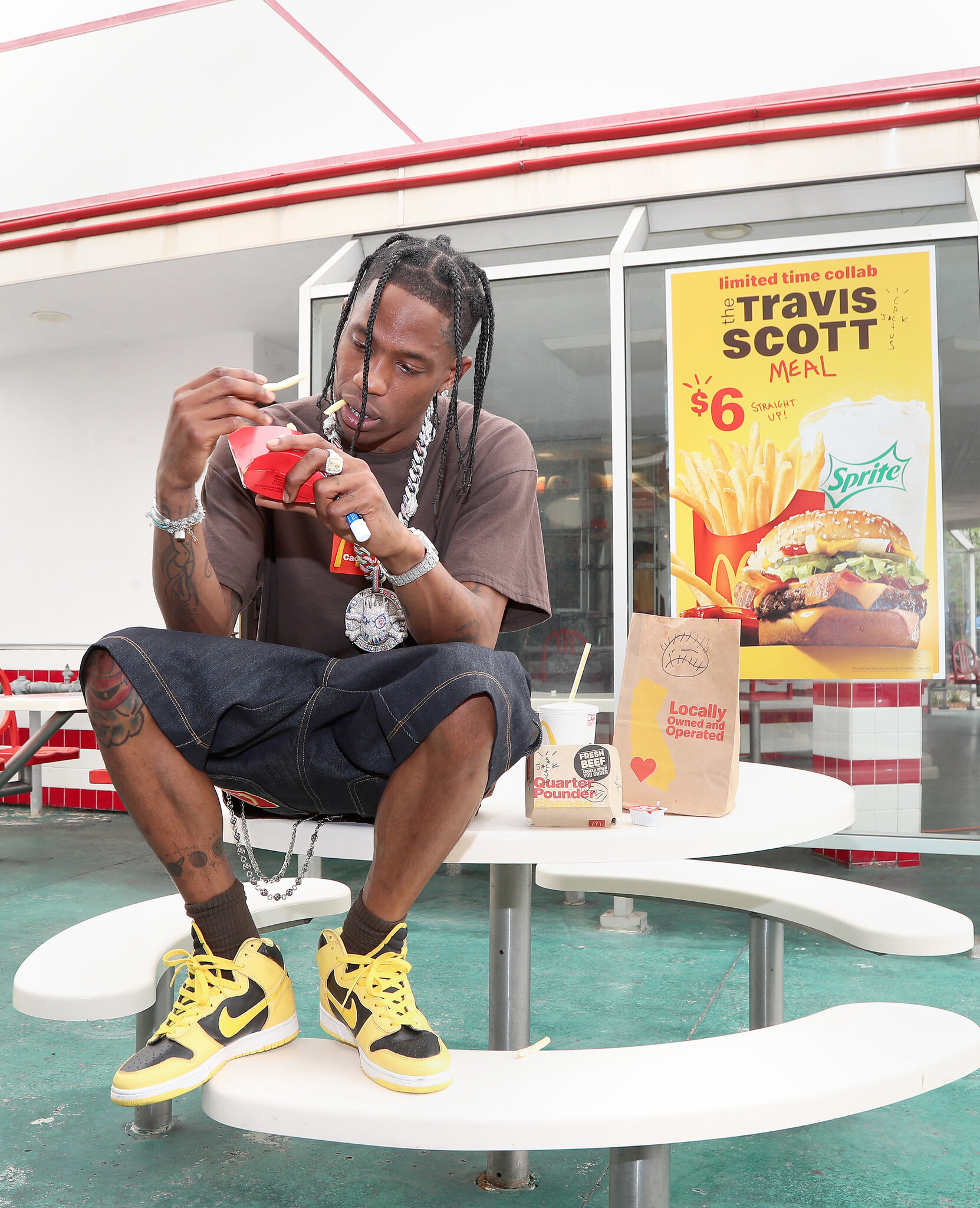
Then came the move that put him in mainstream households. In September 2020, McDonald’s launched the “Travis Scott Meal,” a $6 combo of a Quarter Pounder with cheese, bacon and extra lettuce, medium fries with barbecue sauce, and a Sprite. It was the first time the chain had put a celebrity’s name on a meal since the Michael Jordan “McJordan” in 1992.

Advertisement

Scott personally launched it at a McDonald’s in Downey, California, on September 8, and the rollout went far past the menu. He dropped a full merchandise collection riffing on vintage McDonald’s visuals, including a $90 Chicken McNugget body pillow and a $45 retro metal lunchbox, and the Cactus Jack team even designed new crew uniforms for staff. Some restaurants temporarily sold out of ingredients, forcing the chain to scramble on supply.

The genius was in the framing. Scott did not endorse McDonald’s. He made McDonald’s part of the Cactus Jack world, turning a mass-market burger into a collectible drop. It demonstrated that his audience would follow him into any category, which is exactly the proof of concept a brand wants before it writes a big cheque.

The ripple effect was immediate. The deal worked so well that McDonald’s went on to build a whole “Famous Orders” platform around the idea, signing later partnerships with acts like BTS, J Balvin and Cardi B and Offset. In other words, Scott did not just cash a cheque, he handed a Fortune 500 company a marketing template it kept reusing. For a Nigerian or wider African readership watching from outside the United States, the takeaway is portable: the value Scott created was not in the burger but in the story he wrapped around it, and that kind of storytelling does not require a McDonald’s-sized budget to copy.

Gaming and the metaverse moment

Travis Scott Business Empire - Gaming and the metaverse moment

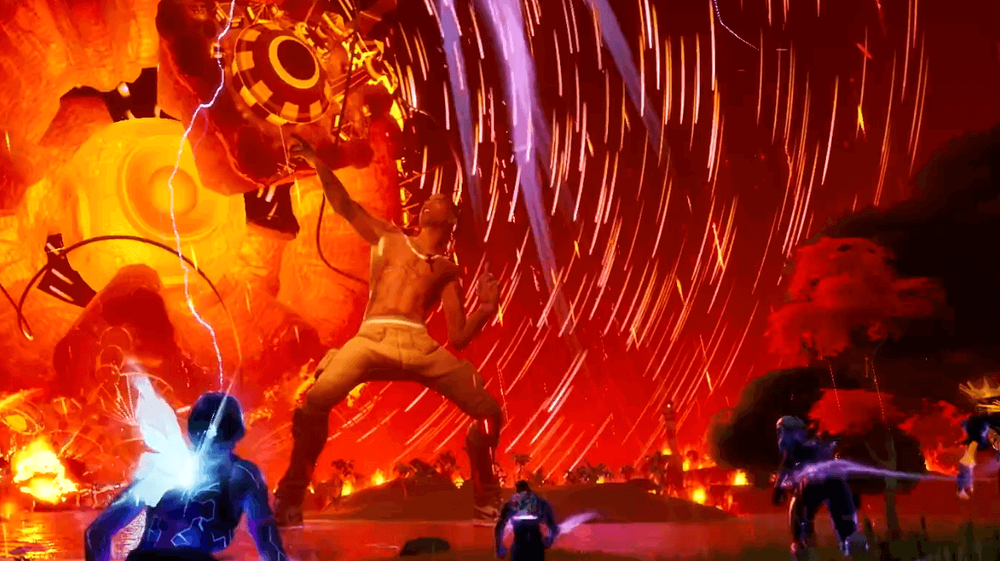
A month earlier, in April 2020, Scott had pulled off something no concert promoter could have sold tickets to. He performed “Astronomical,” a virtual in-game concert inside Fortnite, with a towering digital avatar moving across the game’s map while the world was locked down by the pandemic.

Epic Games reported that the premiere drew 12.3 million concurrent players, an all-time record for an in-game event at the time, with more than 45 million total players across the multiple staged screenings. The show was a surreal, psychedelic spectacle that fans could not replicate anywhere else, and it cemented Scott as the artist most fluent in the language of digital experiences. Long before “metaverse” became a corporate buzzword, he had already headlined one and drawn an audience larger than any stadium tour could hold.

Cacti and the Astroworld fallout

Not every venture has run clean. In March 2021, Scott launched Cacti, an agave-based spiked seltzer, in partnership with Anheuser-Busch. It came in pineapple, lime and strawberry at 7 percent alcohol, and it sold out at many retailers within a day, reportedly outselling any variety pack in Anheuser-Busch history during its first week.

The trajectory changed on November 5, 2021. A crowd crush at Scott’s Astroworld Festival in Houston killed ten people and injured hundreds more. It was a genuine tragedy, and it reshaped his commercial standing overnight. Roughly a month later, in December 2021, Anheuser-Busch discontinued Cacti, citing the events at the festival. Other partners paused or quietly stepped back from planned activity.

The Astroworld disaster is the clearest illustration of how exposed a personality-driven brand can be. When the empire is built on one person’s name, that name’s reputation becomes the load-bearing wall. The recovery has been gradual. Cacti was quietly relaunched in early 2024 with a reformulated 5 percent ABV product, and Scott’s core partnerships in sneakers and fashion resumed their cadence, but the episode remains a sober reminder that cultural capital can drain as fast as it accumulates.

What the empire is worth

Putting a precise figure on Scott’s wealth is impossible, and any number should be read as an estimate rather than a documented fact. Celebrity Net Worth, the most frequently cited tracker, places his net worth at around $80 million. Other industry estimates run somewhat higher, into a $90 million to $110 million range depending on how touring revenue, brand equity and asset values are counted. A few more conservative trackers put it lower.

What the spread makes clear is that he sits among the most commercially powerful rappers of his generation while remaining below hip-hop’s billionaire tier. He does not appear on Forbes’ billionaire list. The wealth is real and diversified – touring, music, merchandise, the Nike and Jordan royalties, Cactus Jack and a stack of brand deals all feed it – but it is the durability of those income streams, not a single headline number, that defines the empire.

It is worth pausing on why these figures should be treated with caution. Net worth estimates for entertainers are notoriously unreliable. They rely on public touring grosses, guesses about private equity stakes and licensing splits that are almost never disclosed, and assumptions about spending that no outside tracker can verify. Two reputable outlets can land tens of millions apart on the same person in the same year. So the honest framing is not “Travis Scott is worth X” but “Travis Scott is worth a lot, across more than one industry, in a way that does not collapse if any single venture fails.” That diversification is the real headline. A rapper who depends only on album sales is exposed to one market. Scott is exposed to several, which cushions him when one stumbles, as the Cacti episode showed.

The playbook other artists are copying

By 2025 and into 2026, the structure Scott pioneered has become a template. The Cactus Jack model showed up everywhere: own the brand, control the design, build a coherent world and let fans buy their way into it across categories. His own reach has only widened, with an appointment as Chief Visionary Officer at the eyewear company Oakley in 2025 and a special-edition Cactus Jack sponsorship across FC Barcelona’s kit, signalling that the brand can now plug into sports and corporate strategy, not just culture.

The lesson younger artists have absorbed is that a hit record is a starting point, not a finish line. A song opens a door. What you build behind that door – the label, the sneaker line, the fast-food drop, the virtual concert, the couture partnership – is what turns a moment into an empire. Scott’s catalogue of ventures, scars included, is now studied less as a discography and more as a business case. The next Cactus Jack is almost certainly being sketched in a notebook right now by someone who grew up ordering a $6 meal with a rapper’s name on it.


Sources: Wikipedia – Travis Scott; Wikipedia – Cactus Jack Records; Variety; McDonald’s Corporate; NPR; Wikipedia – Astronomical; WWD – Dior; Billboard – Cacti; Wikipedia – Astroworld Festival crowd crush; Celebrity Net Worth.

Advertisement
Share
Get the recap

Loved this story? Get more like it.

Join readers who get our weekly entertainment recap - the stories worth your time, delivered every Friday.

No spam. Unsubscribe anytime. By signing up you agree to our Privacy Policy.

Travis Scott's Business Empire:... | Sidomex Entertainment