Supergirl and the New Wave of Female Superhero Films - What African Audiences Need to Know
Nova Patricks··10 min read
Ad SpaceArticle Top - 728x90
Advertisement
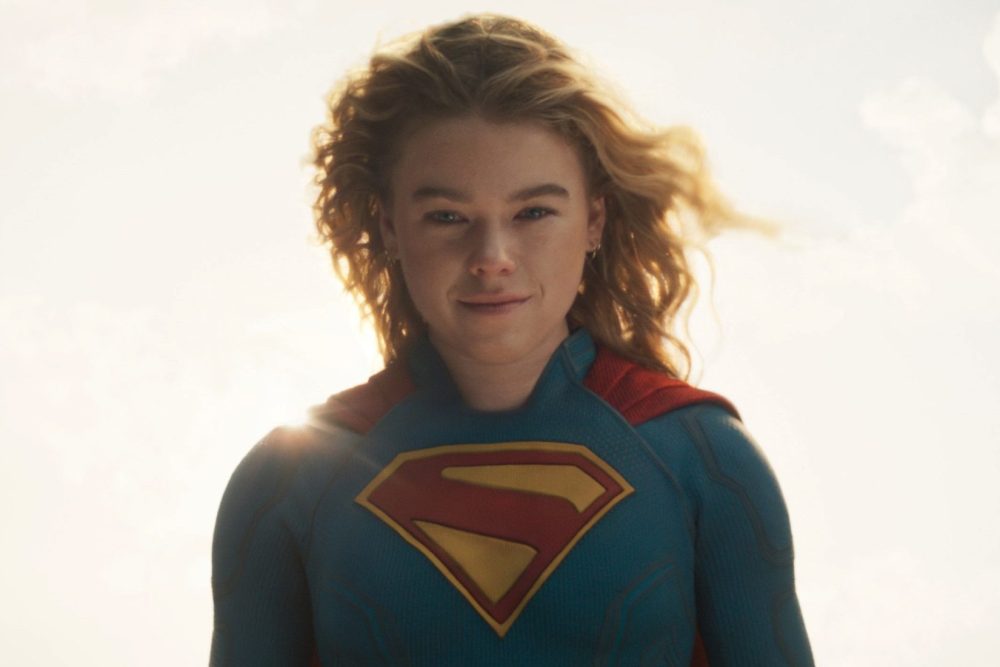
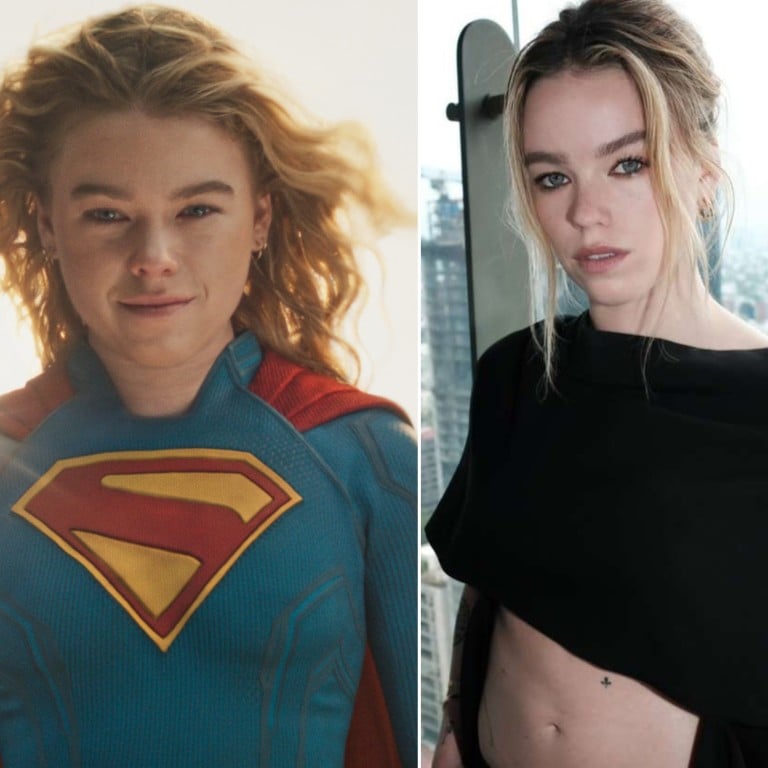
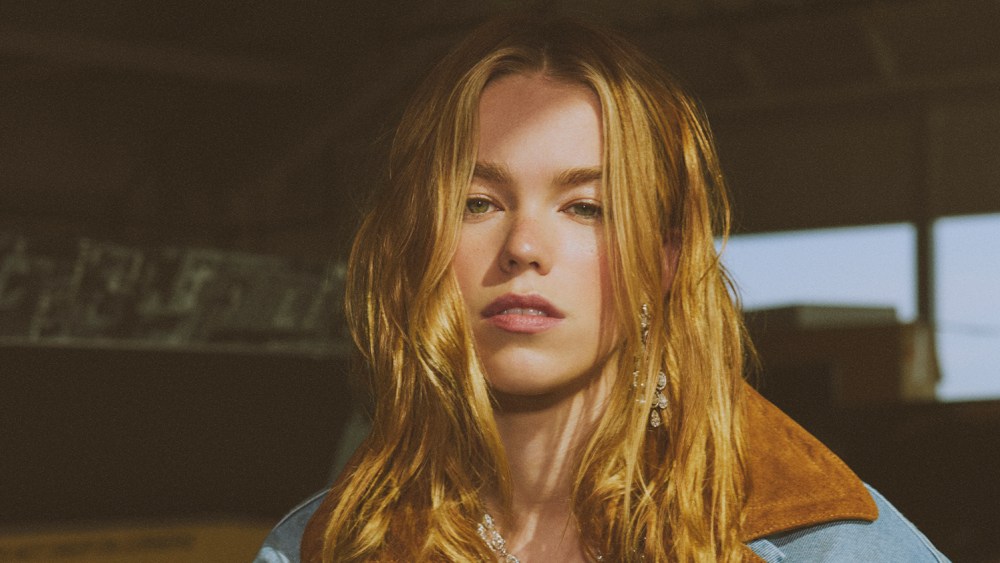
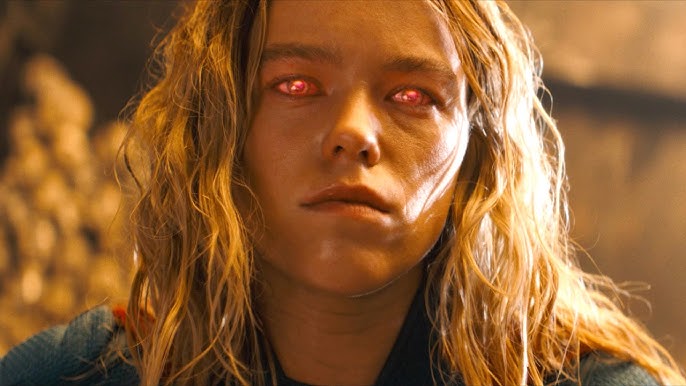
Walk past any Filmhouse or Genesis lobby this week and the poster is hard to miss: a blonde figure in red and blue, cape catching wind, staring out with something closer to grief than triumph. That is Milly Alcock as Kara Zor-El, and the film she fronts arrives in cinemas on 26 June 2026 with more riding on it than a single weekend’s box office. Supergirl is the second movie in the rebuilt DC Universe overseen by James Gunn and Peter Safran, and it lands at a strange, telling moment for the female superhero - a moment where the genre that once treated women as sidekicks or love interests is now handing them galaxies to cross and grudges to settle.
For viewers in Lagos, Accra, Nairobi or anywhere the Marvel and DC machine reaches, the Supergirl release is a useful door into a bigger conversation. Who gets to lead these films now? What happened to the wave of female-led blockbusters that studios promised a few years ago? And, just as practically, where does a fan in Nigeria actually watch them once the cinema run ends?
The Supergirl moment
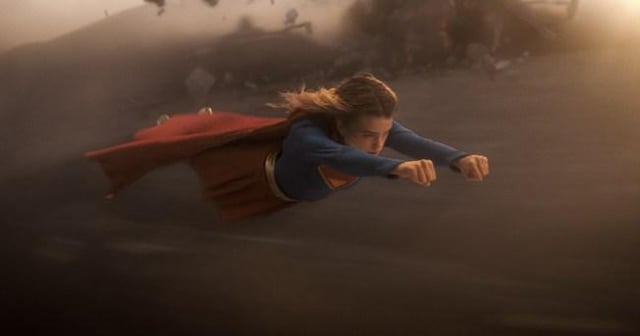
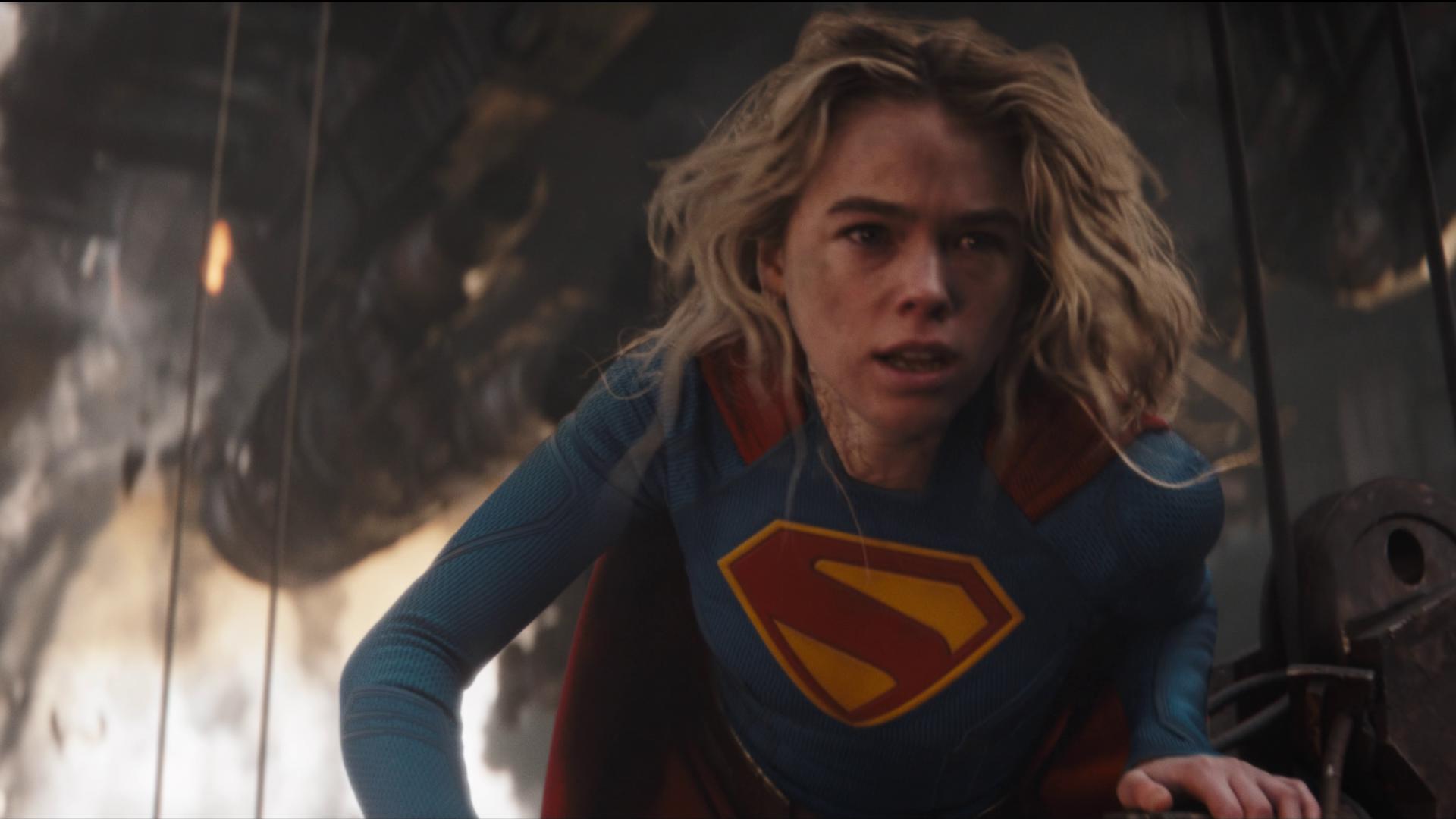
The version of Kara Zor-El arriving on screen is not the wholesome, sunny cousin of Superman that older fans grew up with. Director Craig Gillespie, the filmmaker behind I, Tonya and Cruella, has built the movie around Tom King and Bilquis Evely’s acclaimed 2021 to 2022 comic miniseries Supergirl: Woman of Tomorrow, with a screenplay by Ana Nogueira. In that story, Kara is a harder, lonelier figure who watched her own world die before she ever reached Earth, and the film follows her across the galaxy on a quest for revenge after a young alien girl named Ruthye asks for her help avenging a murdered father.
That premise alone marks a shift. Studios have spent years selling female superheroes as aspirational and unbreakable. Supergirl, by contrast, leans into a character described by DC’s own marketing as a total mess, a hero who is not particularly interested in being anyone’s hero. Early reviews out of the Brooklyn premiere on 22 June have singled out Alcock, fresh off House of the Dragon, for a performance that critics have called oddly human and self-destructive in the best way. Whether the wider audience embraces a messier, angrier Supergirl is one of the open questions the next few weekends will answer.
The 2026 film and the new DC Universe
Context matters here, because Supergirl is not a standalone experiment. It is a load-bearing brick in the new DC Universe, the continuity that Gunn and Safran launched in 2025 with Superman, the David Corenswet film that reset the franchise after years of false starts. Gunn has publicly confirmed that Supergirl sits in the timeline between that Superman film and a planned sequel, Man of Tomorrow, which means Kara’s story is meant to ripple forward into everything DC builds next.
Corenswet appears again as Superman, and the cast around Alcock is deliberately heavyweight. Jason Momoa, already known to global audiences as Aquaman in the old DC films, takes a new role here as the bounty hunter Lobo. Matthias Schoenaerts, Eve Ridley as Ruthye, David Krumholtz, Emily Beecham and others fill out a story that travels far beyond Earth. The film was shot across Warner Bros. Studios Leavesden, London and Scotland through the first half of 2025, and it carries the visual ambition of a space epic rather than a city-bound origin tale.
For DC, the stakes are reputational as much as financial. After a decade of uneven output, the Gunn era is trying to prove that audiences will follow a planned, connected universe again. Putting a female lead second in the batting order, right after Superman himself, is a statement of intent. It says the new DC does not treat its heroines as afterthoughts to be slotted in once the men have done the heavy lifting.
The new wave of female-led superhero films
Step back from DC and the picture across the genre is more complicated. The mid-2020s were supposed to be a golden run for women in capes, and in some ways they were, but the results have been mixed enough to reshape studio thinking.
Marvel’s most prominent recent swing was The Marvels in 2023, directed by Nia DaCosta. It united Brie Larson’s Carol Danvers with Teyonah Parris as Monica Rambeau and Iman Vellani as Kamala Khan, the teenage Ms. Marvel, into a trio of women carrying a major MCU release. Creatively it had defenders, but commercially it stumbled hard, becoming one of the lowest-grossing films in Marvel Cinematic Universe history. That single result cast a long shadow. A third Captain Marvel film now looks unlikely, and the studio quietly pivoted much of its female-led storytelling to streaming.
That pivot is real and worth understanding. In 2024 Marvel leaned on Disney+ series rather than cinema for its women, with Alaqua Cox leading Echo and Kathryn Hahn returning as the witch Agatha Harkness in Agatha All Along. In 2025 came Ironheart, built around Riri Williams, the genius inventor first introduced in Black Panther: Wakanda Forever. The pattern is clear: after The Marvels, Marvel kept telling stories about women but moved them off the big screen and onto subscription platforms, where a softer commercial bar applies. By most accounts, the 2026 Marvel slate is the first in years without a female-led film or series at its centre, which makes DC’s Supergirl the standout female superhero movie of the year almost by default.
DC, meanwhile, is moving the other way. Beyond Supergirl, an untitled Wonder Woman film is in development, with Ana Nogueira, who wrote Supergirl, attached to the screenplay. After Gal Gadot’s earlier run as the character ended, a fresh take on Wonder Woman inside the new universe would give DC two marquee heroines anchoring its plans. The two studios, in other words, have drawn different lessons from the same few years - Marvel retreating to streaming, DC doubling down in theatres.
How the portrayal of women in the genre has evolved
It helps to remember how recent all of this is. For most of superhero cinema’s history, women existed at the edges of the frame. They were the journalist to be rescued, the scientist to explain the plot, the girlfriend to be threatened in the third act. Even strong characters were rarely allowed to carry a film on their own name.
Ad SpaceIn-Article - 300x250
Advertisement
The turn began in earnest with Wonder Woman in 2017, the Patty Jenkins film that proved a woman-led superhero movie could be both a critical success and a global box-office giant. Captain Marvel followed in 2019 and crossed a billion dollars worldwide, silencing the lazy assumption that audiences would not show up for a female lead. Those wins forced a genuine rethink, and the characters that followed grew more complex for it.
What Supergirl represents is the next stage of that evolution: the freedom to make a heroine unlikeable, flawed and even cruel without apology. For decades, female characters were burdened with having to be perfect, to justify their place by being more noble than the men around them. A Kara Zor-El who is grieving, vengeful and emotionally raw is, paradoxically, a sign of progress. She gets to be a full character rather than a role model. That same permission has shown up elsewhere, from the morally tangled women of Marvel’s streaming shows to antiheroines across the wider comic-book landscape. The bar has shifted from can a woman lead a film to what kind of woman gets to lead one.
There is a caution worth naming. The retreat of female-led films from cinemas to streaming, however practical it looks on a balance sheet, risks quietly downgrading these stories to the smaller screen while the men keep the multiplex. The genre’s progress on this front is real but not guaranteed, and the performance of films like Supergirl will shape how confidently studios commit going forward.
The African and Nigerian audience angle
None of this reaches African fans automatically, and the practical questions matter as much as the cultural ones. Appetite has never been the problem. Nigerian and broader African audiences have shown up reliably for superhero tentpoles, and chains like Filmhouse and Genesis Cinemas treat the big Marvel and DC releases as anchor events on their calendars. Filmhouse’s own social channels have been promoting Supergirl ahead of its arrival, a sign the film is part of the lineup rather than a title that skips the region.
For the theatrical window, the cinema remains the most dependable way to catch a new release like Supergirl in Nigeria, and the major chains are the place to check showtimes. EbonyLife Cinemas has been part of that landscape too, giving Lagos audiences another premium screen for international blockbusters. The exact local opening date and showtimes are best confirmed directly with each chain, since regional schedules can sit a little ahead of or behind the United States release rather than matching it to the day.
Streaming is where the picture has genuinely changed, and African fans should pay close attention. For years, Showmax was a primary home for Warner Bros. and DC titles across the continent, but that arrangement has unravelled. HBO and Warner Bros. content left Showmax in January 2026 after MultiChoice and Warner Bros. Discovery failed to extend their deal, and Showmax itself is being wound down, with the service set to close at the end of April 2026 and transition toward DStv Stream and, in time, Canal+. The practical upshot reported across the industry is that Warner Bros. content, including DC’s superhero films, has been moving to Prime Video in the region. For a Nigerian fan planning where to stream Supergirl once its cinema run ends, Prime Video is the most likely eventual home, though no streaming date has been announced and availability is worth verifying closer to the time rather than assumed now. Netflix, for its part, continues to carry a rotating library of superhero films and series, but it is not the guaranteed destination for a new Warner Bros. theatrical title.
The honest summary for African viewers is this: see it in the cinema if you can, because the post-theatrical streaming path is in flux this year and the old certainties about which platform holds DC titles no longer apply.
African representation in the genre
The conversation about who leads these films connects directly to a question African audiences have every right to ask: where are we in them? The answer, for a brief and electric stretch, was Wakanda.
Black Panther in 2018 did something no superhero film had managed before, placing a fictional African nation and a predominantly Black cast at the centre of a global blockbuster. Its women were not decoration. Danai Gurira’s Okoye led the Dora Milaje, the all-female royal guard whose name means the adored ones, with a ferocity that became one of the film’s defining images. Lupita Nyong’o, the Kenyan-Mexican actress, played Nakia, learning Xhosa for the role. Letitia Wright’s Shuri, the scientific genius behind Wakanda’s technology, grew across both films into the mantle of Black Panther herself in Wakanda Forever, while the German-Ugandan actress Florence Kasumba appeared as the warrior Ayo. These were African and diaspora women written as warriors, inventors and rulers, and audiences across the continent felt the difference.
That representation has not been matched at the same scale since, and it would be dishonest to pretend Wakanda solved the genre’s diversity question on its own. But its influence keeps surfacing. Riri Williams, the young Black inventor introduced in Wakanda Forever, carried her own Marvel project. And the appetite the film exposed has fed a homegrown response: the Nigerian-rooted animated superhero series Iyanu, drawn from Roye Okupe’s YagaVerse comics, reached audiences through Cartoon Network, Max and Showmax across dozens of African countries, proof that the superhero form is being claimed and remade by African creators rather than only imported.
What the Supergirl release actually means
Strip away the marketing and Supergirl is a test of a simple proposition: that a female lead can anchor a major theatrical superhero film in a year when the other studio has pulled its women back to streaming. Alcock’s Kara arrives flawed and furious, a long way from the perfect heroines the genre once demanded, and that alone makes her worth watching as a marker of how far the form has travelled.
For fans in Lagos, Abuja, Accra and beyond, the move is straightforward. The cinemas are showing it now, Filmhouse and Genesis and EbonyLife among them, and the theatrical screen remains the cleanest way to see it while the streaming map gets redrawn under everyone’s feet. Buy the ticket, check the local showtime with the chain directly, and judge for yourself whether this messier, harder Supergirl earns the cape. The blonde figure on the poster outside is already staring back, daring you to find out.
Ad SpaceIn-Article - 300x250
Advertisement
Share
Get the recap
Loved this story? Get more like it.
Join readers who get our weekly entertainment recap - the stories worth your time, delivered every Friday.
No spam. Unsubscribe anytime. By signing up you agree to our Privacy Policy.