
Table of Contents
- The Debut That Has Everyone Talking
- Shakira’s Unmatched World Cup Legacy
- Burna Boy Takes the Global Stage Once More
- World Cup Music and the Hot 100: A Rare Relationship
- When Afrobeats Meets Latin Pop: The Bigger Picture
- What Comes Next for ‘Dai Dai’ and Its Artists
The Debut That Has Everyone Talking

When FIFA dropped the official soundtrack for the 2026 FIFA World Cup, the world was watching closely to see which artists would rise to the occasion. Among the names that turned heads immediately was the pairing of Colombian superstar Shakira and Nigerian Afrobeats titan Burna Boy on a track called “Dai Dai,” and now that song has officially made its mark on the Billboard Hot 100. The debut is significant not just because it represents another World Cup anthem finding mainstream chart traction, but because it cements the cultural weight of a collaboration that many had quietly predicted would be a fan favourite from the moment it was announced. This is the kind of cross-continental musical handshake that fans of both artists had long hoped to see, and it has arrived at exactly the right moment on the global stage.
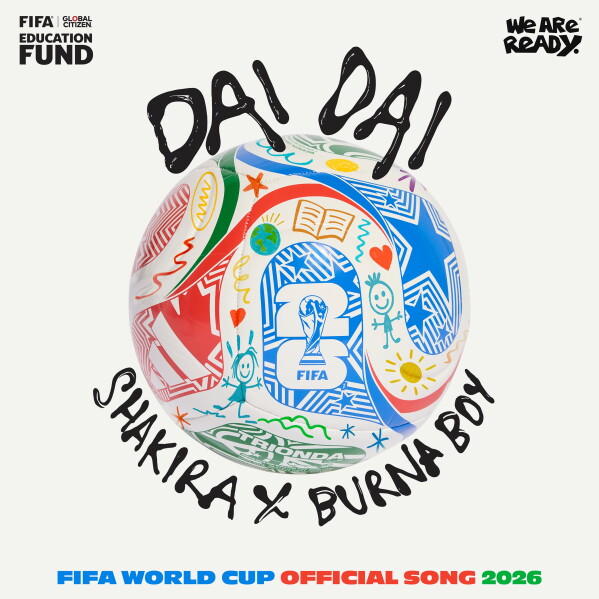
The track arrived as part of FIFA’s broader effort to build a diverse and globally resonant soundtrack for the tournament, which will be co-hosted by the United States, Canada, and Mexico in 2026. “Dai Dai” brings together two of the biggest names in their respective musical worlds - a combination that feels less like a marketing decision and more like a genuine cultural statement. The song’s energy is infectious, blending the rhythmic warmth of Afrobeats production with the unmistakable charisma that Shakira has been bringing to global anthems for two decades now. Its Hot 100 entry proves that the public has not just listened to the track, they have streamed it, purchased it, and played it loud.
Shakira’s Unmatched World Cup Legacy

It would be nearly impossible to talk about World Cup music without talking about Shakira, because at this point she and the tournament feel inseparable. Her 2010 anthem “Waka Waka (This Time for Africa)” became one of the best-selling World Cup songs of all time and remains a defining piece of football culture more than fifteen years later. That song introduced the world to the idea that a World Cup anthem could transcend the tournament itself and live on as a standalone pop classic, and Shakira has been refining that formula ever since. With “Dai Dai” now charting on the Hot 100, she becomes one of the rare artists to have scored multiple World Cup anthems on that particular chart, a feat that underscores just how dominant her connection to the sport’s biggest stage truly is.
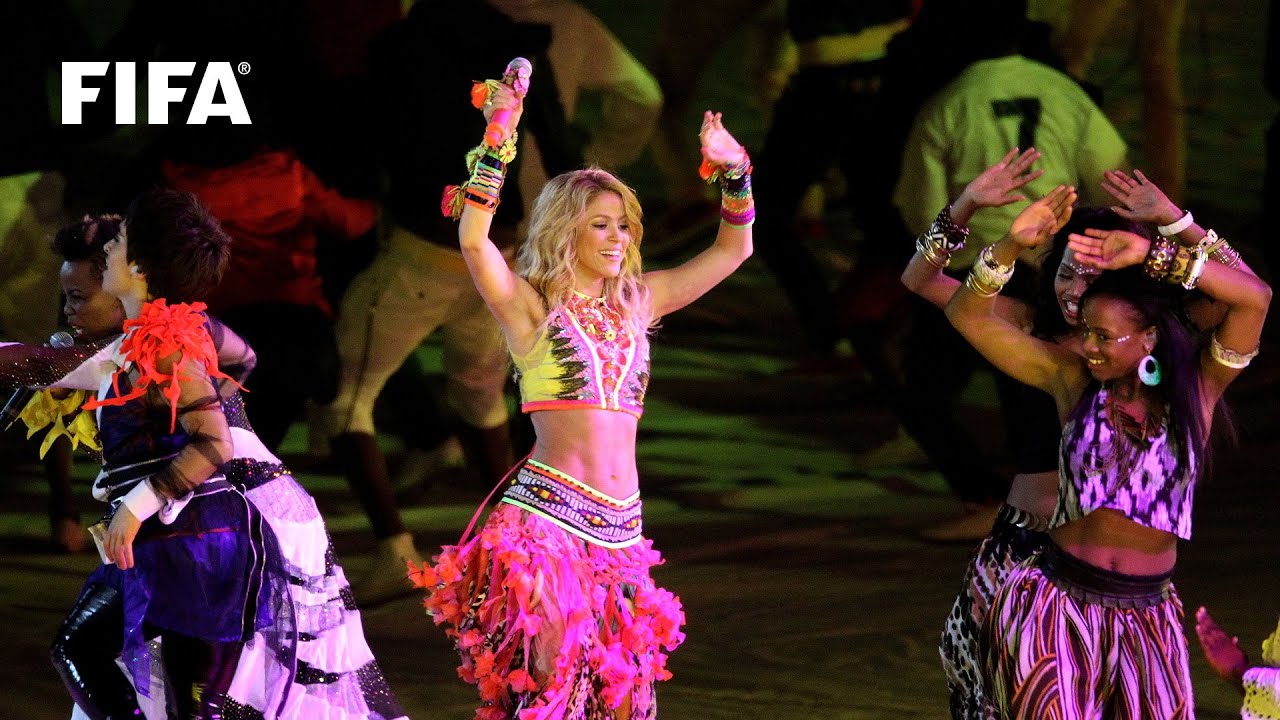
What makes Shakira’s World Cup success so remarkable is that it is not simply a product of nostalgia or timing. She has an instinctive understanding of what music needs to do in that specific context - it has to feel communal, it has to translate across languages and cultures, and it has to carry an emotional charge that mirrors the intensity of the games themselves. “Dai Dai” checks all of those boxes, and the Hot 100 chart position confirms that she has once again read the moment correctly. At a point in her career where she has also been dealing with personal headlines following her very public split from former FC Barcelona defender Gerard Pique, her continued artistic relevance and commercial dominance send a clear message about where her focus lies. She is, by any measure, one of the most dependable hit-makers in the history of global pop music.
Burna Boy Takes the Global Stage Once More
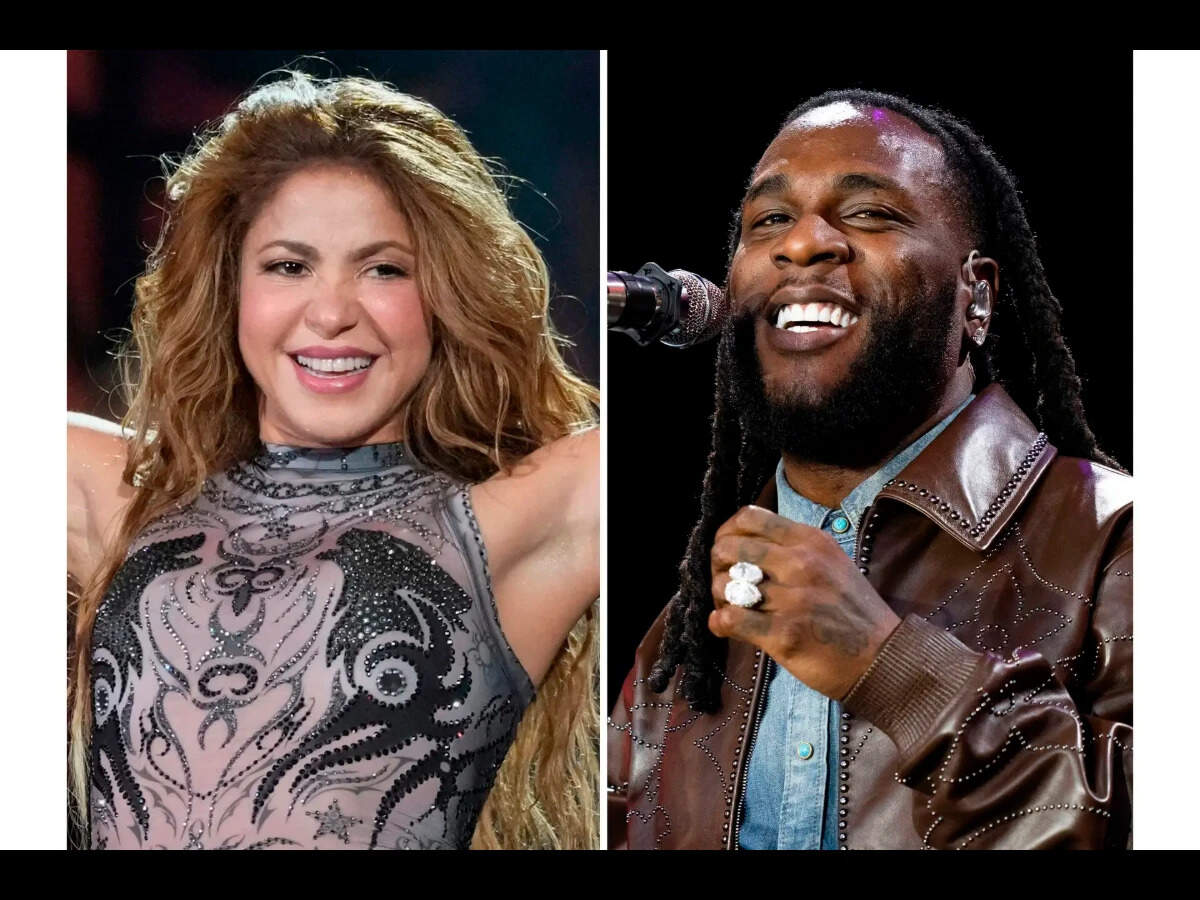
For Burna Boy, this chart entry is yet another chapter in a career that has been defined by a relentless push toward mainstream global acceptance without ever compromising his artistic identity. The Port Harcourt-born star, whose real name is Damini Ebunoluwa Ogulu, has spent the better part of a decade building a sound that bridges Afrobeats, dancehall, reggae, and pop in a way that feels genuinely original. His Grammy win for Best Global Music Album in 2021 for “Twice as Tall” was a landmark moment for Nigerian music on the international stage, and he has only expanded his reach since then. Appearing on a FIFA World Cup anthem alongside Shakira - and landing on the Hot 100 as a result - is another major milestone that solidifies his position as Afrobeats’ most prominent global ambassador.
Burna Boy has never been shy about his ambitions, often speaking openly about his desire to see African music treated with the same commercial and critical seriousness as pop, hip-hop, and rock on the world stage. “Dai Dai” is not just a chart statistic for him - it is a validation of a thesis he has been arguing through his music for years. His appearance on a tournament as globally watched as the FIFA World Cup puts his sound in front of billions of potential new listeners, and the Hot 100 chart entry suggests a meaningful number of them have already responded. This is the kind of high-profile visibility that opens doors, not just for Burna Boy himself, but for the broader wave of African artists who are pushing for greater representation in global pop culture conversations.