

Table of Contents
- Rolling Stone Takes the Stage
- Cherry Lane Theatre: A Historic Venue Gets New Life
- The Intimate Format: Following an Industry Trend
- What to Expect from the Residency
- Impact on Music Journalism and Live Entertainment
Rolling Stone Takes the Stage
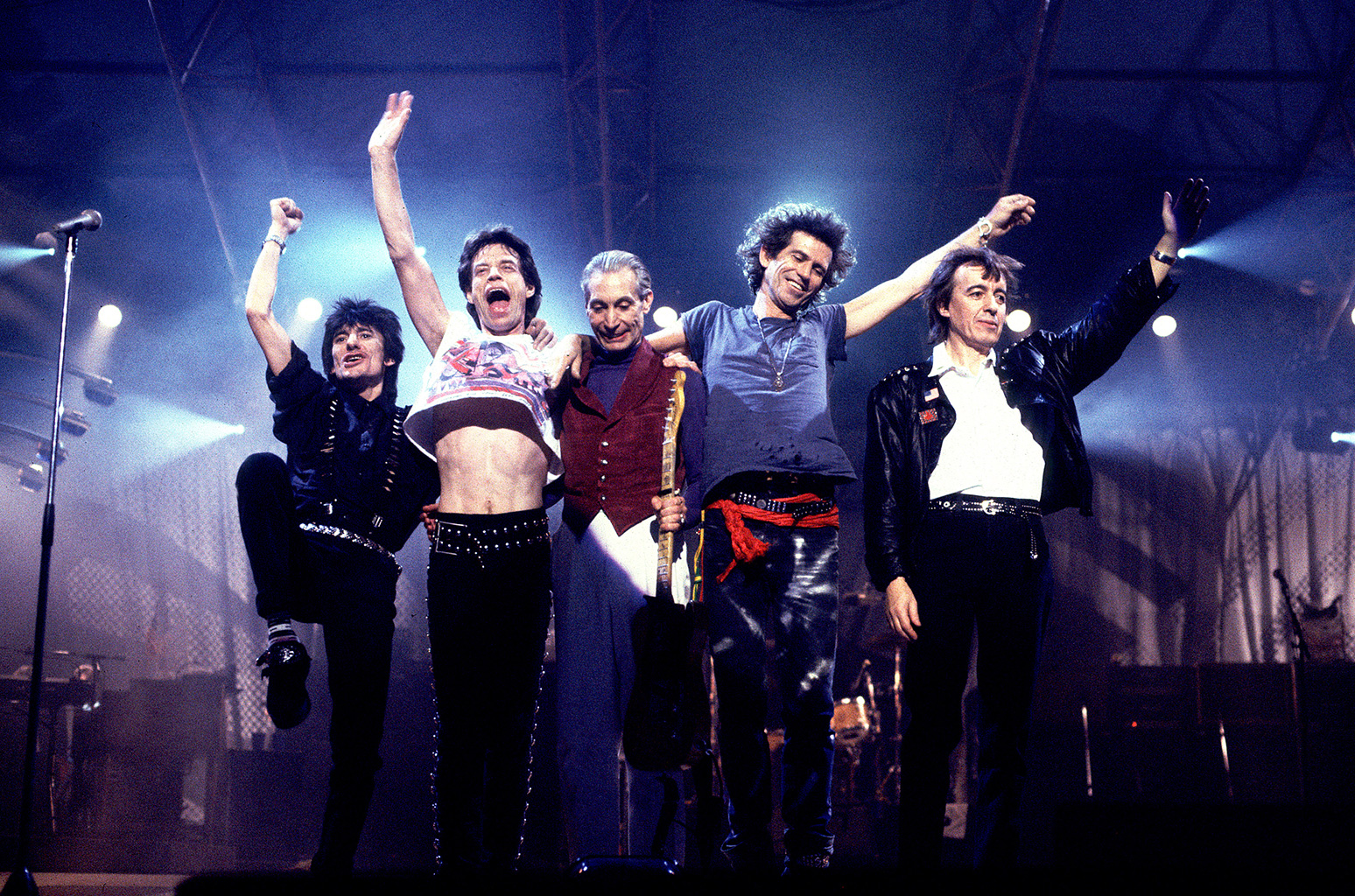
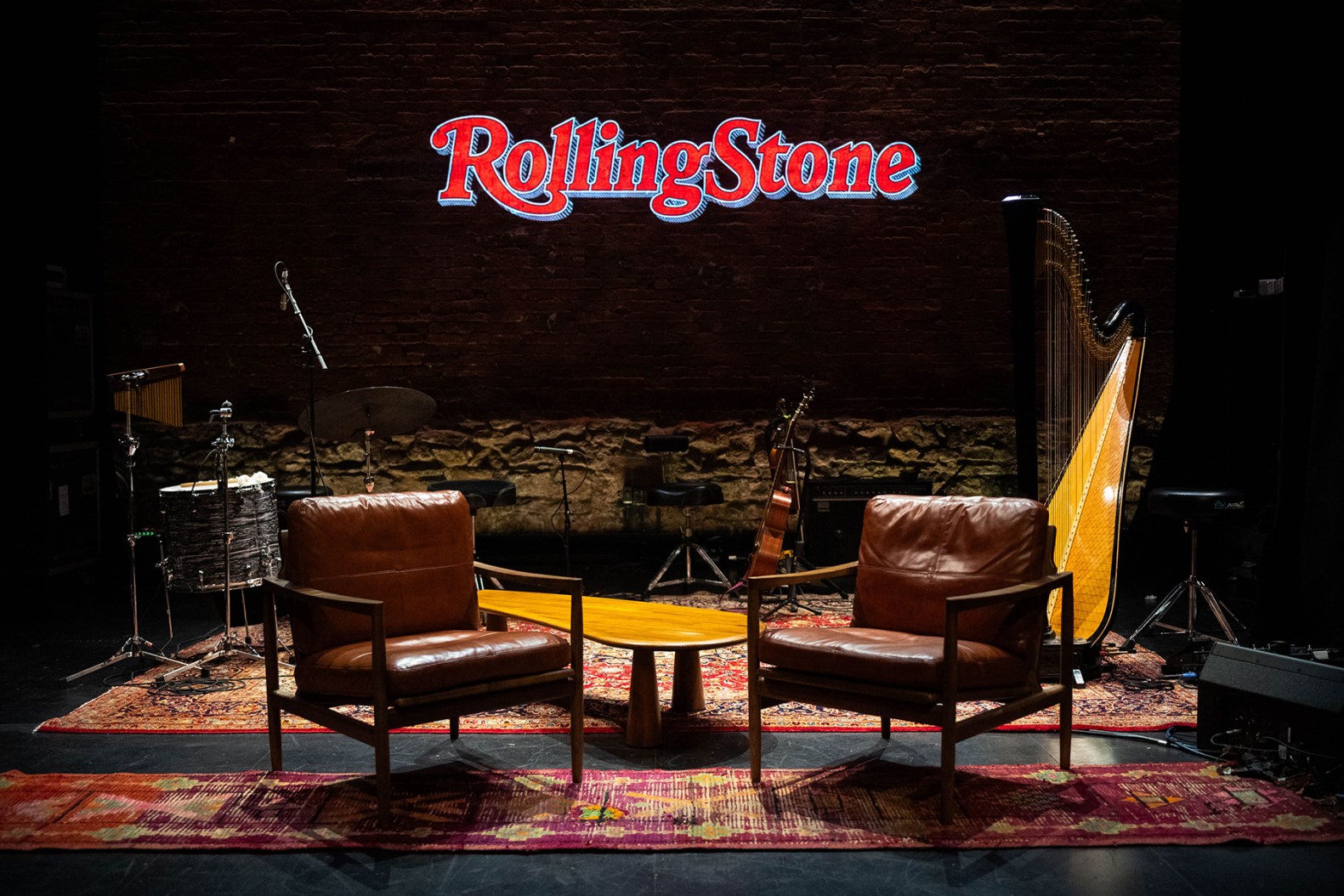
Rolling Stone magazine is stepping beyond the printed page and digital screens to create something entirely new in the entertainment landscape. The legendary music publication has announced the launch of “Rolling Stone Residency” at New York’s historic Cherry Lane Theatre, marking a bold expansion into live entertainment that promises to redefine how audiences experience music journalism. This innovative venture will blend the magazine’s signature interview style with intimate musical performances, creating an immersive experience that brings the stories behind the music directly to fans in one of the city’s most storied theatrical venues.

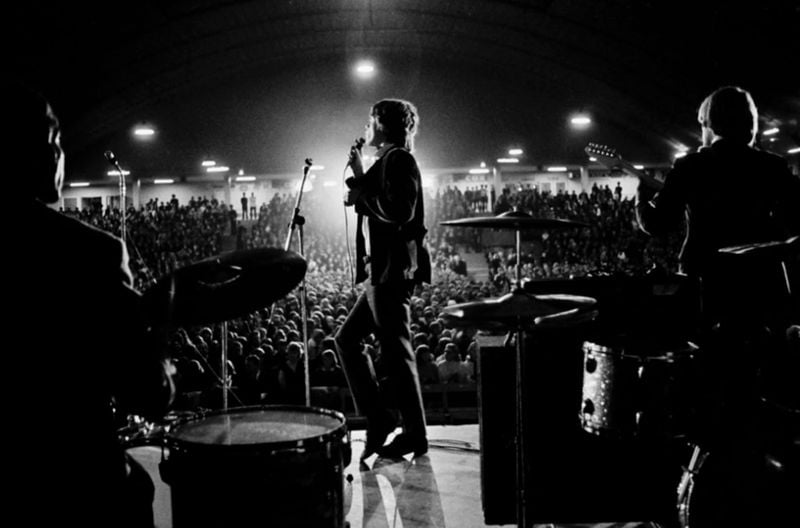
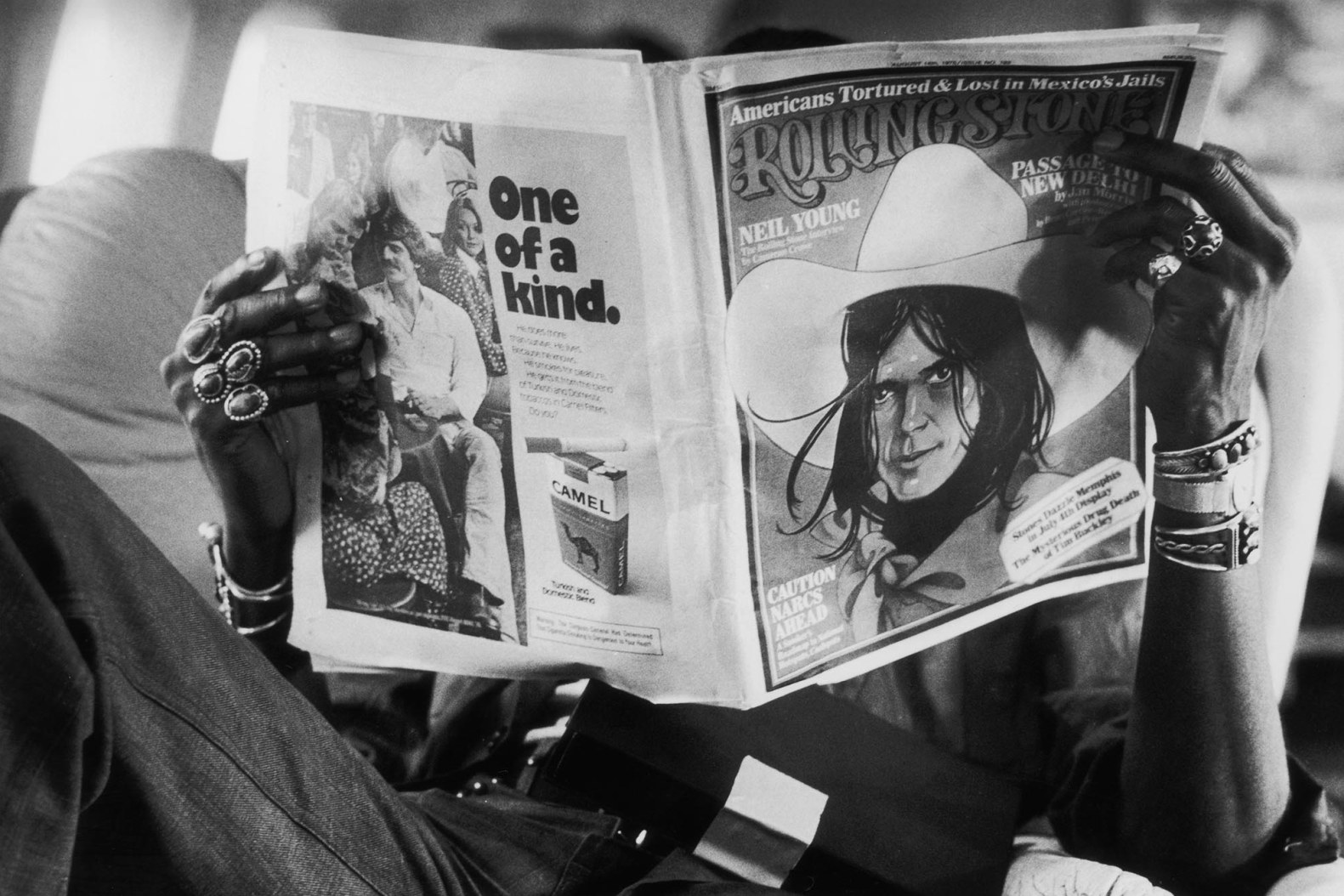
The residency represents more than just a marketing stunt - it’s a strategic pivot that reflects the evolving nature of media consumption in 2024. As traditional print media continues to adapt to digital-first audiences, Rolling Stone’s move into experiential entertainment demonstrates how legacy brands can create new revenue streams while staying true to their core mission. The magazine has long been synonymous with rock and roll culture, having chronicled the careers of everyone from The Beatles and Bob Dylan to contemporary superstars like Taylor Swift and Kendrick Lamar. Now, they’re positioning themselves as curators of live cultural experiences, bringing their decades of industry expertise directly to audiences hungry for authentic, behind-the-scenes content.
Cherry Lane Theatre: A Historic Venue Gets New Life
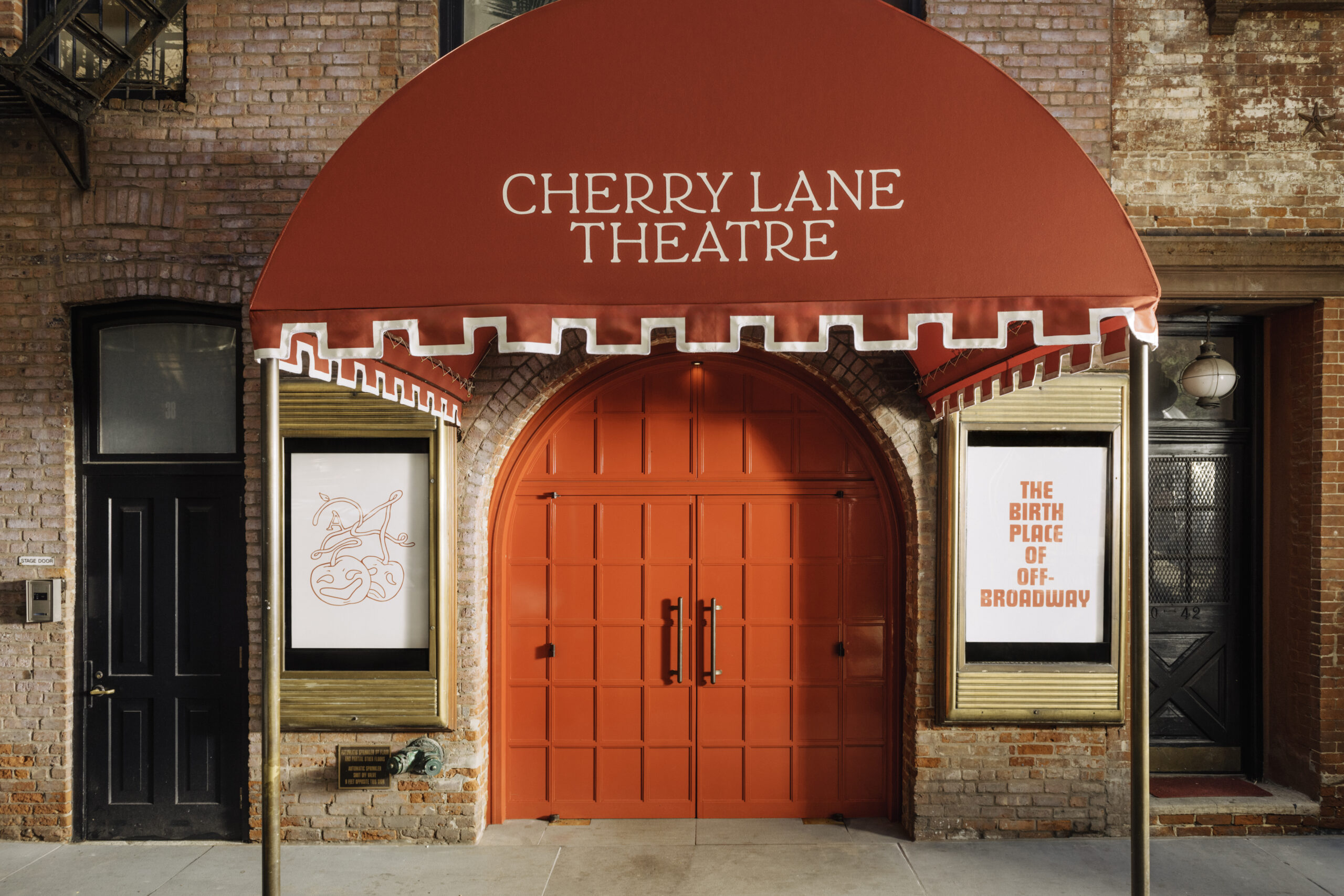
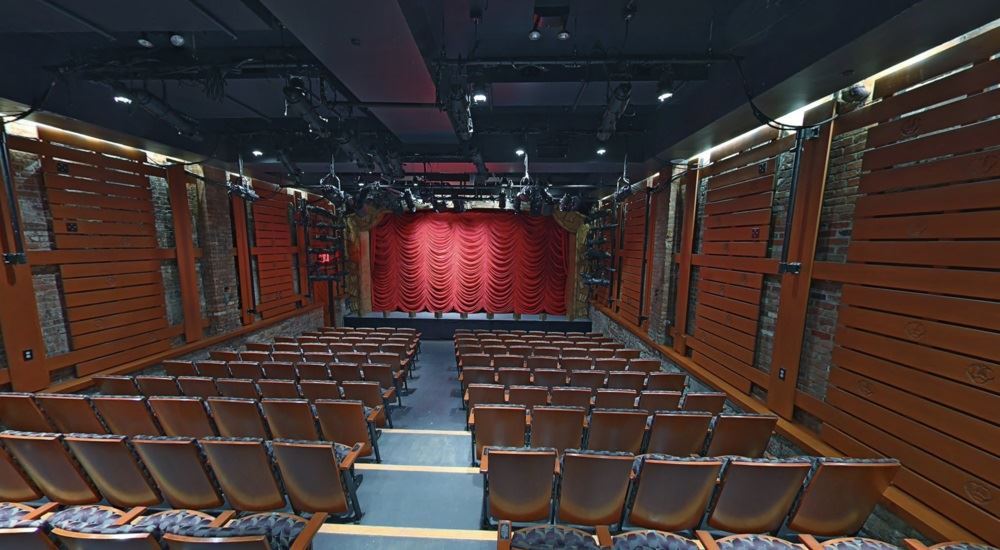
The choice of Cherry Lane Theatre as the residency’s home base is particularly inspired, given the venue’s rich history in New York’s cultural landscape. Located in the heart of Greenwich Village, this intimate 179-seat theater has been a cornerstone of American alternative theater since 1924, making it one of the oldest continuously running off-Broadway venues in the city. The theater has hosted everyone from emerging playwrights to established artists seeking a more personal connection with their audiences, making it the perfect setting for Rolling Stone’s vision of intimate celebrity interviews and acoustic performances.
The West Village location adds another layer of authenticity to the venture, as the neighborhood has been synonymous with the folk music revival of the 1960s and the broader counterculture movement that Rolling Stone helped document and define. Bob Dylan, Joni Mitchell, and countless other artists who became Rolling Stone cover stories first honed their craft in the coffee houses and small venues that dotted the Village’s winding streets. By establishing their residency in this historic neighborhood, Rolling Stone is literally returning to the geographical roots of the music revolution they’ve spent decades covering, creating a full-circle moment that resonates with both the magazine’s legacy and the venue’s storied past.
The Intimate Format: Following an Industry Trend
Rolling Stone’s residency concept taps into a growing trend toward intimate, experiential entertainment that has gained significant momentum in the post-pandemic era. Major artists like Taylor Swift, despite selling out massive stadiums, have also embraced smaller venue performances and acoustic sessions that create deeper connections with fans. Similarly, platforms like NPR’s Tiny Desk Concerts have proven that audiences crave authentic, stripped-down performances that showcase artistry without the spectacle of large-scale productions. The residency format allows Rolling Stone to capitalize on this trend while offering something unique - the combination of journalistic insight with musical performance in a setting that encourages genuine conversation and discovery.