Bill Cody: The Voice of Nashville Mornings, and Why Country Music Is Praying for Him
Jalen Ross··11 min read
Ad SpaceArticle Top - 728x90
Advertisement
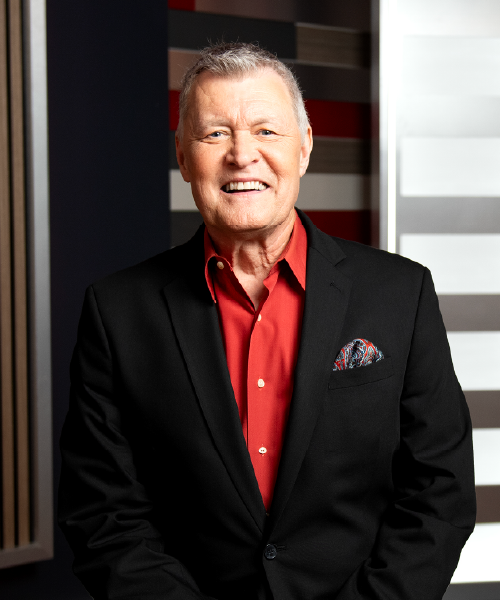
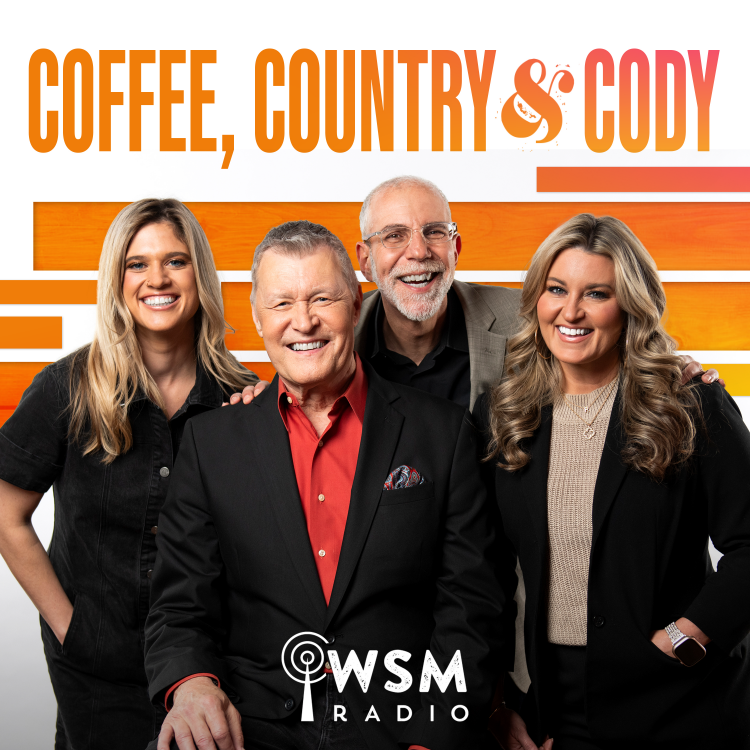
Every weekday for more than three decades, Nashville has woken up to the same voice. Before the tour buses roll out, before the songwriters shuffle into their Music Row offices, before the neon comes on along Lower Broadway, Bill Cody has been there on WSM Radio 650 AM, pouring the coffee and cueing the records on “Coffee, Country & Cody.” Right now, that voice is silent, and an entire genre is holding its breath.
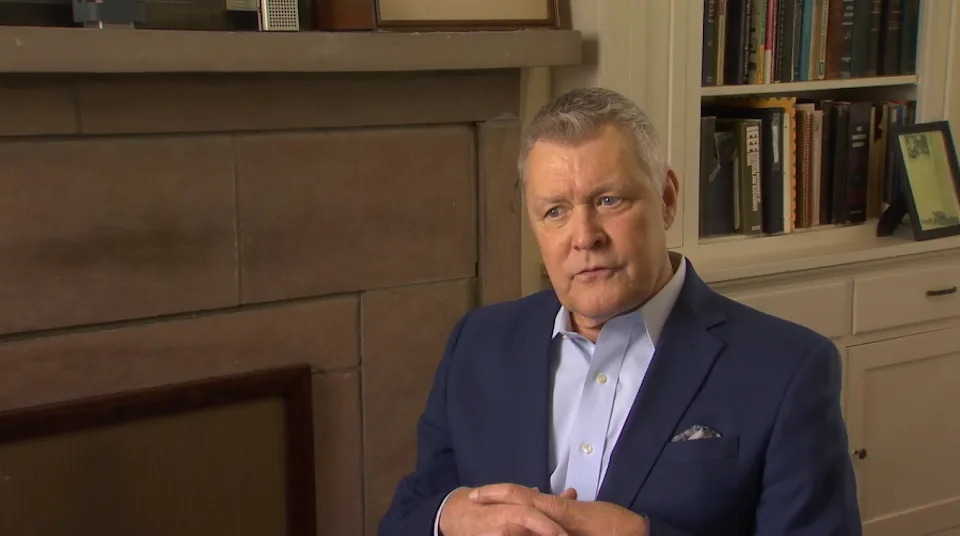
Cody, the Country Radio Hall of Famer and longtime Grand Ole Opry announcer, is in critical condition in a Nashville-area intensive care unit, battling heart and kidney failure. His family says his only path to survival is a double transplant. The search interest tells its own story: hundreds of thousands of people have gone looking for news about a man most of them have never seen, only heard. That is the strange and beautiful power of radio, and it is the reason his story deserves more than a health bulletin. It deserves an appreciation of what he has actually meant to country music.
The Morning Nashville Went Quiet
The news broke through the channel it always would have: WSM itself. On May 31, Cody’s daughter, Hannah Davis, posted a public statement that the station shared on its social media accounts, and outlets including WSMV, NewsChannel 5 Nashville, Taste of Country and Inside Radio carried it from there.
According to her statement, Cody was admitted to the ICU a little over three weeks earlier with heart and kidney failure. “After weeks of being on a roller coaster of emotions, tests, dialysis, medications, steps forwards and steps backwards, it was determined earlier this week that his only option for survival would be a double transplant, heart and kidney,” she wrote, in the update reported by WSMV.
There was encouraging news inside the hard news. Per his daughter’s account, Cody passed all the tests required to qualify for the transplant list. Then came a setback. Over that final weekend of May, his heart strength and ability to pump blood declined sharply, and doctors intubated him and placed him on ECMO, a life-support machine that temporarily does the work of the heart and lungs so the body can rest.
His daughter asked for three specific prayers: that he avoid the risks that come with ECMO, including stroke, blood clots and infection; that the next 48 hours on the machine give his body time to rest and regain strength, which she described as his biggest hurdle for transplant qualification; and that the transplant team that meets on Tuesdays would approve him for the list. “We need a miracle and we know God is able,” she wrote. “Please, if you’re able, stop and pray for these things. Our family can’t thank you enough. We love you all.”
That June 1 update, shared through WSM and reported by the Nashville outlets, remains the most recent verified public word on his condition as of this writing. Inside Radio noted that family members expect the coming days to be critical as doctors monitor his response to ECMO and determine whether he can move forward in the transplant process. Anything beyond that is speculation, and speculation has no place here. What can be said with certainty is simpler: Bill Cody is fighting, his family is asking for prayers, and country music is answering.
What Coffee, Country & Cody Actually Is
To understand why this story has traveled so far, you have to understand what “Coffee, Country & Cody” is, because it is not an ordinary morning show.
WSM 650 AM is the most storied call sign in country music. It is the station that birthed the Grand Ole Opry in 1925, the clear-channel signal that carried hillbilly music and gospel quartets across half the continent at night, the reason Nashville became Music City in the first place. The station marked its 100th year on the air in 2025. When you host the flagship morning show on WSM, you are not just a DJ. You are the custodian of a century of American sound.
Cody has held that chair for more than 30 years. He joined WSM in 1994, according to Inside Radio, after a broadcasting road that started at WLBN in Lebanon, Kentucky, in 1971 and wound through stations in Lexington, Louisville, Orlando and San Antonio. By WSM’s own count, his career now spans 48 years on the airwaves. Add it up and the man has spent roughly half a century behind a microphone, the last three decades of it in the most consequential studio in country music.
What made the show an institution was never gimmickry. “Coffee, Country & Cody” has always been built on the old virtues: warmth, preparation, genuine curiosity, and a host who knows the music’s history cold. WSM’s own profile of Cody describes a broadcaster whose “warm voice and deep knowledge of country music history have made him a trusted friend to artists and fans alike,” and that is not press-release inflation. It is the practical reality of the show. New artists sit on that couch on the way up. Legends sit on it on the way through. Songwriters get treated like stars. And the audience, from Tennessee farmers to international listeners streaming the app, gets a daily seminar in the genre disguised as friendly morning conversation.
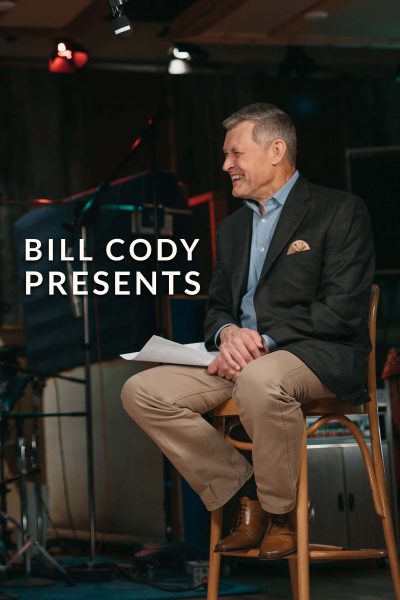
The reach of that voice goes well beyond the morning slot. WSM notes that Cody’s work has traveled from Willie’s Roadhouse on SiriusXM to in-flight audio programs on United Airlines, including flights aboard Air Force One and Air Force Two. His television credits include “American Saturday Night: Live from the Grand Ole Opry,” PBS’s “Tennessee’s Wildside,” Ray Stevens’ show on RFD-TV, and the “Master Series” on GAC. He hosted the syndicated “Classic Country Weekend With Bill Cody.” For decades, if country music needed a trusted voice to frame the moment, it called the same man.
The Opry Announcer’s Chair
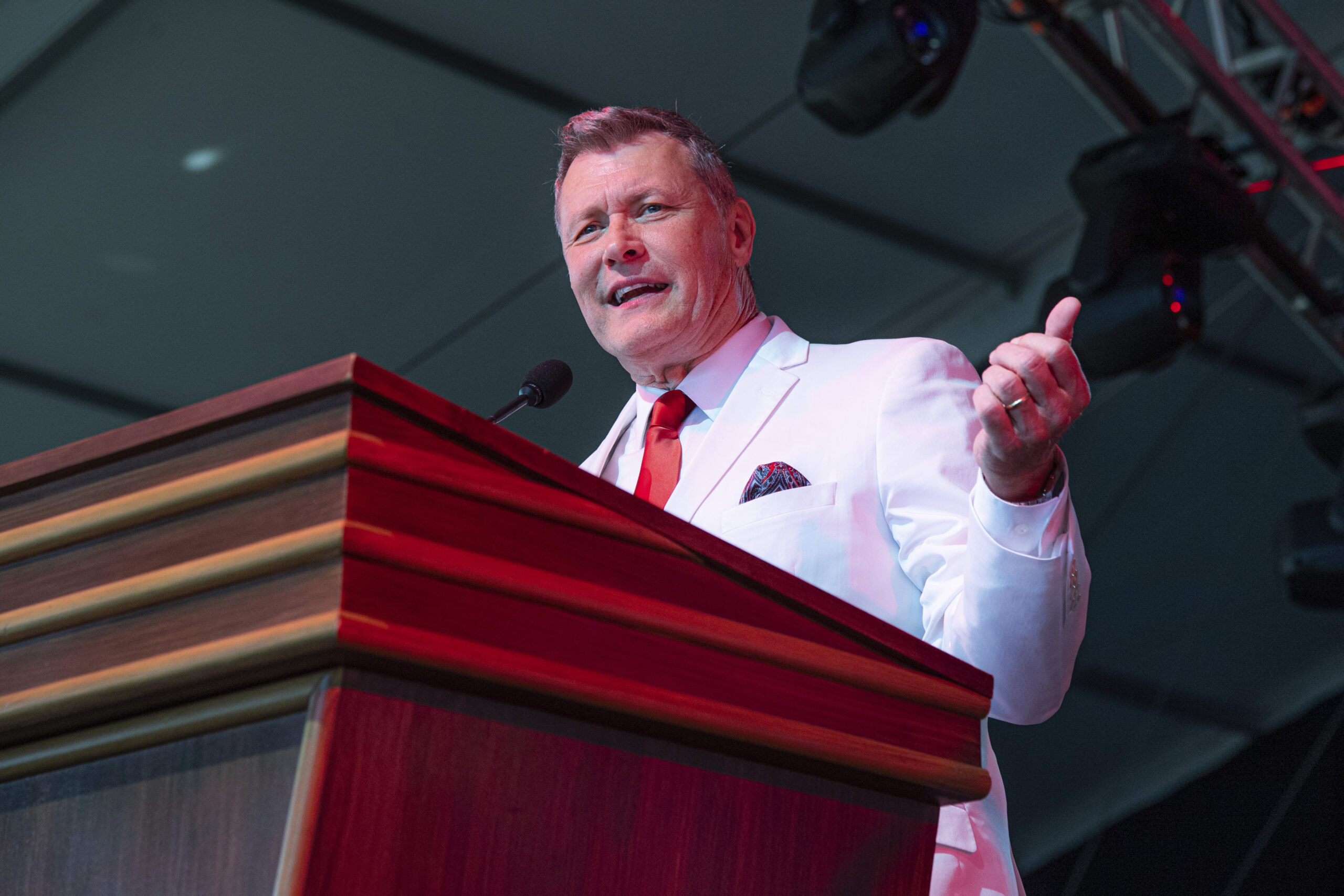
Then there is the other job, the one that places him inside the most sacred ritual in country music. Bill Cody is a longtime announcer of the Grand Ole Opry, the world’s longest-running radio program, broadcast on WSM since 1925.
The Opry announcer occupies a peculiar and wonderful role. He is not the star, and he is not supposed to be. He is the connective tissue of the show, the voice that welcomes the audience, reads the sponsor spots in the old style, and introduces each act as it steps into the famous wooden circle. When a young artist makes an Opry debut, the announcer’s introduction is part of the memory they carry forever. When a member is invited to join the Opry family, the announcer’s voice is often woven through the moment. Cody has delivered thousands of those introductions, which means his voice is stitched into thousands of the most important nights in country artists’ lives.
Ad SpaceIn-Article - 300x250
Advertisement
That is why Jo Dee Messina’s tribute, reported by Taste of Country, lands the way it does. Responding to the family’s update, she wrote: “I hear him introduce me every night at my shows. He did the voiceover for the show intro.” Think about what that means. A platinum-selling artist chose Bill Cody’s voice as the sound that brings her on stage, every single night, in cities far from Nashville. “Please let his family know I am praying for a miracle,” Messina added. “God is able.”
His career as the man at the center of big Opry and WSM moments includes some remarkable footnotes. Inside Radio recounts that Cody hosted WSM’s 75th anniversary celebration from the Ryman Auditorium, where he interviewed then-President George W. Bush and former President George H.W. Bush. He also emceed the 2001 Country Music DJ and Radio Hall of Fame induction ceremony. Not many broadcasters can say they have introduced both Opry legends and American presidents from the same stage.
The Artists He Befriended Along the Way
The outpouring since May 31 reveals something the ratings never could: how personally the artists take this man.
Carly Pearce, the Kentucky-born Opry member whose own story runs through that institution, posted a photo of herself with Cody and wrote that he is “like family to me,” asking her “prayer warriors to pray hard. I love you Bill,” as reported by Taste of Country and Entertainment Now. Dierks Bentley wrote, “We love you Bill and are praying for you pal,” per Entertainment Now’s roundup of artist reactions. Mark Wills shared that he was “lifting Bill up in our prayers.” The duo The War and Treaty, actress and singer Chrissy Metz, and artists including Chris Janson, Jake Owen, Michael Ray, Tenille Townes, Drew Baldridge and Stephanie Quayle all added public messages of prayer and support.
Notice who is on that list. It is not one generation. It spans 1990s hitmakers, 2000s mainstays, current hit artists and rising names. That breadth is the tell. A morning host who merely played the hits would get polite well-wishes. A morning host who spent 30 years championing artists before they were famous, giving them airtime when nobody else would, remembering their names and their kids’ names the second time they came through the studio, gets this. In country music, where the Opry functions as a family and WSM as its hearth, Cody earned the status of beloved uncle. The artists’ own words, posted publicly in the days after the family’s statement, are the proof.
The Halls of Fame Already Knew
The industry formalized what artists and listeners already felt long ago. In 2008, Cody was inducted into the Country Music Disc Jockey Hall of Fame, the honor maintained by Country Radio Broadcasters that recognizes the genre’s most influential air personalities, and he is recognized as a Country Radio Hall of Famer. Over the years he has collected multiple nominations for national broadcasting honors from the Country Music Association, the Academy of Country Music and Billboard, according to WSM’s profile.
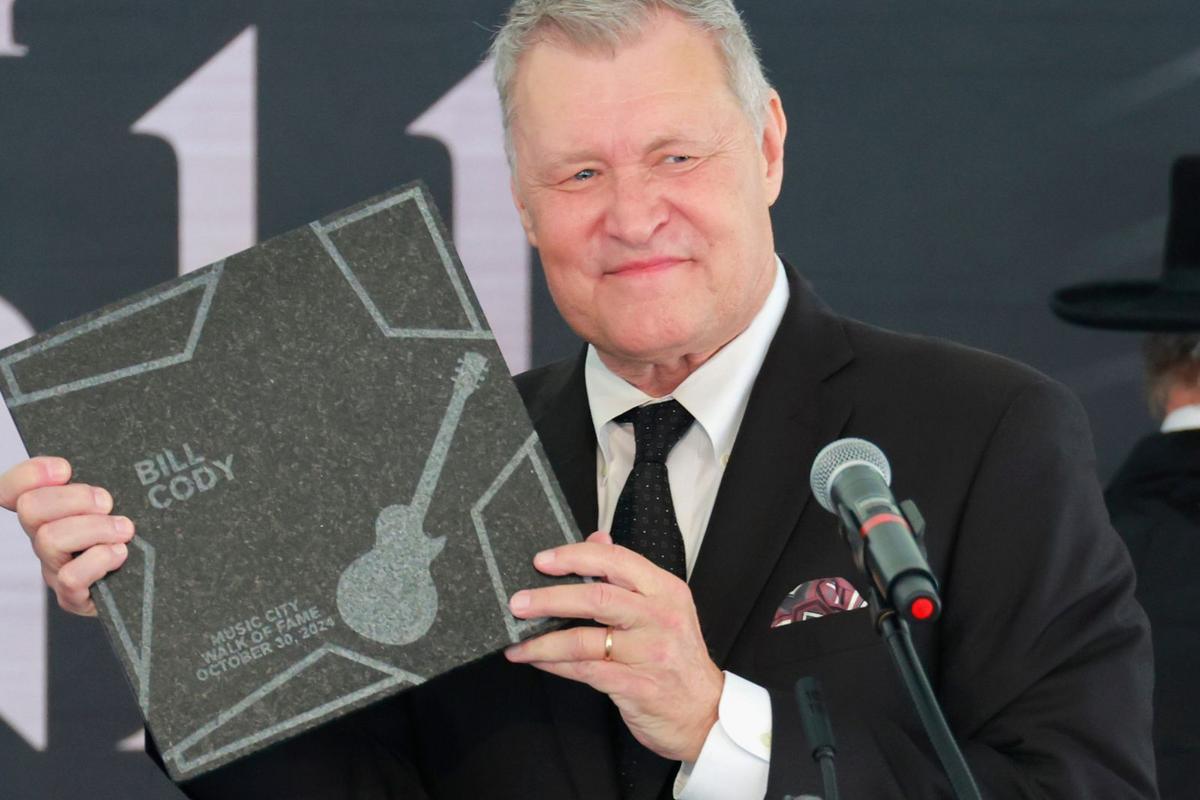
Then, in the fall of 2024, came the honor that said the most about his standing in his adopted hometown: a star on the Music City Walk of Fame. The Walk of Fame, set in the sidewalk of Nashville’s Music Mile, is reserved for people who shaped the city’s musical identity. Cody’s induction class tells you exactly what company he keeps; he received his star alongside the legendary gospel group The Fairfield Four, Opry Entertainment’s Colin Reed, and a posthumously honored Jimmy Buffett. Singers, executives, icons, and one radio man. Nashville understood that the voice introducing the music belongs in the pavement next to the people who made it.
There is a personal dimension worth honoring too, because it explains the steadiness listeners hear. WSM’s profile notes that Cody is a preacher’s son, a devoted husband to his high school sweetheart, Rebecca, a father of three, and a resident of the countryside near Cross Plains, Tennessee. The man on the radio and the man off it appear to be the same person, which in broadcasting is rarer than any award.
Why a Radio Voice Still Matters in the Streaming Era
It is fair to ask why any of this carries weight in 2026, when discovery happens through algorithms and listening happens on demand. The answer is sitting right there in the search data and the comment sections: hundreds of thousands of people anxious about an AM radio host they know only by voice.
Streaming gives you music. Radio, done the way Cody does it, gives you somebody. A playlist cannot remember the morning after a Tennessee tornado and find the right words. An algorithm cannot tell you the story behind a Marty Robbins record because it stood in the room with people who knew him. A recommendation engine cannot make a nervous 22-year-old singer feel like the most important guest in the world at 7 a.m. The intimacy of a daily voice, decades of it, builds a relationship no platform has replicated. People do not pray for platforms.
There is also the institutional argument. Country music runs on continuity in a way no other genre does. The Opry’s unbroken century, WSM’s signal, the circle of wood from the Ryman embedded in the Opry House stage: these are the genre’s load-bearing walls. The announcers and morning hosts are the ones who keep that continuity audible, every day, linking Hank Williams’ era to Lainey Wilson’s in a single broadcast. Cody has been one of the principal keepers of that thread for 30 years. When his health faltered, the genre did not react like it lost a DJ’s timeslot. It reacted like one of the walls cracked.
What His Microphone Means Now
There is no neat ending to write here, because the story is still being lived in a Nashville ICU, and this piece will not pretend otherwise. As of the family’s last public update, shared through WSM on June 1 and reported by WSMV, NewsChannel 5 and Inside Radio, Bill Cody was on ECMO, fighting to regain the strength that would qualify him for a heart and kidney transplant, with his family pleading for prayers and a miracle.
So instead of an ending, consider an image. Somewhere in the WSM studios at 650 AM, there is a microphone that has carried one man’s voice into Nashville mornings since 1994. The show has gone on around it, as shows must. But the chair belongs to Bill Cody, the preacher’s son from Kentucky who turned a morning shift into an institution, who introduced presidents and debutantes from the Ryman stage, whose voice still walks Jo Dee Messina on stage every night, and whose name is set in stone on the Walk of Fame between gospel legends and Jimmy Buffett.
Country music has spent a hundred years singing about faith, family and hard mornings. Right now the genre is living all three at once, on behalf of the man who soundtracked its mornings for a generation. His daughter asked the world to stop and pray. Judging by the response from Carly Pearce to Dierks Bentley to the thousands of listeners flooding WSM’s pages, the world heard her clearly. That, in the end, is the measure of a radio life well spent: when the voice goes quiet for a while, everybody notices, and everybody hopes out loud for the morning it comes back.
Ad SpaceIn-Article - 300x250
Advertisement
Share
Get the recap
Loved this story? Get more like it.
Join readers who get our weekly entertainment recap - the stories worth your time, delivered every Friday.
No spam. Unsubscribe anytime. By signing up you agree to our Privacy Policy.