
Table of Contents
- Why Sports Fans Are Finally Cutting the Cord
- Live TV Streaming Services for Sports
- ESPN’s New Standalone Streaming Options
- League-Specific Streaming Options
- Free and Low-Cost Options
- Hardware You Need for Cord Cutting
- Sport-by-Sport Breakdown
- Cost Comparison: Cable vs. Streaming
- Common Pitfalls and How to Avoid Them
- Key Takeaways
- Frequently Asked Questions
Why Sports Fans Are Finally Cutting the Cord
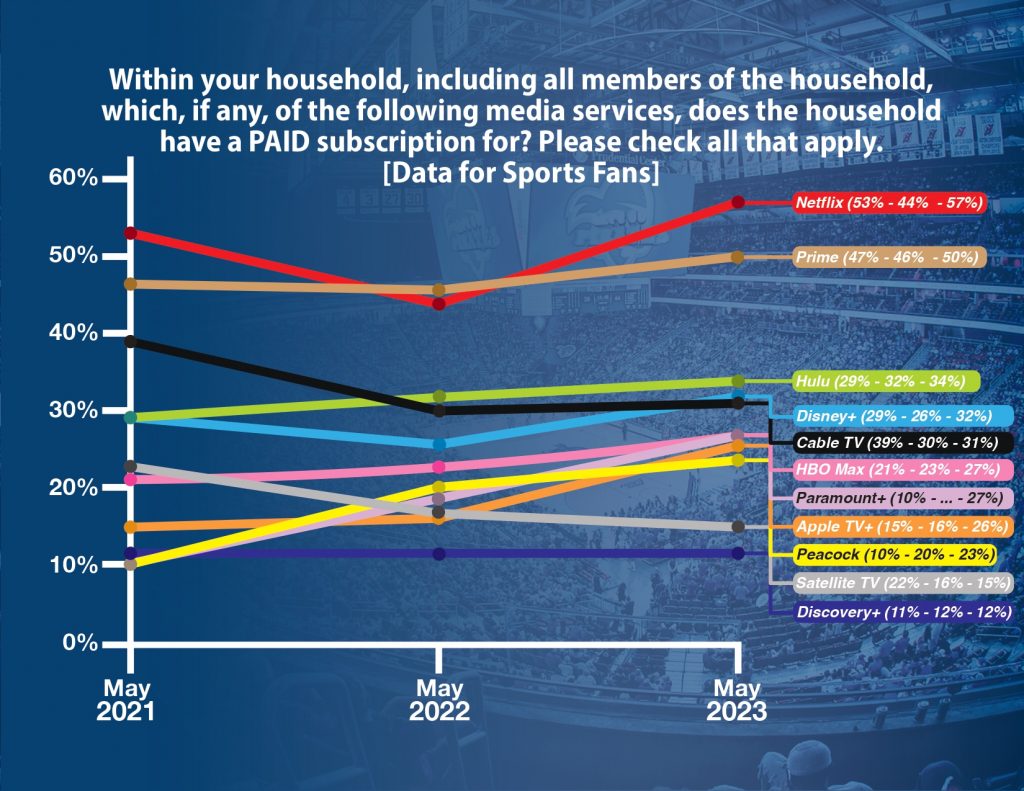
For years, live sports was the single biggest reason people kept their cable subscriptions. The logic was simple - if you wanted to watch your NFL team on Sunday, your NBA team on Wednesday night, or your local MLB team during the summer, you needed cable. That logic no longer holds up in 2026.
The average cable bill in the United States now exceeds $130 per month, and much of that cost goes toward channels you never watch. According to Nielsen data, the typical American household with 200+ channels regularly watches fewer than 20 of them. For sports fans paying a premium sports tier, the monthly bill can climb past $180 when you add regional sports networks and premium channels.
Meanwhile, the streaming landscape has evolved dramatically. Every major sports league now offers some form of direct-to-consumer streaming. Live TV streaming services like YouTube TV and Fubo carry the same channels you get through cable - including ESPN, Fox Sports, TNT, and local network affiliates - at lower prices. ESPN has launched its own standalone streaming tiers, meaning you can get Monday Night Football and NBA games without any cable-like bundle at all. Amazon Prime Video is now the top global spender on sports rights. And free options like antenna broadcasts still deliver NFL, college football, and other major events in stunning quality.
This cord cutting guide for sports fans will walk you through every viable option for 2026, organized by service type, sport, and budget. By the end, you will have a clear plan for watching everything you care about while potentially saving $1,000 or more per year.

Live TV Streaming Services for Sports
Live TV streaming services are the closest cord cutting replacement for traditional cable. They carry live channels - including sports networks - and stream them over the internet. For most sports fans building a cord cutting setup, one of these services will serve as the foundation.
YouTube TV - Starting at $82.99/month
YouTube TV is widely considered the best overall option for sports fans. The base plan at $82.99 per month includes over 100 live channels: ESPN, ESPN2, Fox Sports 1, CBS Sports Network, NBC Sports, TNT, TBS, the NFL Network, and all four major broadcast networks (ABC, CBS, NBC, Fox) through local affiliates. It also includes unlimited cloud DVR storage with recordings kept for nine months, which is a massive advantage for recording games you cannot watch live.
YouTube TV has also introduced new cheaper packages in 2026, including a dedicated Sports Plan starting at $55 per month for new users ($65 per month for returning subscribers) that focuses on sports channels - local stations, ESPN, and NBC Sports Network. This is a game-changer for fans who do not need entertainment channels. The sports add-on package ($10.99 per month extra) brings NFL RedZone, FanDuel TV, and other niche sports channels. YouTube TV also carries many regional sports networks (RSNs), though coverage varies by market - check their website with your zip code to confirm your local RSN is included.
Hulu + Live TV - $89.99/month
Hulu + Live TV starts at $89.99 per month (with ads) and goes up to $99.99 per month for the fully ad-free experience. Every Hulu + Live TV subscription now comes bundled with Disney+ and ESPN Select at no extra charge, making it the strongest value bundle in 2026. It delivers 95+ national and local channels spanning sports, news, entertainment, and lifestyle. The sports channel coverage is comprehensive, with ESPN networks, Fox Sports, and local affiliates all included. A Sports Add-on at $9.99 per month adds NFL RedZone, FanDuel TV, and MAVTV.
Fubo - Starting at $55.99/month
Fubo was built specifically for sports fans and it shows. In 2026, Fubo offers multiple tiers. The new Sports + News plan starts at just $55.99 per month with a 20+ channel lineup that includes the ESPN family, major college networks (ACC, SEC, Big Ten), FS1/FS2, plus Fubo’s own sports channel with ESPN Unlimited integration. The Entertainment Plan runs $89.99 per month for 90+ channels, the Choice Plan at $94.99 per month for 125+ channels with RSNs and specialty sports channels, and the Ultimate Plan at $124.99 per month for 160+ channels. If you follow international soccer, Fubo’s inclusion of beIN Sports, TUDN, and various international feeds makes it a strong choice. One important note: as of early 2026, NBC-owned channels (including local NBC affiliates) are not available on Fubo, which limits its appeal for viewers who want comprehensive NBC sports coverage including Sunday Night Football.
Sling TV - $45.99 to $65.99/month
Sling TV is the budget option. Sling Orange ($45.99 per month) includes ESPN, ESPN2, ESPN3, and TNT - critical for Monday Night Football, NBA games, and college sports. Sling Blue ($50.99 per month) includes Fox Sports 1, NBC Sports, and the NFL Network. Sling Orange + Blue ($65.99 per month) combines both. Seasonal promos often slash these prices by 50% for the first month. The trade-off is that Sling does not include local network affiliates in most markets, so you will need an antenna for games on ABC, CBS, NBC, and Fox.
ESPN’s New Standalone Streaming Options
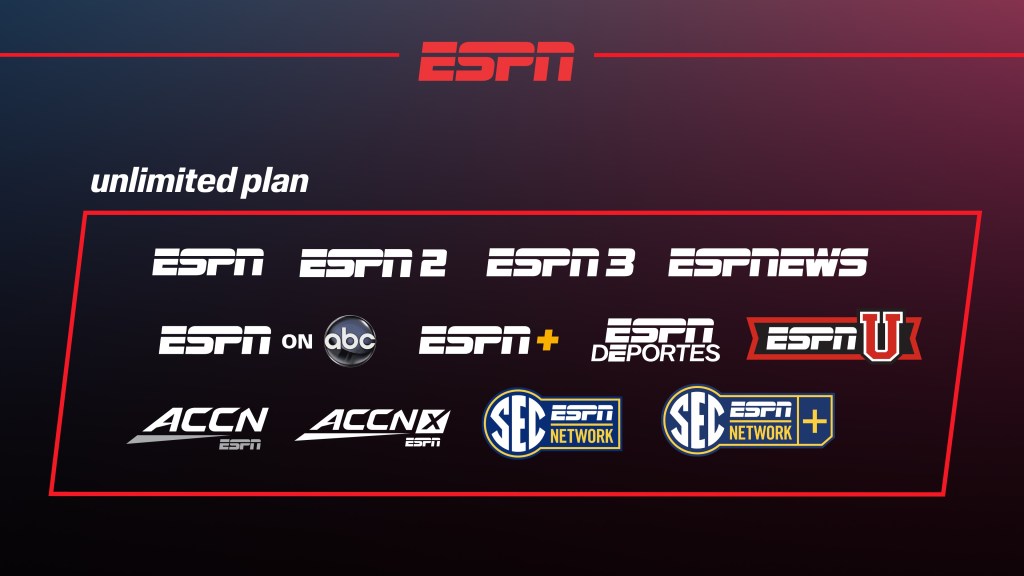
One of the biggest changes in sports streaming for 2026 is ESPN’s launch of standalone streaming tiers that do not require a cable or live TV streaming subscription. This is a significant shift in the cord cutting landscape.
ESPN Select - $12.99/month
ESPN Select is the successor to the old ESPN+ service. It provides access to ESPN+ content including UFC fight nights, select MLB games, some college sports, international soccer, PGA Tour events, and Grand Slam tennis coverage. For UFC fans specifically, ESPN Select is essential - every UFC Fight Night event streams exclusively on the platform. This tier does not include the main ESPN linear channels.
ESPN Unlimited - $29.99/month
ESPN Unlimited is the definitive standalone solution for cord-cutters who want to watch Monday Night Football and the NBA without a cable provider or live TV streaming bundle. It includes the full ESPN linear channels (ESPN, ESPN2, ESPNU, ESPNews, SEC Network) plus all ESPN+ content. An annual subscription at $299.99 per year brings the effective monthly cost down to about $25. This tier directly competes with Sling Orange for ESPN access, and for pure sports fans who primarily need ESPN, it may be the better value since it includes both the linear channels and the streaming library.
League-Specific Streaming Options
Beyond live TV services, every major league offers its own streaming platform. These are ideal for out-of-market fans or those who follow one sport obsessively.
NFL Sunday Ticket on YouTube TV - Starting at $192/season
NFL Sunday Ticket - the package for watching out-of-market Sunday afternoon games - is exclusively available through YouTube TV and YouTube. For YouTube TV subscribers, the 2026 season starts at $240 (or $192 for new promotional pricing), with 12-month payment plans available. Without YouTube TV, NFL Sunday Ticket on YouTube standalone costs $480 per season. Students get a significant discount at $109 per season. Military, veterans, first responders, medical professionals, and teachers can purchase it for $198. NFL+ ($6.99 per month) provides live local and primetime games on mobile devices plus full game replays. The Premium tier ($14.99 per month) adds All-22 coaches film and condensed game replays on all devices.
Peacock Premium - $10.99/month
NBC’s Peacock streams Sunday Night Football, Premier League soccer, select NASCAR races, PGA Tour golf, Big Ten college sports, and the Olympics. Peacock Premium costs $10.99 per month (or $109.99 per year), while Peacock Premium Plus at $16.99 per month adds ad-free viewing and download capability. For Premier League fans, Peacock is non-negotiable - it streams the most EPL matches of any single service in the US. Student pricing is available at $5.99 per month.
Amazon Prime Video - $14.99/month
Amazon has become the top global spender on sports rights in 2026. Prime Video holds exclusive Thursday Night Football rights and now carries NBA games as part of the league’s new 11-year media deal. Amazon broadcasts 66 NBA regular-season games per season on Prime Video, including Thursday night doubleheaders beginning in January, Friday evening doubleheaders, select Saturday afternoon games, and at least one game on Black Friday. Prime Video also streams select MLB games, WNBA games, and NASCAR events. At $14.99 per month (which also includes Amazon Prime shipping benefits), this is increasingly essential for sports fans.

Apple TV+ - $9.99/month
Apple TV+ carries all MLS (Major League Soccer) content in 2026, with the standalone MLS Season Pass subscription being folded into the Apple TV service. Every MLS regular season game, playoff match, and Leagues Cup game is available with no blackouts. Apple TV+ also streams Friday Night Baseball doubleheaders - 25 exclusive MLB games during the 2026 season. If you follow MLS or want supplementary baseball coverage, Apple TV+ is necessary.
NBA League Pass - $14.99/month
NBA League Pass covers out-of-market games for basketball fans. With the NBA’s new broadcast deal splitting games across ESPN/ABC, NBC/Peacock, and Amazon Prime Video, the nationally televised schedule is more spread across streaming platforms than ever before. League Pass fills in the gaps for teams outside your local market, though local blackout restrictions still apply.
Free and Low-Cost Options
A comprehensive cord cutting guide for sports fans must include free options, because some of the biggest sporting events in the country are available without paying a dime.
Over-the-Air Antenna
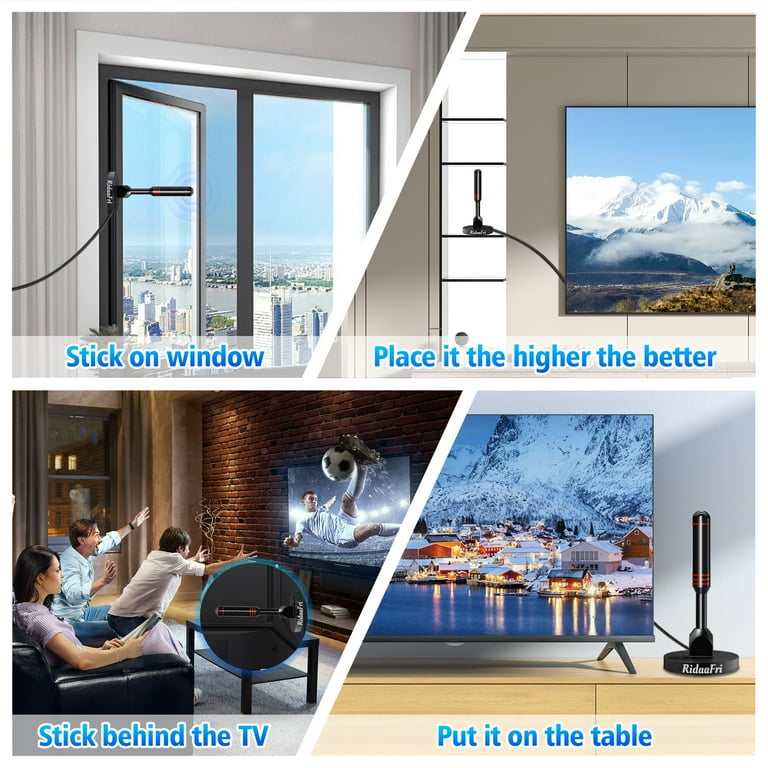
A digital antenna picks up free broadcast signals from ABC, CBS, NBC, and Fox - the networks that carry the majority of NFL Sunday afternoon games, major college football bowl games, the World Series, NBA Finals (on ABC), and the Olympics. Modern antennas cost $20 to $60 and deliver these channels in full 1080p or even 4K quality, often with better picture quality than cable because the signal is uncompressed.
The Mohu Leaf, Winegard FlatWave, and Antennas Direct ClearStream are all highly rated options. Before buying, check AntennaWeb.org or the FCC’s DTV Reception Maps tool to see which channels are available at your address and how strong the signal is.
Free Streaming Tiers
Tubi, Pluto TV, and The Roku Channel occasionally carry live sports events, particularly combat sports, minor league games, and classic sports content. These are not reliable for following a team week-to-week, but they can supplement your primary service.
Team and League Apps
Many teams offer free audio streaming of games through their official apps. While not a substitute for watching, free audio streams are useful for catching games when you are away from your TV.
Hardware You Need for Cord Cutting
Transitioning from cable to streaming requires minimal hardware investment. Here is what you need.