
The Rising Cost of Stardom: How Fuel Prices Are Crushing Artists' Tour Dreams
Music

The Rising Cost of Stardom: How Fuel Prices Are Crushing Artists' Tour Dreams

Jalen RossJalen Ross··5 min read
Advertisement

Table of Contents

The Perfect Storm: When Economics Meet Entertainment

The Rising Cost of Stardom - The Perfect Storm: When Economics Meet Entertainment

The music industry thought it had weathered the worst of its challenges after navigating the pandemic’s devastating impact on live performances. Concert venues had reopened, audiences were eager to return, and touring revenue – the lifeblood of most musical careers – seemed poised for a triumphant comeback. However, a new crisis has emerged that’s threatening to derail this recovery before it can truly take hold. The recent surge in fuel prices, largely attributed to geopolitical tensions and conflicts in oil-producing regions, has created an unprecedented financial burden on touring artists who were already operating on razor-thin margins.
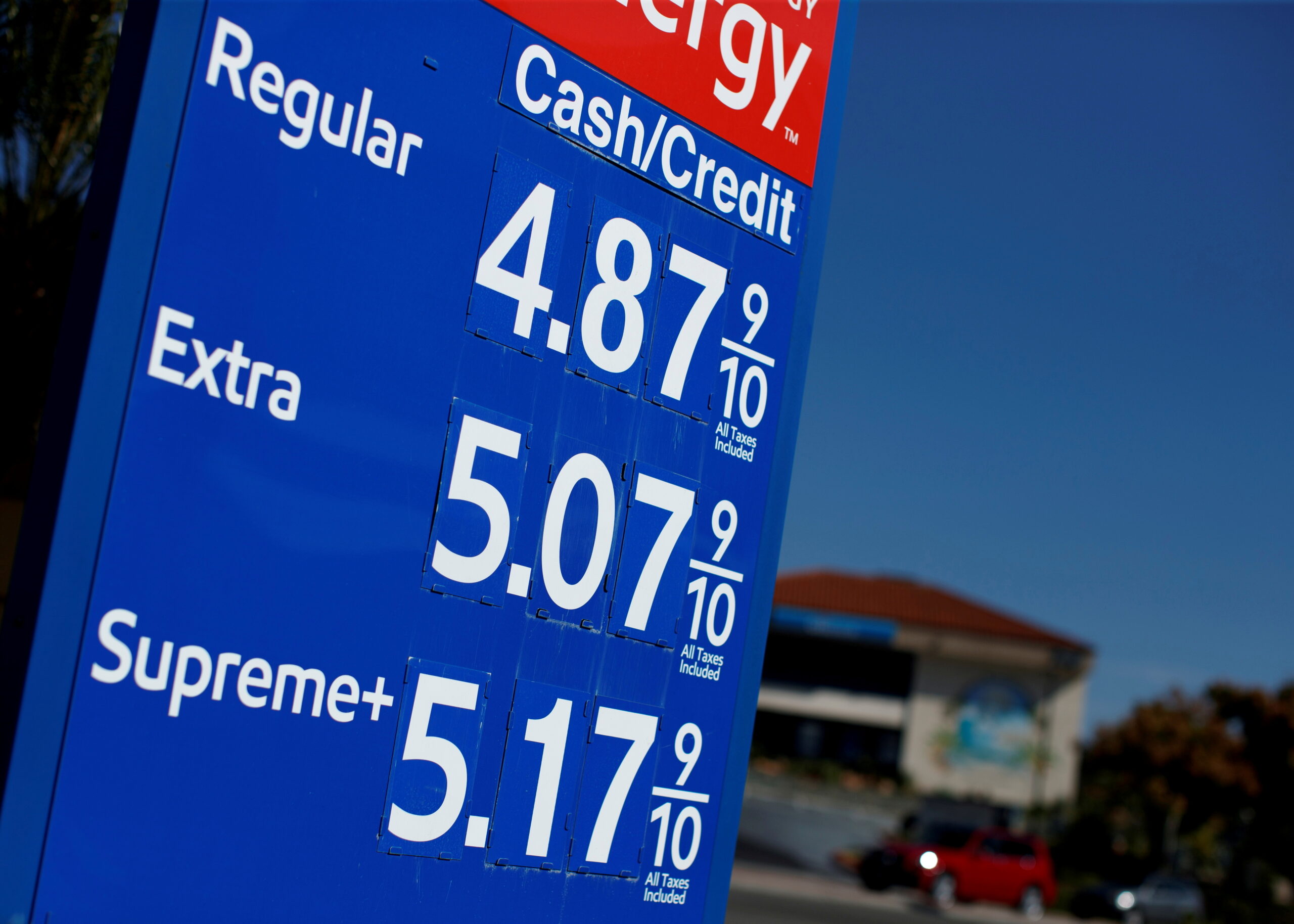
Rising fuel prices at gas station pump
Image: Reuters

The numbers tell a stark story that reverberates from intimate club tours to massive stadium productions. Transportation costs, which typically account for 15-20% of a tour’s budget, have now ballooned to consume 30-40% of projected revenues in some cases. This dramatic increase isn’t just affecting the obvious expenses like tour buses and equipment trucks – it’s creating a domino effect that touches every aspect of live music production. Airlines have raised ticket prices for artist and crew travel, shipping costs for merchandise have increased, and even local transportation for day-of-show logistics has become prohibitively expensive. For an industry that was already struggling to rebuild after losing nearly two years of touring revenue, this additional financial pressure is proving to be the straw that breaks many artists’ backs.

From Superstars to Struggling Acts: Who’s Hit Hardest

The Rising Cost of Stardom - From Superstars to Struggling Acts: Who's Hit Hardest

While major touring acts like Taylor Swift, Drake, and Bad Bunny can absorb increased fuel costs through higher ticket prices and massive economies of scale, the real casualties are emerging among mid-tier and developing artists. These performers, who typically rely on extensive touring to build their fanbase and generate income, are finding themselves caught in an impossible squeeze between rising operational costs and audiences’ limited spending power. Many indie rock bands, emerging hip-hop artists, and alternative acts are being forced to cancel entire tour legs or reduce their touring radius to minimize travel expenses.
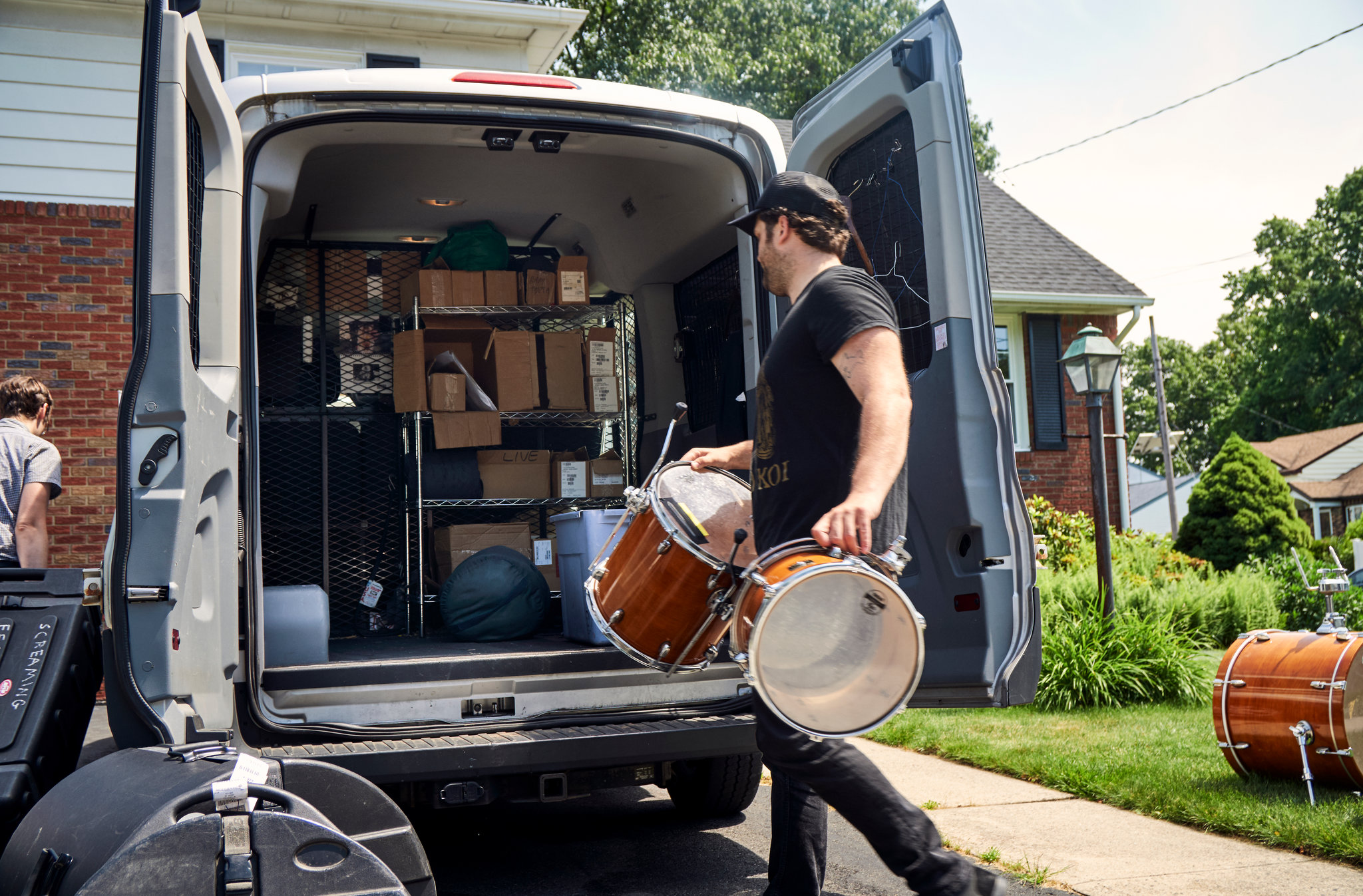
Independent musicians loading equipment into tour van
Image: The New York Times

The situation becomes even more complex when examining different musical genres and their typical touring models. Electronic music producers, who often travel with minimal equipment and smaller crews, initially seemed better positioned to weather this crisis. However, many have discovered that their reliance on festival circuits – which require extensive travel between cities and countries – makes them particularly vulnerable to fuel price fluctuations. Meanwhile, country music artists, whose fanbase is often spread across rural areas requiring longer drives between venues, are reconsidering whether certain markets remain financially viable. The ripple effects extend beyond the artists themselves to the entire ecosystem of session musicians, sound engineers, lighting technicians, and merchandise vendors who depend on touring for their livelihoods.

A Worldwide Problem: African Artists Face Double Burden

The Rising Cost of Stardom - A Worldwide Problem: African Artists Face Double Burden

The fuel price crisis has created particularly acute challenges for African artists seeking to expand their reach through international touring. Afrobeats superstars like Burna Boy, Wizkid, and Davido have successfully established global touring circuits, but the rising costs are making it increasingly difficult for emerging African artists to break into international markets. The distances involved in touring between African countries, combined with limited infrastructure and higher baseline fuel costs, mean that many promising acts are finding their expansion plans indefinitely postponed.

Advertisement

This situation is particularly frustrating given the current global appetite for African music and culture. Nollywood’s international success has opened doors for cross-promotional opportunities, and streaming platforms have created unprecedented demand for live performances by African artists. However, the economic realities of touring are creating a barrier that talent alone cannot overcome. South African amapiano artists, who were beginning to gain traction in European and American markets, are now questioning whether international tours can generate sufficient profit to justify the investment. The irony is palpable: just as the world is embracing African entertainment more enthusiastically than ever, the practical challenges of sharing that culture through live performance have become nearly insurmountable for many artists.

Creative Solutions in Desperate Times

The Rising Cost of Stardom - Creative Solutions in Desperate Times

Faced with these unprecedented challenges, the music industry is demonstrating remarkable creativity in finding workarounds and alternatives. Regional touring clusters have emerged as one popular strategy, with artists booking multiple shows in geographically concentrated areas to maximize the return on transportation investments. This approach allows performers to amortize fuel costs across several performances while minimizing the distances traveled between venues. Some booking agents are now specializing in creating these efficient routing strategies, treating tour logistics like a complex mathematical optimization problem.

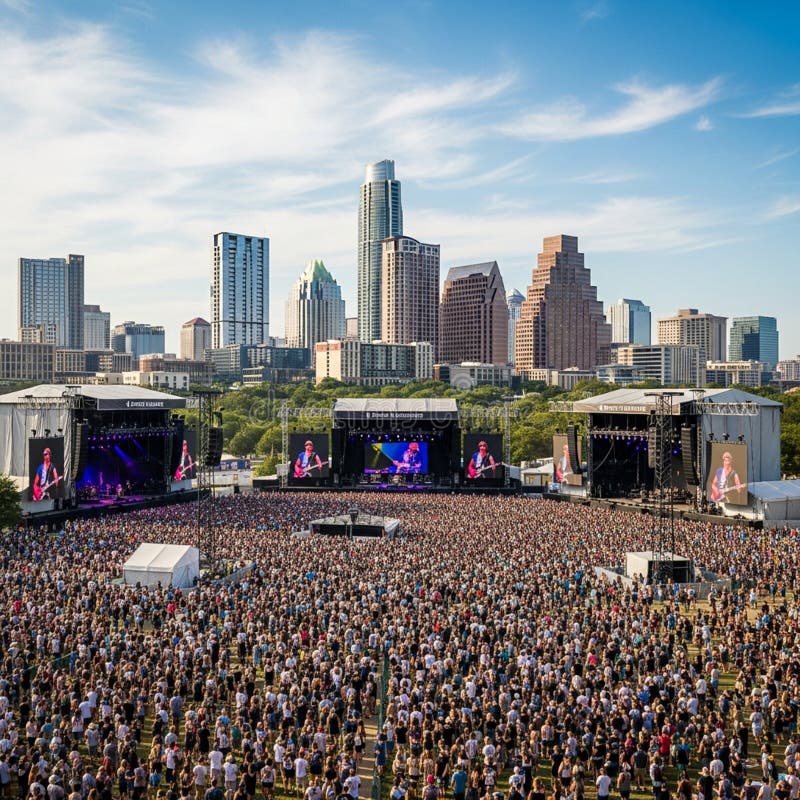
Multi-day music festival with multiple performance stages
Image: Dreamstime.com

Technology is also playing an increasingly important role in these adaptations. Live streaming and virtual concert platforms, which gained prominence during the pandemic, are experiencing renewed interest as artists seek ways to reach audiences without the prohibitive costs of physical travel. While these digital performances can’t fully replace the energy and connection of live shows, they’re providing a crucial revenue stream that helps offset reduced touring income. Additionally, some innovative artists are experimenting with hybrid models, combining limited regional touring with expanded digital offerings, creating packages that give fans multiple ways to engage with their favorite performers while keeping costs manageable for the artists themselves.

The Road Ahead: What This Means for Live Music

The Rising Cost of Stardom - The Road Ahead: What This Means for Live Music

The current fuel price crisis represents more than just a temporary inconvenience – it’s forcing a fundamental reevaluation of how the music industry approaches touring and live performance. Industry analysts suggest that we may be witnessing the beginning of a permanent shift toward more regionalized music markets, where artists build stronger local followings rather than pursuing extensive geographic expansion. This change could actually benefit some performers by encouraging deeper connections with core audiences, but it also risks reducing the cultural exchange and artistic cross-pollination that has driven much of popular music’s evolution.

Empty concert venue showing economic impact on live music
Image: Alamy

Looking ahead, the industry’s ability to adapt to these new economic realities will likely determine which artists and business models survive this challenging period. Those who can successfully balance artistic ambition with economic pragmatism may emerge stronger, having developed more sustainable approaches to building and maintaining their careers. However, the broader cultural implications are concerning – if touring becomes economically viable only for the biggest acts, we risk losing the diverse ecosystem of live music that has traditionally served as the discovery mechanism for new talent and the economic foundation for musical careers. The next few years will be crucial in determining whether the industry can innovate its way through this crisis or whether rising fuel costs will fundamentally reshape the landscape of live music for generations to come.

Advertisement
Share
Get the recap

Loved this story? Get more like it.

Join readers who get our weekly entertainment recap — the stories worth your time, delivered every Friday.

No spam. Unsubscribe anytime. By signing up you agree to our Privacy Policy.

The Rising Cost of Stardom: How... | Sidomex Entertainment