


Table of Contents
- Who Was Oliver Tree?
- The Helicopter Crash That Shook the Music World
- Oliver Tree’s Artist Grant: What We Know
- He Talked About It Before He Died
- What This Means for Independent Artists
- A Legacy Worth Remembering
Who Was Oliver Tree?

If you spent any significant time on the internet between 2018 and the mid-2020s, you know exactly who Oliver Tree is - or rather, who he was. Born Oliver Tree Nickell in Santa Cruz, California, the eccentric artist built one of the most uniquely chaotic careers in modern music, blending alternative rock, hip-hop, electronic, and pop into a sound that was entirely his own. He was the guy in the oversized bowl cut, the comically wide tracksuits, and the tiny scooter, and somehow all of it made perfect sense when his music came through the speakers. His 2020 debut album Ugly is Beautiful introduced the world to his oddball genius, and singles like “Alien Boy” and “Hurt” turned him into a genuine cult figure with a fanbase that bordered on obsessive devotion.
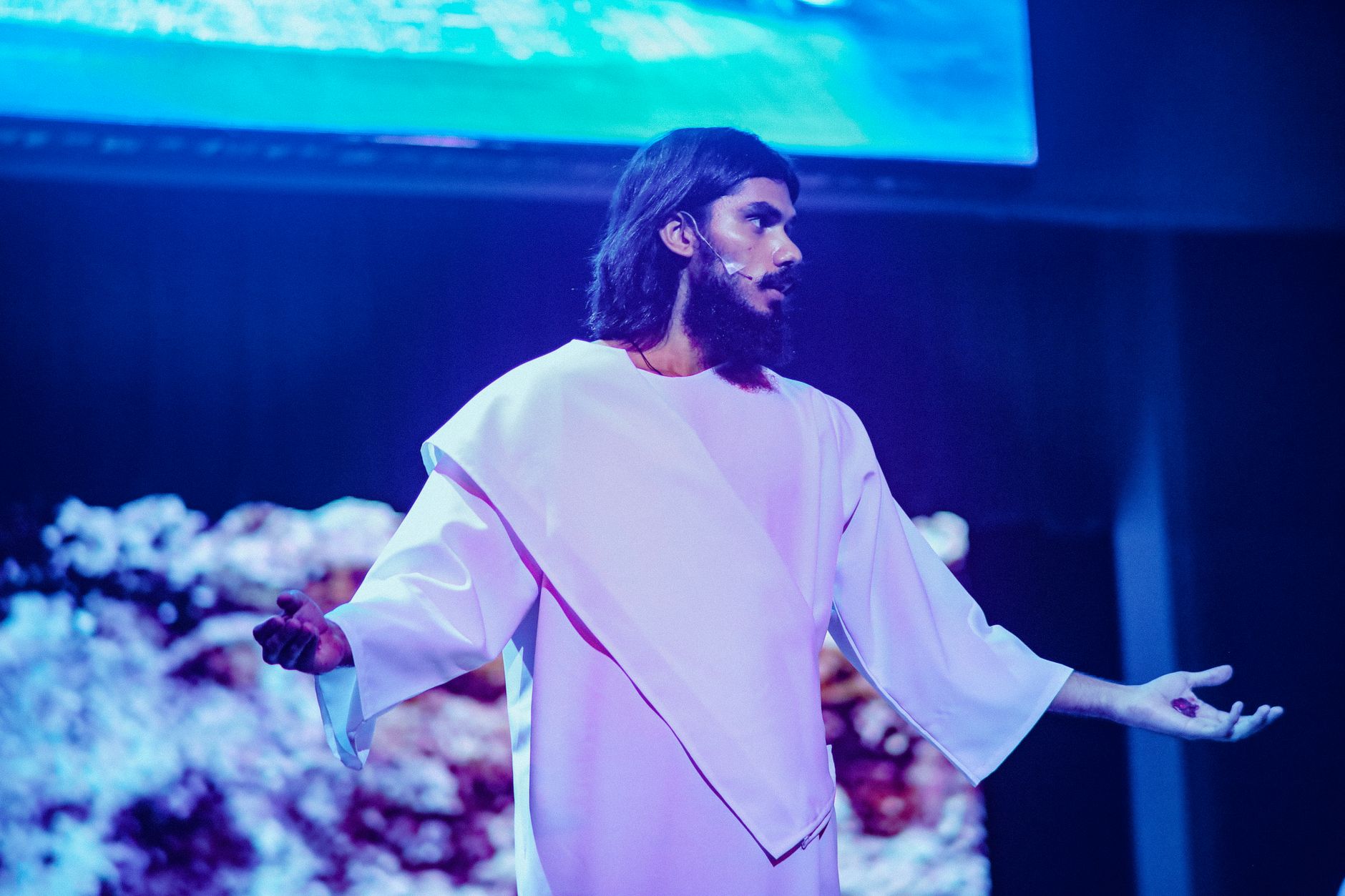
But beyond the costume and the chaos, Oliver Tree was a genuinely skilled creative. He directed many of his own music videos, crafted his own visual identity from the ground up, and was deeply vocal about the pressures that the modern music industry places on artists - particularly independent ones. He spoke frequently about mental health, creative burnout, and the financial barriers that prevent talented musicians from ever getting a real shot. That authenticity, that willingness to speak uncomfortable truths, is a big part of why his death has hit so many people so hard. He wasn’t just an artist who made great music. He was someone who seemed to genuinely care about what came after him.
The Helicopter Crash That Shook the Music World

The news of Oliver Tree’s death in a helicopter crash sent shockwaves through the entertainment world in a way that few celebrity losses do. Helicopter accidents are rare and violent, and there is something particularly jarring about losing a creative force that way - sudden, without warning, without a chance to say goodbye. The details of the crash have been widely reported, and the music community’s outpouring of grief was immediate and sincere. Artists across genres took to social media to share their condolences, their favorite memories of his work, and their disbelief that someone so full of creative energy could simply be gone.

What made the loss feel even more surreal was how present Oliver Tree had been in public life in the months leading up to his death. He had been giving interviews, teasing new music, and generally seemed to be at a particularly engaged point in his career. There was no indication that this was coming, which is always the cruelest part of sudden loss. The helicopter crash that took his life also raised broader conversations about safety, about the pace at which artists are expected to travel and perform, and about how the industry consumes its talent without always considering the human cost. His death was not just a personal tragedy. It was a moment that forced a lot of people to pause and reflect.
Oliver Tree’s Artist Grant: What We Know
Among the many details that have emerged in the aftermath of Oliver Tree’s death, perhaps the most meaningful is the revelation that his will includes provisions for an artist grant fund. The fund, which is now set to be established as part of his estate, is designed to provide financial support to emerging and independent artists who are navigating the notoriously difficult early stages of a creative career. It is the kind of initiative that reflects everything Oliver Tree stood for during his lifetime - a belief that talent is everywhere but opportunity is not, and that the music industry’s existing structures too often fail the people who need the most support.
While the full details of the grant’s structure, the application process, and the funding amounts have not yet been made entirely public, the existence of the fund itself has already generated significant discussion in music circles. Independent artists, managers, and music advocates have all responded to the news with a mixture of gratitude and admiration. For many, it represents a model that more established artists should follow - using the wealth and platform built over a career to actively invest in the next generation rather than simply leaving behind a catalog of work. The grant is expected to be administered through Oliver Tree’s estate, and further details are anticipated as the legal processes surrounding his will are finalized.