
Two hundred and twenty-two million euros. That single figure, the release clause Paris Saint-Germain paid Barcelona in August 2017, still stands as the most expensive transfer in football history nearly a decade later, and it doubled the previous record overnight. No player has been bought for more since. It is a number that captures something essential about Neymar da Silva Santos Junior: for a generation, he was not just a footballer but a market in himself, a one-man economy of goals, sponsorships, attention, and headlines. As the 2026 World Cup unfolds across North America, that same player is fighting a quieter battle, against his own body, to remind the world he still belongs on the biggest stage.
A Number That Frames the Man
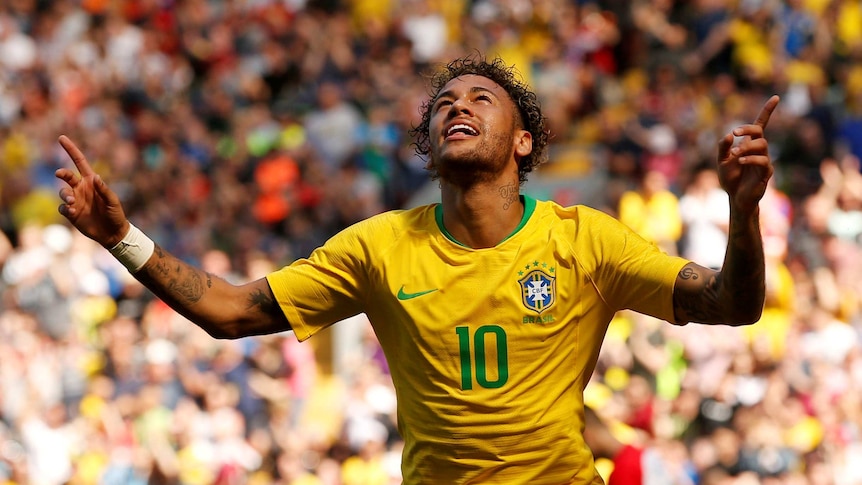
Records cluster around Neymar the way defenders once did. He is Brazil’s all-time leading scorer in the count recognised by FIFA, having overtaken Pele in September 2023 with a brace against Bolivia that took him to 79 international goals in 125 appearances, as ESPN and Al Jazeera reported at the time. Pele had scored 77 in the tally FIFA uses, a record that had stood since 1971. The achievement carries an asterisk that Brazilians still argue about, because the country’s football confederation credits Pele with 95 goals when friendlies against club sides are included, and Neymar himself spoke of the strange weight of passing a man so many consider untouchable. Either way, the raw output is staggering for a player whose career has been shadowed by injury for years.
Then there is the off-field figure. Various outlets place Neymar among the small club of athletes who have earned more than a billion dollars across their careers when salaries, transfer-related income, and endorsements are combined. That is the scale of the man this profile sets out to measure, on the pitch and far beyond it.
The Santos Prodigy
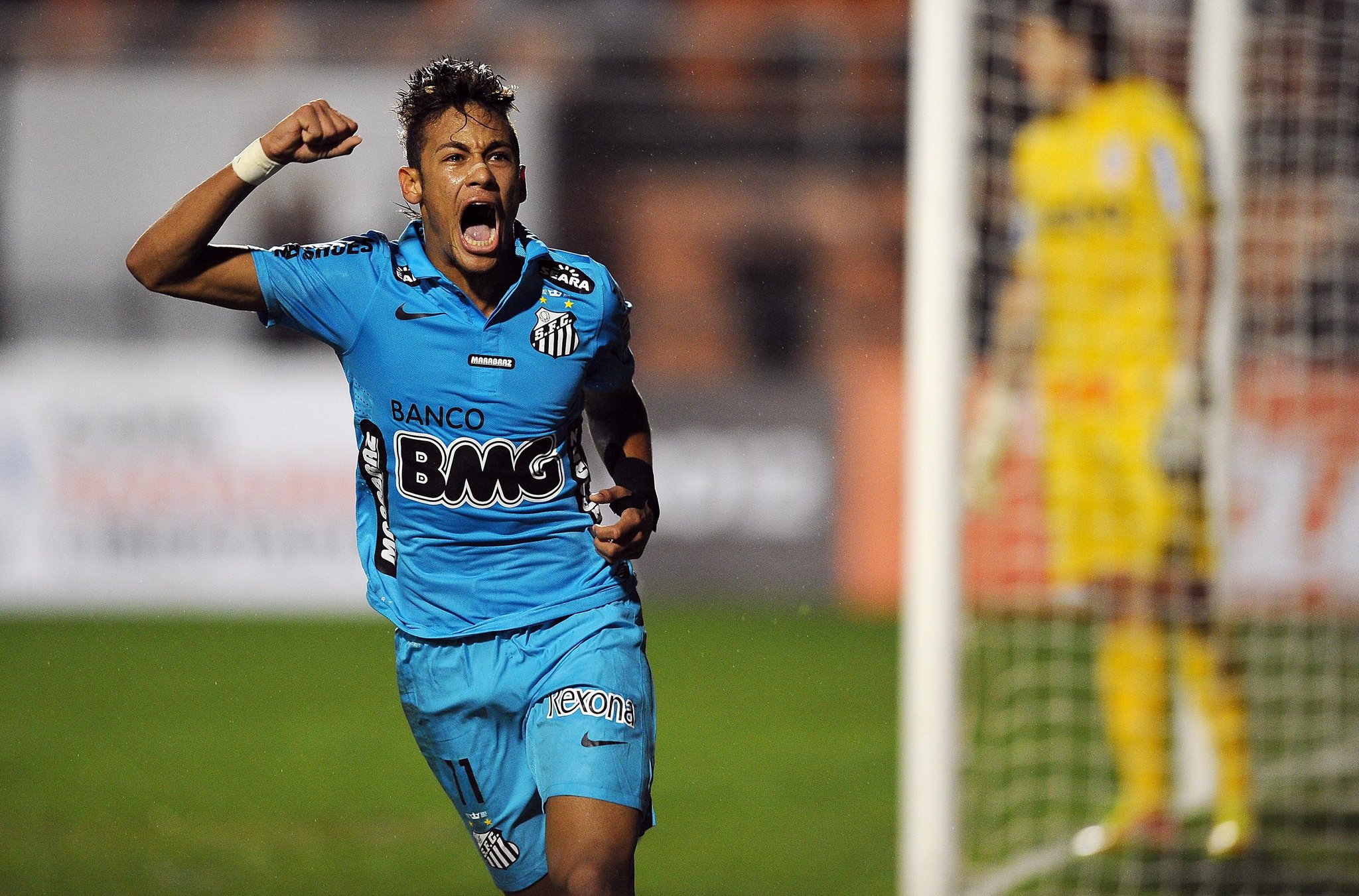
Born on February 5, 1992, in Mogi das Cruzes in Sao Paulo state, Neymar grew up in a family that knew hardship before it knew fame. His father, also named Neymar, had been a footballer himself and became his son’s manager and financial gatekeeper, a relationship that would later define how the family handled the enormous money that arrived. The boy’s talent was obvious early, and the Santos academy, the same club that had produced Pele decades before, took him in and watched him explode.
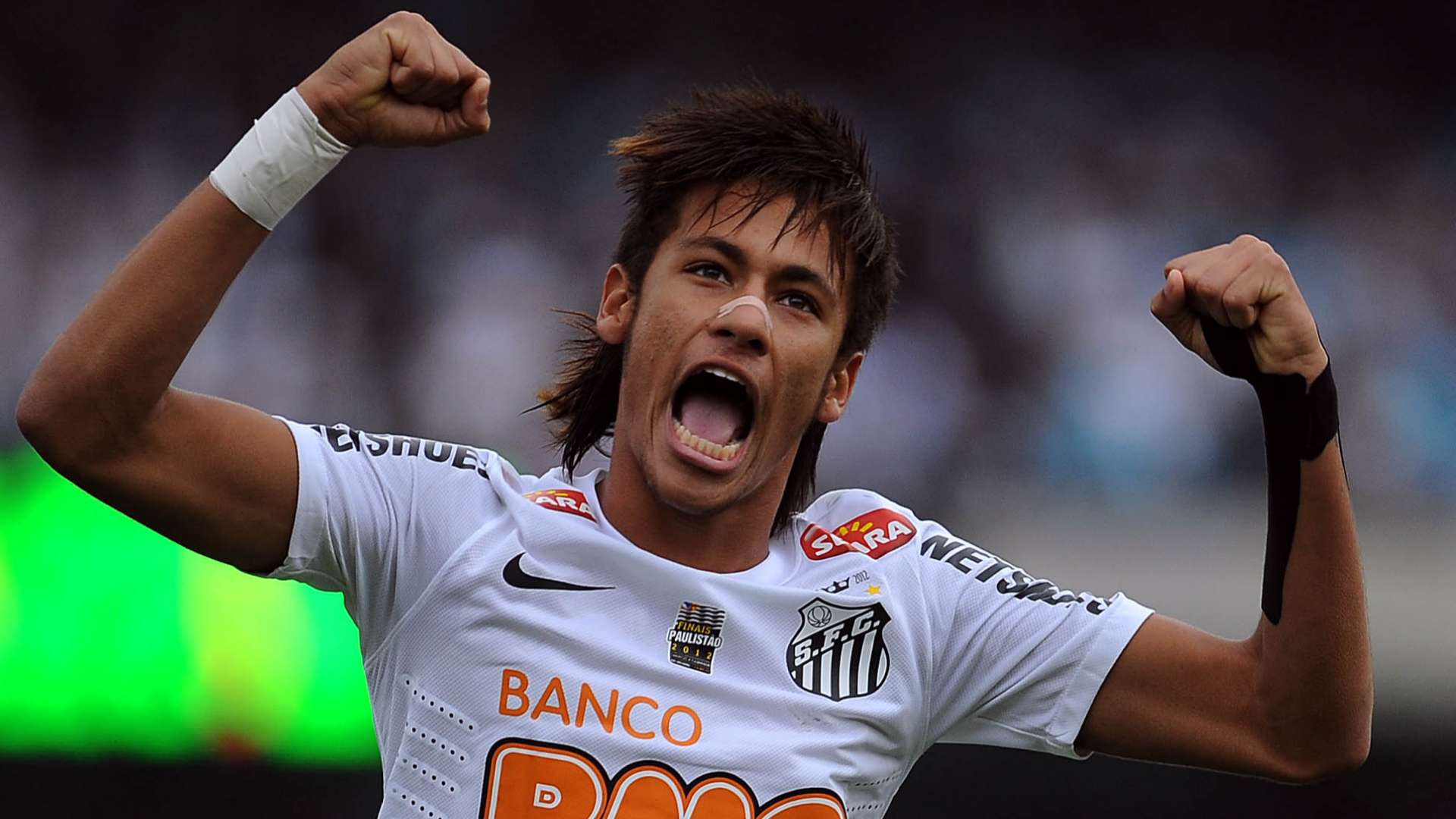
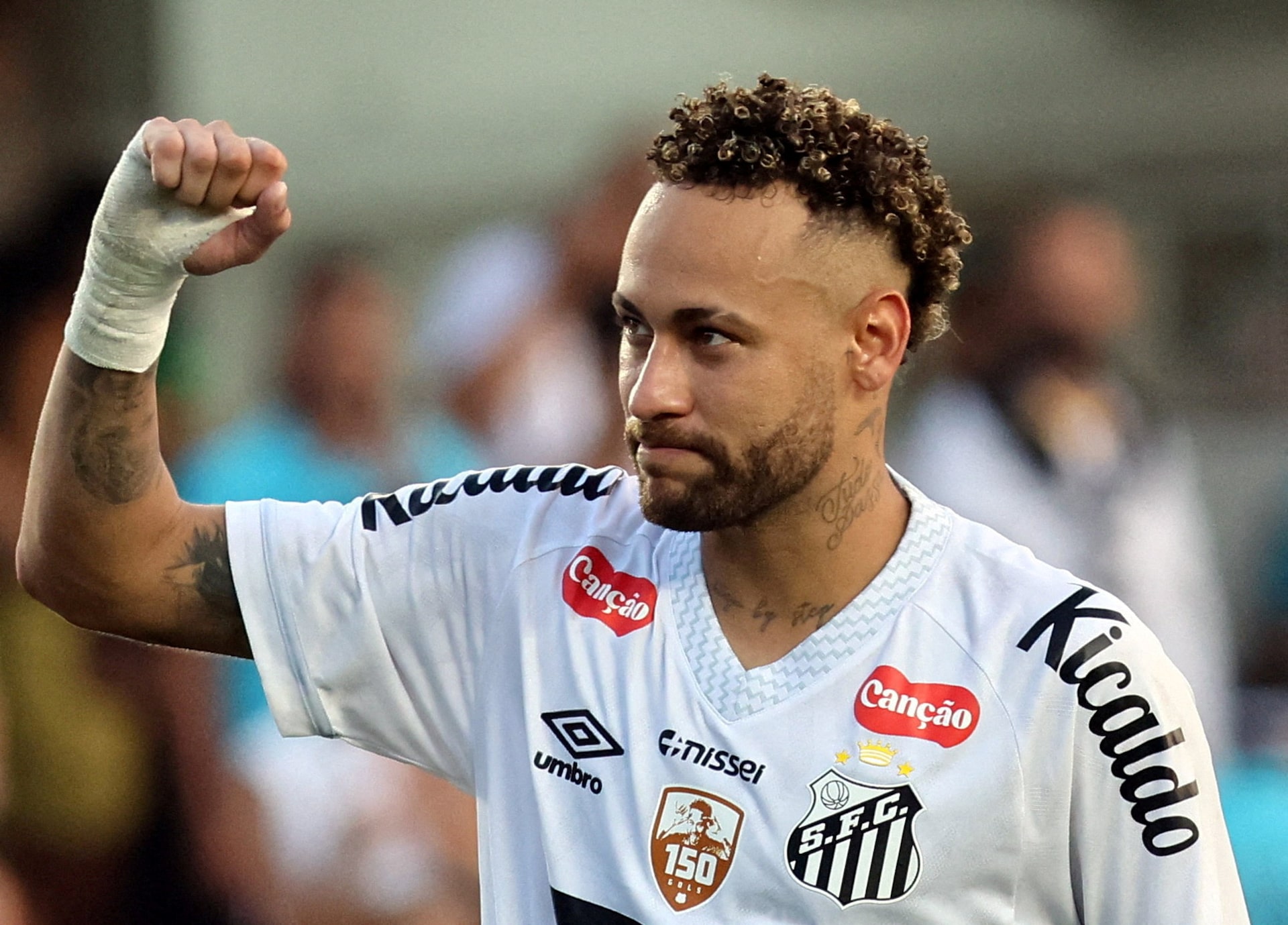
By his late teens Neymar was the most exciting young player in South America. He won the Copa Libertadores with Santos in 2011, the continent’s biggest club prize, and collected the South American Footballer of the Year award. European giants circled, but Santos held on for a few seasons longer than most expected, and those years gave Brazilian fans something rare: the chance to watch a homegrown superstar dazzle in their own league before the inevitable move abroad. The flicks, the no-look passes, the audacious dribbles that defenders could not read, all of it was on display in yellow and black before the world fully claimed him.
The Barcelona Years and the MSN Treble
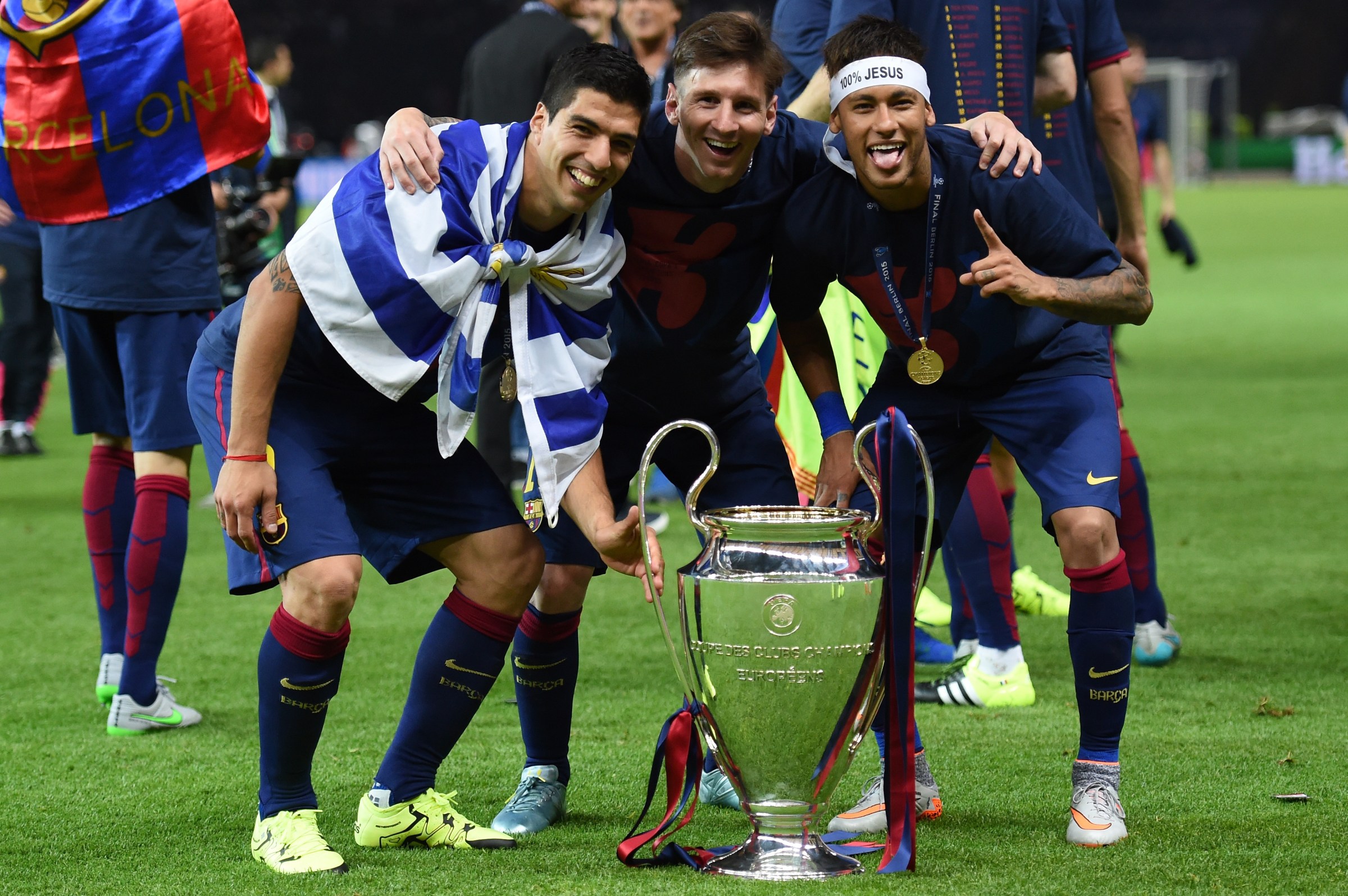
In 2013 Neymar joined Barcelona, and within two seasons he was part of one of the most devastating attacking trios the game has produced. The front three of Lionel Messi, Luis Suarez, and Neymar, shorthanded forever as MSN, tore through European football. In the 2014-15 campaign they drove Barcelona to a treble of La Liga, the Copa del Rey, and the Champions League, with the three forwards combining for a goal tally that rewrote record books across the continent.
What made those years remarkable was that Neymar thrived alongside Messi rather than in his shadow. He scored in the Champions League final, terrorised full-backs across Europe, and grew from a flashy prospect into a complete forward who could carry a team when needed. For many neutral observers, that Barcelona side represented Neymar at his absolute peak, a player who blended Brazilian flair with the relentless efficiency of the world’s best club. Yet ambition, and the question of whether he could ever truly step out of Messi’s orbit, was already pulling him toward the most dramatic move of his career.
The Record-Breaking PSG Move
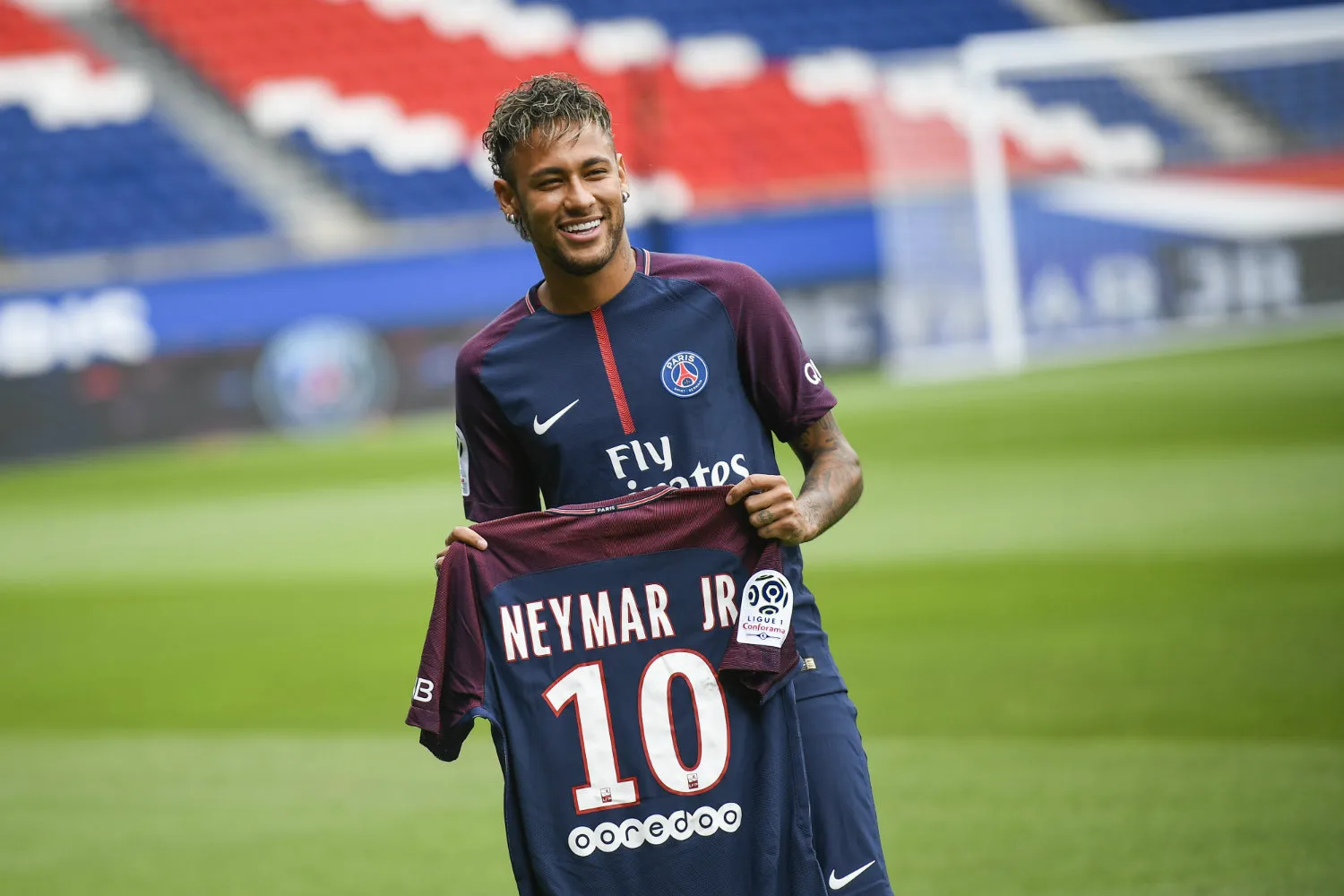
In the summer of 2017, Paris Saint-Germain did the thing everyone assumed was impossible. They paid Neymar’s release clause in full. Barcelona confirmed that the player’s legal representatives delivered the 222 million euro payment in person after La Liga initially refused to process it, and the deal was done, reported across outlets as worth roughly 262 million dollars at the time. It more than doubled the previous world record, the 105 million euros Manchester United had spent on Paul Pogba a year earlier, and it announced PSG and their Qatari ownership as a force willing to bend the entire transfer market to their will.
The move was a bet on Neymar becoming the undisputed face of a Champions League winner and, perhaps, a Ballon d’Or recipient. In Paris he scored prolifically and won multiple domestic trebles, dominating French football in a way that was never really in doubt. The European prize that PSG craved, though, kept slipping away, most painfully in the 2020 Champions League final, which they lost to Bayern Munich. Injuries punctuated almost every season. A foot fracture here, an ankle problem there, recurring muscle issues that cost him chunks of campaigns. The brilliance was undeniable, but so was the fragility, and the narrative of unfulfilled potential began to harden around a player who, on his day, remained one of the most gifted of his era.
The Saudi Chapter and the Injuries
In 2023 Neymar made the move that signalled a new phase, joining Al-Hilal in Saudi Arabia as the Pro League’s spending spree pulled some of the biggest names in world football toward the Gulf. The transfer was enormous in financial terms and fit a wider pattern of Saudi clubs reshaping the football economy, but it never delivered the football story anyone hoped for.
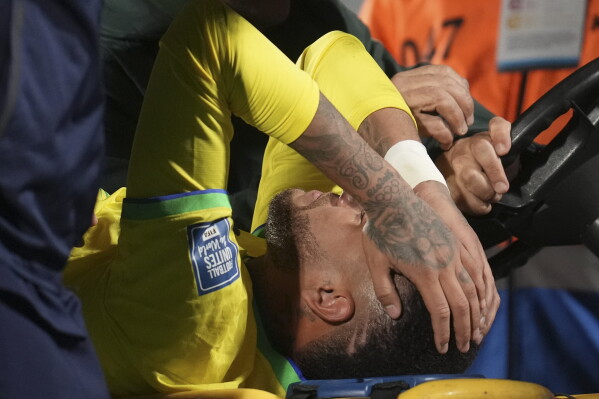
Disaster struck early. Playing for Brazil in October 2023, Neymar suffered a serious knee injury, a torn anterior cruciate ligament, the kind of damage that sidelines players for the better part of a year and often robs them of a yard of pace they never recover. His time at Al-Hilal became a long, frustrating rehabilitation punctuated by setbacks rather than the marquee performances his contract was meant to buy. He played only a handful of matches. For a player whose game had always relied on explosive movement and the confidence to take on defenders, the ACL injury was the cruellest possible blow at exactly the wrong moment in his career.