
Table of Contents
- What NECLive Actually Is - and Why It Matters
- The State of Nigeria’s Creative Economy 2026 Report
- Frontyard Group’s Role in Shaping the Conversation
- Why Data-Backed Research Is a Big Deal for African Entertainment
- The Bigger Picture: Nigeria’s Creative Economy on the Global Stage
- What NECLive’s June 29 Release Means for the Industry Right Now
What NECLive Actually Is - and Why It Matters
If you have been paying any attention to the business side of African entertainment over the past several years, then NECLive is not a new name to you. Described as the marketplace of ideas, products, and services for the African entertainment industry, NECLive has carved out a reputation as one of the most substantive gatherings of creative professionals, executives, investors, and policymakers on the continent. It is not a music festival, not an awards show, and not a networking cocktail hour dressed up in conference clothes. NECLive is genuinely built around the idea that the African entertainment industry deserves serious intellectual and economic investment, the kind that turns cultural momentum into lasting infrastructure. That positioning has made it one of the more respected platforms operating at the intersection of art and commerce in Nigeria and across the continent.
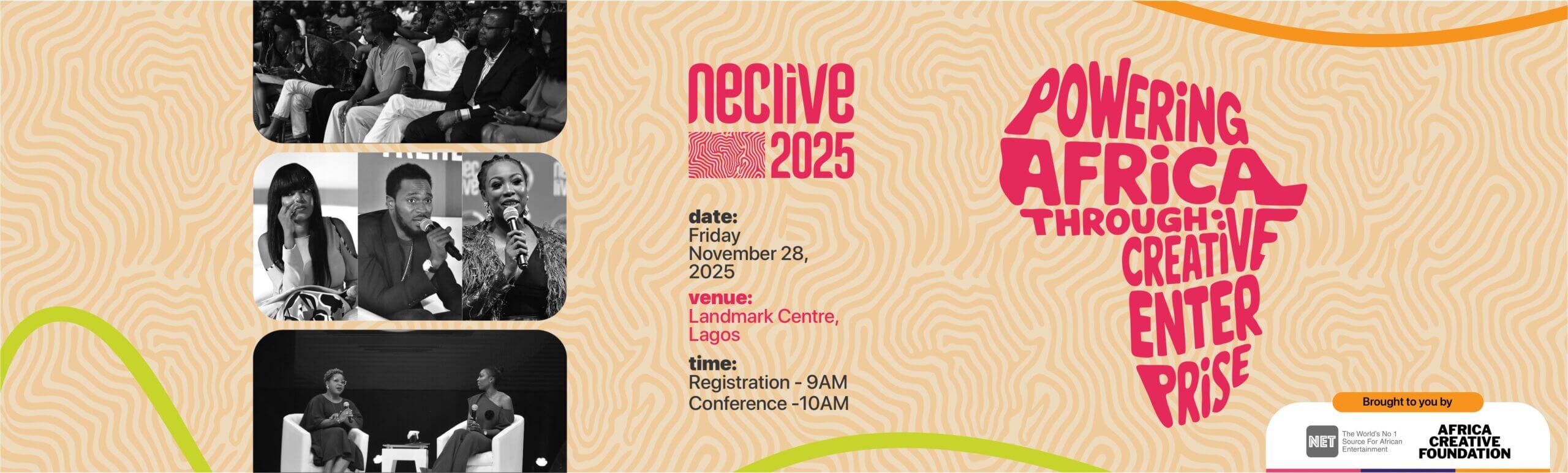
What has helped NECLive maintain that credibility is its consistent focus on actionable intelligence rather than hype. In an industry that can sometimes feel more interested in celebration than strategy, NECLive has built its identity around information - what the numbers actually say, what the gaps are, and what serious stakeholders need to know to make better decisions. That focus is exactly what makes the upcoming release of the State of Nigeria’s Creative Economy 2026 report feel significant. This is not a press release dressed up as research. This is the kind of document the industry has needed for a very long time, and the partnership behind it only adds to the expectation.
The State of Nigeria’s Creative Economy 2026 Report
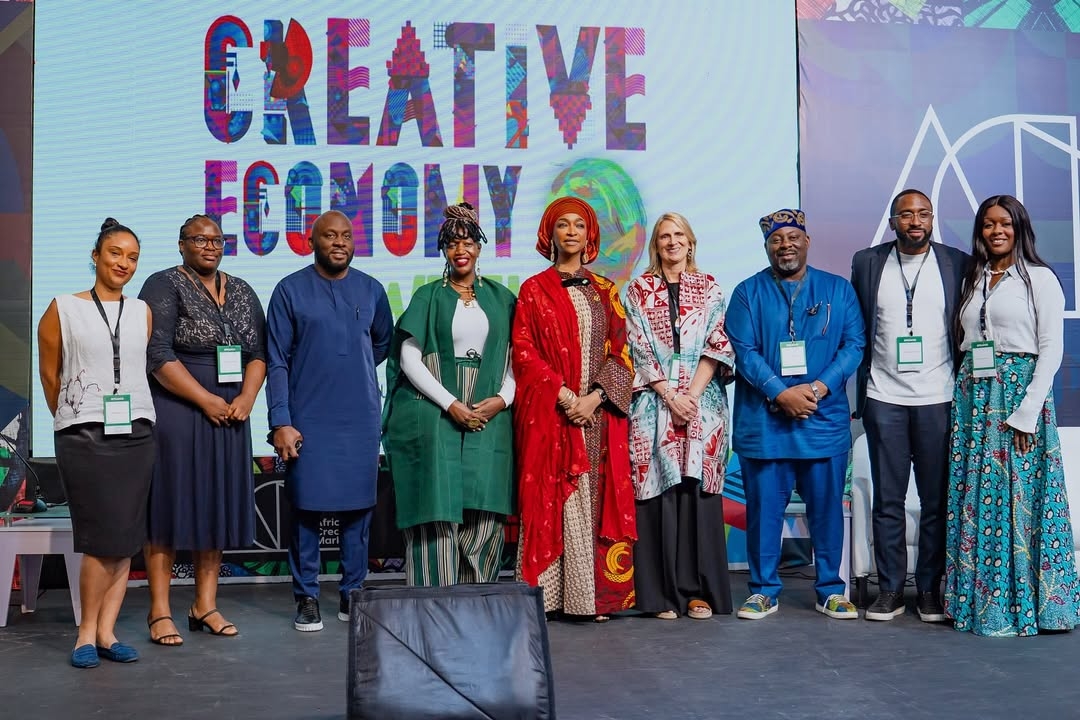
On Monday, the 29th of June 2026, NECLive will officially release the State of Nigeria’s Creative Economy Report in collaboration with Frontyard Group. The report is described as data-backed, which immediately sets it apart from the kind of speculative commentary that tends to dominate discussions about what Afrobeats is worth, how much Nollywood generates annually, or how the Nigerian music streaming market compares to other African territories. Good data changes those conversations entirely. When you have real numbers - properly sourced, properly contextualized - you stop guessing and start planning. That is the fundamental value proposition of a report like this, and it is why the industry is paying close attention ahead of the Monday release.
The timing of the report is also worth noting. We are at a point in 2026 where Nigerian entertainment has accumulated enough global momentum - through Afrobeats, through Nollywood’s expanding reach on streaming platforms, through the growing infrastructure around music publishing and talent management - that a comprehensive audit of where things actually stand is both timely and necessary. The creative economy is no longer just a cultural talking point in Nigeria; it is a policy conversation, an investment conversation, and increasingly an international business conversation. A well-researched report that maps that landscape gives everyone from independent artists to government agencies something concrete to engage with.
Frontyard Group’s Role in Shaping the Conversation
Frontyard Group brings a specific kind of credibility to this collaboration. Known for its strategic work within the creative and entertainment space, Frontyard has been involved in shaping how industry stakeholders understand and navigate the African market. Pairing that kind of on-the-ground expertise with NECLive’s platform reach and convening power creates a report that is likely to carry weight well beyond the Monday launch event. This is not a vanity publication - it is a joint effort by two organizations that have skin in the game when it comes to how Nigeria’s creative economy is understood, funded, and developed.
Collaborations like this one matter because they signal a maturing ecosystem. When serious organizations commit resources to producing independent research about an industry’s health and scale, it means that industry has reached a level where accountability and transparency are expected rather than exceptional. Nigeria’s entertainment sector has long operated with impressive output and relatively thin documentation. Reports like this begin to close that gap in a real way, and Frontyard Group’s involvement suggests the research will hold up under scrutiny from the kinds of investors and institutions that need more than anecdote to move capital.