Morgan Wallen's Career Comeback: How Country Music's Most Controversial Star Rebuilt His Empire
Jalen Ross··10 min read
Ad SpaceArticle Top - 728x90
Advertisement
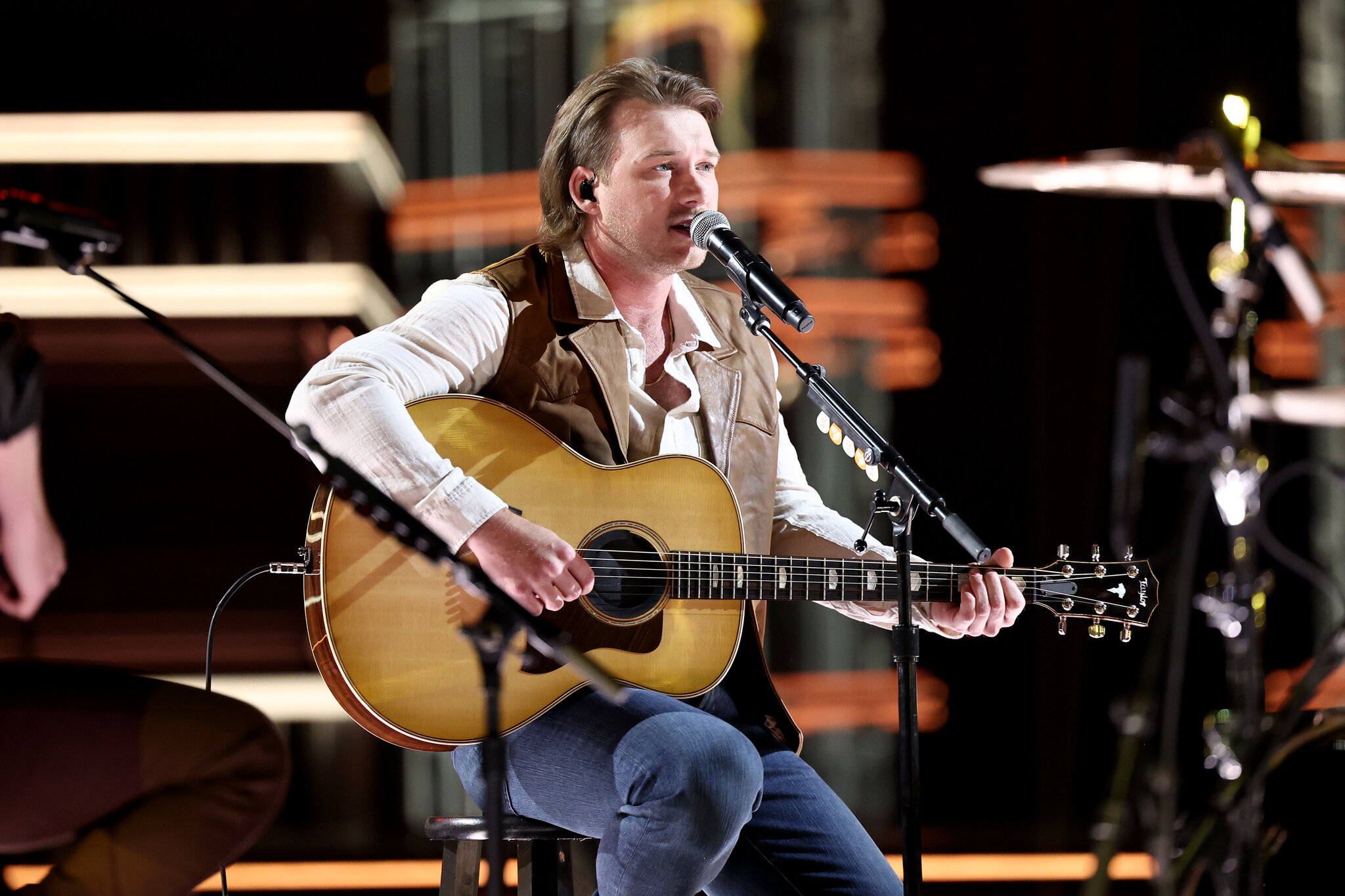
Jeff Bridges stood under the lights at Nashville’s Bridgestone Arena in November 2024, opened the envelope for Entertainer of the Year, and read out the name of a man who was not in the building. “Morgan couldn’t make it tonight, so I’m going to accept this award on his behalf,” the actor told the crowd at the 58th CMA Awards. Country music’s most prestigious prize had just gone to a singer who skipped the ceremony, gave no reason, and never mentioned the win on social media. Three years earlier, that same industry had pulled his songs off the radio, suspended his record deal, and ruled him ineligible for its biggest stages. The distance between those two moments is the story of the most remarkable, most uncomfortable rebuild in modern music: an artist who was cast out of the establishment, discovered he did not need it, and came back bigger than everyone who had shut the door.
The Knoxville Kid Who Flopped on The Voice
Morgan Cole Wallen was born in 1993 in Sneedville, Tennessee, a tiny town in the Appalachian foothills, and raised around Knoxville, the son of a preacher and a teacher. His first dream was baseball. A promising pitcher in high school, he saw that path closed by an elbow injury, and music filled the gap.
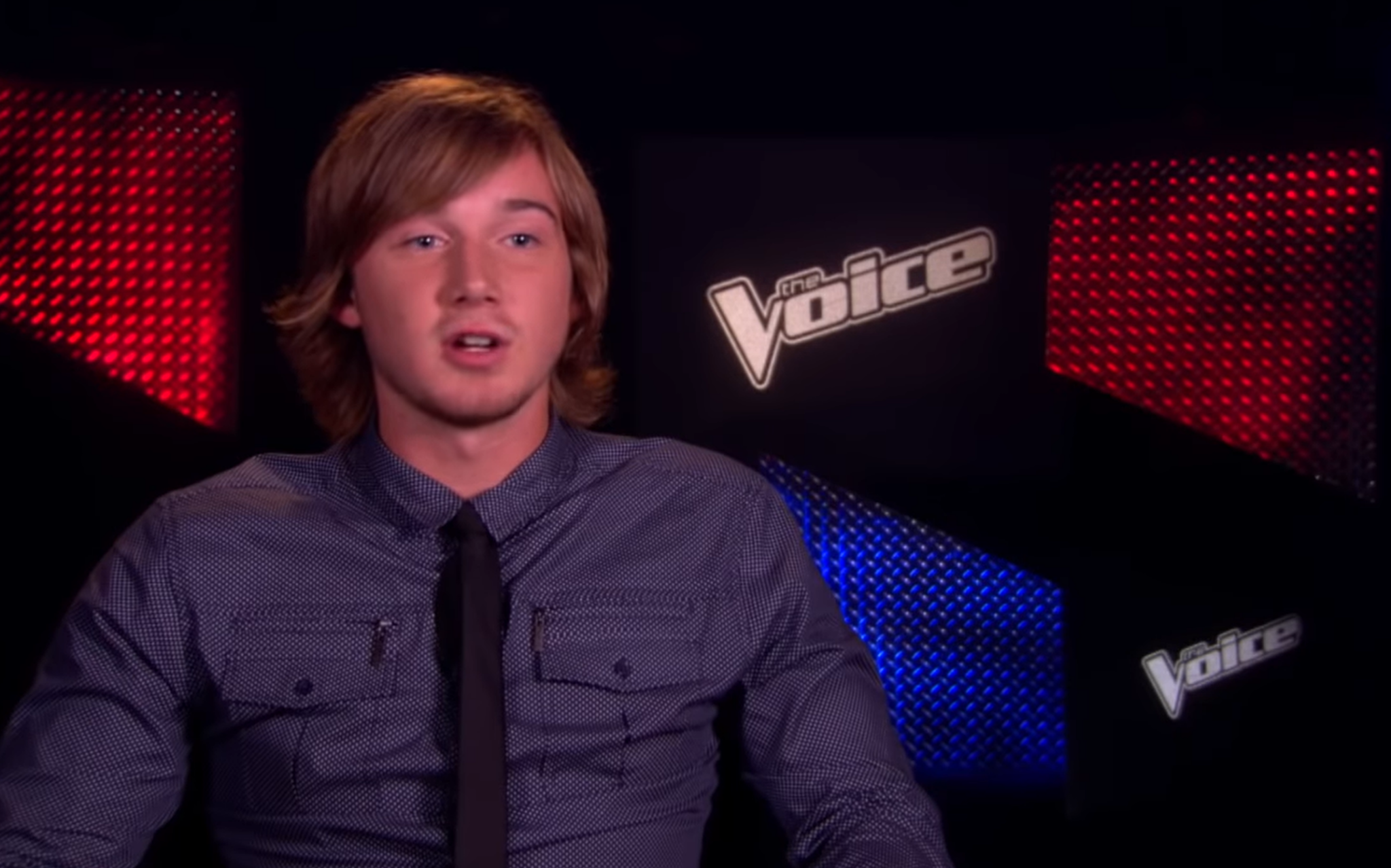
His first shot at fame was not Nashville. It was reality television. In 2014, a 20-year-old Wallen auditioned for season six of NBC’s The Voice, singing Howie Day’s “Collide.” He landed on Usher’s team, was later picked up by Adam Levine, and was eliminated in the playoffs before the live shows. He has been blunt about the experience since, telling interviewers the show pushed him toward pop. “They wanted me to sing pop music,” he said, adding that he finally performed a country song “and that’s when I got kicked off.” He has also called the early exit a blessing, saying he was thankful he did not win.
The flop turned out to be a redirect. Wallen moved to Nashville in 2015, signed with Big Loud, and started stacking hits: “Up Down” with Florida Georgia Line, then “Whiskey Glasses” and “Chasin’ You” off his 2018 debut album If I Know Me. By 2020 he was one of the hottest young names in country music, a mullet-wearing East Tennessee everyman whose drawl and melodies translated unusually well to streaming.
Dangerous and the Breakout
The first sign that Wallen’s rise would be tangled up with his behavior came in October 2020. Saturday Night Live dropped him as musical guest days before his scheduled appearance after videos surfaced of him partying maskless with fans in Alabama, a violation of the show’s COVID-19 protocols. “I know that I put them in jeopardy,” Wallen conceded at the time, per NBC News. Producer Lorne Michaels invited him back, and on December 5, 2020, Wallen performed on the show and appeared in a sketch poking fun at his own rule-breaking. Forgiveness, it seemed, could be quick.
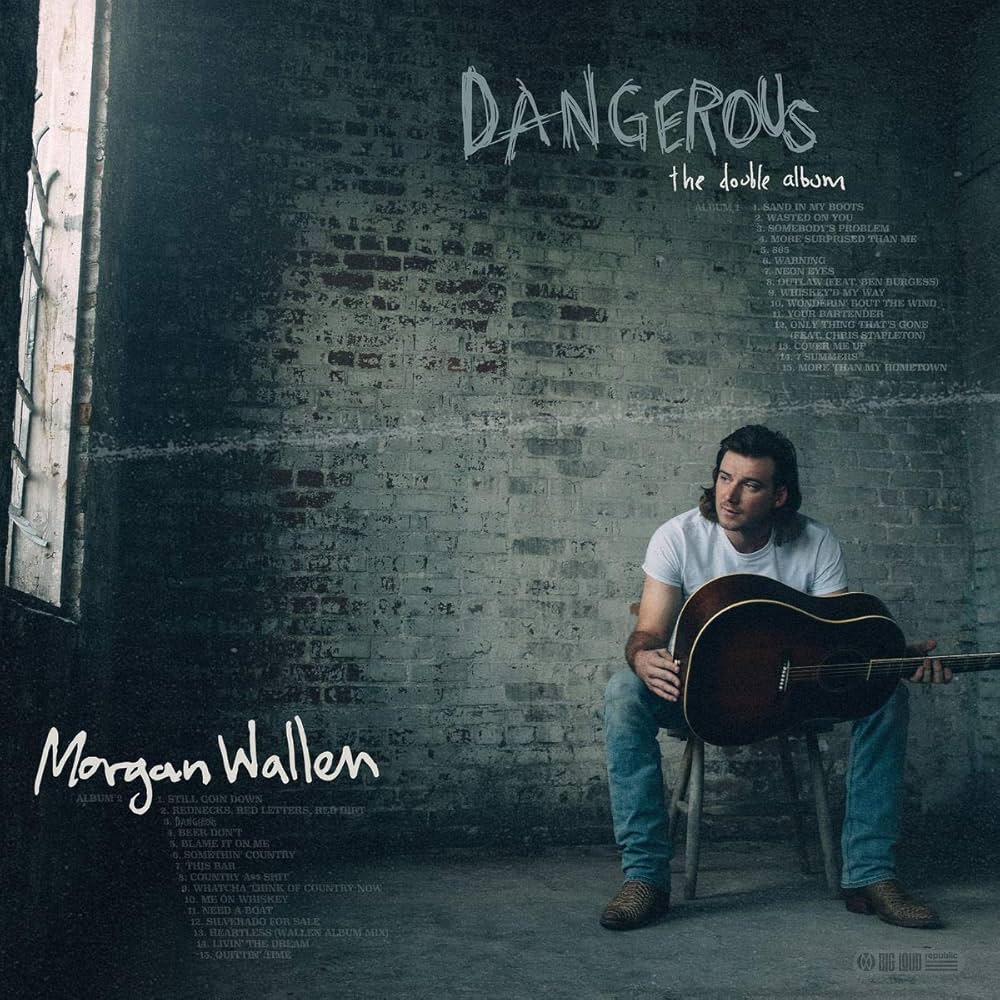
A month later he released the album that changed his life. Dangerous: The Double Album, a 30-track set that arrived in January 2021, opened at No. 1 on the Billboard 200 and refused to move, spending its first 10 weeks at the top. It would finish as Billboard’s No. 1 album of 2021. Wallen was no longer a promising young hitmaker. He was the biggest force in his genre, four weeks into the album’s run, when everything detonated.
February 2021, Plainly Told
On February 2, 2021, TMZ published video filmed by one of Wallen’s neighbors in Nashville. In the clip, recorded as a drunk Wallen returned home after a night out, he can be heard using a racial slur, the N-word, while shouting to a member of his group. There is no ambiguity about what is on the recording, and Wallen never disputed it.
The consequences came within hours. iHeartMedia, Cumulus and other major radio groups pulled his music from hundreds of stations. Streaming services removed him from their flagship editorial playlists. Big Loud, his label, suspended his recording contract indefinitely. WME, his booking agency, dropped him. CMT scrubbed his appearances from its platforms, and the Academy of Country Music declared him ineligible for its 2021 awards. In the space of a news cycle, the reigning king of country music became, on paper, an industry exile.
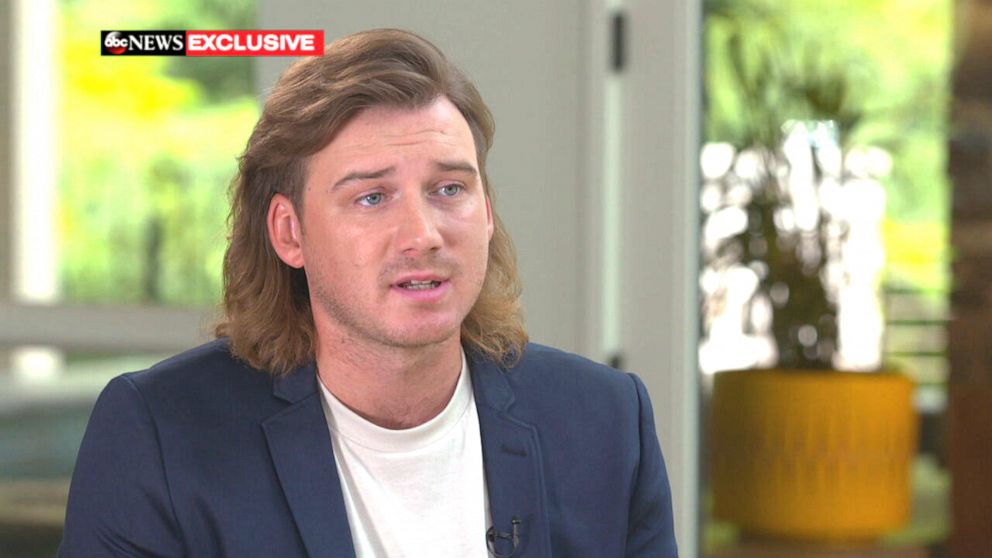
Wallen apologized immediately and repeatedly. “I used an unacceptable and inappropriate racial slur that I wish I could take back,” he said in his first statement, calling himself “embarrassed and sorry.” A week later he posted a longer video asking fans not to defend him, saying he had been sober for nine days and intended to do the work of understanding why the word came out of his mouth. That July, in his first interview since the video, he told Good Morning America’s Michael Strahan that he had used the slur ignorantly among friends, that he had met with Black music industry leaders including the Black Music Action Coalition and gospel singer BeBe Winans, and that he accepted the punishment he received.
The Strange Economics of a Cancellation
Then came the part nobody in the industry likes to talk about. While radio went silent, his audience went the other way. Sales of Dangerous surged in the week after the video, a spike Billboard documented in real time, and the album kept its grip on No. 1 throughout the suspension. Country fans, some out of loyalty and some in open defiance of what they saw as cancel culture, bought and streamed Wallen in greater numbers than before the scandal. Jason Isbell, who wrote “Cover Me Up,” a song Wallen covered on Dangerous, announced he would donate his own royalty windfall from the surge to the Nashville chapter of the NAACP.
Ad SpaceIn-Article - 300x250
Advertisement
Wallen’s team calculated that the controversy itself had generated roughly $500,000 in extra sales revenue, and he pledged to give that amount to Black-led organizations. The follow-through became its own controversy. In September 2021, Rolling Stone reported that the Black Music Action Coalition had received $165,000 but that 56 other Black-led or Black-founded charities the magazine contacted said they had received nothing, with BMAC calling the $500,000 framing “exceptionally misleading.” Wallen’s manager Seth England responded that a further $300,000 had gone to BMAC in April of that year, donated in the names of 20 people who had counseled the singer, and Taste of Country later reported the full pledge had been fulfilled. The episode left a lasting split in how the apology era is remembered: as genuine contrition to his defenders, and as damage control with a delayed invoice to his critics.
The Rebuild, by the Numbers
Whatever one concludes about the apology, the commercial verdict was unanimous. Wallen returned to the road in 2022, and by 2023 he was not just restored but operating at a scale country music had never seen. One Thing at a Time, his 36-song third album released in March 2023, spent 19 nonconsecutive weeks at No. 1 on the Billboard 200, breaking the record for the most weeks at the top by a country album, a mark Garth Brooks’ Ropin’ the Wind had held since the early 1990s.
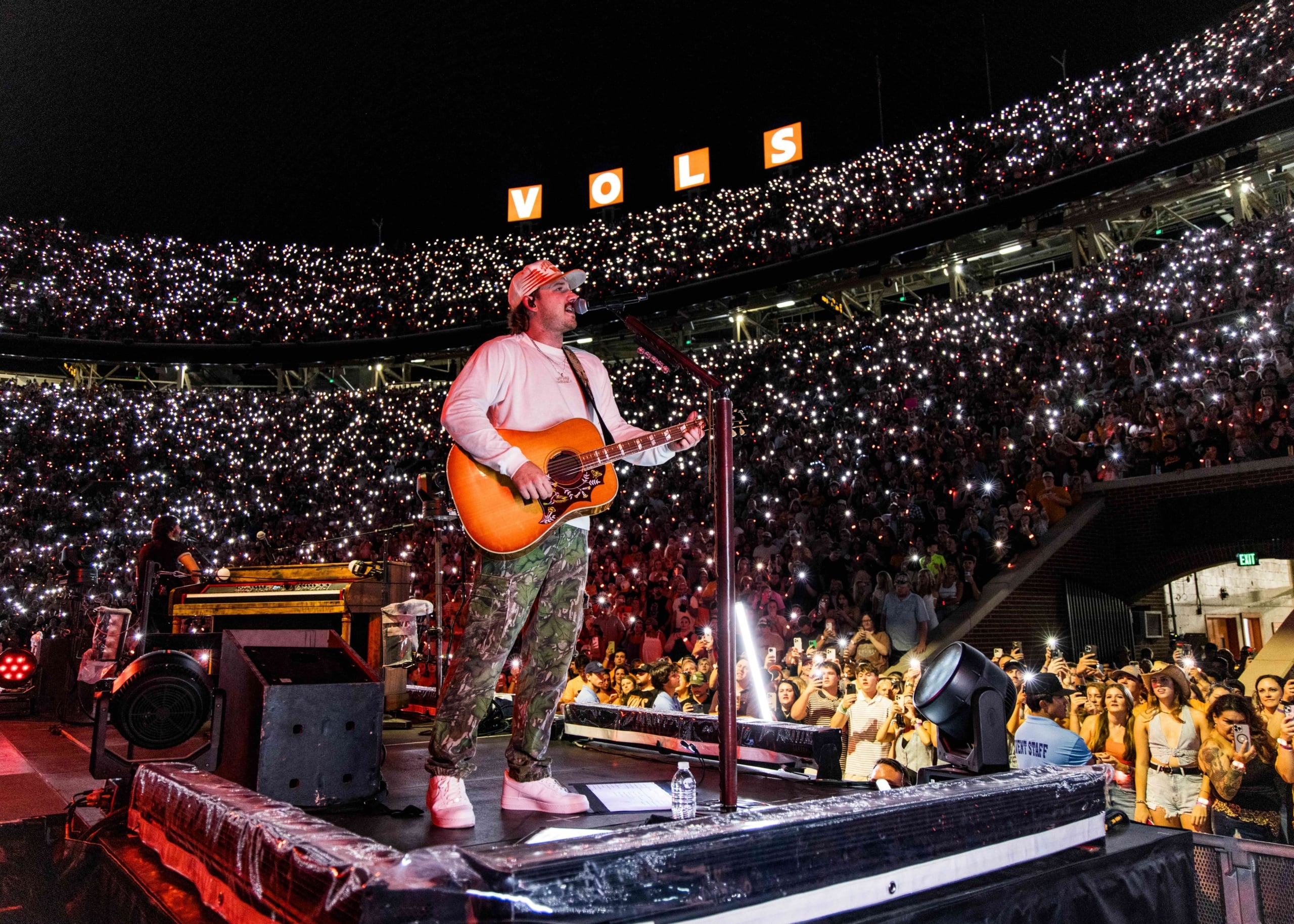
Its lead single rewrote the singles chart too. “Last Night” spent 16 weeks at No. 1 on the Billboard Hot 100, the longest run ever for a song without an accompanying artist, surpassing Harry Styles’ “As It Was,” and tying “Despacito” and “One Sweet Day” for the second-longest reign in the chart’s history at the time. In 2024, his Post Malone duet “I Had Some Help” debuted at No. 1 on the Hot 100 and owned the summer. His One Night at a Time stadium trek drew more than three million fans across 87 shows in 10 countries and became the highest-grossing country tour in Billboard Boxscore history, a record that stood until Beyonce’s Cowboy Carter Tour passed it in 2025 with $407.6 million.
Then he did it again, bigger. I’m the Problem, a 37-track album released on May 16, 2025, opened with 493,000 equivalent album units, the biggest week of the year for any album, and the largest streaming week of 2025 with 462.63 million on-demand streams, per Billboard and Luminate. All but one of its 37 songs charted on the Hot 100 in the same week, and “What I Want,” his duet with Tate McRae, debuted at No. 1. The album logged 13 nonconsecutive weeks atop the Billboard 200 across the year, and Billboard named Wallen its Top Artist of 2025. The awards establishment followed the audience: that CMA Entertainer of the Year trophy in November 2024 arrived three years after the same institution’s ecosystem had frozen him out. He skipped the 2025 CMA Awards as well, where Lainey Wilson took the top prize, and his absences have hardened into a posture. Wallen no longer appears to need the rooms that once expelled him.
The Incidents That Kept Coming
The rebuild never came with a clean record. In April 2024, Wallen was arrested in downtown Nashville after throwing a chair from the rooftop of Chief’s, the six-story Broadway bar owned by Eric Church. The chair landed a few feet from two Metro Nashville police officers standing below. He was charged with three felony counts of reckless endangerment plus a misdemeanor. In December 2024 he took a plea deal, pleading guilty to two misdemeanor counts of reckless endangerment. Per CNN and Nashville’s WSMV, he was sentenced to two years of probation, seven days at a DUI education center, and a $350 fine, with the case eligible to be cleared from his record if he completed the terms.
Smaller eruptions kept feeding the persona. In March 2025, he walked off the Saturday Night Live stage during the traditional goodnights instead of mingling with the cast, then posted a photo from his jet captioned “Get me to God’s country.” The clip went viral, the show’s cast joked about it on air, and Wallen sold merchandise bearing the phrase within days. Asked about it later on a podcast, he shrugged: “I was just ready to go home.” Each flare-up that once would have threatened his career now gets absorbed into the brand, sometimes literally printed on a T-shirt.
What Happened in Pittsburgh
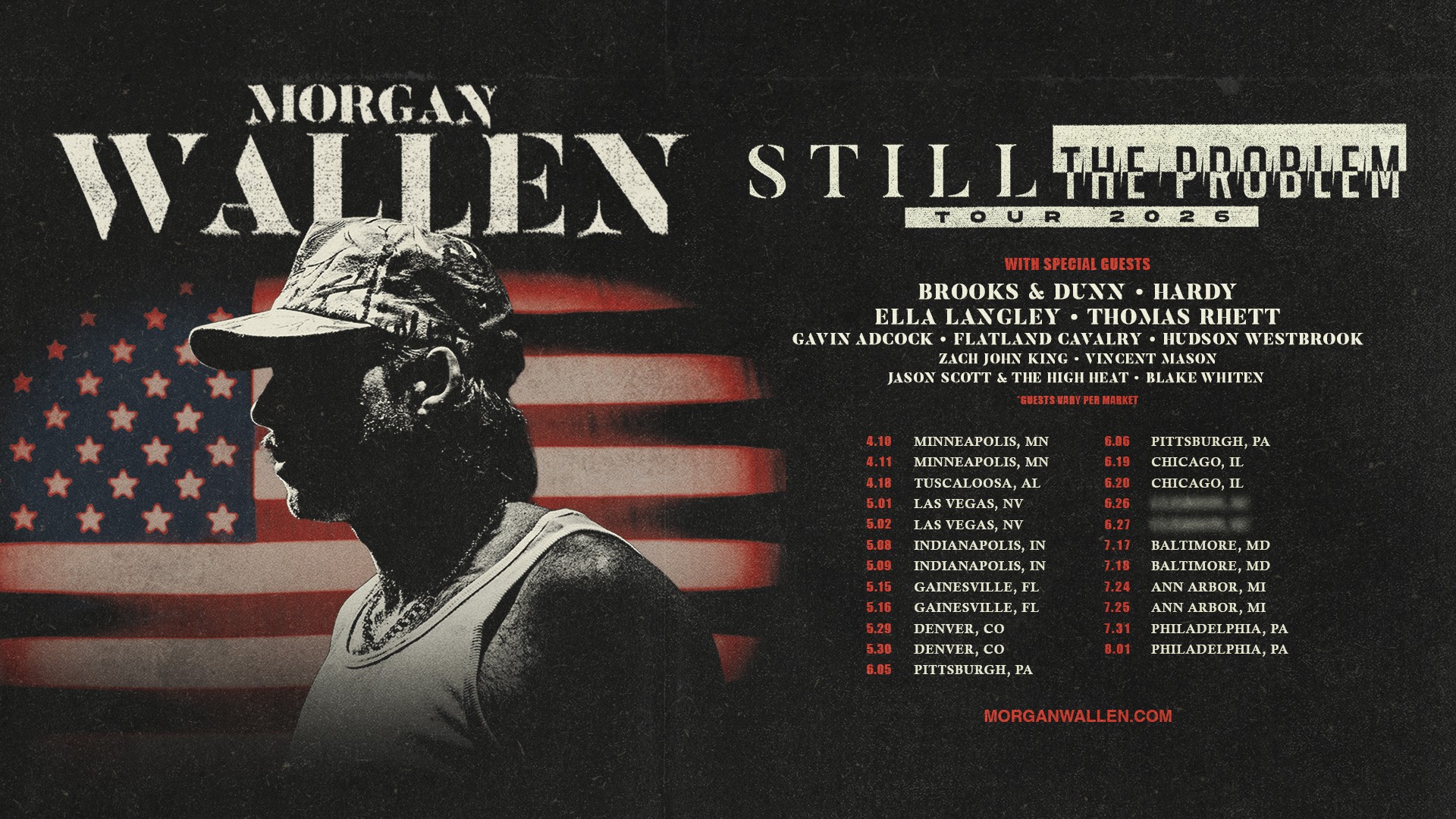
The most recent test of that dynamic came in June 2026, and the dated facts are these. Wallen’s Still the Problem Tour, a 21-date, 11-city stadium run that opened on April 10, 2026 at Minneapolis’ U.S. Bank Stadium with rotating support from Brooks & Dunn, HARDY, Ella Langley and Thomas Rhett, was booked for two nights at Pittsburgh’s Acrisure Stadium on June 5 and 6. He played the Friday show, with Pittsburgh wrestling legend Kurt Angle joining him on stage. Shortly after 1 p.m. on Saturday, June 6, he canceled that night’s second show, writing that “there is no choice but to cancel tonight’s show due to severe adverse weather conditions” and that “safety for my fans and crew is the highest priority,” with refunds issued at the point of purchase. Storms did move through the area in the early afternoon, and severe weather caused real damage south of the city and in Morgantown, West Virginia, where five people were hurt when a tent went airborne at a college baseball game. But skies over Acrisure Stadium were clear by the scheduled 8 p.m. start, ticket holders tailgated in the parking lots under sunshine, and criticism poured in, as Consequence and CBS Pittsburgh reported. Wallen answered in an Instagram video that evening: “I did the best I could with the information I had in that moment,” he said, adding that his team had consulted local officials about dangerous winds and that his massive stage rig “could become fatal to a lot of folks around it” in those conditions. It was a cancellation, not a postponement, and no makeup date was announced at the time.
What the Comeback Says About Country Music
Read one way, Wallen’s decade is a redemption arc: a small-town kid who failed on television, made it on his own terms, hit bottom in the ugliest way possible, apologized, did his probation in the court of public opinion, and let the music answer. Read another way, it is proof that for a star with a loyal enough base, accountability is optional. Critics inside the industry, from the Black Music Action Coalition’s leaders to the journalists who tracked his charity pledge, have argued that the consequences evaporated the moment they became commercially inconvenient, and that the 2024 Entertainer of the Year trophy closed the loop on a punishment that never really held.
Both readings sit on the same set of facts, and the facts are not in dispute. The slur happened and was never denied. The apology happened and was never retracted. The suspension happened, and the sales surged anyway. What Wallen’s run ultimately exposed is where power actually lives in modern music. Radio, labels, agencies and awards shows all withdrew at once in February 2021, the most coordinated blacklisting a major star has faced this century, and it changed almost nothing, because the audience kept pressing play. For artists everywhere, from Nashville to Lagos to London, that is the lesson and the warning of the Wallen era: the gatekeepers can lock the doors, but streaming handed the keys to the fans, and the fans decide who gets canceled and who gets a stadium tour. In June 2026 the bus rolled out of Pittsburgh with one show played, one show scrapped, a refund line moving quietly, and the empire fully intact.
Ad SpaceIn-Article - 300x250
Advertisement
Share
Get the recap
Loved this story? Get more like it.
Join readers who get our weekly entertainment recap - the stories worth your time, delivered every Friday.
No spam. Unsubscribe anytime. By signing up you agree to our Privacy Policy.