

Table of Contents
- A Mother’s Defense Goes Viral
- Keyla’s American Idol Journey
- Fan Reactions and Social Media Storm
- The Reality of Competition Shows
- What’s Next for Keyla Richardson
A Mother’s Defense Goes Viral
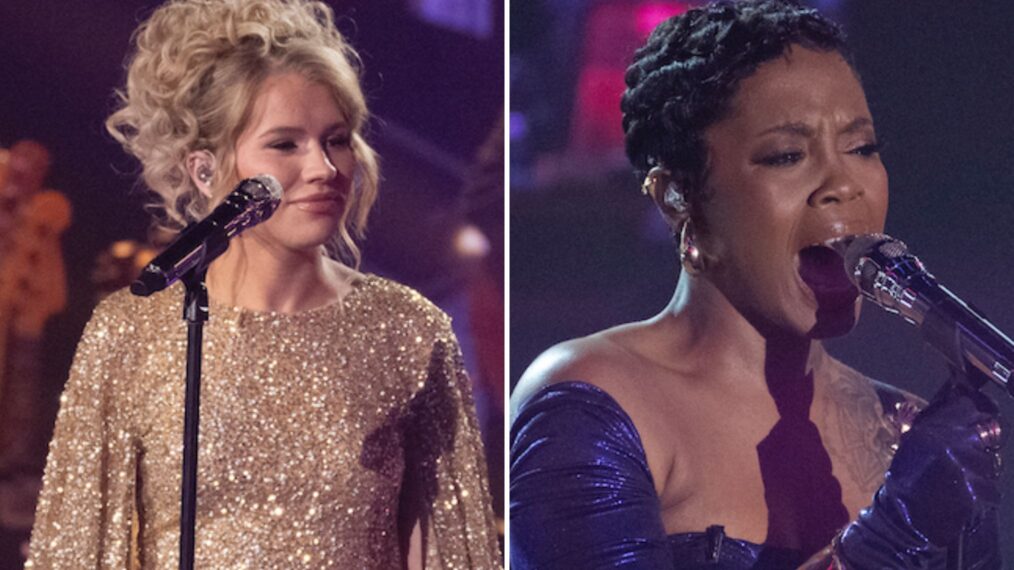
The aftermath of American Idol’s latest season finale has taken an unexpected turn as Katja Richardson, mother of third-place finisher Keyla Richardson, made headlines with her passionate defense of her daughter’s performance. Taking to Facebook shortly after the results show aired, Katja didn’t mince words when she declared “My baby was robbed,” sparking a wave of discussion across social media platforms about competition fairness and the subjective nature of talent shows. The post, which quickly gained traction among fans and critics alike, reflects the raw emotions that often accompany high-stakes reality television moments. For any parent watching their child compete on national television, the investment is deeply personal, making Katja’s response both understandable and relatable to viewers who have followed Keyla’s journey throughout the season.

Keyla’s American Idol Journey

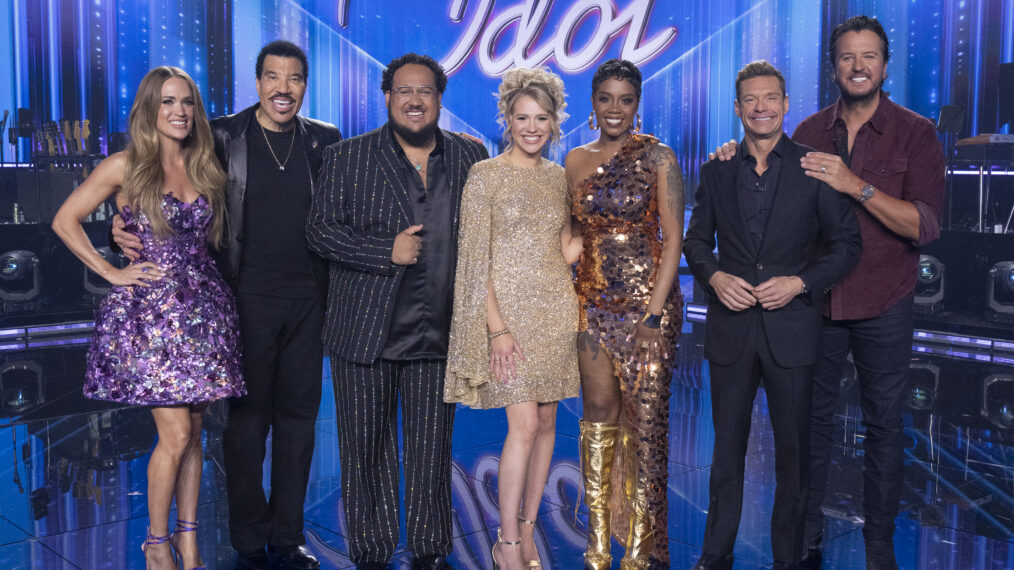
Keyla Richardson’s path to the American Idol finale was marked by consistently strong performances and a growing fanbase that appreciated her vocal range and stage presence. Throughout the competition, she demonstrated versatility across multiple genres, from contemporary pop hits to classic soul numbers that showcased her ability to connect with both the judges and the viewing audience. Her third-place finish, while impressive in its own right, came as a surprise to many who had predicted she would advance further in the competition. The young singer’s performances often drew praise from judges for her technical skill and emotional delivery, qualities that her supporters believed should have carried her to the top spot. Industry observers noted that her style and vocal approach represented a more traditional R&B influence, which sometimes faces challenges in connecting with the broader American Idol voting demographic that tends to favor more contemporary pop sounds.
Fan Reactions and Social Media Storm
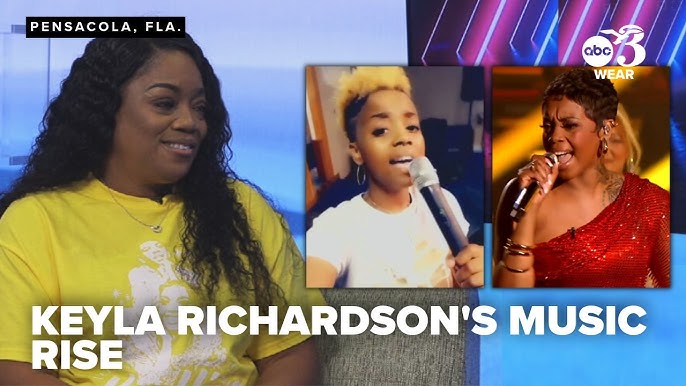
Katja Richardson’s Facebook declaration struck a chord with fans who shared similar sentiments about the competition results, leading to a broader conversation about voting patterns and audience preferences in reality singing competitions. Social media platforms buzzed with divided opinions, as some supporters rallied behind the Richardson family’s perspective while others defended the democratic nature of viewer voting that determines American Idol winners. The controversy highlights the passionate investment that audiences develop in their favorite contestants, transforming what begins as entertainment into deeply personal connections that extend far beyond the television screen. Fan communities dedicated to Keyla’s music career began organizing streaming parties and social media campaigns to boost her post-show visibility, demonstrating how modern audiences can mobilize to support artists they believe deserve greater recognition. The discussion also opened up broader questions about representation in music competitions and whether certain musical styles or demographics face inherent disadvantages in popularity-based voting systems.