Idris Elba's Hollywood Journey: From London Streets to Global Stardom and His African Heritage
Nova Patricks··9 min read
Ad SpaceArticle Top - 728x90
Advertisement
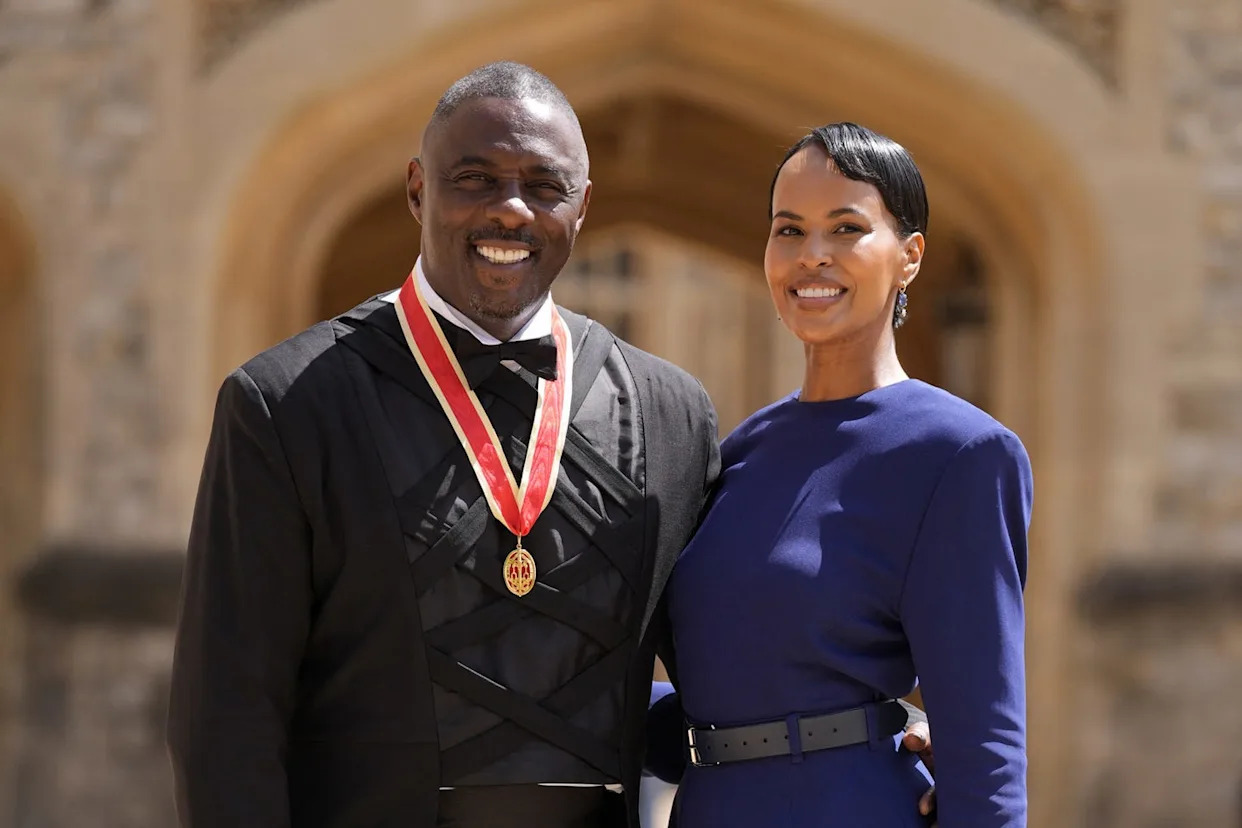
A sword touched the shoulder of a Hackney boy at Windsor Castle on June 2, 2026, and the man who rose was Sir Idris Elba. King Charles III performed the investiture himself, honouring the actor not for Stringer Bell or Luther but for his services to young people. For a man whose parents arrived in London from Sierra Leone and Ghana with little more than ambition, the moment closed a remarkable loop. The same establishment whose charity once handed a teenage Elba a small grant to chase an acting dream now knelt him before the King.
That arc, from the son of a Ford Dagenham factory worker to one of the most bankable and influential figures in global entertainment, would be story enough. But what makes Elba’s journey matter to audiences in Lagos, Accra, Freetown and Dar es Salaam is what he is doing with the power he accumulated along the way. While Hollywood debates representation in panel discussions, Elba has been signing land agreements with African governments, getting investment frameworks ratified by parliaments, and putting his own name and capital behind film infrastructure on the continent his parents left.
Hackney Beginnings and the Long Apprenticeship
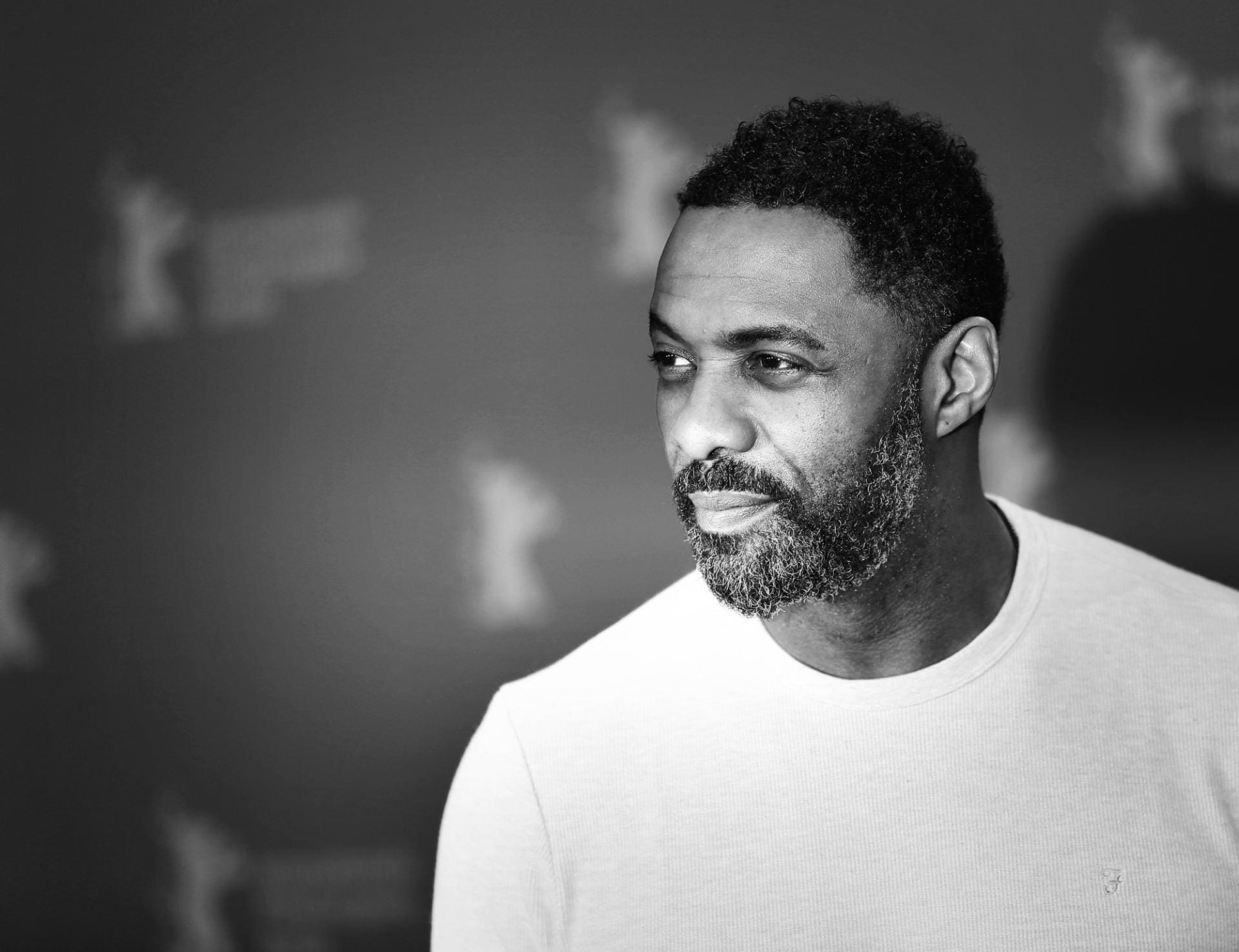
Idrissa Akuna Elba was born on September 6, 1972, in Hackney, East London. His father, Winston, came from Sierra Leone and worked at the Ford plant in Dagenham. His mother, Eve, is Ghanaian. The household was working class West African in a part of London that offered very few obvious paths to the life Elba ended up living.
Two passions emerged early, and neither was acting at first. Music came before anything else. Elba helped an uncle with his wedding DJ business as a teenager and was soon running his own sets in London clubs under the name Big Driis. Performance followed. A grant of 1,500 pounds from the Prince’s Trust, the youth charity founded by the then Prince Charles, helped him secure a place with the National Youth Music Theatre. That detail gained new poignancy in 2026 when the man who founded that charity personally knighted its former beneficiary.
The 1990s were a grind. Elba took night shifts at Ford Dagenham, the same plant where his father worked, and did door work at clubs to fund auditions. He picked up small British television roles, including a stint on the medical drama Casualty and the soap Family Affairs, but British TV in that era had a low ceiling for Black leading men. So he did what countless ambitious performers from the diaspora have done. He moved. New York in the late 1990s meant DJ gigs, audition rounds and lean years, until an HBO crime drama changed everything.
Stringer Bell and the Breakthrough
The Wire premiered in 2002, and Elba’s portrayal of Russell “Stringer” Bell, the Baltimore drug lieutenant studying economics at community college and trying to launder a criminal empire into legitimacy, became one of the defining television performances of the decade. Stringer was ruthless, intelligent and tragic, and Elba played him with such conviction that many American viewers were stunned to learn the actor was a Londoner. He stayed with the show until his character’s death in 2004, by which point the industry had taken full notice.
What followed was the steady construction of a career that refused to be boxed in. American network television came calling with The Office, where he played the no-nonsense Charles Miner. Film roles accumulated through the late 2000s, from Ridley Scott’s American Gangster to Guy Ritchie’s RocknRolla.
Then came Luther. The BBC psychological crime drama, which premiered in 2010, gave Elba the role most British viewers now associate with him first: DCI John Luther, the brilliant, tormented detective in the grey tweed coat. The series ran across five seasons through 2019 and earned Elba a Golden Globe, with the story extended in the 2023 Netflix film Luther: The Fallen Sun. Luther proved a Black actor could carry a flagship British drama as its undisputed centre, something that had been vanishingly rare before it.
Mandela, Beasts of No Nation and the African Stories
For African audiences, two roles in the mid-2010s carried a different weight than anything Elba did in Hollywood franchises.
In 2013 he played Nelson Mandela in Mandela: Long Walk to Freedom, the adaptation of Madiba’s autobiography. Taking on the most revered African statesman of the twentieth century, in a film released in the very weeks Mandela passed away, was a responsibility Elba spoke about with visible reverence. His performance earned a Golden Globe nomination and cemented his standing as an actor African audiences claimed as their own.
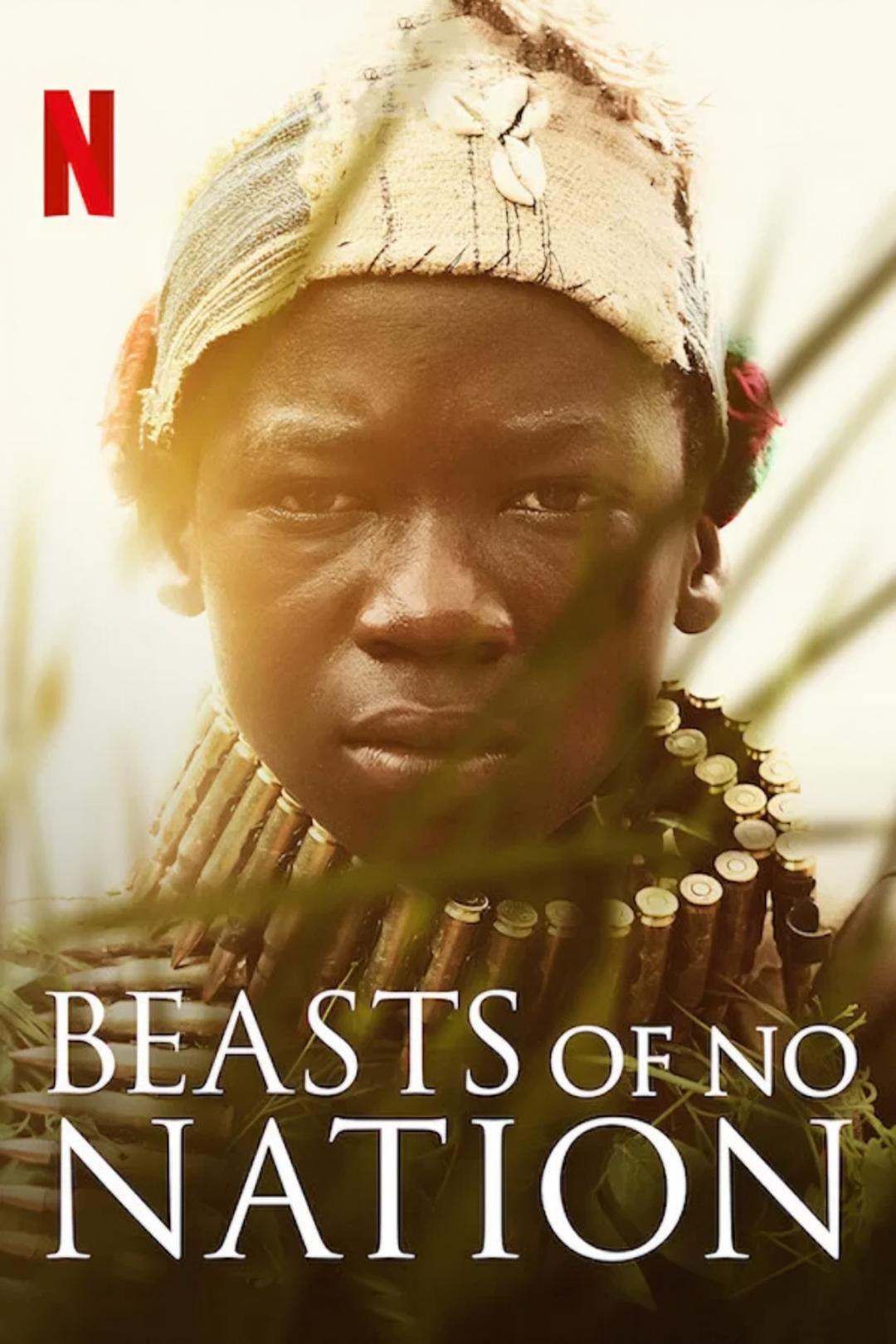
Two years later came Beasts of No Nation, Cary Joji Fukunaga’s 2015 adaptation of Nigerian-American author Uzodinma Iweala’s novel about child soldiers in an unnamed West African civil war. Elba’s Commandant, the magnetic and monstrous warlord who turns a boy named Agu into a killer, was among the most chilling work of his career. He won the Screen Actors Guild Award for Outstanding Supporting Actor for the role, and the film’s infamous omission from the Oscar acting nominations became a flashpoint in the #OscarsSoWhite reckoning. It was also a landmark as Netflix’s first major original feature film, meaning an African war story anchored by a British-African actor helped launch the streaming era of prestige cinema.
Alongside these came the blockbuster ledger: Heimdall, the all-seeing guardian of the Bifrost across the Thor films and the wider Marvel universe, Shere Khan’s menacing voice in The Jungle Book, the gunslinger in The Dark Tower, Bloodsport in James Gunn’s The Suicide Squad in 2021, the man versus rogue lion thriller Beast in 2022, shot in South Africa, and the voice of the djinn opposite Tilda Swinton in Three Thousand Years of Longing.
Big Driis: The DJ Who Never Stopped
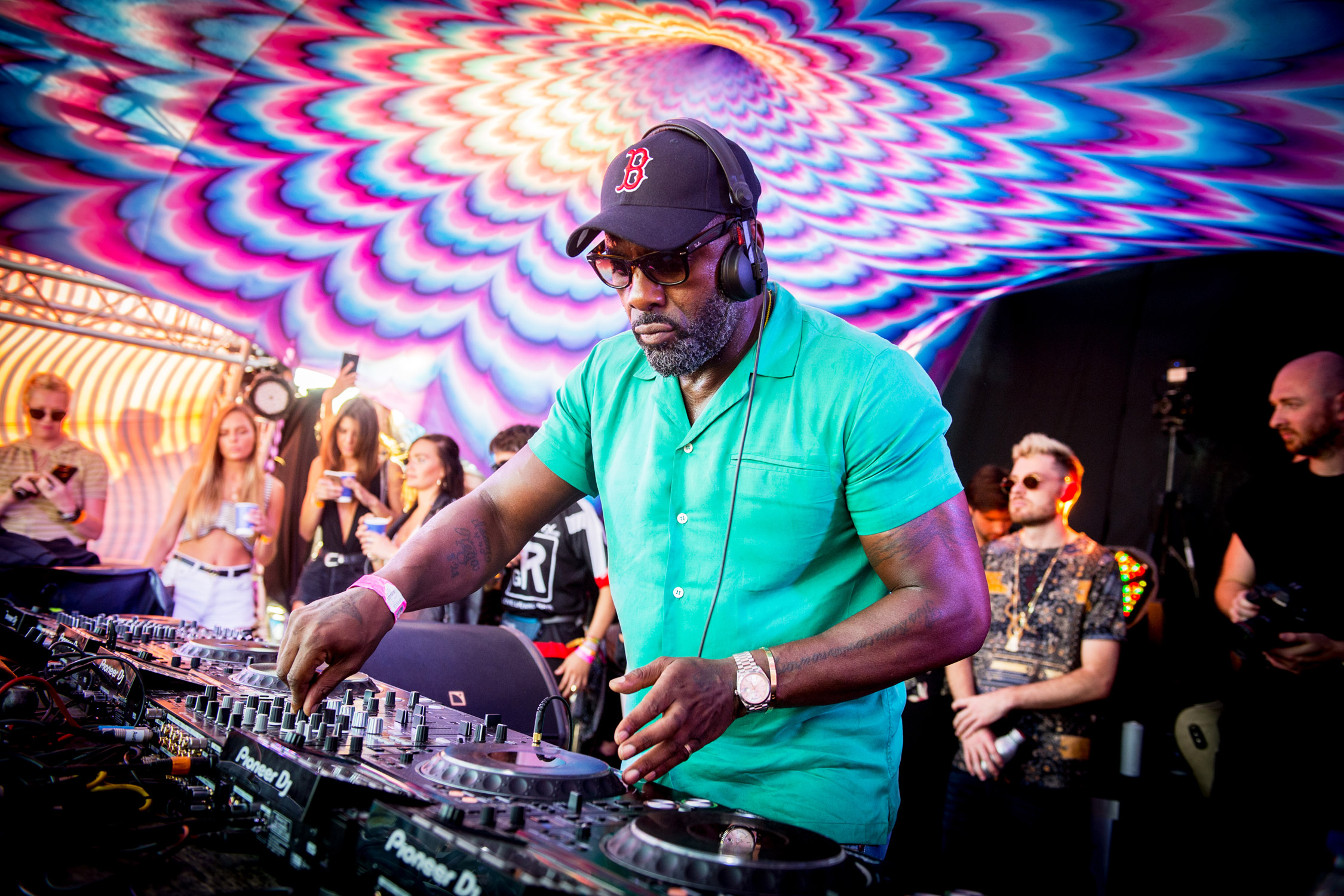
The music never went away. Under the name Big Driis, Elba has maintained a parallel career as a DJ and producer for more than two decades, releasing house and hip-hop influenced records and playing club sets around the world. In April 2019 he performed a DJ set at Coachella, drawing a packed crowd to the Yuma tent for roughly two hours of house music. It was a set, not a headline slot, but the image of one of Hollywood’s biggest stars behind the decks at the world’s most photographed festival said everything about how seriously he takes the craft.
Ad SpaceIn-Article - 300x250
Advertisement
For Afrobeats followers, the DJ side of Elba is more than a hobby. He has been a consistent champion of African music in Western spaces, collaborating with and platforming artists from the continent, and his sets regularly carry African records to audiences who might never otherwise hear them. The man who learned the trade at his uncle’s Hackney weddings now functions as one of the genre’s more useful informal ambassadors.
In 2019 his personal life also made headlines for joyful reasons. Elba married Sabrina Dhowre, the Canadian model of Somali heritage, in a celebrated three-day ceremony in Marrakech that April. The couple have since become a working partnership as much as a marriage. Sabrina Elba serves as a UN goodwill ambassador for the International Fund for Agricultural Development, and together they founded the Elba Hope Foundation, the philanthropic vehicle focused on youth opportunity that featured prominently in the citation for his knighthood.
Building Studios, Not Just Starring in Them
Here is where Elba’s story diverges from the standard Hollywood diaspora narrative, and where it matters most to readers on the continent.
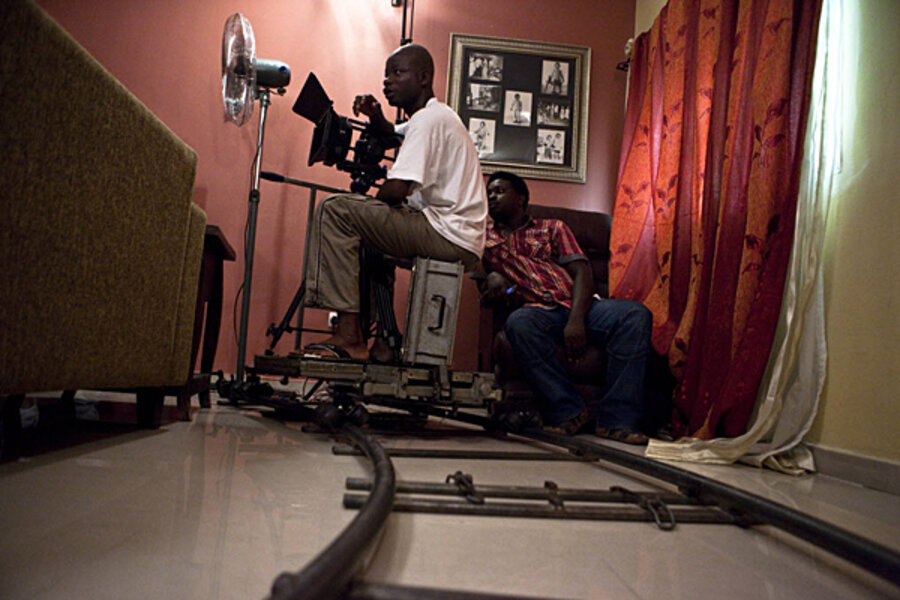
Around 2023 and 2024, Elba began saying publicly that he intended to spend significant stretches of the coming decade living in Africa, in cities like Accra and Zanzibar, because he wanted to be present for the work he was planning. That work is film infrastructure, the unglamorous foundation that Nollywood, Ghallywood and East African cinema have largely had to do without: sound stages, post-production facilities, training pipelines and financing structures.
The most advanced piece is in Tanzania. The government of Zanzibar has granted Elba approval and pledged land, reported at close to 200 acres, for a studio development the local press has taken to calling Zollywood. Elba has discussed the plans directly with Tanzanian President Samia Suluhu Hassan, including at the World Economic Forum in Davos, and the project is positioned as a hub for Swahili-language cinema as much as for international productions seeking African locations.
Ghana, his mother’s homeland, is the second pillar. In March 2025 Elba returned to Accra and unveiled plans for a film studio at a ceremony at the Ga Mantse Palace, with the backing of the Ga king, King Tackie Teiko Tsuru II. The symbolism was deliberate: a son of Ghana coming home not to receive honours but to build.
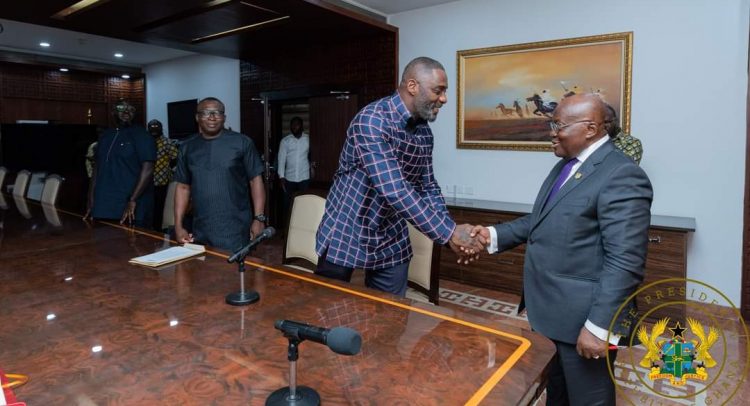
Then there is Sierra Leone, his father’s country, where the ambition goes beyond film entirely. Elba co-founded Sherbro Alliance Partners in 2019 with his childhood friend Siaka Stevens, with the goal of transforming Sherbro Island into a sustainable eco-city and special economic zone. In June 2025 the Parliament of Sierra Leone ratified the public-private partnership framework for the Sherbro Island City project, and Elba met President Julius Maada Bio, who called the project personal to him. It remains a long-horizon masterplan rather than a built city, and urban development scholars have raised fair questions about who such projects ultimately serve, but parliamentary ratification moved it from celebrity press release to legal reality.
Elba has paired the infrastructure push with financial plumbing for African creatives, partnering with the blockchain platform Stellar on Akuna Wallet, a digital wallet designed to let artists, filmmakers and musicians manage payments and royalties without traditional banking gatekeepers. Whether these ventures all reach completion is a story still being written, and anyone who has watched grand African development announcements knows the distance between a signing ceremony and a finished sound stage. What separates Elba from the usual celebrity-with-a-vision is the paper trail: land allocations, parliamentary acts and presidential meetings, accumulating year after year.
The Bond Question, Answered and Buried
No profile of Elba escapes the James Bond conversation, so let it be dealt with cleanly. For over a decade he was the people’s choice to become the first Black 007, a campaign that generated headlines, betting odds and, in its uglier corners, racist backlash that Elba later said made the whole experience off-putting. He addressed it on the SmartLess podcast in 2023, calling the speculation a huge compliment that curdled when it became about race.
By 2025 he had shut the door entirely, telling People that he was never actually in the running: “I’m honestly not in the race ever. I wasn’t in the race in the first place.” The producers are going younger, he noted, and he wished the next man luck. The irony is that Elba no longer needs the role that once seemed like the ultimate prize. In 2025 alone he played a British Prime Minister opposite John Cena in the action comedy Heads of State and the President of the United States in Kathryn Bigelow’s acclaimed nuclear thriller A House of Dynamite for Netflix. The man passed over for one fictional British agent spent a single year occupying both ends of the special relationship.
Inside Elba’s loaded 2026
The schedule ahead is dense even by Elba’s standards. Season two of his hit Apple TV+ thriller Hijack, which he stars in and executive produces, premiered in January 2026 and ran through early March, moving the hostage drama from a hijacked plane to a Berlin underground train. He voiced Chief Bogo again in Zootopia 2, the Disney sequel released in November 2025. He is attached as Man-At-Arms in the live-action Masters of the Universe film, is set to direct and star in an Apple adaptation of the play This Is How It Goes, and, in the project Nigerian readers will be circling on their calendars, appears alongside Viola Davis in the long-awaited adaptation of Tomi Adeyemi’s Children of Blood and Bone, the Yoruba-inspired fantasy epic slated for January 2027.
That last casting is fitting. A generation ago, a fantasy blockbuster built on West African mythology with a predominantly Black cast was unthinkable in Hollywood. Elba spent thirty years helping make it thinkable, first by proving a Black British actor could anchor anything from Baltimore crime sagas to Marvel franchises, then by turning his leverage toward the continent itself.
The boy from Hackney who worked nights at the Ford plant is now Sir Idris Elba, with studios rising in his mother’s Ghana, a city plan ratified in his father’s Sierra Leone, and land waiting in Zanzibar. The sword at Windsor Castle honoured what he gave to young people in Britain. The more consequential legacy may be measured in what gets built, filmed and financed in Africa over the next decade, with his name on the foundation stones.
Ad SpaceIn-Article - 300x250
Advertisement
Share
Get the recap
Loved this story? Get more like it.
Join readers who get our weekly entertainment recap - the stories worth your time, delivered every Friday.
No spam. Unsubscribe anytime. By signing up you agree to our Privacy Policy.