


Behind every Afrobeats star sitting on a Madison Square Garden poster or trending on a Spotify global chart, there is someone quieter who decides what the star says yes to. Sometimes that person is a cousin. Sometimes a mother. Sometimes a childhood friend who never left. Increasingly, that person is a lawyer with a US degree and a Lagos office. The Afrobeats manager class has become one of the most consequential and least examined groups in African pop, the people who decide which brand calls get returned, which festival gets confirmed and which label gets the album.
The stars get the magazine covers. The managers get the equity, the leverage and the long view. Understanding who they are and how they work explains a lot about why some careers compound year after year while others stall after one hit summer.
The Family-First Pattern That Built The Genre

The first thing to know about Afrobeats management is that it grew up inside families before it ever grew up inside agencies. The dominant pattern across the genre’s biggest careers is that the manager is someone who knew the artist before the music worked. Davido and Asa Asika are first cousins, and Asika has been running Davido’s business since the HKN days through the DMW era and into the current 30 Billion Gang international expansion. Burna Boy’s mother Bose Ogulu has been his manager since before “Like to Party,” and her role has only deepened as he has scaled. Wizkid and Sunday Are have worked together so long through Starboy Entertainment that the partnership is essentially institutional at this point.
This pattern is not an accident. Trust is the scarcest commodity in Nigerian entertainment, where contracts are slippery, payment cycles are irregular and the temptation to skim from a young artist’s first big deal is constant. When a manager is family or near-family, the artist gets a person who is unlikely to vanish with the publishing money or sign a side deal that benefits the manager over the artist. The cost of betrayal is too high because the relationship outlasts the career.
The trade-off is that family managers are not always the most commercially sophisticated people in the room. They learn the job in real time, sometimes negotiating eight-figure deals with experience that started at the level of booking a club gig in Surulere. The good ones, like Bose Ogulu and Asa Asika, grow into the role and end up running operations that would impress any Western agency. The ones who do not grow get quietly supplemented by lawyers, agencies and consultants without ever losing the title.
The Professional Manager Track

A second pattern has emerged alongside the family model. Tems and Muyiwa Awoniyi are the cleanest example. Awoniyi, who founded the Lagos talent firm BSB Management and is Tems’s business partner as well as her manager, has worked with her since before her global breakthrough. The relationship is professional rather than familial, built on a shared read of her career and a long-running discipline about what gets released and which features get accepted. The Tems camp is famously restrained, and that restraint is part of why her catalogue has the prestige it has. Where other artists chase every collaboration, that partnership picks carefully, and the scarcity becomes part of the brand.
Godwin Tom built a reputation as a professional artist manager working across multiple Nigerian acts, and Larry Gaaga occupies an unusual hybrid space as both an artist and an executive who has brokered some of the genre’s biggest collaboration moments. The through line is that none of these relationships depend on blood, which means they survive or fail on performance.
The professional manager track tends to produce more sophisticated deal-making and less drama, but it requires an artist who is willing to be managed rather than enabled. Some of Nigeria’s most talented acts have struggled to find that fit because they grew up expecting a yes from whoever held the title.
What A Manager Actually Does All Day

Strip away the mystique and the manager role across the world is roughly the same set of jobs. Career strategy comes first, the long view of what the artist should become over the next three to five years. Deal sourcing follows, meaning brand partnerships, label conversations, sync placements, festival bookings, residencies and merchandising. Calendar management is more important than it sounds because protecting an artist’s time from the avalanche of requests is genuinely how careers get preserved.
Image management is a heavier lift in the Nigerian context than in the US because the press cycle is faster, the rumor economy is more aggressive and a single Twitter thread can become tabloid fact within hours. Managers spend a real share of their week heading off stories, choosing which interviews to confirm and deciding when silence is louder than a statement. Bose Ogulu’s reputation for tightly controlling Burna Boy’s access is partly built on this dynamic. She is a gate, and she likes the gate closed.
Then there is the negotiator role, which is where the manager earns their commission. Pushing a brand to add a zero to the offer, getting a festival to bump the slot, holding a label to a higher advance and a better master rights split, all of that is done in DMs and phone calls and rarely shows up publicly. The artist gets to perform. The manager gets to argue.
Commission Structures Without The Mystery
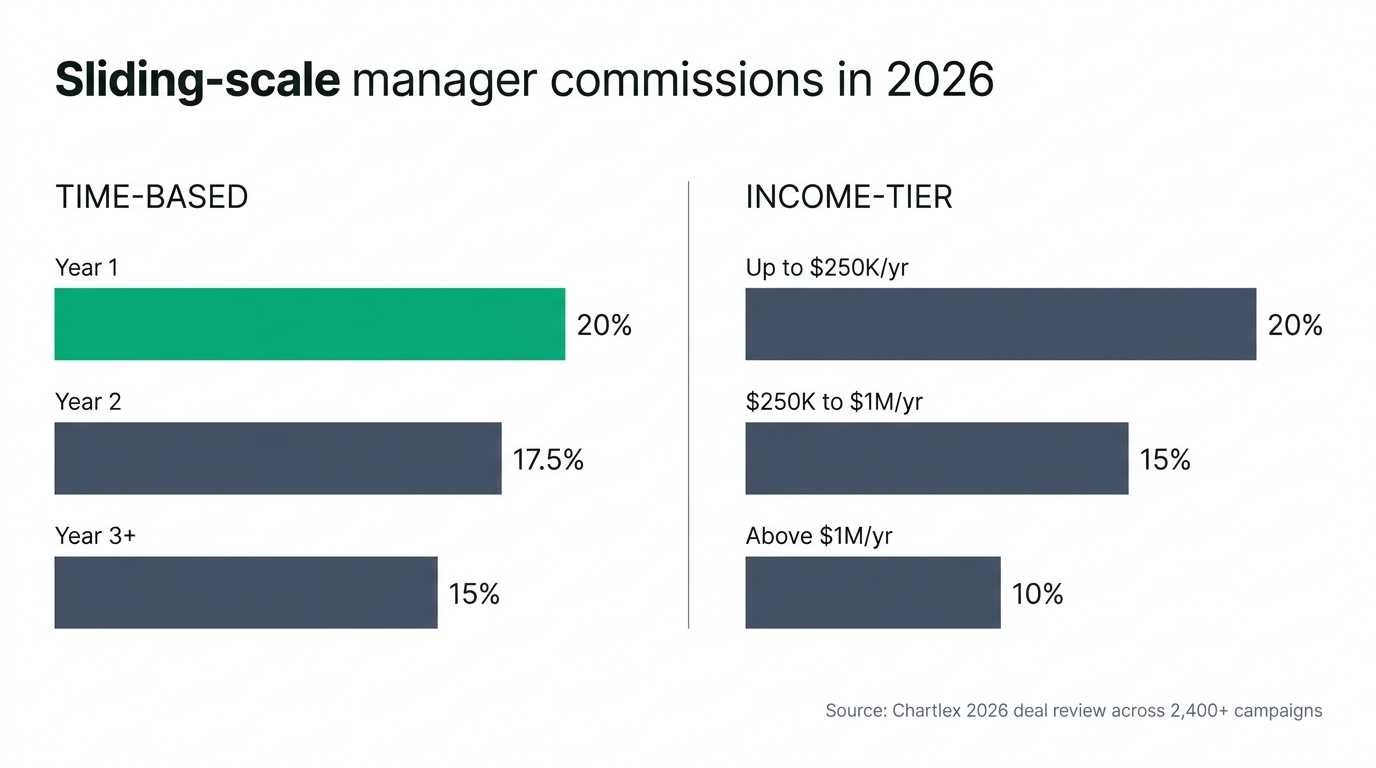
The long-standing norm in the international music business is a manager commission of 15 to 20 percent of the artist’s gross income, and Afrobeats has largely adopted the same standard rather than inventing its own. Some contracts run 20 percent of net rather than gross, which is materially different and usually favors the artist. Other arrangements include a flat retainer paid monthly with a bonus on big deals, common when the artist is mid-tier and the income flow is irregular. Increasingly, managers at the top end take equity in the artist’s company or label, which is how a long-running relationship turns into generational wealth rather than a series of paychecks.
The equity model is significant because it changes the incentive structure. A commission manager wants the artist to work constantly to maximize gross. An equity manager wants the artist to build long-term enterprise value, which sometimes means saying no to a tour that pays cash now but burns the brand for next year. The most strategic managers in Afrobeats have moved toward equity, even when the headline still reads “manager.”
Wizkid And Sunday Are

The Wizkid-Sunday Are partnership is one of the longest-running in the genre. Are has steered the Starboy Entertainment buildout from a label vehicle into a global rollout that runs Wizkid’s catalog through carefully timed UK and US deployments. The “Made in Lagos” album cycle, with its slow-burn rollout that turned “Essence” into a global crossover record, is the kind of patient sequencing that only works when a manager has the confidence of the artist over years. Wizkid has the kind of career that does not require him to release a single in 18 months. That confidence is partly a function of Sunday Are knowing the long arc.
Davido And Asa Asika
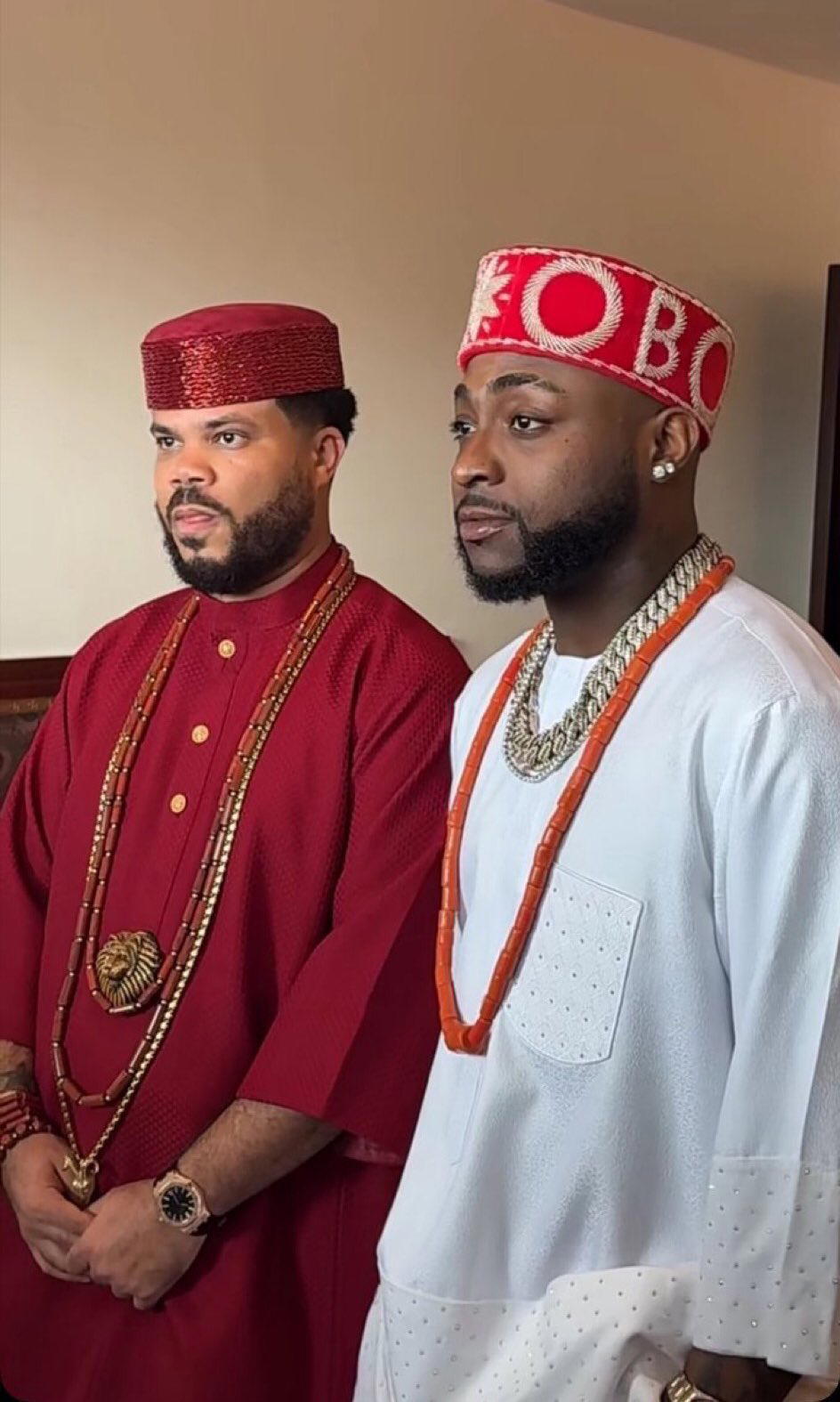
Asa Asika has navigated Davido through every phase of the artist’s career, from the early HKN era through the DMW signings that brought up Mayorkun, Peruzzi, Liya and others, through the international touring expansion that took him to arenas across Europe and North America. The Davido camp is louder than the Wizkid camp by design, and Asika is the operator who has matched that energy with the actual booking and deal infrastructure to support it. The two are first cousins, which means the relationship has outlasted any commercial fight either of them could have had.
Bose Ogulu And Burna Boy
The Burna Boy and Bose Ogulu story is the only artist-mother management dynamic of this scale anywhere in global pop. Ogulu has been her son’s manager since well before “Like to Party,” and the matriarchal structure has been a genuine strategic moat. The “African Giant” branding decision, the Madison Square Garden booking that landed in 2023, the Grammy campaigns that finally paid off with the “Twice as Tall” win, all of those moves were shaped in a kitchen as much as in any boardroom. Ogulu is also famously protective of her son’s image, including the famous intervention into his fan correspondence and the careful management of his public statements during the moments where his commentary has cut close to a backlash.
A mother managing her son in a global pop career is unusual enough that Western press has often misread it as soft or sentimental. It is neither. It is a tightly run operation that has produced one of the genre’s most uncompromising catalogs.
Muyiwa Awoniyi And Tems
Awoniyi keeps a far lower profile than the Burna Boy or Davido camps, and that is the point. Tems has the most prestige-heavy catalogue of any artist of her generation, in part because the management approach has been to let the music breathe rather than chase trends. The record bears it out: a Grammy-winning run, a writing credit on the Black Panther soundtrack single “Lift Me Up,” and features alongside Future and Beyoncé that arrived without her flooding the release calendar in between. In public interviews Awoniyi has framed his job around protecting her creative process and building a business around her beyond the records, which is a different brief from maximising bookings.