The world saw one of the largest offline and online movement of Nigerian youths in the first weeks of October 2020 with the #EndSARS protests. This was not the first time that the #EndSARS hashtag has appeared online, however, the youths are moving to make sure that this is the last time that it ever surfaces without having their demands met.
SARS, meaning Special Anti-Robbery Squad, was a unit of the Nigerian Police Force that was initially created to combat violent crimes. However, the unit has long degenerated into terrorising the citizens, which has led to great distress and dissatisfaction among the general Nigerian populace.
In this article, we give details about the #EndSARS protests starting from background information about SARS; how the protests started; casualties so far and more.
10 important facts about #EndSARS
- SARS means Special Anti-Robbery Squad and it is a unit of the Nigerian Police Force.
- According to sources, SARS was founded by a former police commissioner, Simeon Danladi Midena.
- SARS officers have been accused of harassment and extra-judicial killings of Nigerian youths.
- The notorious Nigerian Police Force unit, SARS, has killed about 30+ Nigerian youths with names known and several unnamed others.
- Protests against SARS began with the hashtag, #EndSARS, since 2017.
- In 2020, a mass online and offline protest against the rogue police unit, SARS, kicked off in Lagos State on Thursday, 8th October 2020.
- The #EndSARS protests spread to other parts of Nigeria and by 15th October 2020, there were protests in nine or more states in the country.
- The hashtags relating to the protests, #EndSARS, #SARSMUSTEND, and #EndSWAT topped world trends on Twitter.
- Nigerian police officers killed about 10 people during the SARS protests of 2020.
- Inspector General (IG) of Nigeria Police Force, Mohammed Adamu announced that the Special Anti-Robbery Squad (SARS) has been dissolved on Sunday 11th October 2020.
Also read: Revisiting history from the perspective of British 1948 ‘Challenges in Nigeria’ documentary [VIDEO]
Special Anti-Robbery Squad (SARS) background
Originally, when the Nigerian Police Force was formed in 1820, there was no such thing as the Special Anti-Robbery Squad or SARS. In fact, this unit did not come into existence until as recently as 1992.
According to online sources, SARS was formed after a Nigerian Army Colonel, Rindam, was killed at a police checkpoint in Lagos State. The death of Rindam led to soldiers being dispatched into the streets to find the police offending policemen. Allegedly, police checkpoints vanished from roads, many officers resigned and fled.
Simeon Danladi Midena, who was the police commissioner at the time, formed a 15-man squad. Their duties included operating without the knowledge of the public and protecting the police interests against the Nigerian army.
At the time, the Nigerian Police already had some anti-robbery squad units. To set this new mythical unit aside, Midena named them the Special Anti-Robbery Squad and the acronym, SARS was born. After the Nigerian army and the police settled their differences over Rindam’s death, SARS was officially commissioned.
It is one of the 15 units or sections under the Nigerian Police Force which includes some of the following; Anti-Fraud Section, Special Fraud Unit (SFU), Forensic Science Laboratory, Homicide, Counter Terrorism Unit (CTU), and so on.
However, Fulani Kwajafa, a former commissioner of police claims to have created the Special Anti-Robbery Squad (SARS) unit. In an interview with BBC, Kwajafa said Muhammadu Buhari, then military head of state ordered Etim Inyang, then inspector-general of police, to come up with a strategy to tackle the armed robbery incidents prevalent in the country in the 1980s.
“The IGP called me that we should do something to save the country from armed robbery incidents; I accepted the offer and requested for time and materials. I then mobilised personnel for the task,” he said.
“Four months after the formation of SARS in 1984, the unit flushed out the criminals and there was peace.”
He added: “SARS of today is not the same SARS I established in 1984. This is not the SARS we formed in the 80s, I used to be ashamed that I am the person that created the SARS because of their activities, had it been I knew such things would happen, I would not have created the unit. I always tell my wife that I was sad that what I created with good purpose and direction has been turned into banditry.”
Likely, this is the already existing SARS that Simeon Danladi Midena’s unit joined.
SARS has long since become a disruptive force in the Nigerian society wreaking havoc on people, especially the youths in the country. In the next section, we will look at a brief history of violent crimes that have been connected to this Special Anti-Robbery Squad.
History of SARS violence
While SARS has existed for a long time, many of their activities have usually been very low key and do not get the attention of the press. For a long time, they seemed to have maintained their original ideology of operating ‘in the shadows’. Tales about the Special Anti-Robbery Squad were normally passed by word of mouth in the late 1990s and early 2000s.
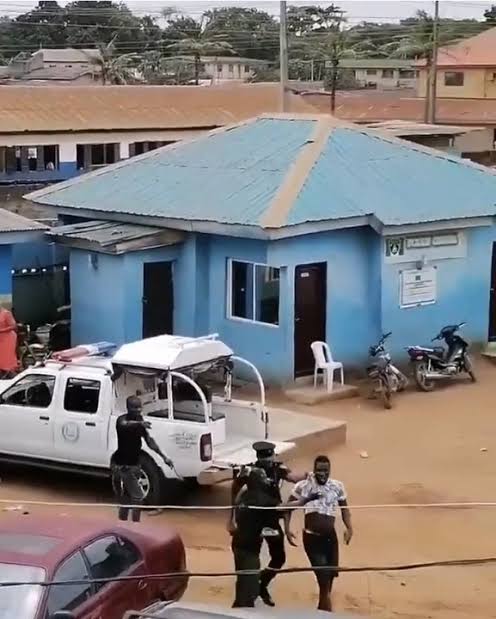
However, with the popularity of cybercrime and the internet, SARS began investigating tech-savvy youths and university undergraduates. Before, they focused on breaking up armed robbery operations and kidnapping rings. Soon, their interests diverged.
You may also read: Nigerian football star Tiyamiyu Kazeem allegedly killed by SARS; Nigeria Police reacts
Their stop and search activities became more ruthless as the years progressed. And while it began in Lagos State, it spread to other states in Nigeria. Notably, in 2009, SARS started to carryout brute operations in Nigerian universities, under the guise of targeting internet fraudsters and cultists.
By 2020, there are over 30+ victims of the Special Anti-Robbery Squad, SARS, that were known. And likely, there are many more that remained unknown.
Some known names of police brutality and SARS extra-judicial killings that we found online include Femi Bello, Sleek, Chima Ikwunado, Ifeoma Abugu, Tamiyu Kazeem, Johnson Kolade, Rinji, Tina Ezekwe, Peter Ofurum, Linda Igwetu, Chinedu Ani, Modebayo Awosika, Emmanuel Egbo, Godgift Ferguson Ekerete, Tony Oruama, Harry Atarta, Daniel Adewuyi, Tella, Chukwuemeka Matthew Onovo, Chibuike Anams, Christian Onuigbo, Chika Ibeku, Gabriel Ejoor Owoicho, Precious Odua, Johnson Nnaemeka, Steven Agbanyim, Chidi Odinauwa, Azumaka Victor Maduamago, and many unnamed victims.
Initial #EndSARS protests
Before the 2020 protests against SARS and police brutality in general, there have been several calls to disband the unit. For example, Amnesty International has been publishing reports and articles about SARS since 2016.
The organisation accused the unit of illegally detaining Nigerian youths, extorting them and subjecting them to severe torture. Several young Nigerians, who experienced different ordeals at the hands of SARS officials, had also come out to share details via social media.
In 2017, several Twitter handles tweeted the #ENDSARS hashtag and also posted about it on several other social media platforms as well. It led to protests springing up in Nigeria against police brutality. However, the unit remained in existence despite reports that they had been ordered to curtail their activities.
2020 #EndSARS protests
A series of incidents led to the resurgence of the protests to end SARS in 2020. While there had been some killings linked to the menacing police unit since the beginning of 2020, however, when a popular singer, Sleek, was gunned down on 19th September 2020, youths showed that they have had enough.
Daniel Ikeaguchi, popularly called Sleek, was fatally shot in Port Harcourt, the capital city of Rivers State after SARS officials stopped him and his friends. The state governor, Nyesom Wike, called for the dissolution of SARS according to a report by Vanguard newspapers. Angry youths also took to the streets in protests.
Not quite long after this incidence, a viral video on social media showed a SARS operative gun down a young man in Ughelli, Delta State. The officer and other colleagues also appeared to have driven away with the victim’s white Lexus SUV. The video trended on 3rd October 2020 and resurrected the #ENDSARS hashtag.
Then everything seemed to be returning to a state of normalcy until 8th October 2020 when nationwide protests led by Nigerian youths erupted. The first notable evidence of the 2020 EndSARS protests began in Lagos.
Lagos State EndSARS protest 2020
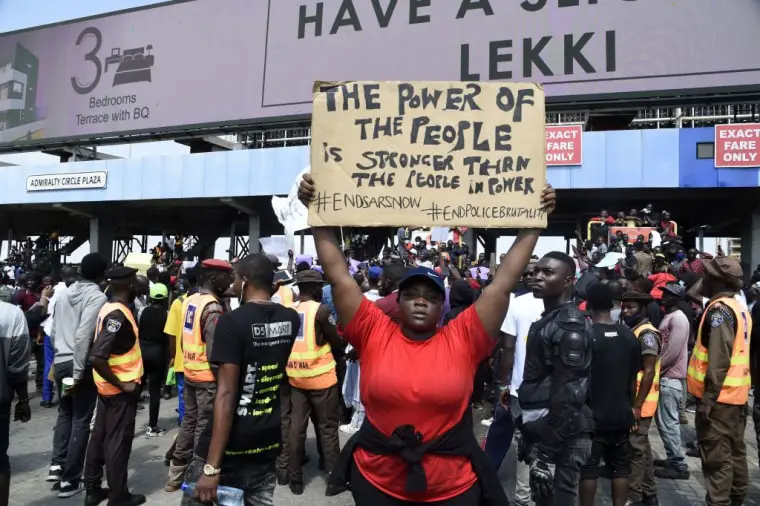
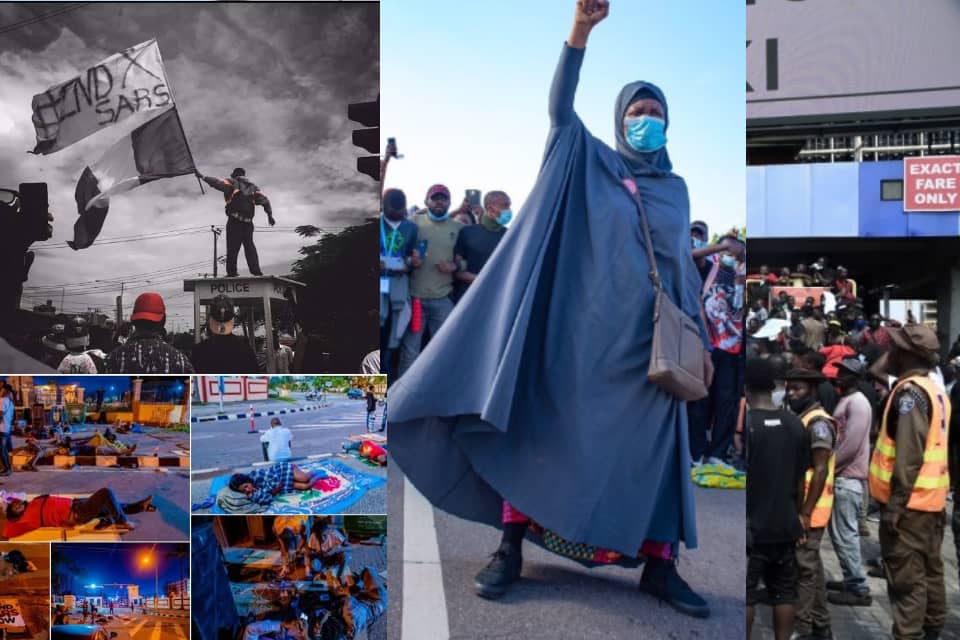
On 8th October 2020, the EndSARS protests began offline when some Nigerian youths in Lagos State went to the Governor’s House with placards. One of the most notable faces on the first day of the EndSARS protest was social media comedian and influencer, Debo Adebayo, who is popularly called Mr Macaroni. The protesters kept their voices up, chanting their demands until dusk and they spent the whole night outside the building.
By dawn, the number of protesters increased astronomically that they could no longer be ignored. That day, the protests in Lagos was no longer in one spot but were taking place in different locations. Protesters were occupying streets and roads on the Mainland and on the Island, the two major geographical locations of the commercial state.
Celebrities like Runtown, Falz, and others came out on 9th October to increase the reach of the protest and to encourage more people to join. This was exactly what happened. The deputy governor of Lagos State, Dr Obafemi Hamzat, came out to address the protesters.
The weekend did nothing to dampen the zeal of the youths. They carried on protesting all through.
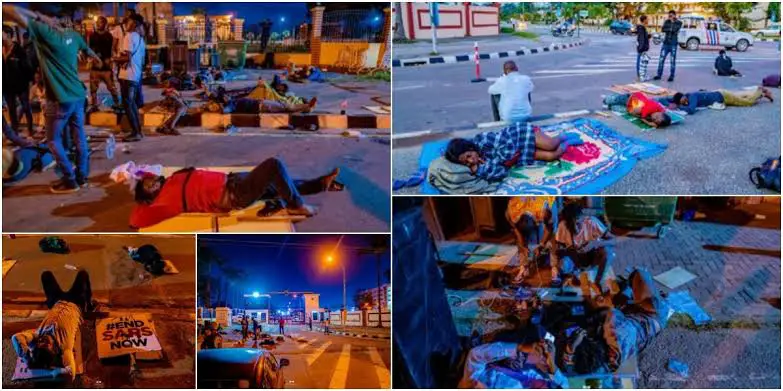
EndSARS Protesters sleeping at protest grounds. On Sunday 11th October 2020, #EndSARS and #EndPoliceBrutality appeared on the projector screens of some churches in Lagos. Some of them with picture evidence include that of the Redeemed Christian Church of God (RCCG), Daystar Christian Center, and Celestial Church of Christ (CCC).
On Monday 12th October 2020, the protests in Lagos State took a dangerous turn as police shot one person dead in Surulere. There were also videos of people being manhandled, arrested and beaten. At the end of that day, about four protesters were reported to have been injured.
See also: Pastor Adeboye joins #EndSARS protest
The protests continued on Tuesday and Wednesday in the state without fatalities. On Thursday 15th October 2020, a Lagos State bus was caught on video dropping thugs off at the government area of Alausa, Ikeja. Hours later, the same armed thugs clashed with peaceful protesters and left many injured. Eventually, the protesters repelled the miscreants and continued their protest.
The state governor, Babjide Sanwo-Olu, responded to the incident by absorbing his government of any responsibility concerning the attack. He condemned it and promised to look into the matter. Governor Sanwo-Olu also stated that he will address the residents of Lagos State later via a live-streamed discussion.
On 16th October 2020, protesters held a candlelight session throughout the night at Lekki tollgate and the billboard showed the names of victims of police brutality. The protesters at the Lekki tollgate mounted a peaceful resistance to the Lagos State government opposition.
It turned bloody on 20th October 2020, when armed forces opened fire on the peaceful protesters. According to online sources such as an Instagram live video by DJ Switch and other witnesses accounts, about 12 people died and over 50 others were injured.
The Lagos State governor, Babajide Sanwo-Olu, claimed that there were no casualties during a live broadcast the next morning. He only claimed that he had seen injured people in varying degrees of seriousness. Later, he said that one person died from injuries.
The Nigerian Army also denied having anything to do with the killings of peaceful protesters at the Lekki tollgate. This is contrary to the fact that the shooters were dressed in Nigerian army camouflage and met no resistance from other armed forces all through the night.
Also, thugs and hoodlums began clashing with the Nigerian Police Force. The situation further escalated on 21st October 2020 with video clips showing police officers shooting and killing thugs while the thugs also killed policemen and burnt police stations. They also started looting properties and destroying buildings in Lagos State.
Additionally, they stormed the Oba of Lagos’ palace and burnt the Television Continental Station (TVC) building and others that were connected to All Progressives Congress (APC) national leader, Bola Ahmed Tinubu.
Abuja EndSARS protest 2020
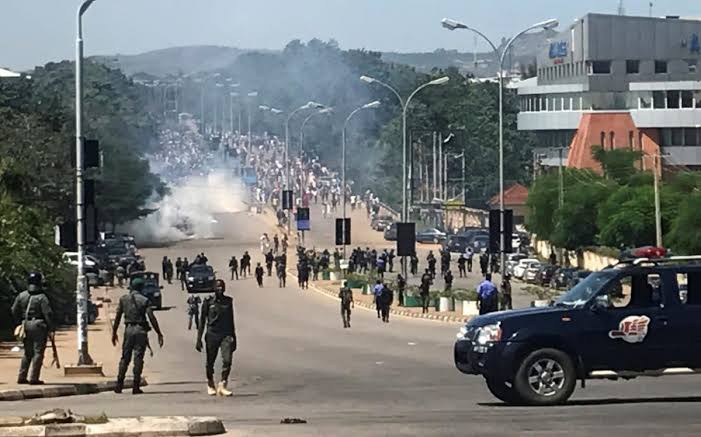
Nigerian youths also staged protests in the Federal Capital Territory (FCT) since Friday, 9th October 2020. They began the protest at the headquarters of the Nigeria Police Force on the first day. The next day, on Saturday, officers attached to the police attacked the peaceful protesters with tear gas and hot water.
Aisha Yesufu, who joined the protesters was among those who were beaten. The protest also gathered momentum and Nigerian singer David Adeleke, popularly called Davido, joined the protesters. Later on the night of Sunday 11th, October 2020, police returned and this time, they used real bullets, tear gas and water cannons on the protesters.
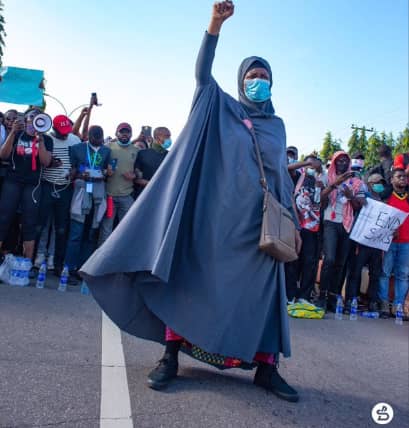
Abuja protesters, calling for the dissolution of the Nigerian Police Force SARS unit, blocked the busy Berger roundabout. On Tuesday 13th October 2020, soldiers met them on their way towards the National Assembly. They got violent with the protesters and also harassed the crew of ARISE TV, a media house in Nigeria.
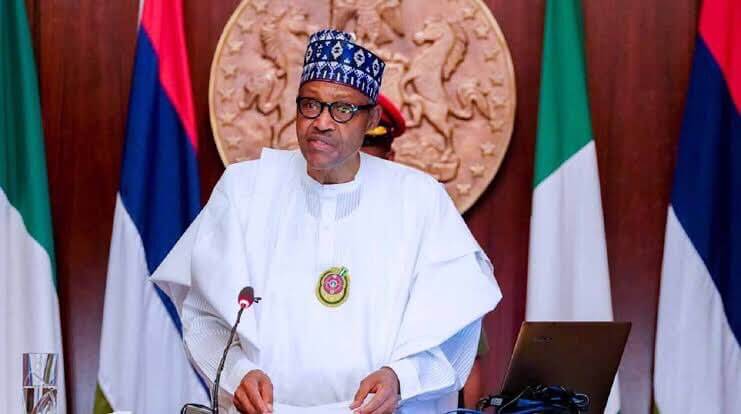
A counter-protest group supporting the Inspector General of Police Mohammed Adamu and the Nigerian President Muhammed Buhari arose and flew the #ProSARS hashtag. This new group attacked the #EndSARS protesters and the clash led to the destroying of cars and injuring people.
Following a prohibition of protests on Thursday, 15th October 2020, the protesters in Abuja blocked the road leading from the City gate to the airport. They also took the protest to the headquarters of the Central Bank of Nigeria on Monday 19th October 2020.
Oyo State EndSARS protest 2020
Protests in Oyo State began in Ogbomosho, a city in the state. On 10th October 2020, the Nigerian police shot at the #EndSARS protesters in the state and killed Jimoh Isiaka, a young man. They also injured about seven others. The governor of the state, Seyi Makinde, acknowledged the incident, sent a condolence message to Isiaka’s parents and pledged to investigate the matter.
However, on Sunday 11th October 2020, the police allegedly shot and killed three more protesters in Ogbomoso, Oyo State. According to a PUNCH report, some angry youths had attacked the palace of Soun of Ogbomoso.
The protests continued into the next week and by Tuesday, 12th October 2020, the #EndSARS protesters had filled the front of the University of Ibadan and they blocked Iwo Road and restricted car movement.