

Table of Contents
- The Accusation That Started It All
- Bethenny’s Business Empire Under Scrutiny
- The Ethics of Influencer Marketing
- The Manzo Family Legacy
- Impact on Small Business Relations
- What This Means Moving Forward
The Accusation That Started It All
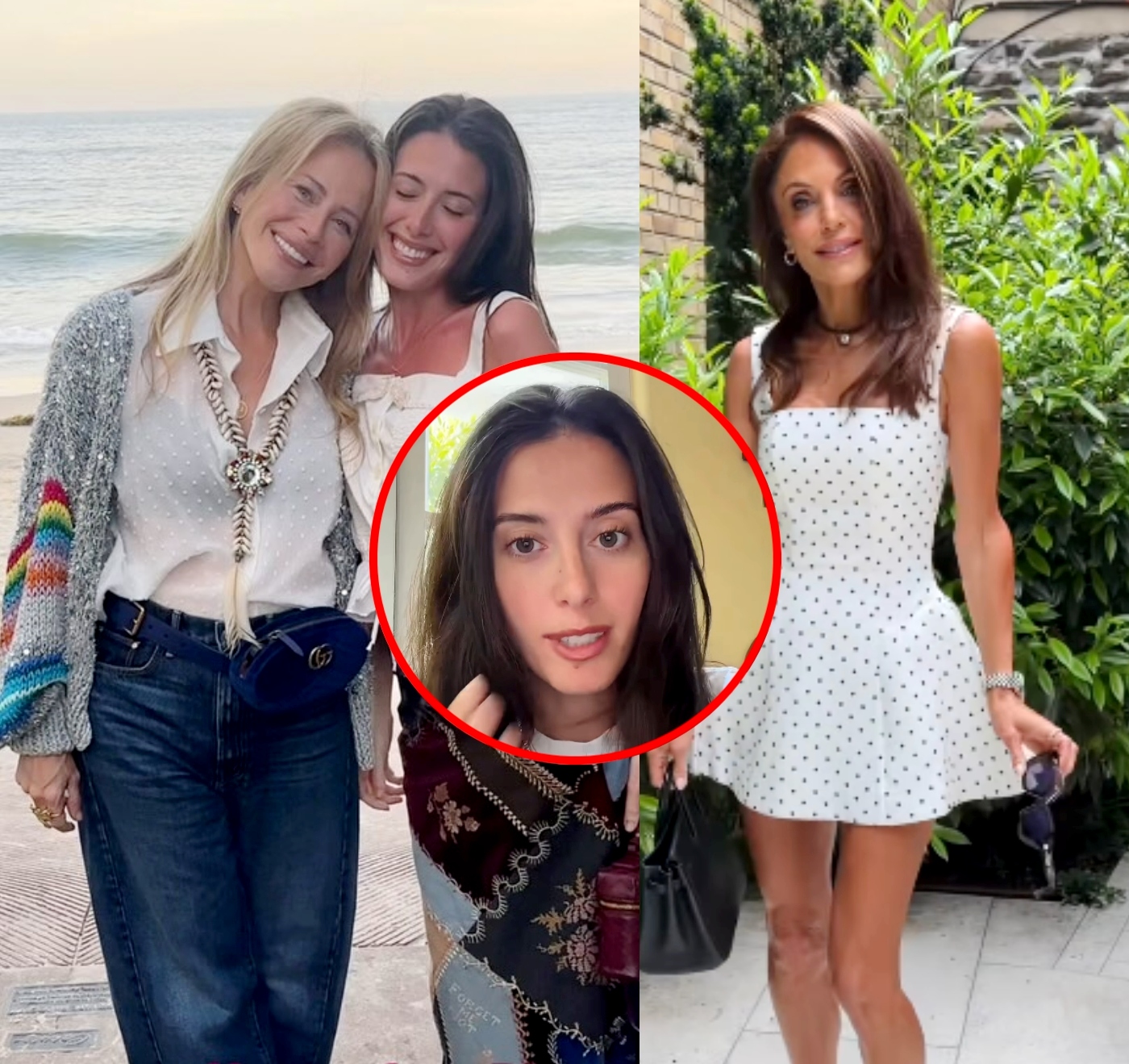
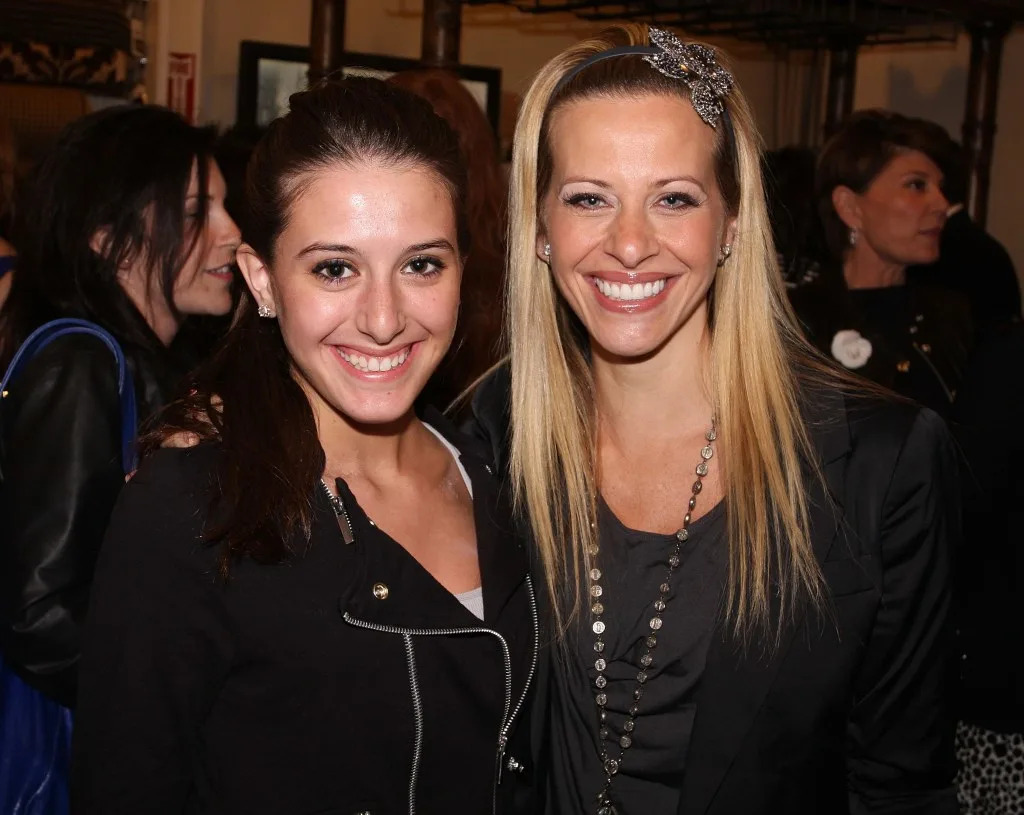
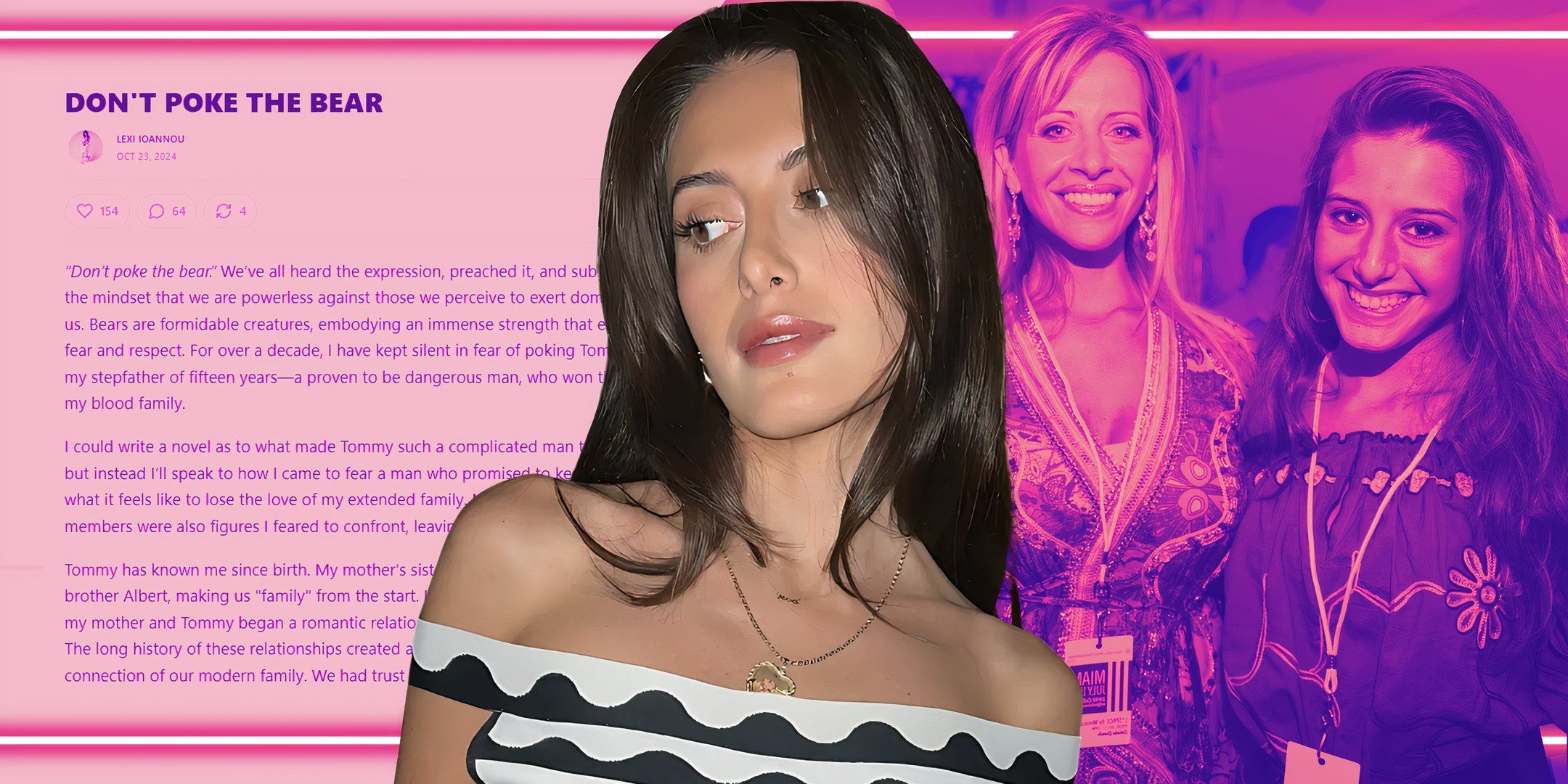
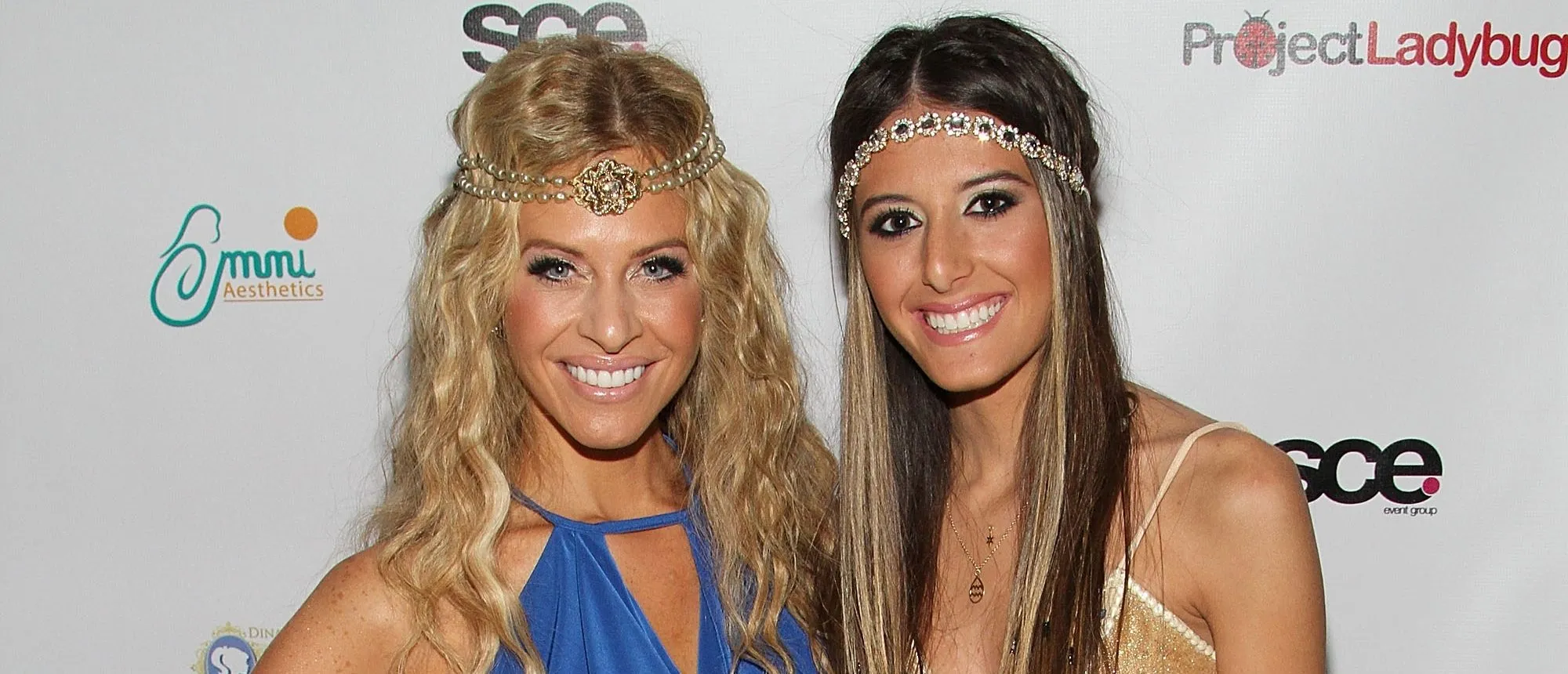
The world of celebrity endorsements and influencer marketing has always been a minefield of potential controversies, but the latest drama involving Bethenny Frankel and Dina Manzo’s daughter has taken things to a particularly personal level. Lexi Ioannou, who runs her own shoe business and happens to be the daughter of former Real Housewives of New Jersey star Dina Manzo, recently took to social media with some serious accusations against the Skinnygirl mogul. In a video that quickly gained traction across social platforms, Ioannou didn’t mince words when describing what she perceived as a betrayal of trust and business ethics. The entrepreneur claimed that Frankel had accepted free shoes from her woman-founded brand, only to turn around and direct her massive following to competitors instead of showing support for the business that had gifted her products.
The timing of this accusation is particularly interesting given the current climate around supporting small businesses and the ongoing conversations about influencer responsibility. Ioannou’s frustration seems to stem not just from the lack of promotion, but from what she sees as actively harmful behavior where Frankel allegedly monetized her platform by promoting competing brands after receiving free merchandise. This type of situation highlights the complex relationships between celebrities, small business owners, and the expectations that come with gifted products in the digital age.
Bethenny’s Business Empire Under Scrutiny

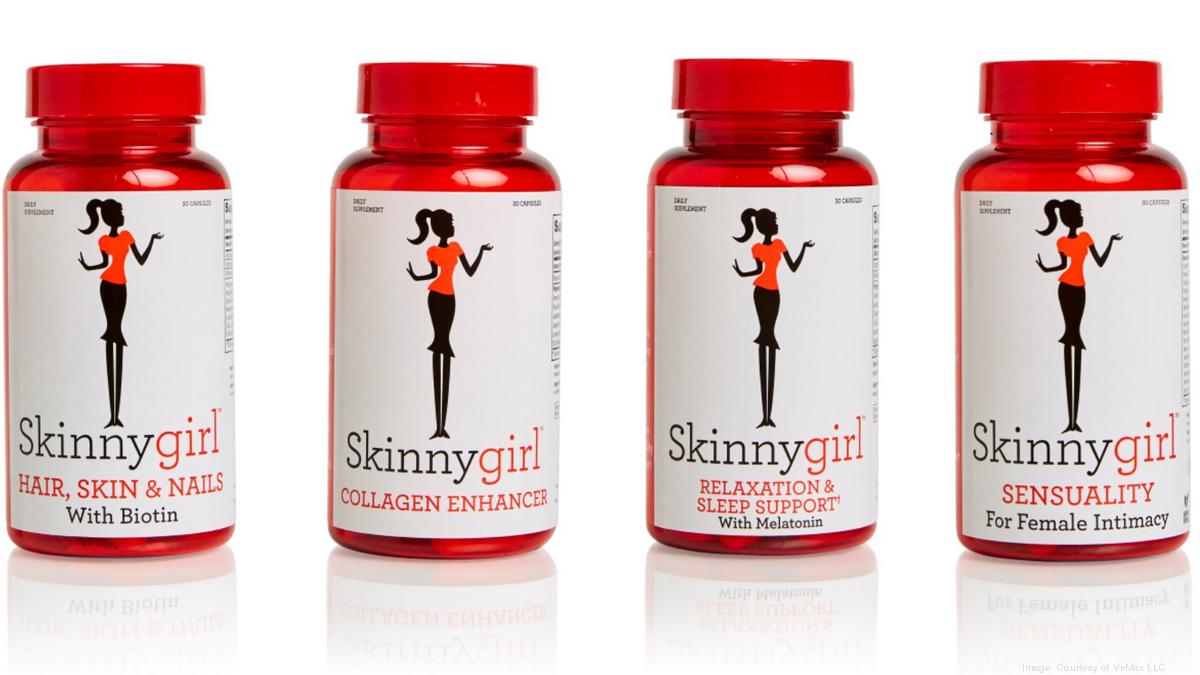
Bethenny Frankel has built an impressive business empire since her days on The Real Housewives of New York City, transforming from reality TV personality to serious entrepreneur with ventures spanning everything from cocktail mixers to lifestyle products. Her Skinnygirl brand became a household name, and she’s consistently positioned herself as a savvy businesswoman who understands marketing and brand building. However, this latest controversy raises questions about how established entrepreneurs interact with smaller, emerging brands in their space. Frankel’s massive social media following - numbering in the millions across platforms - gives her tremendous power to influence purchasing decisions and brand awareness, which is precisely why her alleged actions have struck such a nerve with Ioannou.
The business world has increasingly focused on collaboration and mutual support, especially among female entrepreneurs, making accusations like these particularly damaging to reputation and relationships. Frankel has built much of her brand around being authentic, direct, and supportive of other women in business, which makes Ioannou’s claims all the more striking. The former reality star has often spoken about the importance of supporting small businesses and has positioned herself as someone who understands the struggles of building a brand from the ground up.
The Ethics of Influencer Marketing
This controversy touches on broader questions about the responsibilities that come with influencer status and the unwritten rules of product gifting in the digital marketing landscape. When brands send free products to celebrities and influencers, there’s often an implicit understanding about potential promotion, though the specifics are rarely spelled out unless there’s a formal partnership agreement in place. The situation becomes more complex when the recipient is not just an influencer but also a business owner who understands the value and impact of social media promotion firsthand. Ioannou’s frustration appears to stem from what she sees as a violation of entrepreneurial solidarity, where someone who has benefited from brand building and marketing support fails to extend similar courtesy to emerging businesses.

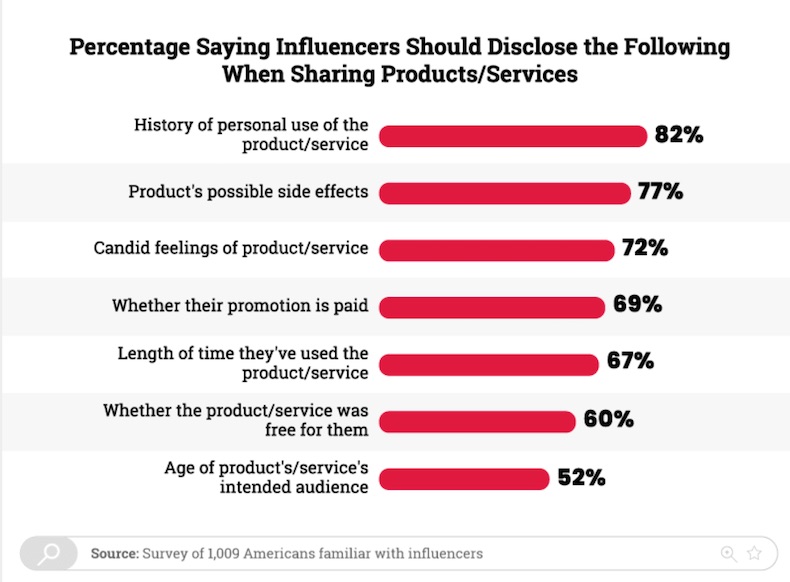
The Federal Trade Commission has established guidelines requiring disclosure of sponsored content and gifted products, but these regulations don’t address the ethical considerations around competitive promotion after receiving gifts. Many in the industry operate on good faith and mutual respect, expecting that receiving free products creates at least a neutral relationship, if not a positive one. When celebrities actively promote competitors after accepting gifts, it can feel like a betrayal of trust that extends beyond simple business transactions into questions of professional courtesy and community support.