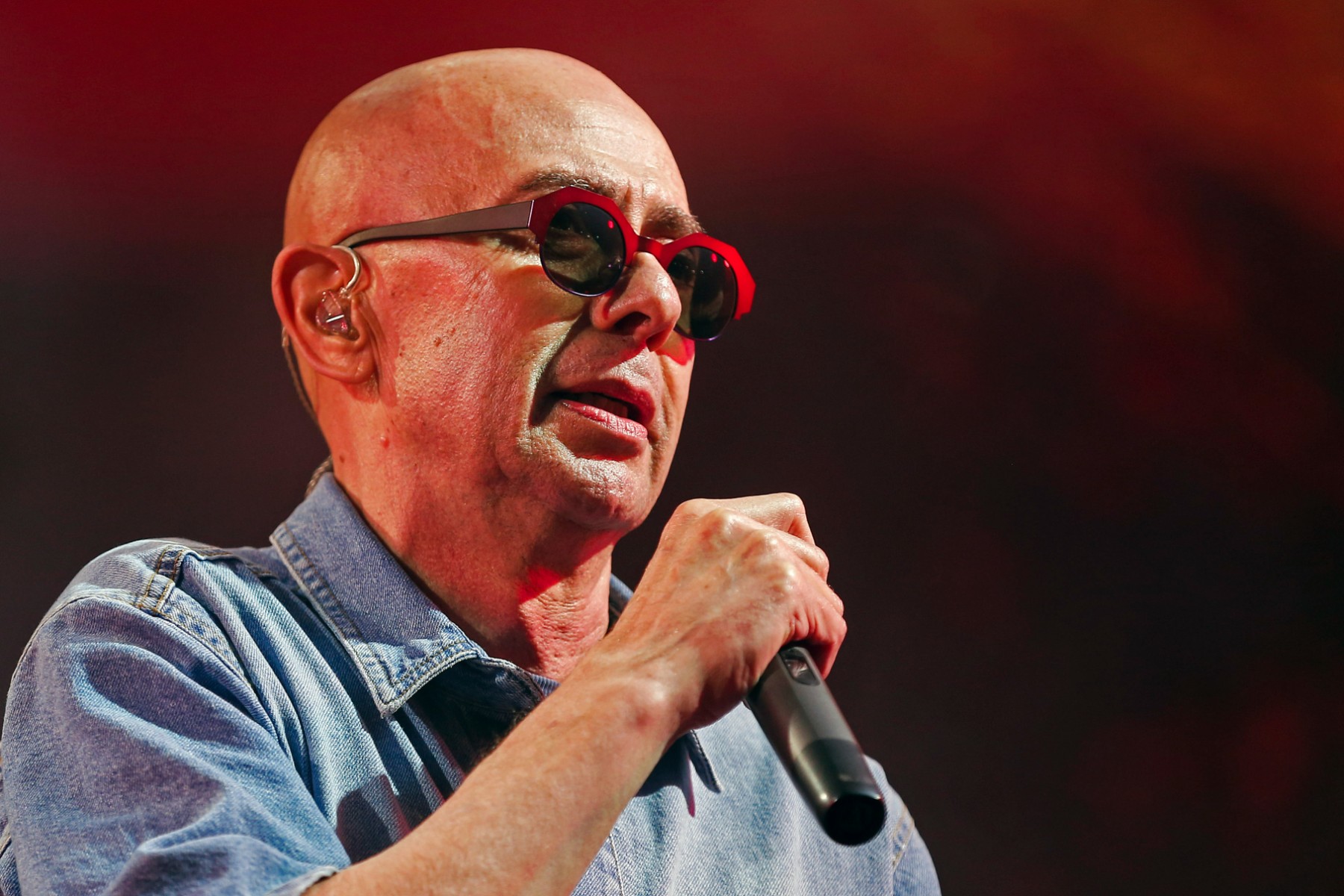
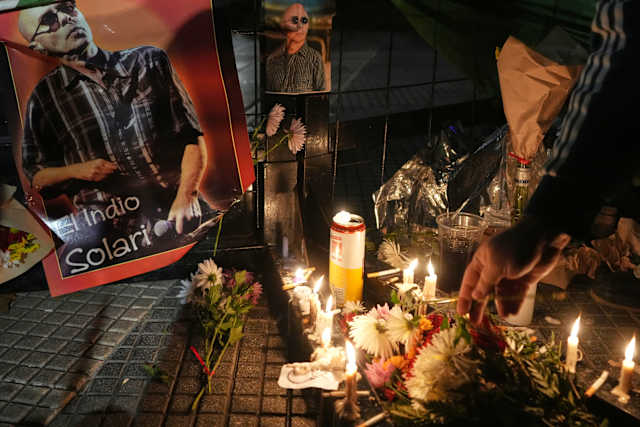
The Argentine rock scene has lost one of its most towering figures with the passing of Carlos Alberto Solari, better known to millions of fans as “El Indio” Solari, at the age of 77. The legendary frontman of Patricio Rey y sus Redonditos de Ricota died following a prolonged battle with Parkinson’s disease that had affected him for over a decade. His death marks the end of an era for Latin American rock, leaving behind a musical and cultural legacy that transcended generations and social boundaries. Solari wasn’t just a musician; he was a poet, philosopher, and voice of the marginalized who used his platform to challenge authority and speak truth to power throughout his remarkable career.
Image: News4JAX
Born in Paraná, Entre Ríos, in 1947, Solari emerged as a counterculture icon during Argentina’s tumultuous political landscape of the 1970s and 1980s. His unique blend of rock, poetry, and social commentary resonated deeply with Argentine youth who were seeking authentic voices during periods of political repression and economic uncertainty. The nickname “Indio,” which means “Indian” in Spanish, became synonymous with rebellion and authenticity in Argentine rock culture. His distinctive gravelly voice, cryptic lyrics, and enigmatic stage presence made him a figure of almost mythical proportions among his devoted fanbase, known as “Ricoteros.”
The Ricoteros Legacy
Patricio Rey y sus Redonditos de Ricota, formed in the mid-1970s, became far more than just a rock band under Solari’s leadership. The group evolved into a cultural movement that spoke directly to Argentina’s working class and disenfranchised youth. Their concerts were legendary affairs that often drew hundreds of thousands of fans, creating a sense of community and belonging that extended far beyond the music itself. The band’s name, which roughly translates to “Patrick King and his Little Round Rice Balls,” exemplified Solari’s surreal sense of humor and his ability to find profound meaning in the absurd.
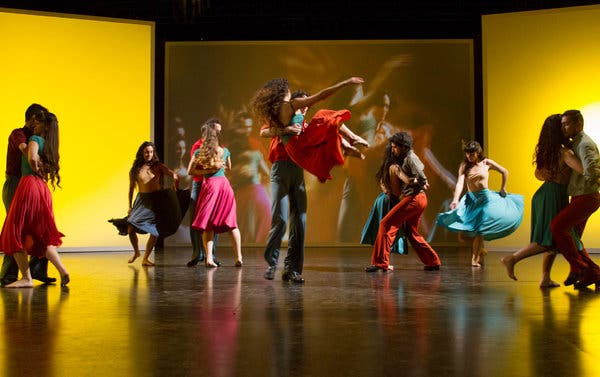
Image: Buenos Aires Times
The Ricoteros phenomenon was characterized by elaborate concerts that resembled religious gatherings more than typical rock shows. Fans would travel from across Argentina and neighboring countries to attend these events, often camping for days and creating temporary cities around concert venues. Solari’s lyrics, filled with literary references, social criticism, and mystical imagery, required deep analysis and interpretation, spawning countless fan theories and academic studies. Songs like “Jijiji” and “Un Ángel para tu Soledad” became anthems for multiple generations, their meanings evolving and deepening over time as Argentina itself changed and grew.
More Than Music: A Cultural Phenomenon
What set Solari apart from other rock musicians was his role as a cultural philosopher and social critic. His lyrics often addressed themes of alienation, social inequality, and the search for authentic identity in modern Argentina. He drew inspiration from diverse sources including literature, philosophy, and indigenous culture, creating a unique artistic voice that resonated across different social strata. His concerts became spaces for collective catharsis, where fans could express frustrations with political and economic systems while celebrating Argentine identity and resilience.
Ad SpaceIn-Article - 300x250
Advertisement
The influence of Los Redondos extended beyond music into fashion, language, and social behavior. The band’s aesthetic, characterized by gothic imagery mixed with Argentine folk elements, influenced everything from clothing styles to graffiti art throughout the country. Solari’s philosophical approach to rock music elevated the genre in Argentina, proving that popular music could be both commercially successful and intellectually challenging. His ability to maintain artistic integrity while achieving massive commercial success made him a model for countless Latin American musicians who sought to balance authenticity with accessibility.
The Final Chapter: A Decade-Long Battle
Solari’s battle with Parkinson’s disease became public knowledge in the early 2010s, though he had been privately struggling with symptoms for several years before that. The progressive neurological condition gradually affected his ability to perform, leading to the eventual cessation of live concerts that had been the cornerstone of his connection with fans. Despite his declining health, Solari continued to write and record music, adapting his creative process to work within the limitations imposed by his condition. His determination to continue creating art in the face of physical adversity became another source of inspiration for his devoted fanbase.
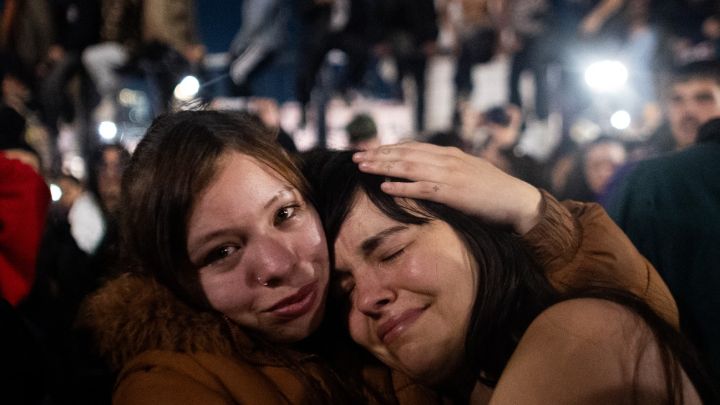
Image: Billboard
The music community rallied around Solari during his illness, with fellow musicians and fans organizing tribute concerts and events to celebrate his contributions to Argentine culture. His influence remained strong even as his public appearances became increasingly rare, with new generations of musicians citing him as a primary inspiration. The way he handled his diagnosis with dignity and continued creativity added another layer to his legendary status, showing that true artistry transcends physical limitations and continues to inspire even in the face of progressive illness.
An Enduring Legacy in Latin American Rock
The impact of Carlos “Indio” Solari on Latin American rock cannot be overstated. He proved that rock music sung in Spanish could achieve the same emotional and intellectual depth as any global musical movement, paving the way for countless Spanish-speaking rock artists across Latin America. His approach to combining local cultural elements with universal rock themes created a template that influenced musicians from Mexico to Chile, demonstrating that authenticity and cultural specificity were strengths rather than limitations in creating compelling rock music.
As news of his passing spreads across Argentina and beyond, social media has been flooded with tributes from fans, fellow musicians, and cultural figures who recognize the enormous void his death creates in the Latin American music landscape. His songs continue to be sung by new generations who find in his lyrics the same relevance and power that captivated audiences decades ago. The philosophical depth of his work ensures that his influence will continue to be felt not just in music, but in literature, social activism, and cultural discourse throughout the Spanish-speaking world. While Carlos “Indio” Solari may have left the stage for the final time, his voice will continue to echo through the countless lives he touched and the enduring power of the music he created.
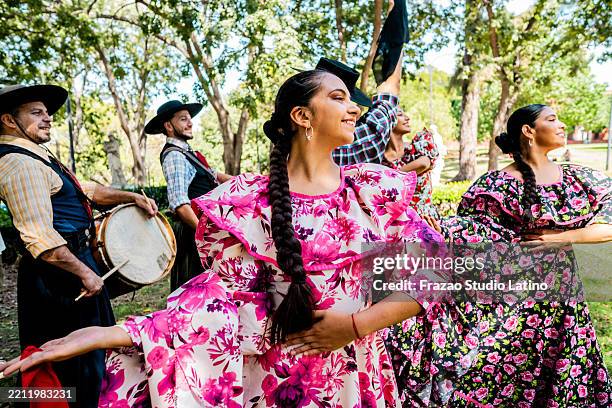
Image: WSLS 10
Ad SpaceIn-Article - 300x250
Advertisement
Share
Get the recap
Loved this story? Get more like it.
Join readers who get our weekly entertainment recap - the stories worth your time, delivered every Friday.
No spam. Unsubscribe anytime. By signing up you agree to our Privacy Policy.