
Table of Contents
- Finding the Silver Lining
- Who Is Bunnie Xo?
- The Split That Shocked Fans
- Embracing a New Chapter
- Jelly Roll’s Rise and the Weight of Public Life
- What Comes Next for Both of Them
Finding the Silver Lining
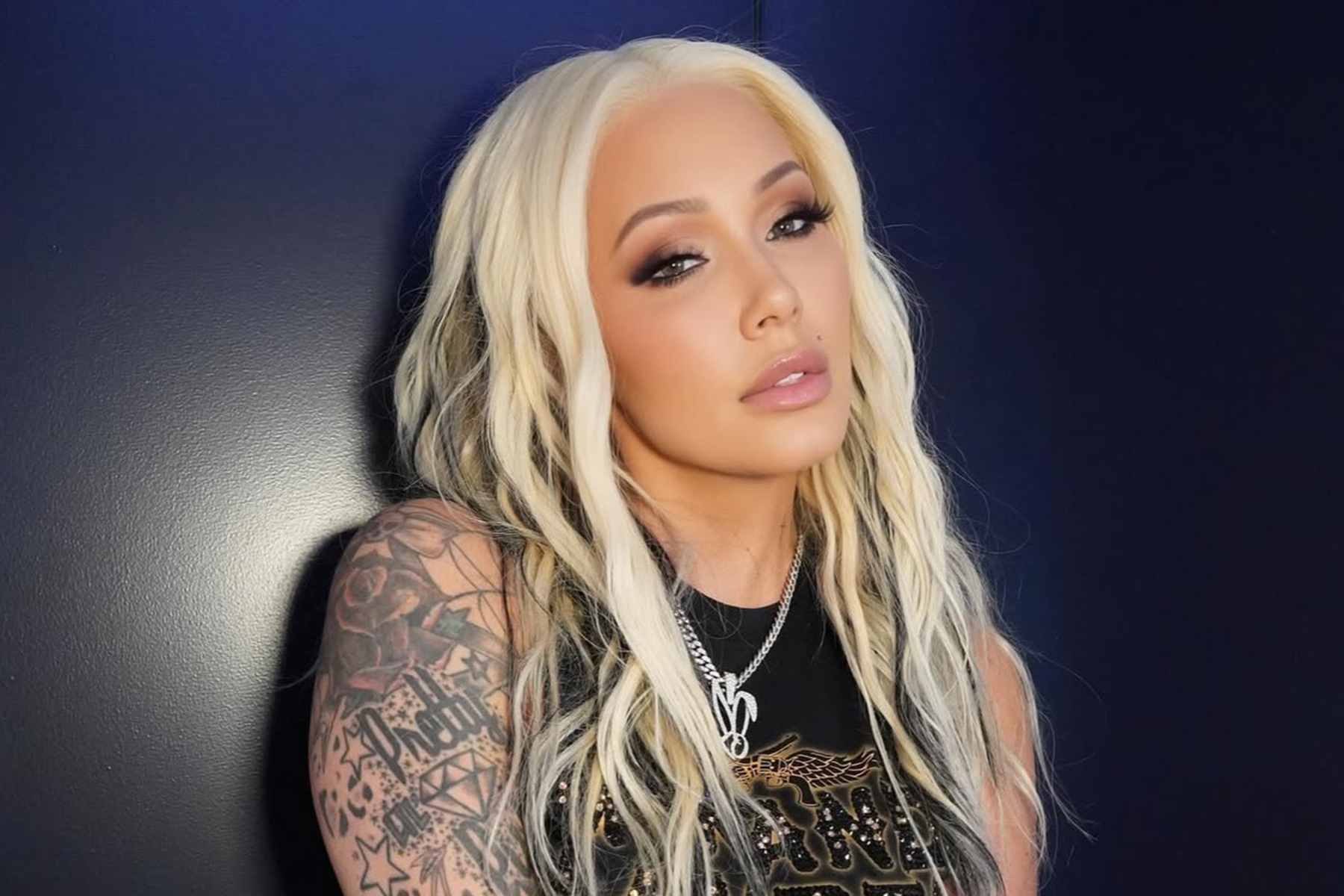
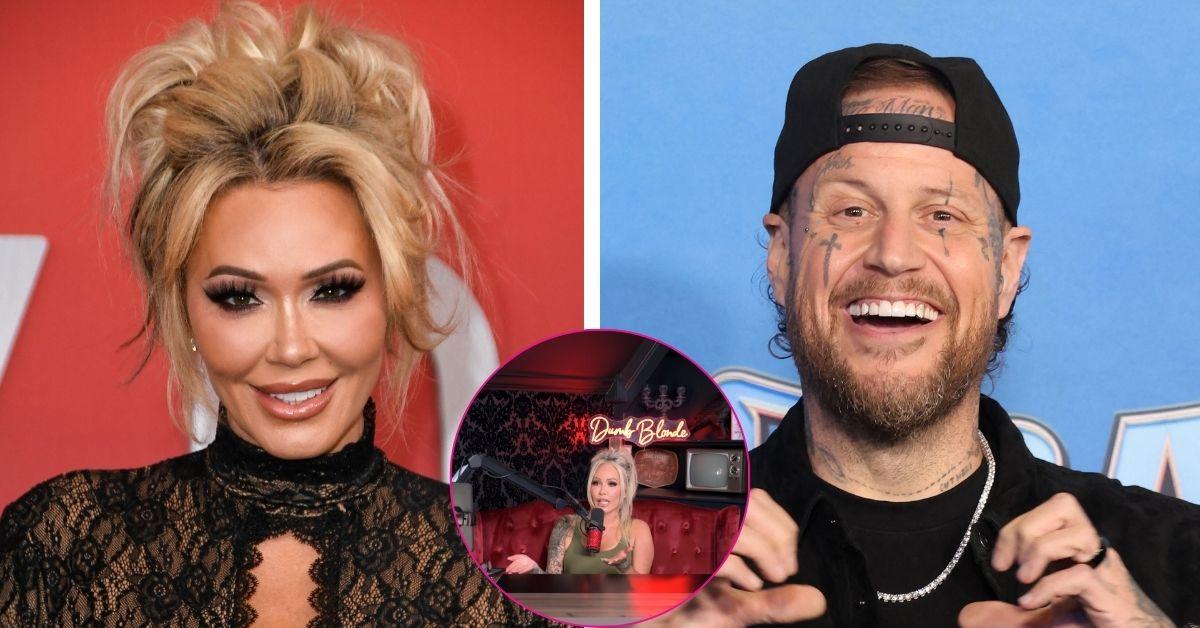
Divorce is rarely something people publicly celebrate, but Bunnie Xo is doing something far more nuanced than celebrating - she is being honest about it. The 46-year-old podcast host and internet personality has been opening up about her split from Grammy-winning country rapper Jelly Roll, and in a move that is both refreshing and surprisingly relatable, she has acknowledged that the end of their marriage has come with at least one unexpected upside. Rather than retreating into silence or performing grief for public consumption, Bunnie has chosen transparency, and her audience is responding to that authenticity in a big way. It is the kind of candid self-reflection that has always defined her public persona, and right now it feels more relevant than ever.
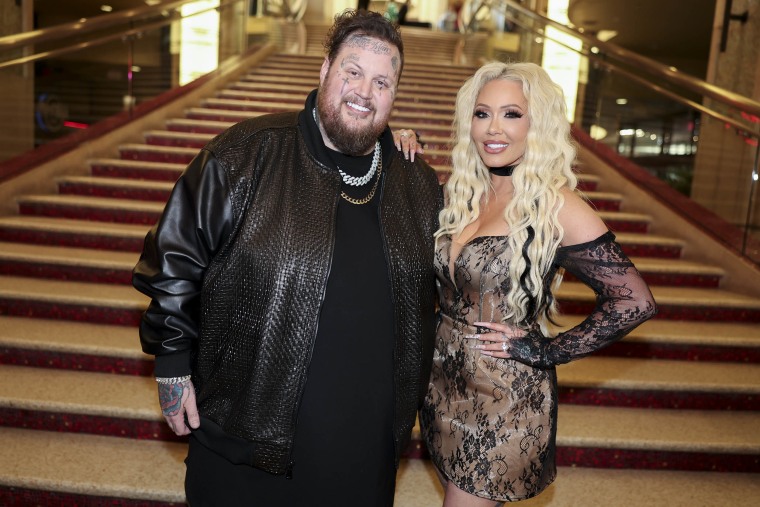
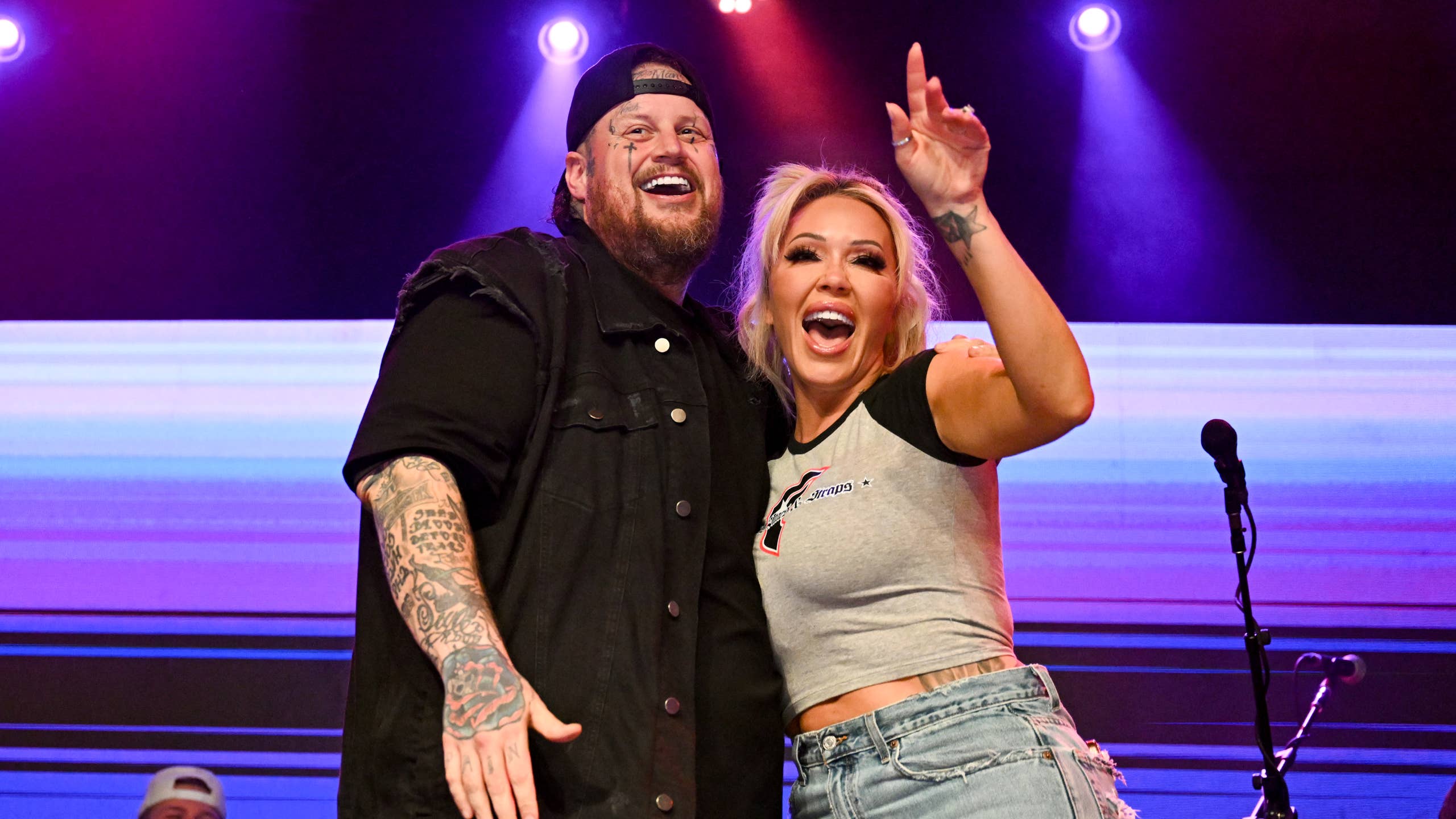
The news of her divorce from Jelly Roll - born Jason DeFord - broke publicly in June 2025, though the couple had reportedly made the decision to part ways in May. For a pair who had built a deeply intertwined public identity, with joint appearances, shared advocacy work, and an extremely active social media presence, the announcement landed with considerable weight. Fans who had watched them support each other through sobriety journeys, career milestones, and very public moments of personal growth were understandably caught off guard. But Bunnie, true to form, has not let the grief of the situation be the only story told.
Who Is Bunnie Xo?
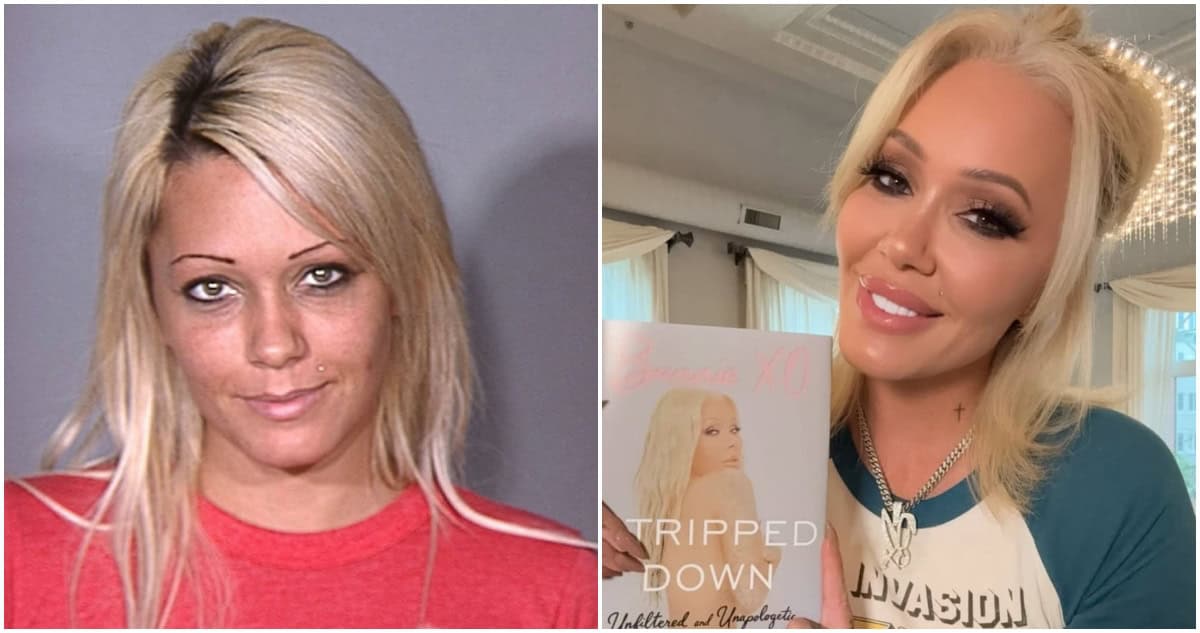
For anyone who only knows Bunnie through her association with Jelly Roll, there is quite a bit more to her story. She is the creator and host of Dumb Blonde, a podcast that has amassed a devoted following thanks to her no-filter approach to conversations about life, relationships, mental health, trauma, and everything in between. Long before she became a recognizable face in the country music world, Bunnie had built a reputation online as someone who refuses to sugarcoat her experiences, and that reputation has only grown stronger over time. She has spoken openly about her past, including struggles that many public figures would choose to keep private, and that willingness to be vulnerable has become the foundation of her brand.

Her relationship with Jelly Roll, whom she married in 2020, thrust her into an even wider spotlight as his career exploded from underground rap into mainstream country stardom. The two were frequently described as one of the more genuine couples in the entertainment space - people who had both lived difficult lives and found something real in each other. Bunnie was not just a supportive spouse standing in the background at award shows; she was an active public figure in her own right, with her own audience, her own voice, and her own story to tell. That distinction matters a great deal when it comes to understanding how she is navigating this period of transition.
The Split That Shocked Fans
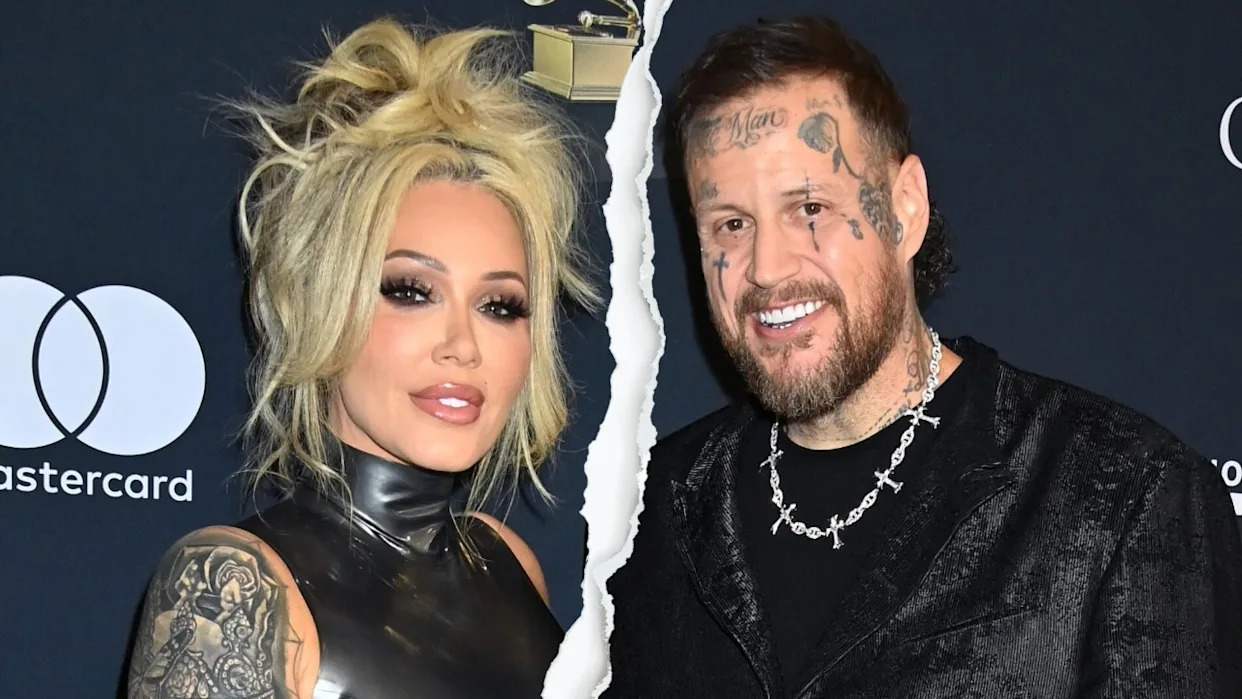
When the news broke that Bunnie and Jelly Roll were divorcing, the reaction across social media was one of genuine surprise. These were two people who had spoken extensively and emotionally about what they meant to each other, and who had appeared together at major events including the Grammy Awards, where Jelly Roll’s country crossover success had earned him significant recognition. Their relationship had always felt like a love story built in defiance of difficult odds - two people from complicated backgrounds who had found stability and growth together. So the confirmation of a split hit differently than a typical celebrity breakup announcement tends to.

Details about the specific reasons behind the divorce have remained relatively private, which both parties seem to have agreed on to some degree. What has emerged, however, is that Bunnie has chosen not to frame this chapter of her life as a tragedy. She has been public enough in her messaging to make clear that she is not in a place of bitterness, and that there is complexity to this transition that goes beyond a simple narrative of loss. That posture requires a certain emotional intelligence, and frankly, it is a harder road to walk than leaning into victimhood would be. It speaks to who Bunnie has always presented herself to be.