
Avatar: The Last Airbender Season 2 - What Nigerian Fans Are Saying and Why the Live-Action Series Has Captured Africa
Movies

Avatar: The Last Airbender Season 2 - What Nigerian Fans Are Saying and Why the Live-Action Series Has Captured Africa

Nova PatricksNova Patricks··9 min read
Advertisement

Lagos went quiet in a particular kind of way on the night of June 23, 2026. Across group chats, Discord servers, and the comment sections of Nigerian pop-culture pages, the same screenshots kept appearing: the Netflix TUDUM stream, the opening minutes of a brand-new episode, and a flood of reactions in Pidgin, English, and the shorthand that anime fans everywhere use to scream without screaming. Netflix had dropped the first episode of “Avatar: The Last Airbender” Season 2 two days early as part of its live TUDUM event, and a generation of young Nigerians who had grown up on the original animated series treated it like a public holiday nobody had bothered to declare. One viewer in Surulere posted a single line that summed up the mood for thousands of others: “Two years of waiting and Aang still moves like that.” The full seven-episode season landed for everyone on June 25.

That reaction was not an accident, and it was not small. It was the latest sign that a franchise born in an American animation studio almost two decades ago has found one of its most passionate homes on the African continent, and that Nigerian fandom has matured into a force that platforms now have to take seriously.

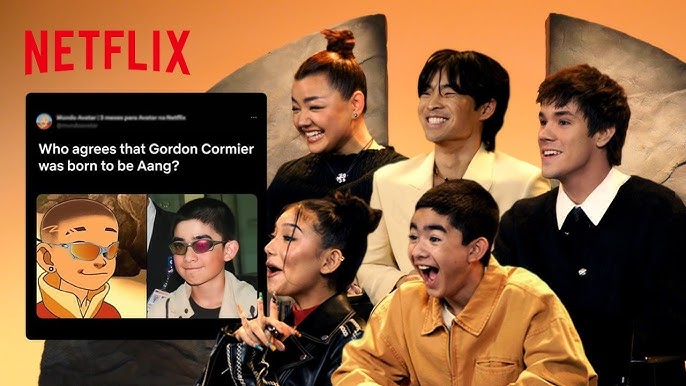
The fan-reaction scene that says everything
Avatar The Last Airbender Netflix - The fan-reaction scene that says everything

To understand why a show about a bald monk who controls the wind matters in Abuja and Accra, you have to picture how the fandom actually behaves. When the Season 2 trailer dropped weeks before launch, Nigerian X (formerly Twitter) lit up with frame-by-frame breakdowns of the new Earthbending sequences. Cosplayers posted teaser shots of homemade Earth Kingdom outfits stitched from local fabric. TikTok creators in Lagos and Port Harcourt filmed themselves reacting to the first look at Toph, the blind Earthbending prodigy fans had been begging to see brought to life since the 2024 renewal news first broke.

This is participatory fandom, not passive viewing. People are not simply watching “Avatar: The Last Airbender.” They are arguing about casting choices, predicting which scenes from the animated original will survive the adaptation, and policing spoilers with the seriousness of a neighbourhood watch. The night Season 2 became available, “no spoilers” was practically a social contract across Nigerian fan spaces. That level of investment is what separates a show people catch on a lazy weekend from a show that becomes part of a community’s identity.

The live-action gamble and why Season 1 worked
Avatar The Last Airbender Netflix - The live-action gamble and why Season 1 worked

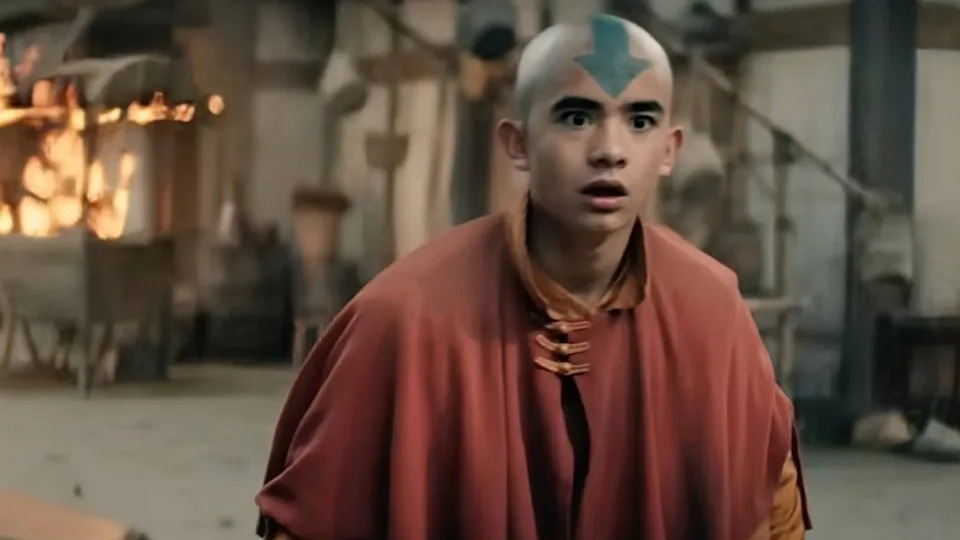
Live-action adaptations of beloved animation are usually where good intentions go to die. The bar was set decades earlier by M. Night Shyamalan’s widely panned 2010 film, a project so disappointing that fans of the franchise spent years insisting it never happened. So when Netflix released its eight-episode live-action “Avatar: The Last Airbender” on February 22, 2024, the goodwill was thin and the knives were out.

What happened next surprised almost everyone. The series topped Netflix’s weekly global chart, pulling 154.4 million hours watched from 21.2 million viewers in its first week (the February 19 to 25 window), and it opened at number one in eighty-four countries. It outperformed the early numbers of Netflix’s own live-action “One Piece,” which had been the gold standard for this kind of adaptation. Critics were mixed, but audiences voted with their watch time, and the streamer moved quickly to lock in the future. On March 6, 2024, barely two weeks after launch, Netflix announced the show had been renewed for two more seasons, covering Books Two and Three of the original animated run.

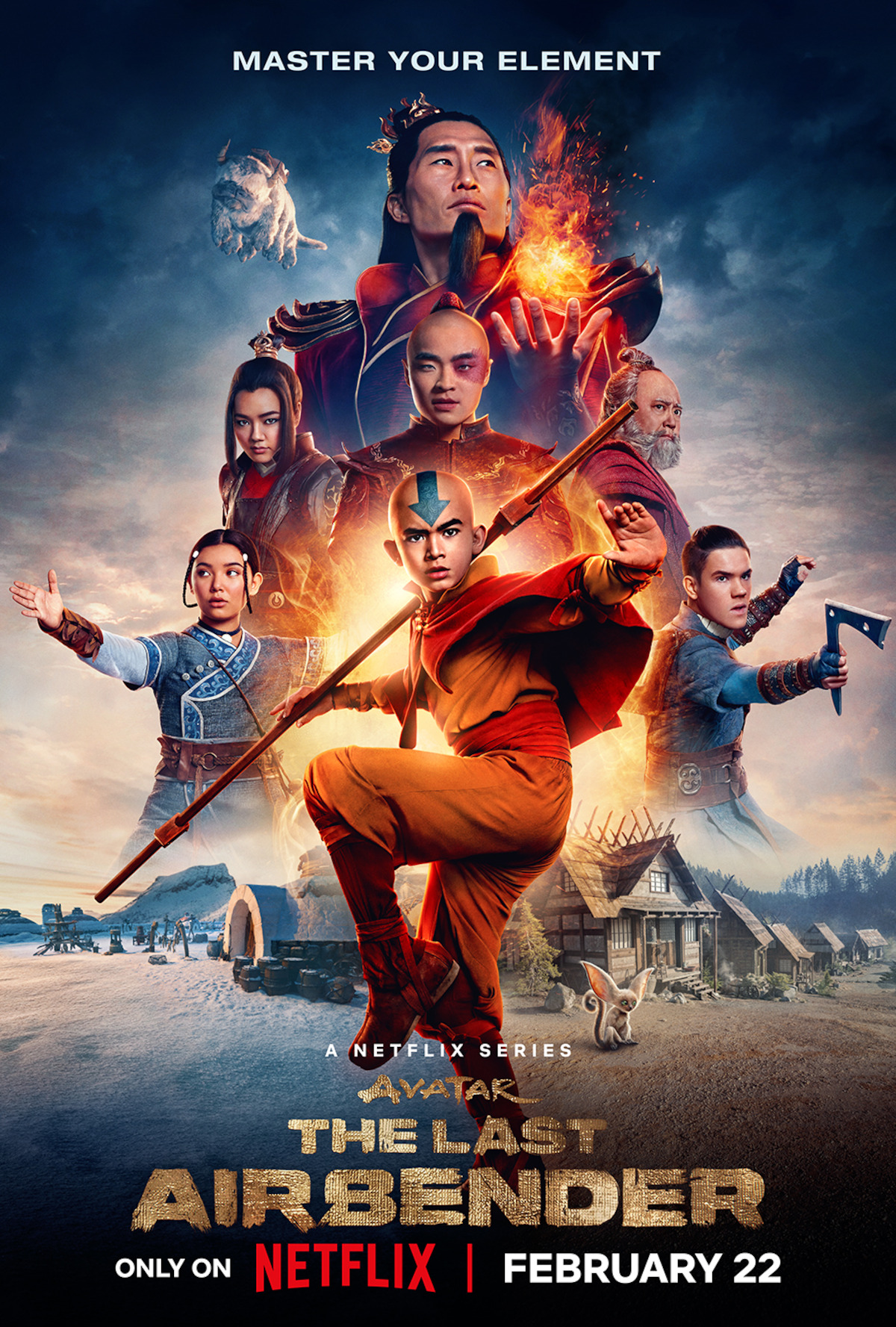
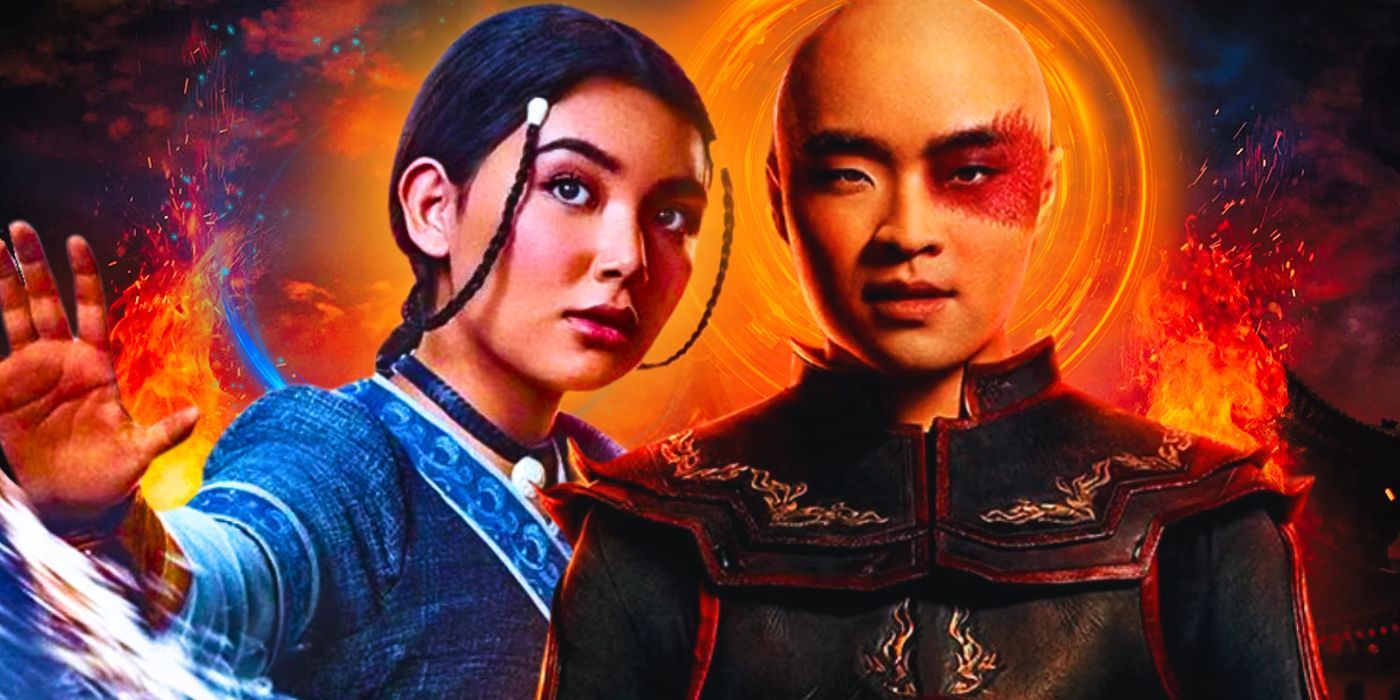
Season 1 worked because it understood its assignment. The casting felt considered rather than cynical, with Gordon Cormier carrying the weight of Aang, Kiawentiio bringing warmth to Katara, Ian Ousley handling Sokka’s mix of comedy and heart, and Dallas Liu turning the exiled prince Zuko into the breakout that fans argued about for months. The production poured money into bending effects that looked like real elemental force instead of glowing filters. It was not a flawless translation of the source, and longtime fans had notes, but it cleared the only bar that mattered: it made people want a Season 2.

What Season 2 brings: Book Two and the road into the Earth Kingdom
Avatar The Last Airbender Netflix - What Season 2 brings: Book Two and the road into the Earth Kingdom

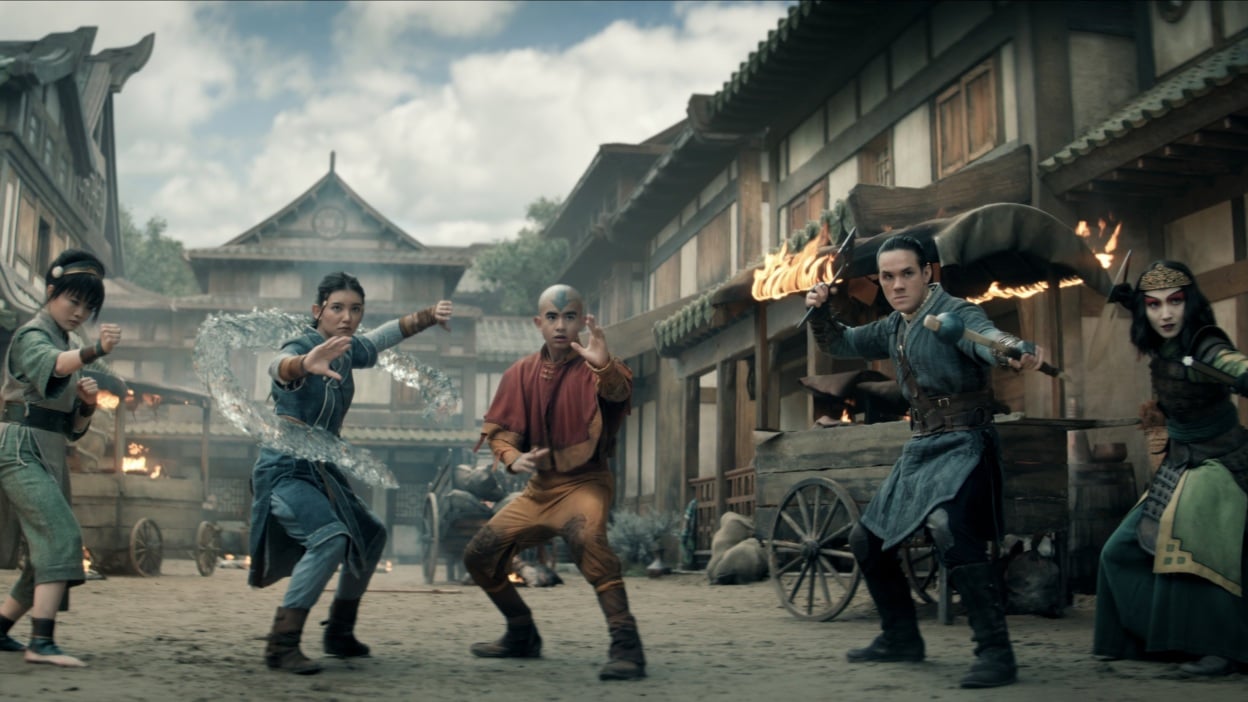
Season 2 adapts “Book Two: Earth,” the chapter of the animated series that many devotees consider its strongest. Without wandering into spoiler territory, here is the shape of it. Team Avatar pushes deeper into the vast Earth Kingdom, the largest of the four nations, while the war with the Fire Nation tightens around them. Aang needs to master Earthbending to continue his path toward becoming a fully realized Avatar, and that search leads him to a teacher nobody expects.

That teacher is Toph Beifong, and her arrival is the headline of the season. Netflix cast Miya Cech, whose full first name is Miyako, in the role, and the actress has already told outlets her version leans slightly older and a touch more layered than the animated original. Toph is a blind Earthbending master who senses the world through vibrations in the ground, a character whose toughness and humour made her an instant favourite in the 2000s cartoon. Bringing her to live-action was always going to be the make-or-break test of Season 2, which is exactly why Nigerian fans treated her first appearance like an event.

The season runs seven episodes rather than the original Book Two’s twenty, a compression that has fans debating which storylines made the cut. The cast list also expands the Fire Nation side of the board, with the returning ensemble joined by characters who deepen the threat closing in on the Avatar. The headline for newcomers and veterans alike is that the stakes are higher, the world is wider, and the emotional weight that made “Avatar: The Last Airbender” endure is squarely in focus. The third and final season has already been filmed back-to-back with this one, so the complete arc is locked in.

Why it resonates with Nigerian and African audiences

Avatar The Last Airbender Netflix - Why it resonates with Nigerian and African audiences

The easy explanation is that anime and fantasy are globally popular, and that is true as far as it goes. The deeper explanation is more specific to the continent. “Avatar: The Last Airbender” tells a story about a young person carrying the survival of a broken world on their shoulders, about displaced communities, about colonisation by a militarised power, and about the quiet strength it takes to choose mercy over revenge. Those are not abstract themes for audiences in Nigeria, Ghana, Kenya, or South Africa. They land with weight in places where history, family, and the cost of conflict are lived rather than theorised.
Advertisement

The four nations are also built on a foundation of real-world cultures, drawing on East Asian and Indigenous traditions rather than the default Western fantasy template of knights and castles. For African viewers raised on a steady diet of imported European and American storytelling, a globally beloved epic that treats non-Western philosophy, spirituality, and martial tradition as central rather than exotic feels refreshing. The series respects the idea that wisdom can come from many places, and that resonates with audiences who have spent decades watching themselves cast as the exception in other people’s stories.

There is also the simple matter of access and timing. The fans engaging with Season 2 today are the ones who watched the animated original as children when it aired on cable and satellite channels across the continent. For them, the live-action series is not a discovery. It is a reunion. The nostalgia is genuine, and nostalgia travels well.

How Nigerian fans are engaging

Avatar The Last Airbender Netflix - How Nigerian fans are engaging

Engagement in Nigeria runs through the platforms where young people already live. The conversation about Season 2 has played out on X, TikTok, Instagram, and a sprawl of WhatsApp and Telegram groups dedicated to anime and fantasy. Nigerian fan accounts post reaction threads, character rankings, and meme edits that travel far beyond the country’s borders. When a scene lands, a clip of someone in Lagos losing their composure over it can rack up views across the diaspora within hours.

Streaming access is part of the story. Netflix operates a dedicated Nigerian service at netflix.com/ng, with subscription plans priced in naira, currently ranging from roughly 2,500 to 8,500 naira a month depending on the tier. That means “Avatar: The Last Airbender” Season 2 is available to watch legally in Nigeria from the same global launch window as everywhere else, no workarounds required. For a fandom that came up sharing pirated cartoon episodes on flash drives and memory cards, legal same-day access is a meaningful shift, and it changes how the conversation happens. Fans can react in real time instead of waiting weeks for content to filter through.

Cosplay has become one of the most visible expressions of that engagement. Nigerian cosplayers have built Water Tribe and Fire Nation looks for years, and Season 2’s Earth Kingdom setting has already inspired a wave of green-and-gold outfits and Toph-inspired headbands. The creativity is striking partly because it is resourceful, with fans improvising costumes from materials that cost a fraction of what an imported store-bought version would run. That ingenuity has become its own point of pride within the community.

The fan debates are just as revealing as the celebrations. Nigerian fan accounts have spent the build-up to Season 2 arguing over the seven-episode count, comparing it against the twenty episodes of the animated Book Two and predicting which beloved side-stories would be trimmed for time. Others have weighed in on the changes to Toph, with some defending Miya Cech’s slightly older and more layered take and others insisting the animated version was perfect as written. These are not idle complaints. They are the conversations of an audience that knows the source material intimately and holds the adaptation to a high bar, which is exactly the kind of scrutiny a casual viewership never bothers to apply.

The rise of anime and fantasy fandom in Africa

The “Avatar” wave does not exist in isolation. It rides on a fandom that has been building across Africa for a generation. In Nigeria specifically, the love affair with the genre traces back to the late 1980s and 1990s, when shows like “Voltron: Defender of the Universe” aired on NTA and introduced a whole generation to Japanese-style animation long before the word “anime” entered common use. Those childhood viewers grew up, kept watching, and eventually started building institutions of their own.

The clearest proof is the convention scene. Lagos now hosts the Èkó Anime Fest, an annual celebration organised by Africacomicade and partners that began in 2022 and has grown each year, with its 2024 edition held on April 13 on Lagos Island. Earlier editions drew close to a thousand fans from across the continent for cosplay contests, anime music, gaming, and community. That is not a niche gathering in a back room. It is a public festival with sponsors, vendors, and a calendar slot people plan around. Similar events have taken root in South Africa, Kenya, and beyond, knitting together a continental fandom that talks to itself constantly online.

The commercial side is catching up to the cultural energy. Industry analysts project the anime merchandising market across the Middle East and Africa to reach hundreds of millions of dollars in the coming years, growing at a double-digit annual rate. Netflix, for its part, has leaned hard into anime globally, noting that more than half of its members worldwide now watch the genre, and it has been steadily expanding its African footprint through local productions and distribution deals. A live-action fantasy epic like “Avatar: The Last Airbender” sits at the exact intersection of all these trends: the anime sensibility, the fantasy world-building, the global streaming reach, and an African audience that was ready and waiting.

Where Book Two leaves the saga

The Season 2 reaction tells a story bigger than one show. A Nigerian teenager who taped “Voltron” off the television in the 1990s now has a child who streams “Avatar: The Last Airbender” on a phone in naira-priced 4K, posts a reaction clip that a fan in Nairobi quotes back the same afternoon, and shows up to Èkó Anime Fest in an Earth Kingdom costume sewn at home. The pipeline that took thirty years to build is now running in real time. When Toph stomped onto screens on the night of June 23, the cheers in Lagos arrived at the same moment as the cheers in Los Angeles, and for a fandom that spent decades waiting on the edges of someone else’s release schedule, that simultaneity is the whole point. The waiting room is empty. Nigerian fans are in the room.

Advertisement
Share
Get the recap

Loved this story? Get more like it.

Join readers who get our weekly entertainment recap - the stories worth your time, delivered every Friday.

No spam. Unsubscribe anytime. By signing up you agree to our Privacy Policy.

Avatar: The Last Airbender Seaso... | Sidomex Entertainment