
Table of Contents
- The Botanical Fashion Revolution
- Architecture Meets Couture
- Earth Elements as Wearable Art
- Technical Innovation in African Design
- Fashion as Cultural Storytelling
- Impact on African Fashion Industry
The 12th Annual Africa Magic Viewers’ Choice Awards at Eko Hotel transformed into something extraordinary this year - a high-fashion exhibition that elevated African couture to new artistic heights. While the ceremony celebrated the continent’s finest cinematic achievements, it was the women gracing the red carpet who truly stole the spotlight, turning the evening into a masterclass in fashion innovation and cultural storytelling. The 2026 AMVCA red carpet didn’t just showcase beautiful gowns; it presented a bold vision of where African fashion is heading, with leading actresses and industry figures serving as living canvases for the continent’s most visionary designers. From intricate botanical sculptures seamlessly integrated into flowing silhouettes to architectural elements that defied traditional garment construction, the evening proved that African fashion has evolved far beyond mere clothing into the realm of wearable art.
The Botanical Fashion Revolution
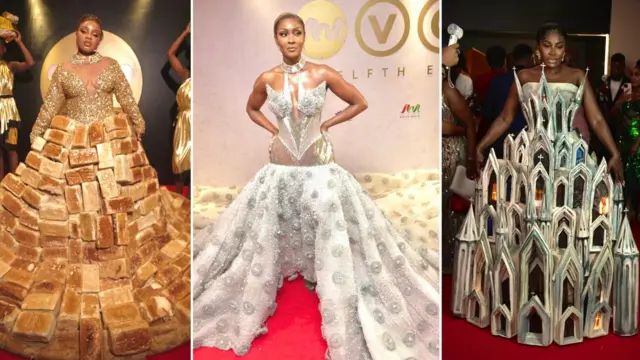
The most striking trend of the evening was the emergence of botanical-inspired 3D florals that moved beyond simple embellishment to become integral structural elements of the garments themselves. Leading Nollywood actresses embraced designs where hand-crafted flowers, leaves, and organic forms weren’t merely sewn onto fabric but grew organically from the silhouettes, creating an almost sculptural quality that transformed each wearer into a living garden. These weren’t the delicate floral appliqués we’ve grown accustomed to seeing at international red carpets; instead, African designers demonstrated their technical prowess by creating dimensional botanical elements that maintained their structure while allowing for natural movement and flow. The result was a collection of looks that captured the essence of Africa’s diverse ecosystems, from the lush tropical forests to the hardy desert blooms, each piece telling a story of resilience and natural beauty.
What made these botanical creations particularly remarkable was their integration of traditional African textile techniques with cutting-edge construction methods. Designers utilized everything from wire armatures to innovative padding systems to achieve the three-dimensional effects while ensuring the garments remained comfortable and wearable for extended periods. The color palettes drew inspiration from authentic African flora, featuring deep emerald greens, sunset oranges, and rich burgundies that reflected the continent’s natural diversity rather than adhering to Western fashion’s often limited interpretation of “African” colors.
Architecture Meets Couture
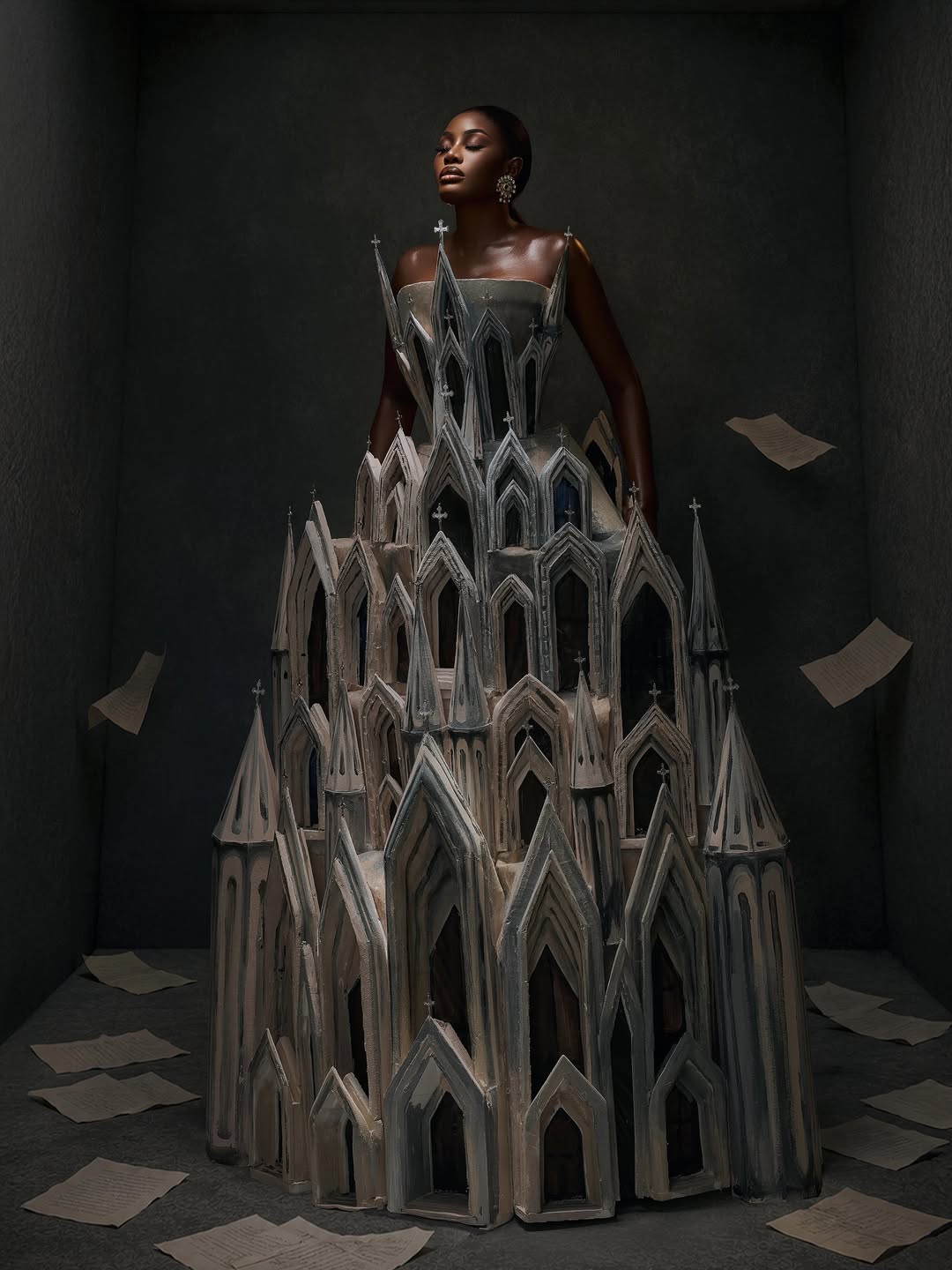
Perhaps even more ambitious than the botanical trend was the bold integration of architectural elements into evening wear, creating garments that challenged conventional notions of what clothing could be. Several standout looks featured structured elements that drew inspiration from iconic African architecture, from the curved lines of traditional huts to the geometric patterns found in ancient stone structures across the continent. These weren’t costume-like interpretations but sophisticated translations of architectural principles into wearable form, demonstrating the designers’ deep understanding of both fashion construction and cultural heritage. The technical skill required to create garments that maintained structural integrity while allowing for movement and comfort represented a significant leap forward in African couture capabilities.
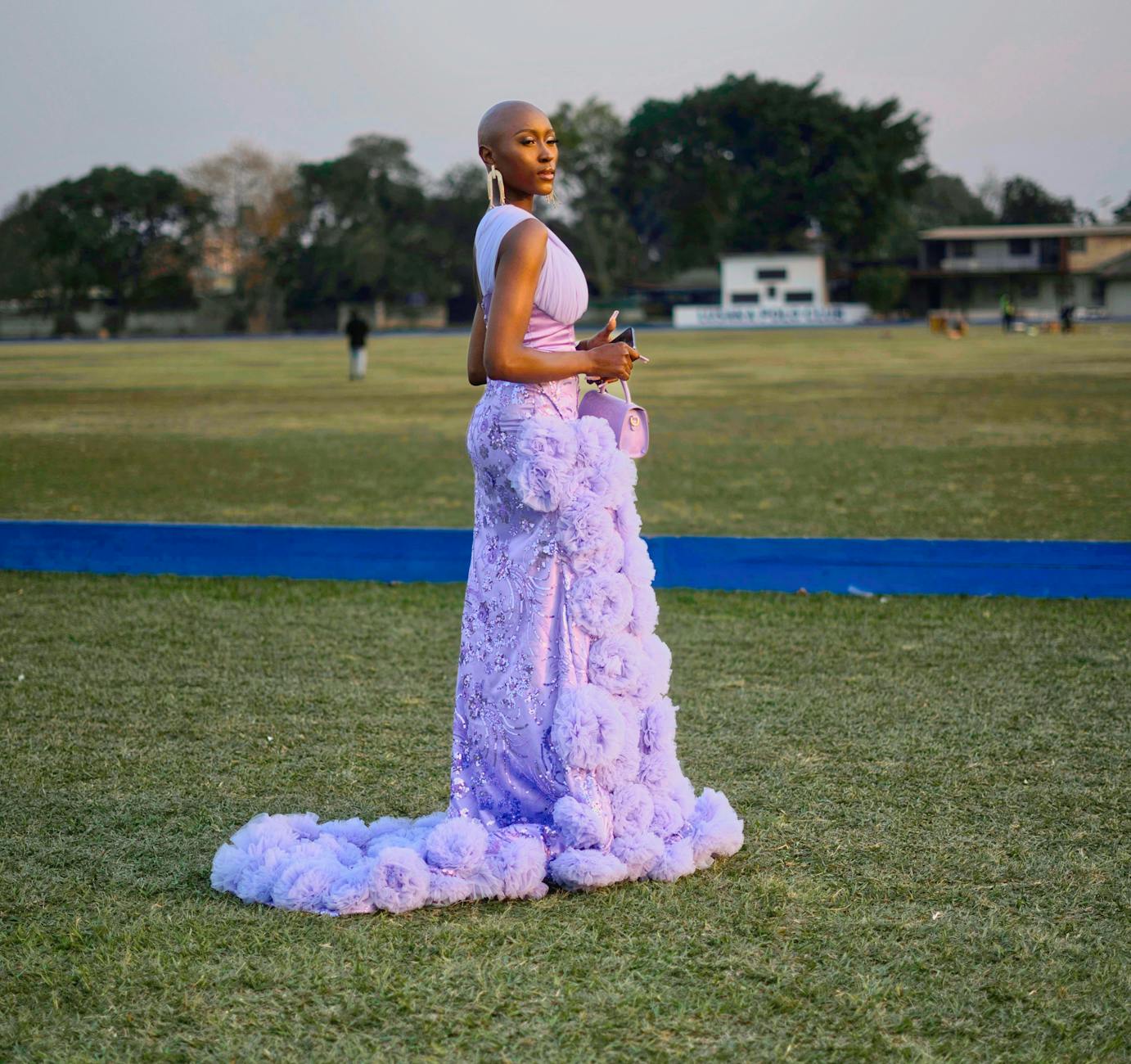
The architectural approach extended beyond mere aesthetic choices to encompass innovative construction techniques that pushed the boundaries of garment engineering. Designers employed materials ranging from traditional fabrics to unexpected elements like treated wood, metal frameworks, and even sustainable bio-materials to achieve their vision. The result was a series of looks that functioned almost like wearable installations, each piece requiring careful planning and execution to ensure both visual impact and practical wearability throughout the long evening event.
Earth Elements as Wearable Art
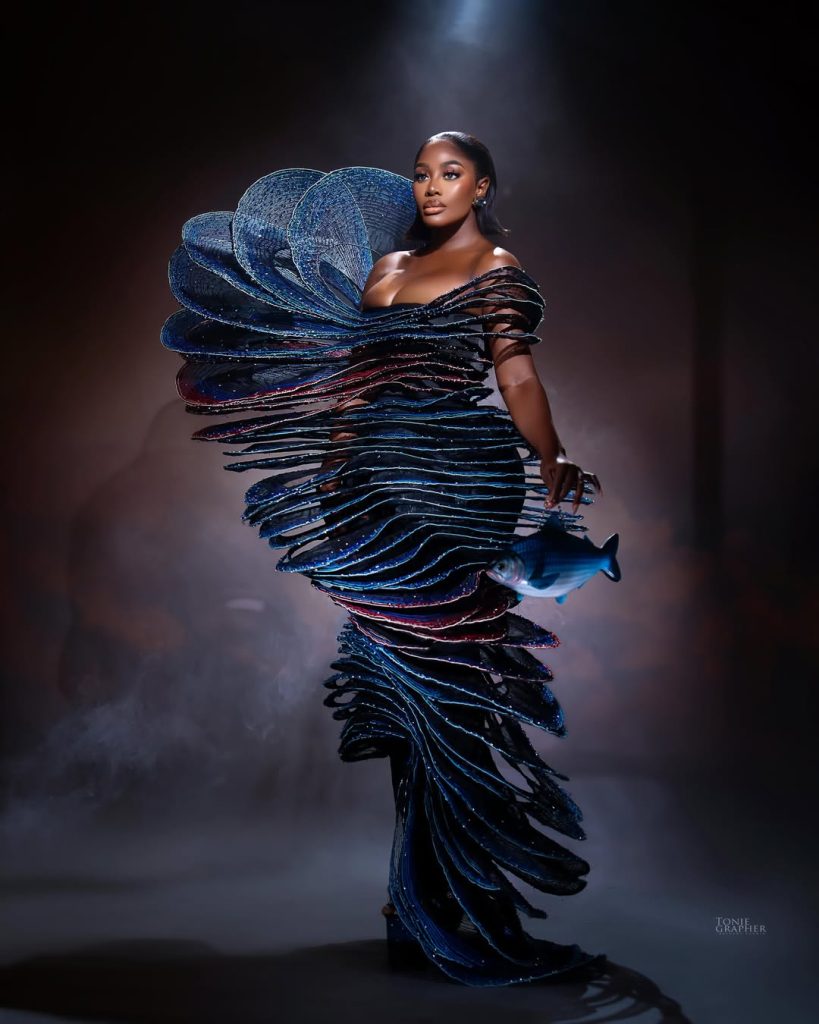
The incorporation of geological elements marked another fascinating evolution in African fashion storytelling, with designers drawing inspiration from the continent’s rich mineral heritage and diverse landscapes. Garments featured textures and embellishments that evoked everything from volcanic rock formations to the smooth curves of wind-carved desert stones, creating pieces that felt both ancient and futuristically avant-garde. The use of metallic elements, crystalline beading, and stone-like textures wasn’t merely decorative but served to ground each look in a sense of place and geological history that spoke to Africa’s role as the cradle of civilization.
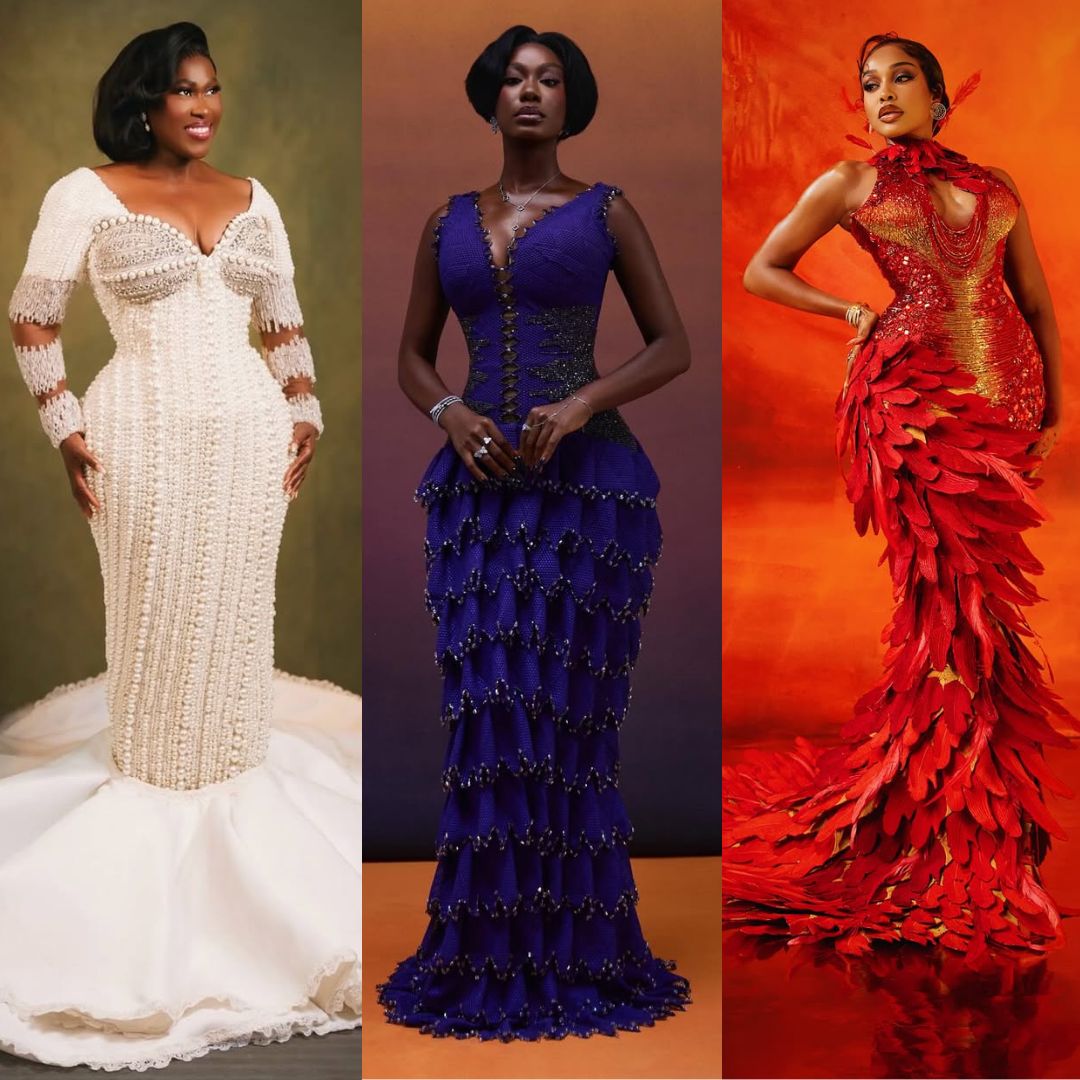
These geological interpretations required designers to master new techniques for creating texture and weight distribution, ensuring that garments inspired by heavy earth elements could still move gracefully on the human form. The innovation extended to color work as well, with designers developing new dyeing and finishing techniques to capture the subtle color variations found in natural stone and mineral formations, resulting in garments that seemed to shift and change in the light like actual geological specimens.