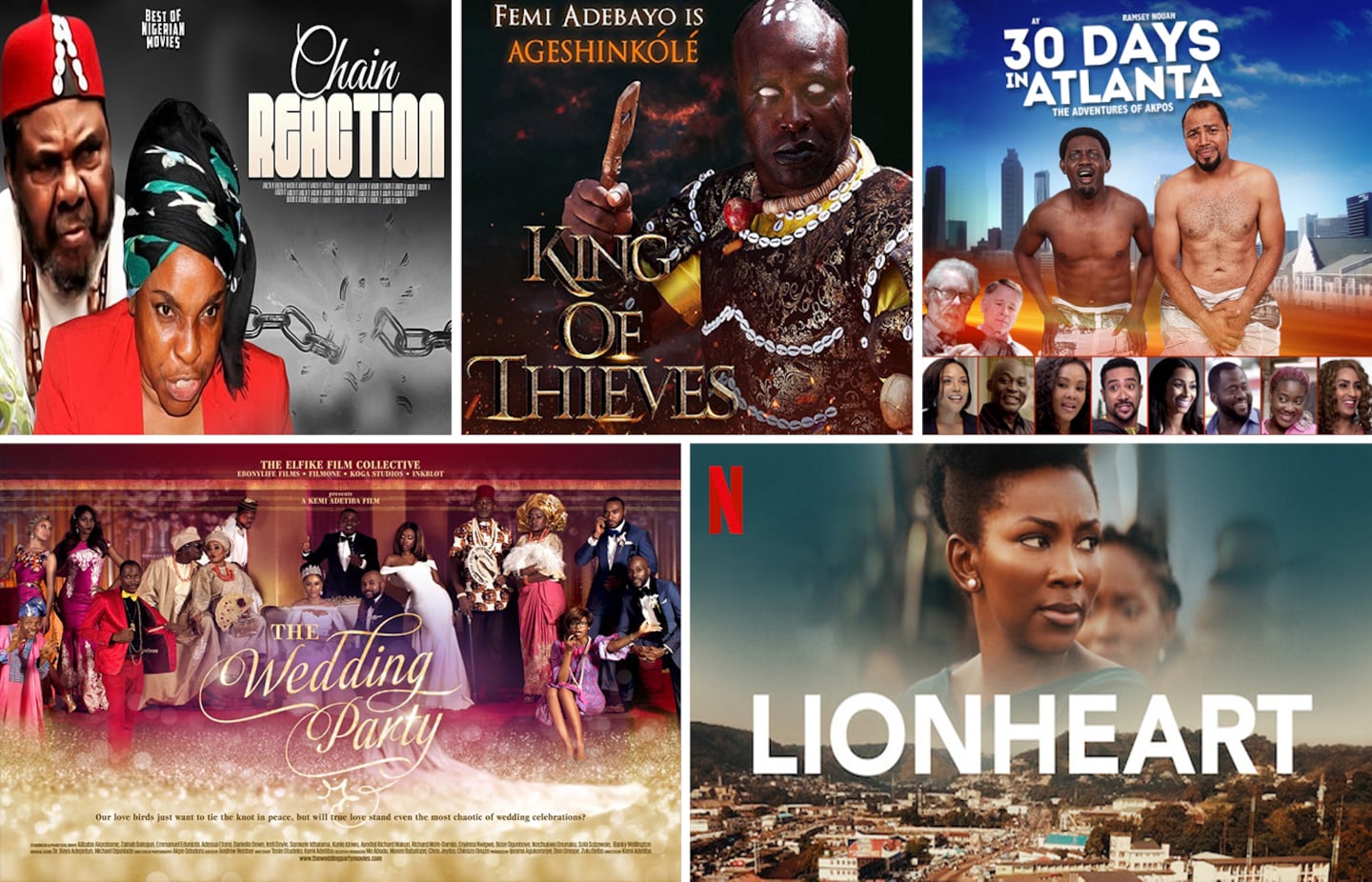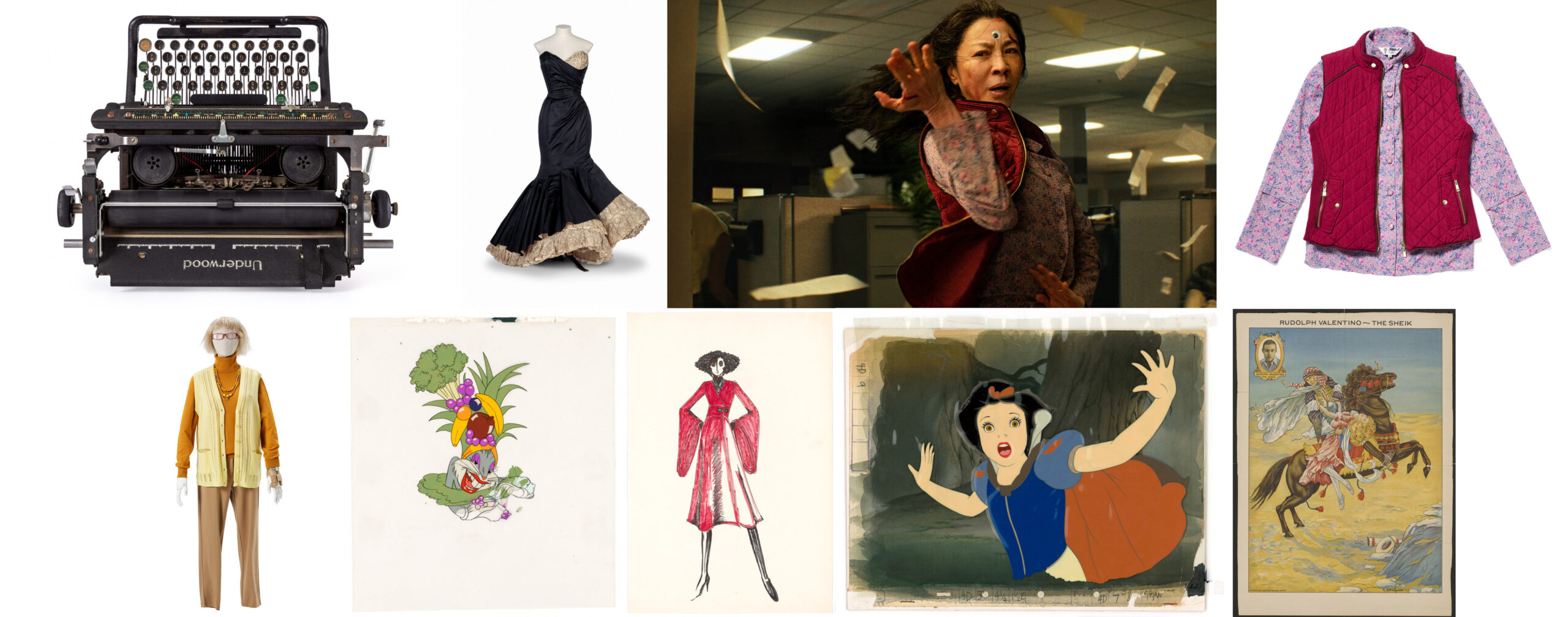
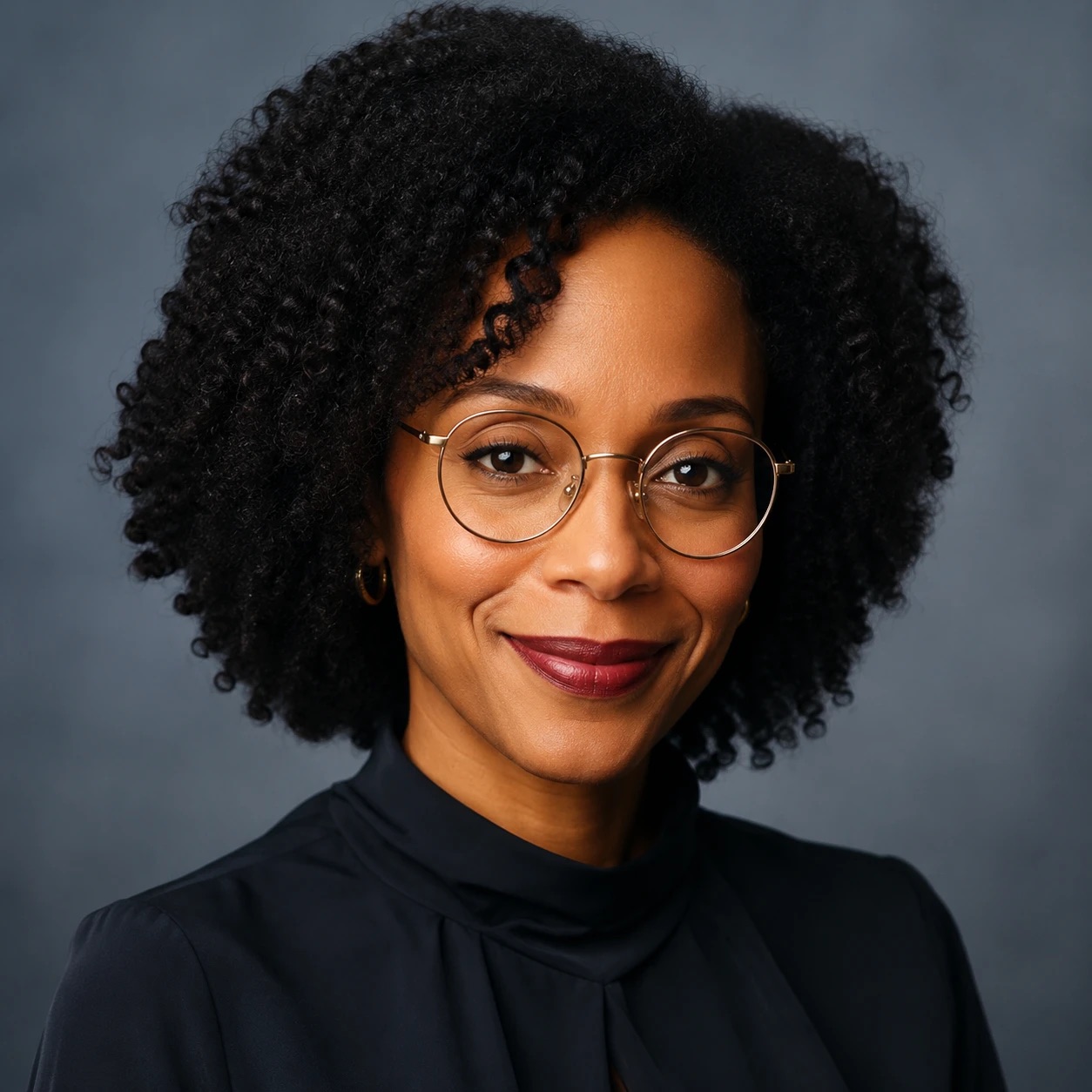
There are moments in entertainment history that feel like turning points - moments when an industry stops knocking on a door and simply walks through it. The news that Nigerian filmmaker Akinola Davies Jr. and British-Nigerian actor ??p?? Dìrísù have both received invitations to join the Academy of Motion Picture Arts and Sciences is one of those moments. This is the organisation that presides over the Oscars, the most prestigious film awards on the planet, and being invited into its ranks is not just an honour - it is a formal acknowledgment that your work belongs in the conversation at the highest level of global cinema. For African storytellers and film lovers who have long argued that the continent’s talent deserves a seat at Hollywood’s most exclusive table, this news lands with the weight of validation.
Table of Contents
- The Film That Started It All: My Father’s Shadow
- Akinola Davies Jr.: The Director Building a New Nigerian Cinema
- ??p?? Dìrísù: The Actor Who Has Always Been Ready for This
- What an Academy Invitation Actually Means
- The Bigger Picture for African Cinema
The Film That Started It All: My Father’s Shadow
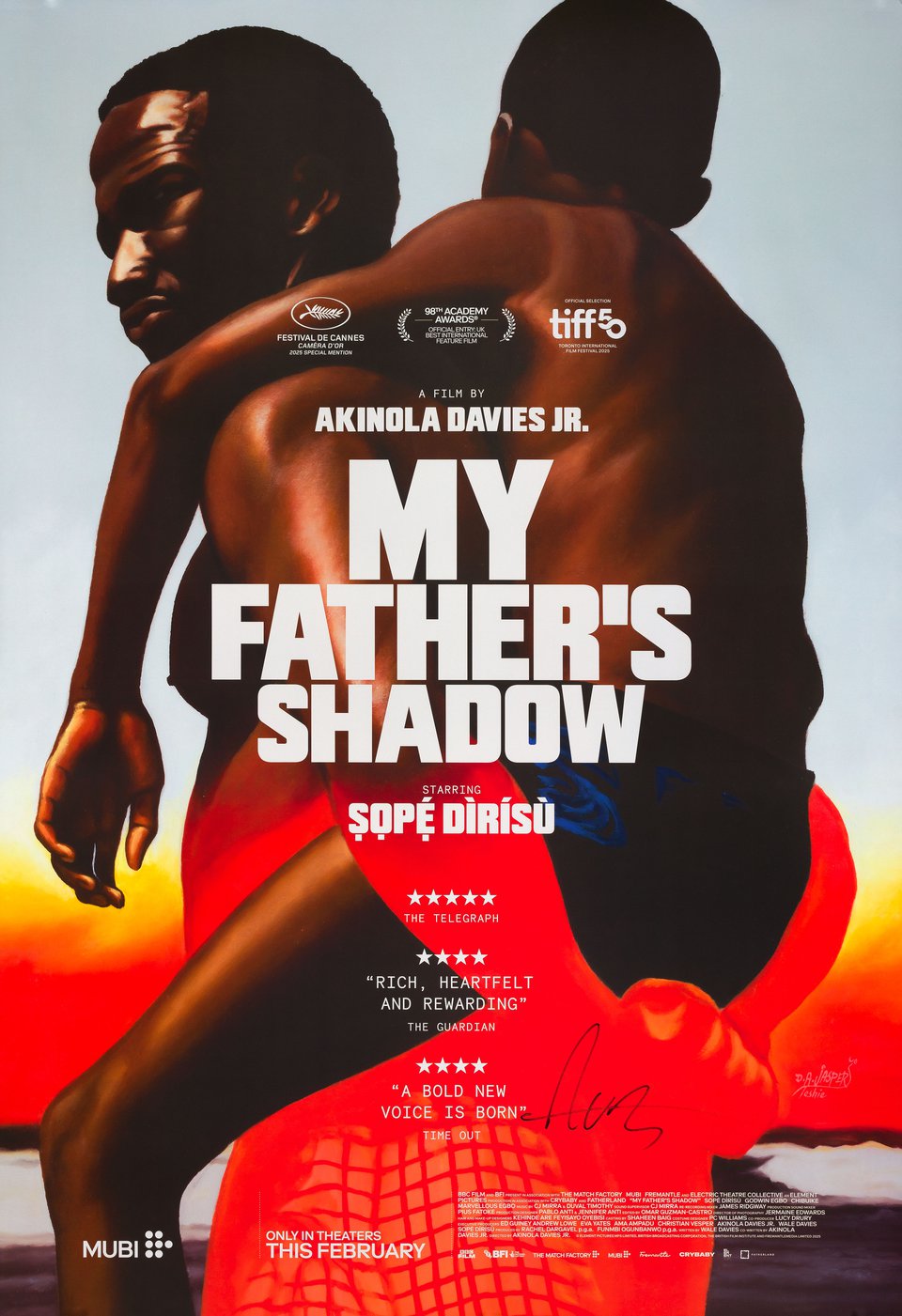
At the centre of this achievement is My Father’s Shadow, the feature film that has quietly - and then very loudly - made its way onto the radar of international cinema gatekeepers. Produced by Fatherland Productions, a Lagos-based production company where Davies serves as a director and creative force, the film represents a new kind of Nigerian storytelling - one that is deeply rooted in local experience while speaking a cinematic language that resonates across borders. The project was backed with serious artistic intention from the start, and that ambition has clearly paid off in ways that go well beyond the festival circuit buzz it initially generated. My Father’s Shadow is not the kind of film that begs for international approval - it earned it.
The film has had a successful run that drew significant critical attention, positioning it as one of the standout works from the African continent in recent memory. Fatherland Productions has been deliberate in the kind of work it champions, and Davies’ involvement as both a creative architect and director reflects a generation of Nigerian filmmakers who are no longer content to operate solely within domestic market expectations. The success of My Father’s Shadow is not just a win for the individuals involved - it is a proof of concept that Nigerian cinema, when given the resources and creative freedom it deserves, can compete on the world stage without compromise.
Akinola Davies Jr.: The Director Building a New Nigerian Cinema
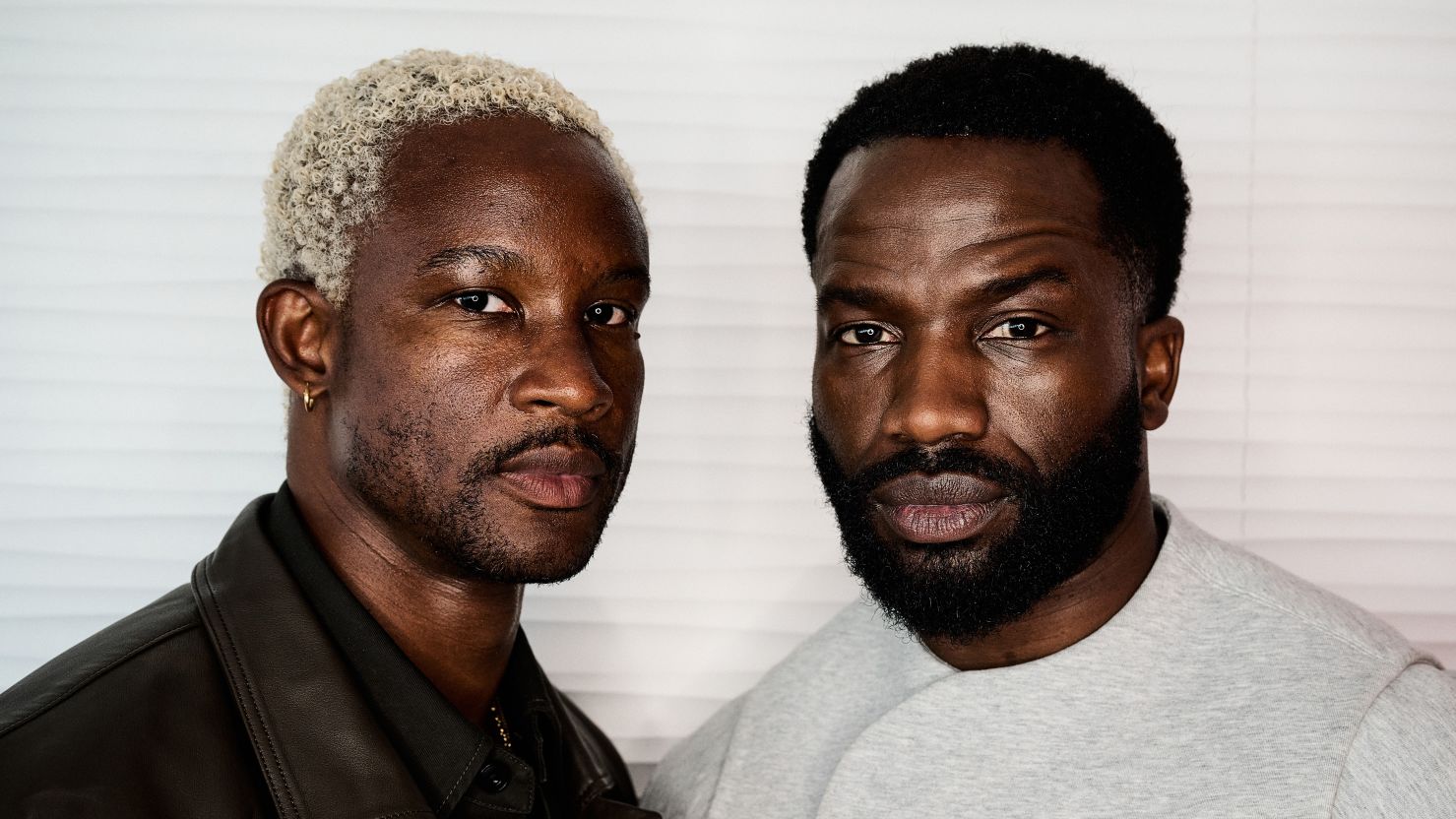
Akinola Davies Jr. did not arrive at this moment overnight. He has been building toward it with a body of work that spans short films, music videos, and now feature-length cinema, always demonstrating a visual intelligence and cultural depth that sets him apart from his peers. His short film Lizard, which he wrote and directed, earned him considerable attention and established his signature - intimate storytelling that carries enormous emotional weight. Davies brings to his work an understanding of Nigeria that feels lived-in and specific, yet his framing and visual composition have a universality that communicates beyond cultural borders. He is the kind of filmmaker who makes you feel like you are seeing a world for the first time, even when that world is familiar.
Beyond his directorial work, Davies has also demonstrated range as a creative professional who understands the full ecosystem of film production. His connection to Fatherland Productions and the Lagos creative community reflects a commitment not just to his own career, but to building infrastructure for Nigerian cinema as a whole. An Academy membership, if he accepts the invitation, would put him in rooms and conversations that could have a cascading effect on how Nigerian and broader African filmmaking is perceived, funded, and distributed globally. This is not just personal achievement - it is strategic positioning for an entire movement.
??p?? Dìrísù: The Actor Who Has Always Been Ready for This
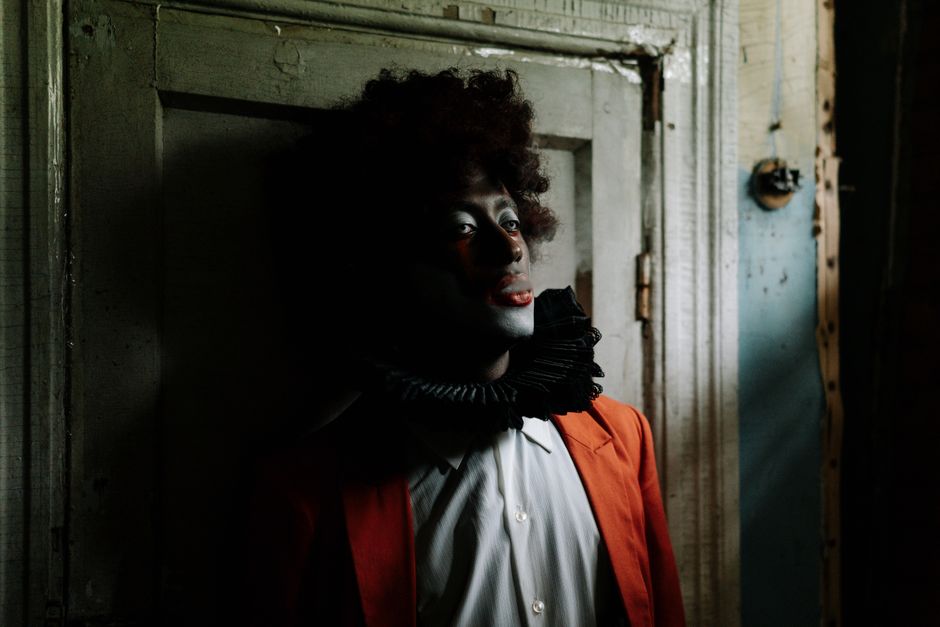
If Akinola Davies Jr. represents the future of African filmmaking behind the camera, ??p?? Dìrísù has been making an equally compelling case for African talent in front of it. Born in England to Nigerian parents, Dìrísù has carved out a career that moves fluidly between stage, television, and film with an ease that speaks to exceptional, disciplined talent. His performance in the 2021 film Cryptozoo and his remarkable turn in the thriller His House - a Netflix film that tackled refugee trauma through the lens of horror - announced him as an actor with serious range and the kind of screen presence that commands attention without ever straining for it.