
Table of Contents
- Entertainment Moguls Shift Focus From Fame to Fortune
- Nollywood and Afrobeats: The New Economic Powerhouses
- Women Leading the Ownership Revolution
- Streaming Platforms and the African Content Gold Rush
- Building Sustainable Entertainment Empires
- The Future of African Entertainment Landscape
Entertainment Moguls Shift Focus From Fame to Fortune
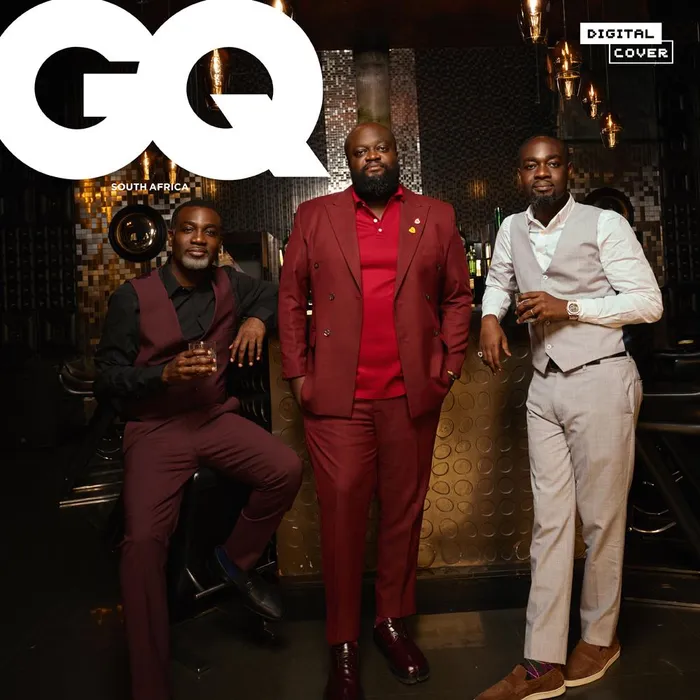
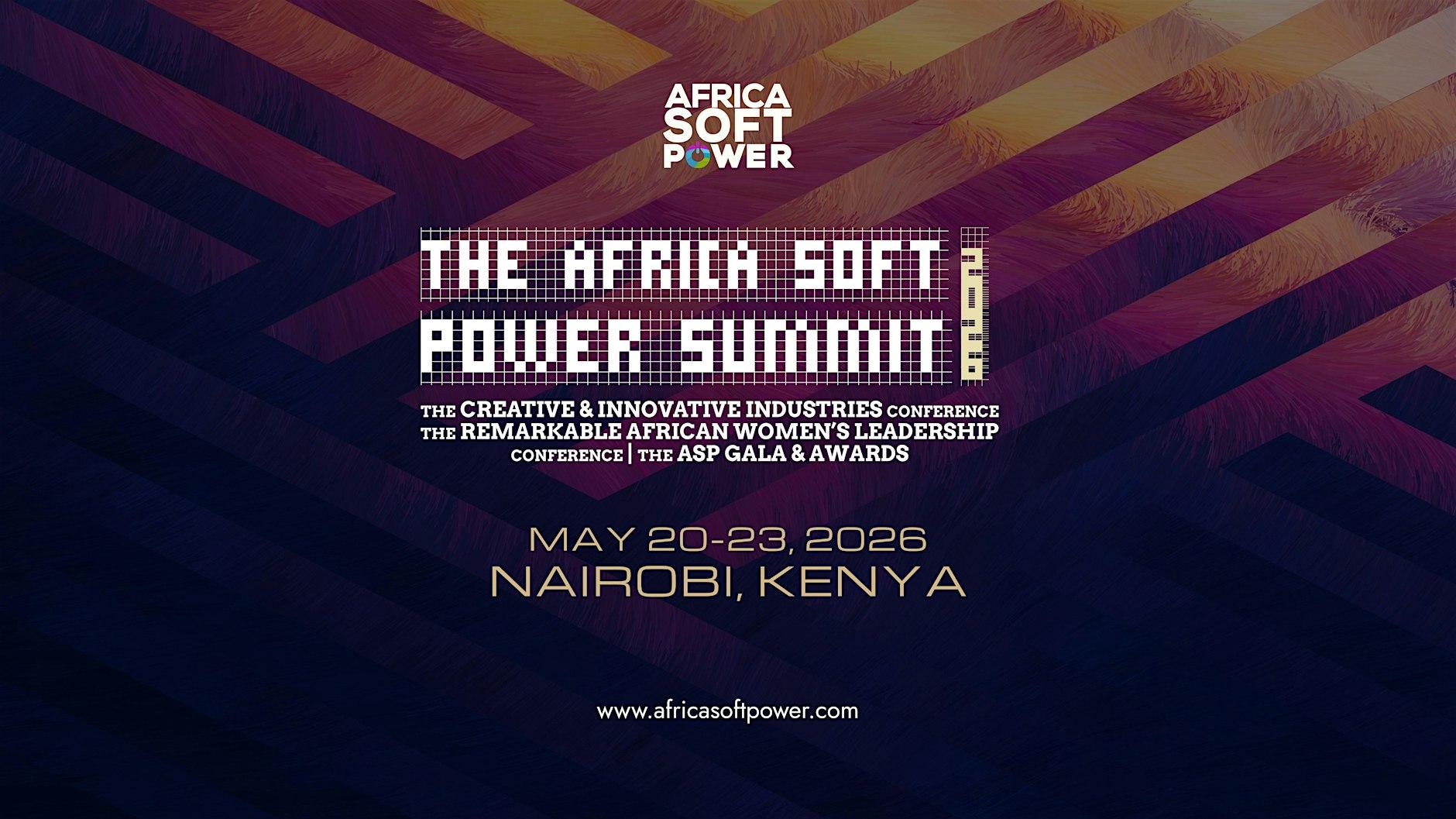
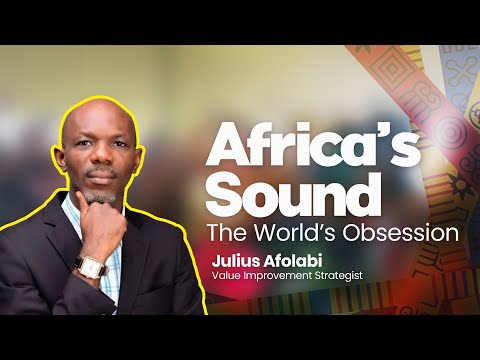
The conversation around African entertainment has fundamentally shifted, and nowhere was this more evident than at the recent gathering of entertainment industry leaders in Nairobi. What started as discussions about breaking into global markets has evolved into something far more sophisticated - how to own, control, and build generational wealth from Africa’s booming creative economy. The summit brought together some of the continent’s most influential voices in entertainment, from Nollywood producers who’ve built media empires to Afrobeats artists who’ve leveraged their musical success into diverse business portfolios. This wasn’t just another industry networking event; it represented a maturation of thinking about entertainment as a serious economic sector capable of driving continental development.
The shift from opportunity-seeking to ownership-building reflects broader changes in how African creatives view their place in the global entertainment ecosystem. Where previous generations of artists and entertainers often focused primarily on gaining international recognition and breaking into Western markets, today’s leaders are asking different questions. They want to know how to retain intellectual property rights, how to build distribution networks that don’t rely solely on foreign platforms, and how to create entertainment companies that can compete globally while remaining rooted in African values and ownership structures. This evolution in thinking has been accelerated by the massive success of African content on global streaming platforms, which has demonstrated the commercial viability of African stories told by African creators.
Nollywood and Afrobeats: The New Economic Powerhouses
Nollywood and the Afrobeats music scene have emerged as the twin engines driving Africa’s entertainment economy, with both sectors demonstrating remarkable growth and global appeal. Nollywood, now the world’s second-largest film industry by volume, generates billions of dollars annually and employs millions across the continent. The industry has moved far beyond its early days of low-budget productions, with contemporary Nigerian films featuring sophisticated storytelling, high production values, and increasingly, significant international investment. Films like “The Woman King” and series like “Blood Sisters” have shown that African stories can achieve both critical acclaim and commercial success on the global stage.
Meanwhile, Afrobeats has become a global phenomenon that extends far beyond music into fashion, lifestyle, and brand partnerships worth hundreds of millions of dollars. Artists like Burna Boy, Wizkid, and Davido haven’t just achieved international musical success; they’ve built comprehensive business empires that include record labels, fashion lines, real estate investments, and technology ventures. The genre’s influence on global pop culture has created unprecedented opportunities for African artists to leverage their cultural impact into substantial business ventures. What’s particularly significant is how these artists are increasingly retaining ownership of their master recordings and building independent distribution networks, ensuring that more of the economic value generated by their work remains within African hands.
Women Leading the Ownership Revolution
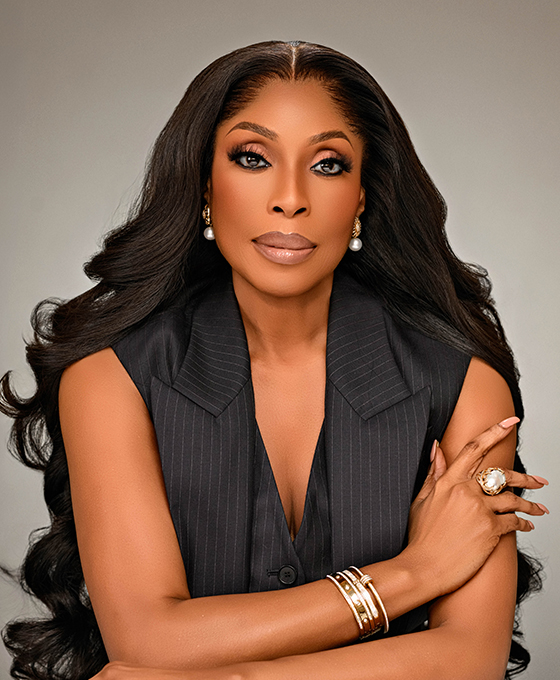
Perhaps the most striking aspect of this ownership-focused transformation in African entertainment has been the leadership role taken by women across various sectors of the industry. Female producers, directors, musicians, and executives have been at the forefront of creating new business models that prioritize ownership and long-term wealth building. Producers like Mo Abudu have built media empires that span television production, streaming content, and international distribution deals, while maintaining majority African ownership. Similarly, artists like Tiwa Savage and Yemi Alade have structured their careers around ownership principles, maintaining control over their music catalogs and building diversified business portfolios.
The focus on women’s leadership in this space isn’t coincidental - it reflects a recognition that sustainable economic development requires the full participation of all segments of society. Female entertainment entrepreneurs have often brought different perspectives to business building, emphasizing community development, mentorship, and creating opportunities for the next generation of creatives. They’ve also been particularly effective at building bridges between entertainment and other sectors like fashion, technology, and education, creating more resilient and diversified business models. The success of women-led entertainment companies has also had a broader cultural impact, challenging traditional notions about business leadership and creating new role models for young African women.