
Table of Contents
- Bully Goes Deluxe: What’s New on the Expanded Edition
- The Don Toliver Connection
- Breaking Down the ‘Kings’ Visual
- Bully in Context: Where Does This Album Sit in Ye’s Catalog?
- Fan and Industry Reaction
Bully Goes Deluxe: What’s New on the Expanded Edition
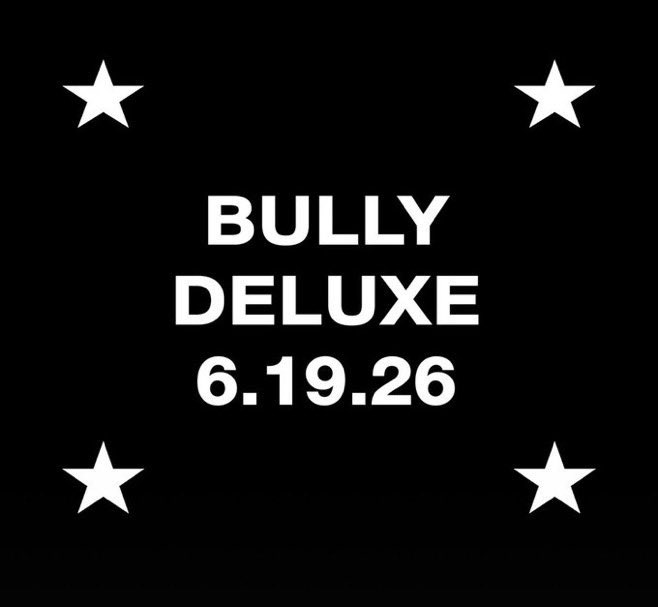
Just when it seemed like the dust had settled on Ye’s twelfth studio album, Bully, the Chicago rapper and producer has returned with an expanded version of the project that adds two brand new tracks to the original tracklist. The deluxe edition arrived with minimal warning, which is entirely on-brand for an artist who has turned the surprise drop into something of a personal tradition. Whether you have been a long-time devotee of his work or a more casual listener who tracks his moves from a distance, the arrival of new Ye material always manages to cut through the noise of whatever else is happening in music at any given moment. This release is no different, and the additions feel less like filler and more like genuine extensions of the world he built across the standard version of Bully.
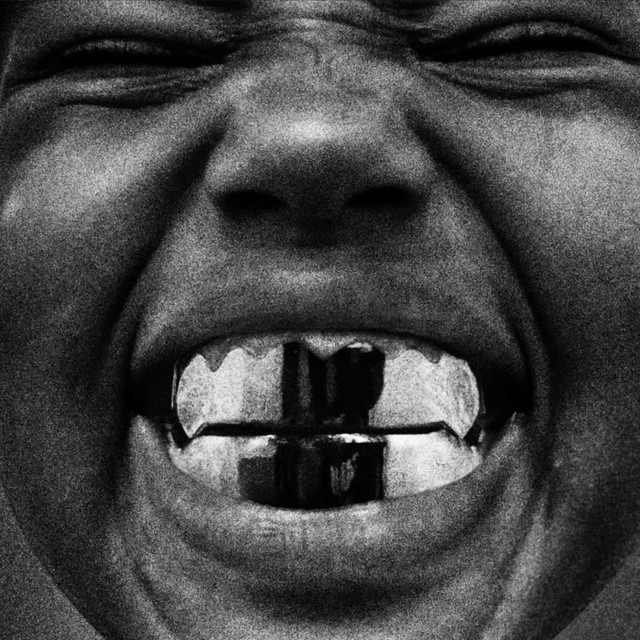
The deluxe edition strategy has become increasingly common in the streaming era, with artists from Drake to Beyoncé using it as a way to sustain momentum for a project long after its initial release cycle has peaked. For Ye, the move also reflects his well-documented habit of treating albums as living, evolving documents rather than finished products he seals and ships. Fans of his work will remember how The Life of Pablo was updated with new mixes and track adjustments after it had already gone public, setting a precedent that made the idea of a “final” Kanye West album feel almost conceptually absurd. The Bully deluxe feels like a continuation of that philosophy, even if the execution here is a little more conventional.
The Don Toliver Connection
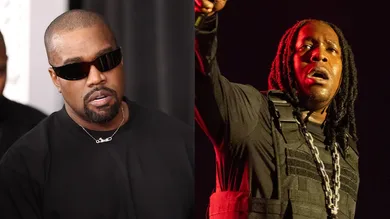
Among the two new additions to the expanded project, the collaboration featuring Don Toliver is the one that has generated the most conversation since the release landed. Don Toliver, born Caleb Zackery Toliver, has spent the better part of the last five years carving out one of the most distinctive sonic identities in contemporary hip-hop and R&B - a dreamy, melodic style that sits somewhere between Travis Scott’s atmospheric production world and a more traditionally soulful approach to songwriting. It makes a great deal of sense that his voice finds a comfortable home within Ye’s production framework, given that both artists operate in sonic spaces that prioritize feeling and texture over rigid structure.
Toliver’s association with Cactus Jack, Travis Scott’s label imprint, has long made him a central figure in the Houston rap scene’s ongoing influence on mainstream music. His albums Heaven or Hell, Life of a Don, and Love Sick demonstrated a consistent artistic growth that made him one of the most compelling acts of his generation. Pairing that energy with Ye’s production sensibility on a Bully deluxe cut is the kind of creative intersection that fans of both artists have probably imagined at some point, and the execution reportedly delivers on that potential. The chemistry feels organic rather than forced, which is the highest compliment you can pay to any collaboration.
Breaking Down the ‘Kings’ Visual

Alongside the deluxe audio release, Ye also dropped a music video for the track “Kings” that has been drawing just as much attention as the music itself. Described widely as surreal, the visual leans into the kind of abstract, image-heavy filmmaking that Ye has long favored when he steps into the director’s chair or works closely with visual collaborators. This is an artist who has previously worked with directors like Hype Williams and Spike Jonze, and who has consistently used the music video format as an extension of his broader artistic vision rather than simply a promotional tool designed to push streams. The “Kings” video appears to continue that tradition in earnest.