10 Underrated Nigerian Politically Conscious Songs That Deserve a Second Listen
Music

10 Underrated Nigerian Politically Conscious Songs That Deserve a Second Listen

Jalen RossJalen Ross··6 min read
Advertisement

There is a common misconception that Nigerian music is all party anthems, love songs, and street slang. And while nobody is denying the magnetic pull of a Burna Boy club record or a Wizkid slow-burner, Nigeria has always had a thriving tradition of music that challenges power, questions governance, and refuses to look away from social injustice. From the legendary afrobeat pioneer Fela Anikulapo-Kuti to the newer wave of artists channeling frustration through melody, politically conscious music runs deep in the country’s creative bloodstream. The problem is not that these songs do not exist – it is that they rarely get the streaming push, the radio rotation, or the playlist placement they deserve. Consider this your invitation to go back and listen properly.
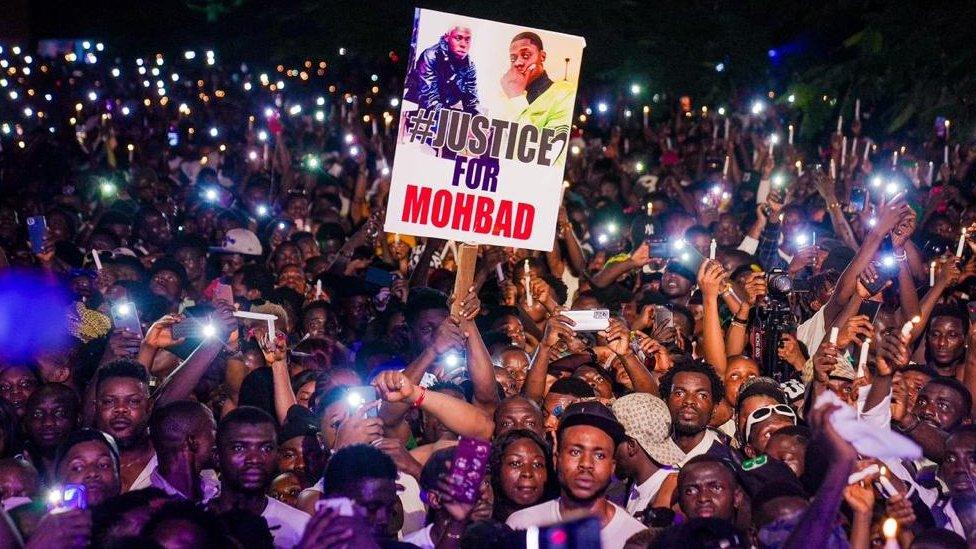
Nigerian music fans at a politically charged concert
Image: BBC

Why Political Music Gets Overlooked in Nigeria’s Streaming Era
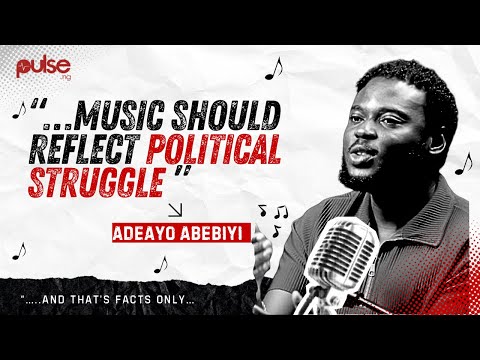
10 Underrated Nigerian Politically Conscious - Why Political Music Gets Overlooked in Nigeria's Streaming Era

The economics of modern music streaming are brutally simple: feel-good music performs better on algorithms. Platforms like Spotify and Apple Music are wired to push songs with high skip rates down and elevate tracks that people replay, add to playlists, and share at parties. Political music – with its heavier lyrical content and slower emotional burn – tends to get skipped in favour of something easier to dance to. Nigerian labels and independent artists face real pressure to chase trends, and “conscious” records rarely chart as impressively as their more commercial counterparts. This is not unique to Nigeria, of course, but the effect is pronounced in a market where Afrobeats’ international breakthrough has created enormous commercial incentive to keep things light. The result is that some genuinely important music slips through the cracks of public memory.
Afrobeats music streaming digital platform
Image: TechCabal

The Songs That Refused to Stay Quiet

10 Underrated Nigerian Politically Conscious - The Songs That Refused to Stay Quiet

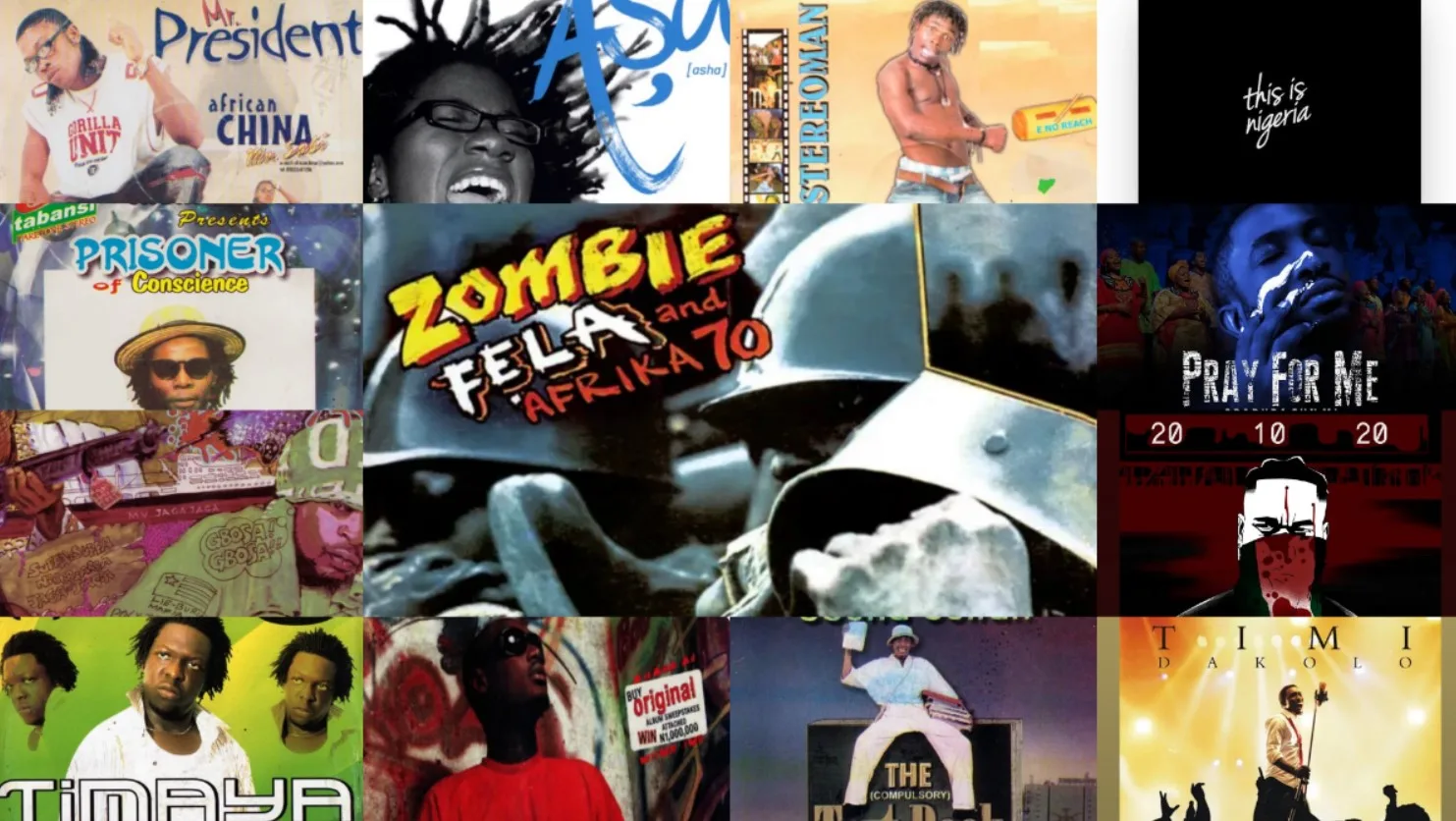
One of the most criminally underheard political records in recent Nigerian music history is Falz’s This Is Nigeria, released in 2018 as a direct response to Childish Gambino’s viral This Is America. The Lagos-born rapper and lawyer – whose full name is Folarin Falana – used the track to catalogue the absurdities and horrors of Nigerian life with surgical precision, referencing Boko Haram, corrupt governance, and a society trained to keep dancing while everything burns. The video was equally striking. Despite millions of views and massive critical praise at the time, the song rarely features in conversations about the best Nigerian music of that decade, which is a glaring omission. Falz has consistently been one of the most politically engaged voices in the industry, but his socially conscious work tends to be overshadowed by his more radio-friendly material.

Eedris Abdulkareem’s Jaga Jaga, released in 2004, is another song that practically rewrote the rules of what pop music could say out loud in Nigeria. At a time when criticising the government in such explicit terms was genuinely risky, Abdulkareem delivered a raw, unfiltered indictment of the Nigerian state – condemning corruption, poverty, and the suffering of ordinary citizens. The song was reportedly banned from several radio stations, which paradoxically only increased its cultural weight. Over two decades later, its central message – that Nigeria is in chaos and the leadership is to blame – has aged with uncomfortable relevance. It deserves to be taught in music schools alongside its artistic and political context.
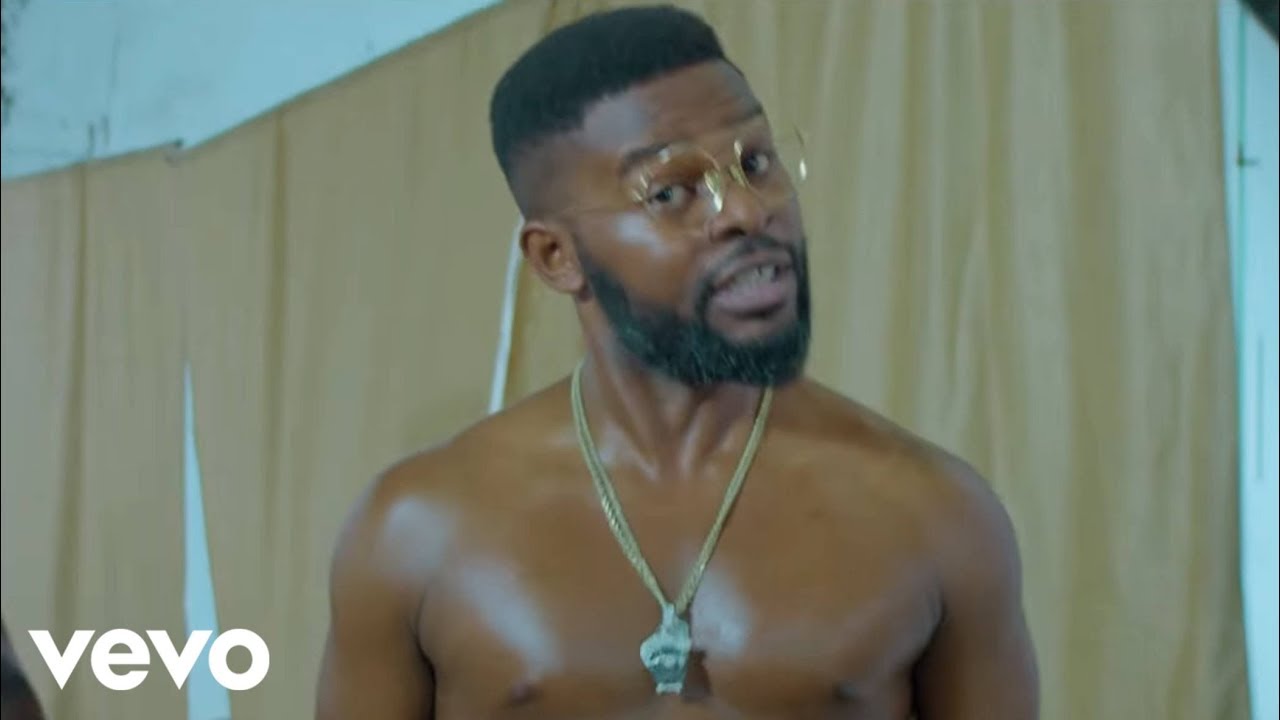
Falz Nigerian rapper political music video
Image: YouTube

EndSARS and the Songs Born From Protest
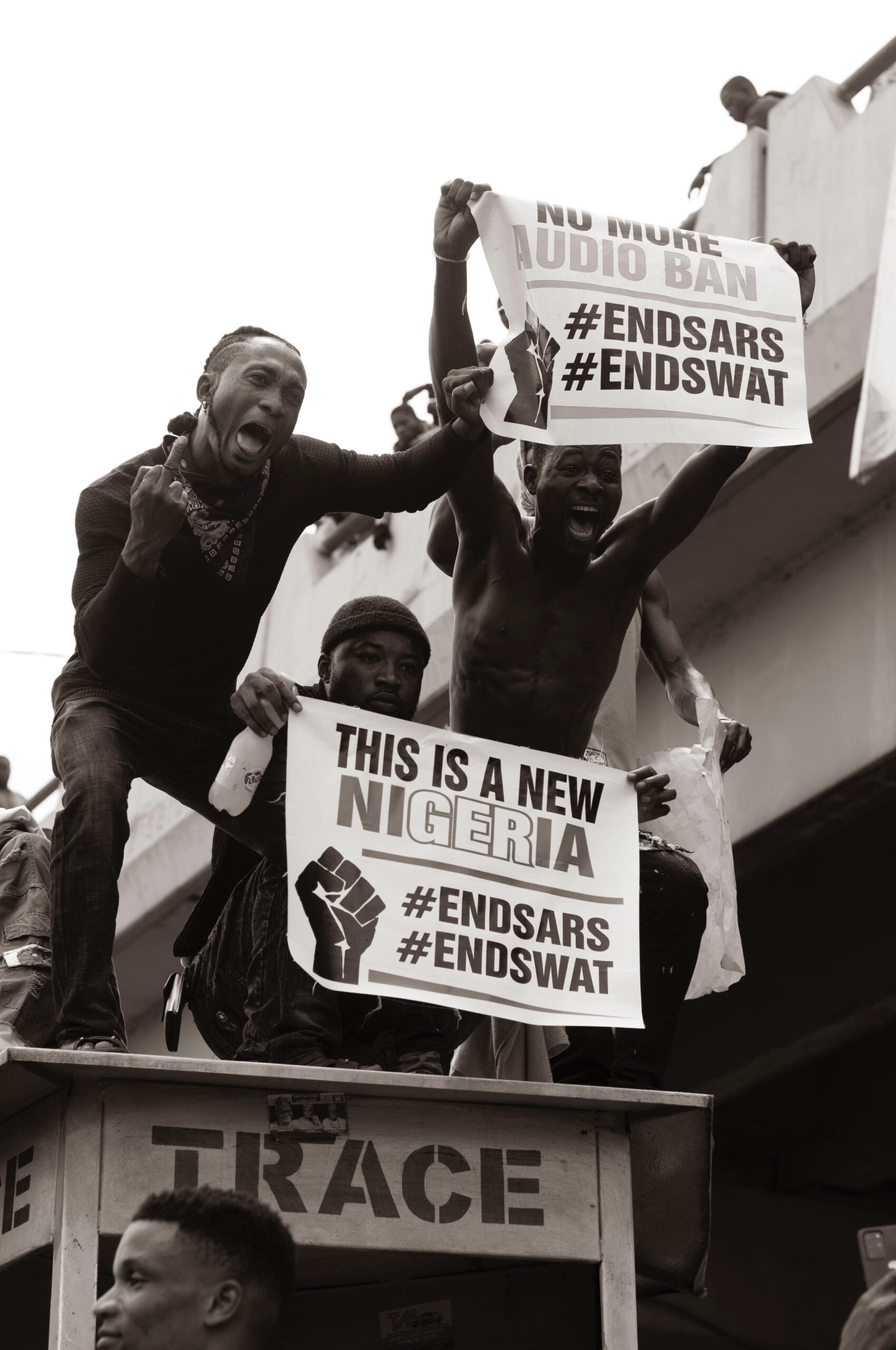
10 Underrated Nigerian Politically Conscious - EndSARS and the Songs Born From Protest

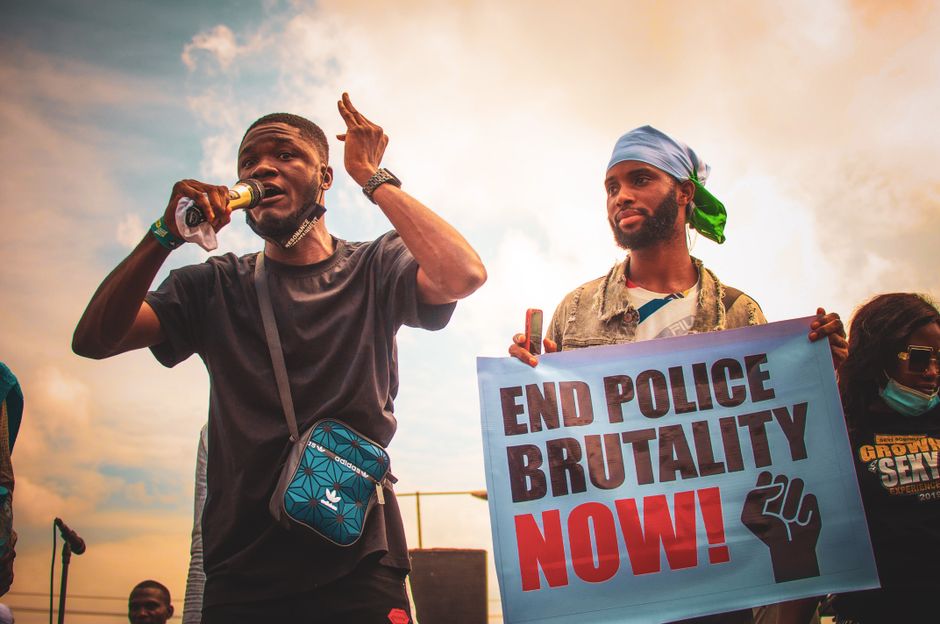
The October 2020 EndSARS movement, which saw young Nigerians take to the streets to protest police brutality and the feared Special Anti-Robbery Squad, produced some of the most urgent and emotionally raw music Nigeria has heard in years. Runtown’s No Love for the Wicked, which predated the protests but became an anthem during them, captured the mood of a generation tired of systemic violence. More directly tied to the movement was Temmie Ovwasa’s protest material – the singer, who had publicly broken from YBNL over creative disputes, used the moment to release music that was unflinching in its anger and grief. Many of these songs were shared millions of times on social media during the heat of the protests but have since faded from mainstream conversation, which says a great deal about how quickly the news cycle moves and how slowly institutional change tends to arrive.
Advertisement

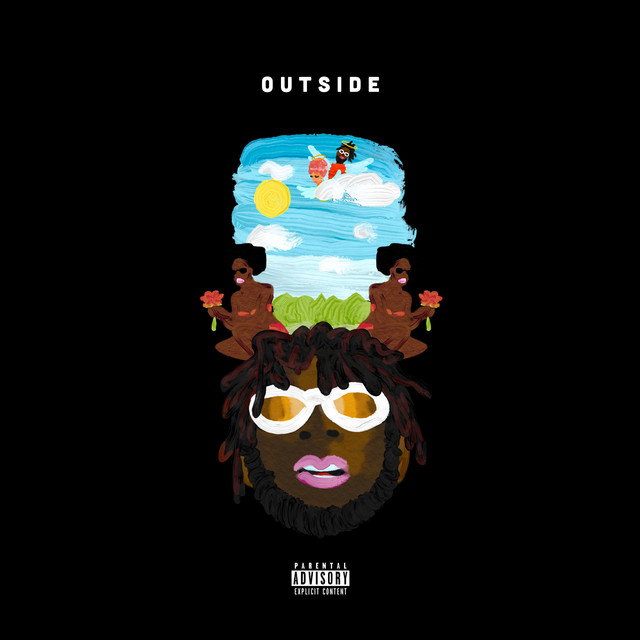
Burna Boy’s Another Story from his 2017 album Outside is another record that deserves far more attention than it typically receives. The song directly addresses colonialism, the transatlantic slave trade, and the ongoing consequences of that history on African people – themes that Burna Boy would later explore more explicitly on African Giant and his Grammy-winning Twice as Tall. But Another Story arrived before Burna had his current global platform, and it remains one of the more nuanced pieces of historical storytelling in contemporary Afrobeats. Listening to it now, knowing the arc of his career, feels like hearing a mission statement.

Burna Boy African Giant album artwork performance
Image: Spotify

Older Voices That Still Speak Truth

10 Underrated Nigerian Politically Conscious - Older Voices That Still Speak Truth

It would be impossible to write about Nigerian political music without spending more time with Fela Kuti, whose entire catalogue is essentially a masterclass in speaking truth to power through music. But beyond the most famous cuts like Zombie and Beast of No Nation, tracks like Coffin for Head of State and I.T.T. (International Thief Thief) remain startlingly relevant today. I.T.T., released in 1979, took direct aim at international corporations that Fela accused of colluding with corrupt African governments to extract wealth from the continent – an argument that economists and activists are still making in 2024. Fela’s music is often treated as historical artifact, but it functions better as a live wire. Put any of these songs on and they sound like they were written last week.

Sunny Ade and Ebenezer Obey, both titans of juju music, also wove social commentary into their work in ways that were subtler but no less significant. Obey’s records frequently addressed community values, leadership responsibility, and the moral obligations of wealth – messages cloaked in the warm, celebratory textures of juju but unmistakable once you listen closely. This tradition of encoding political messages within accessible, danceable music is one of the more sophisticated achievements of Nigerian popular culture, and it is a lineage that artists like Davido have occasionally tapped into, most notably with Fall and some of the thematic content of his A Good Time era, even if those references are easy to miss.

A New Generation Finding Its Political Voice

10 Underrated Nigerian Politically Conscious - A New Generation Finding Its Political Voice

The younger generation of Nigerian artists is increasingly reclaiming this tradition with confidence. Odunsi the Engine, Cruel Santino, and artists from the alternative Afrofusion space have been producing music that engages with identity, postcolonial anxiety, and social pressure in ways that feel fresh and personal rather than preachy. Amaarae, the Ghanaian-American artist who has become a fixture of the broader West African alternative scene, has also contributed to this conversation – her music interrogates gender, queerness, and belonging in ways that many Nigerian artists still shy away from publicly. The underground is producing genuinely important work, and the mainstream is slowly beginning to pay attention. What these artists share with their predecessors is the conviction that music is not just entertainment – it is testimony.

The challenge going forward is visibility. A politically conscious song released on a Friday in 2024 competes against hundreds of other tracks for the same algorithmic real estate, and without label muscle or influencer support, it can vanish within days. Music journalists, playlist curators, and fans all have a role to play in making sure these songs find the audiences they deserve. Nigeria has never been short of artists willing to tell hard truths through music. What the culture needs now is a more deliberate effort to amplify those voices – not just in moments of crisis, when protest music suddenly becomes socially acceptable to share, but consistently, as part of a broader appreciation for what Nigerian music has always been capable of saying.

Advertisement
Share
Get the recap

Loved this story? Get more like it.

Join readers who get our weekly entertainment recap - the stories worth your time, delivered every Friday.

No spam. Unsubscribe anytime. By signing up you agree to our Privacy Policy.

10 Underrated Nigerian Political... | Sidomex Entertainment