
Few rappers have managed to turn a music career into a sprawling commercial empire the way Jacques Bermon Webster II has. Better known as Travis Scott, the Houston-born artist sits at an unusual point in modern hip-hop: a chart-topping musician whose biggest paydays often have nothing to do with streaming royalties or album sales. Sneaker drops, fast food tie-ins, virtual concerts, and luxury fashion partnerships now drive a meaningful share of his income, and in some years they likely outpace what his actual music brings in.
Estimating his net worth is a messy exercise. Celebrity Net Worth has placed the figure around 80 million dollars in its 2024 and 2025 updates, while Forbes and other outlets have published lower estimates over the years, sometimes in the 60 million range. The spread reflects how much of his wealth is tied up in private brand equity, illiquid assets, and deal structures that are not publicly disclosed. What is not in question is that the floor keeps rising. Treating that 80 million figure as gospel would be a mistake, but treating Travis Scott as a working rapper rather than a brand-building businessman would be an even bigger one.
From Houston Rooms to Grand Hustle
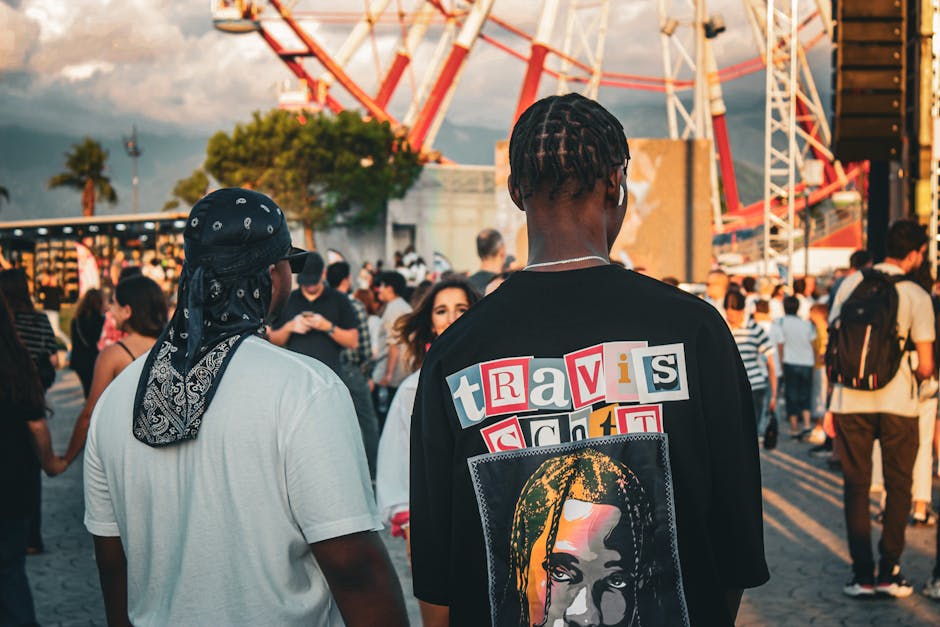
Born on April 30, 1991, in Houston, Texas, Webster grew up between Houston and the suburb of Missouri City. His grandfather was a college professor, his father owned a small business, and his mother worked for Apple. The middle-class background is worth noting because it cuts against the standard hard-luck rapper origin story. Travis was a kid who taught himself music production, dropped out of the University of Texas at San Antonio to chase a beat-making career, and eventually moved to New York and then Los Angeles to network his way into the industry.
The break came in 2012 when he signed with T.I.’s Grand Hustle Records, followed by a deal with Epic Records and a production agreement with Kanye West’s GOOD Music. He spent the early years contributing production to other artists and releasing mixtapes that built a cult audience. The commercial turning point arrived in 2015 with “Antidote,” a single from his debut studio album Rodeo that pushed him from underground favorite to mainstream chart presence. Rodeo went platinum. The blueprint of moody production, autotune-soaked vocals, and rage-ready live energy started to crystalize.
The Astroworld Peak
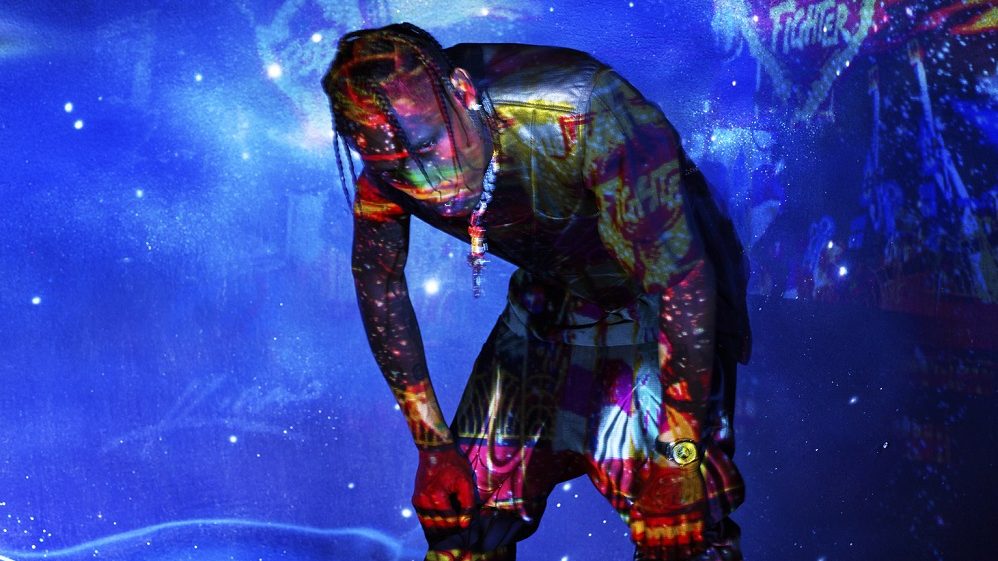
If Rodeo established him and 2016’s Birds in the Trap Sing McKnight cemented his commercial viability, 2018’s Astroworld is where Travis Scott became a cultural force. The album was named after the now-defunct AstroWorld theme park in Houston, and it leaned into nostalgia, theme-park imagery, and a sprawling guest list that spanned Drake, Frank Ocean, Stevie Wonder, and Tame Impala. The lead single “Sicko Mode” topped the Billboard Hot 100 and became one of the defining rap singles of the decade.
What Astroworld did beyond chart performance was give him a worldbuilding language. The album was not just music. It was an aesthetic he could extend into festival branding, merchandise drops, virtual experiences, and eventually a real-world Astroworld Festival in Houston. That mattered for the business side. Every later partnership, from McDonald’s to Nike to Dior, plugged into a recognizable visual and sonic universe.
Touring: The Real Music Money
For most A-list rappers, touring is where the actual cash lives. Streaming generates exposure, but a sold-out arena tour with controlled merch and meet-and-greet upsells is where eight-figure paydays get cut.
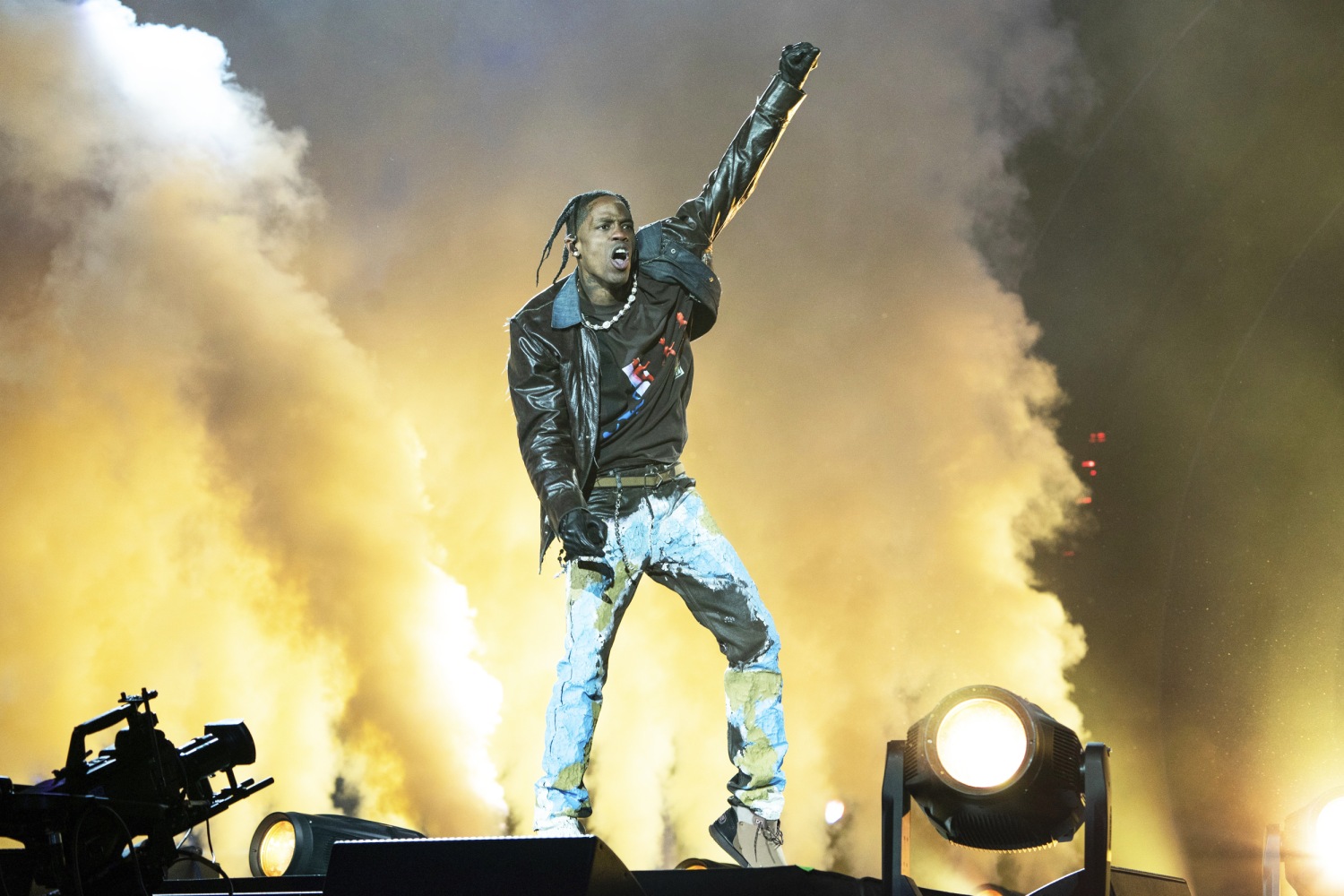
His 2024 Circus Maximus Tour, supporting the Utopia album, reportedly grossed over 100 million dollars across its global run. That figure is a top-line gross, not what lands in his pocket. Live Nation deals for artists at his level typically involve a guaranteed minimum plus a percentage of net profits after production costs, venue fees, crew, transportation, and management cuts. The take-home for the artist can land anywhere from 20 to 40 percent of gross on a major tour, depending on contract structure.
Travis Scott productions are notably expensive. The stage builds, pyrotechnics, and lighting rigs that define his live shows eat into margins. Even so, a 100 million dollar gross likely translated to a meaningful eight-figure personal payday before merch, which is often booked separately and runs at much fatter margins.
Streaming Income at His Scale
Spotify monthly listener counts of 50 million and above place Travis Scott in the top tier of global streaming artists. The per-stream economics, however, remain humbling. Spotify pays out somewhere in the neighborhood of 0.003 to 0.005 dollars per stream to rights holders, and that money has to be split among labels, publishers, producers, and featured artists before the headline name sees their cut.
Annual streaming revenue from Spotify alone for an artist at his tier likely lands in the high seven figures to low eight figures gross, with the artist’s personal share often being a fraction of that depending on his Epic Records deal terms. Apple Music, YouTube, and Amazon Music add to the total. The honest framing is that streaming is a steady, meaningful revenue line, but it is not the centerpiece of his finances the way it is for purely streaming-first artists.
Cactus Jack Records
Cactus Jack Records, his imprint distributed through Epic, doubles as a vanity label and a real business. The roster has included Sheck Wes, Don Toliver, Chase B, and others. The 2019 JackBoys compilation, released under the Cactus Jack banner, debuted at number one on the Billboard 200, demonstrating that the brand could move units on its own.
The master ownership question is the one that matters most for long-term wealth. Public details on Travis Scott’s specific masters situation with Epic are limited, but artists at his commercial level typically negotiate either ownership reversion clauses, profit-sharing on masters, or outright ownership of new releases as their contracts mature. Cactus Jack as an imprint likely gives him a stronger ownership position on signings he brings in than on his earliest solo work. Whether he owns his own Astroworld and Utopia masters in full is not publicly confirmed.
The Nike and Jordan Empire
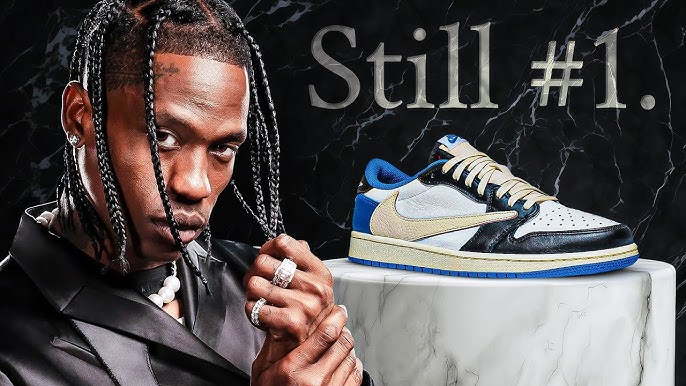
If there is one revenue stream that has reshaped Travis Scott’s financial profile more than any other, it is the Nike partnership and specifically the Jordan Brand collaboration line. The Air Jordan 1 “Cactus Jack” releases, with their reversed Swoosh signature, became some of the most coveted sneakers of the late 2010s and early 2020s. Resale market premiums on those releases routinely ran three to five times retail and sometimes much higher for limited colorways.
The Travis Scott x Fragment Air Jordan 1, the AJ4 Olive, the AJ6 British Khaki, and the various low and high colorways across the Cactus Jack line built him into a sneaker brand in his own right. Nike does not publicly disclose celebrity collaboration deal terms, but sustained, multi-year partnerships at this scale with regular product drops are widely reported to run into eight-figure annual territory for top-tier athlete and entertainer partners. The reverse Swoosh signature became a recognizable mark, which is the kind of brand asset that compounds in value over time.
The Cactus Jack branding extended beyond sneakers into apparel, accessories, and limited collaborative merch with other brands. Each drop functions as both revenue and marketing for the broader empire.
McDonald’s: A Cultural Marketing Coup
The 2020 Travis Scott Meal with McDonald’s was a landmark deal. It was the first time the chain had named a meal after a celebrity since Michael Jordan in 1992, a fact the marketing leaned into heavily. The meal itself was a Quarter Pounder with bacon, fries with BBQ sauce, and a Sprite, available for a limited window.
Reported figures on what McDonald’s paid for the deal have ranged widely, with some sources suggesting a 20 million dollar fee and others pointing to a smaller cash payment offset by performance bonuses and merchandise tie-ins. Whatever the headline number, the cultural value was arguably bigger than the cash. The deal made him a household name beyond music and hip-hop circles, drove a temporary meat shortage at some franchise locations, and built a co-branded merchandise drop that sold out almost instantly. It validated a thesis that his fan base could be activated as commercial demand across categories most rappers never touch.