Tay Keith: The Producer Behind the Biggest Rap Anthems and His Lasting Impact on Hip-Hop
Jalen Ross··10 min read
Ad SpaceArticle Top - 728x90
Advertisement
Five words, snarled by a Tennessee voice over a beat that had not even dropped yet, told you exactly what was coming. The now-iconic producer tag - a blunt warning that the next three minutes were going to hit hard - became one of the most recognizable sounds in modern rap, the audio equivalent of a stamp pressed into wet concrete. You did not need to read the credits. The moment that voice cut through the speakers, you knew Tay Keith had touched the record, and you knew the bass was about to rearrange your chest. By the late 2010s, hearing that tag at the top of a song was a kind of promise, and the producer almost never broke it.
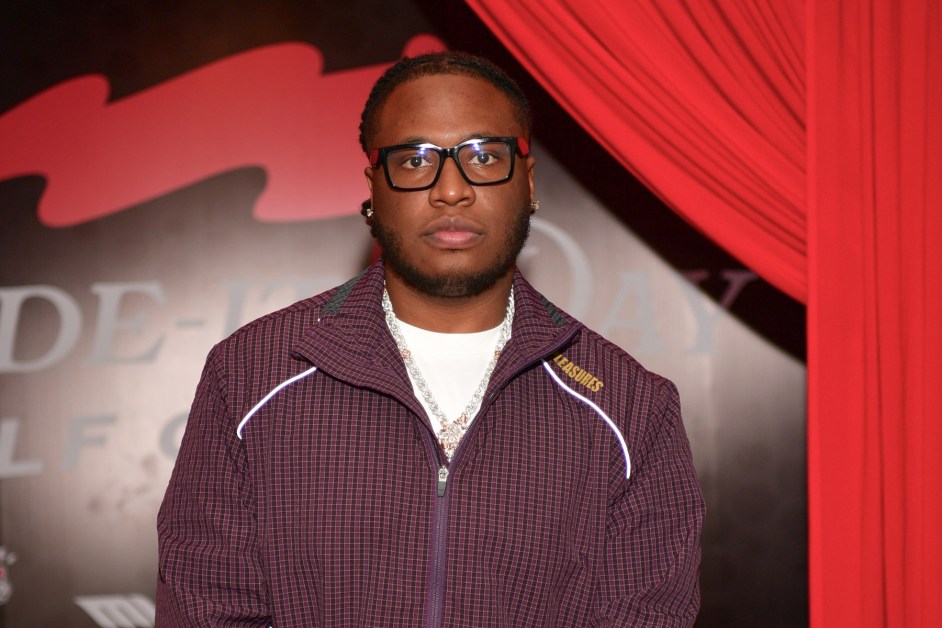
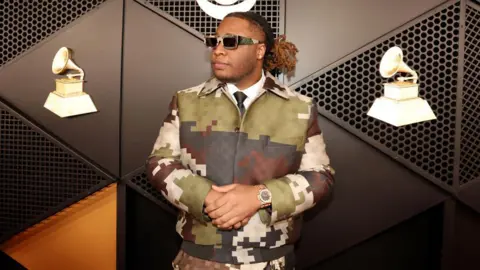
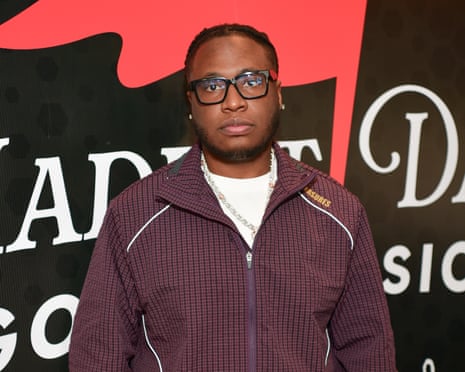
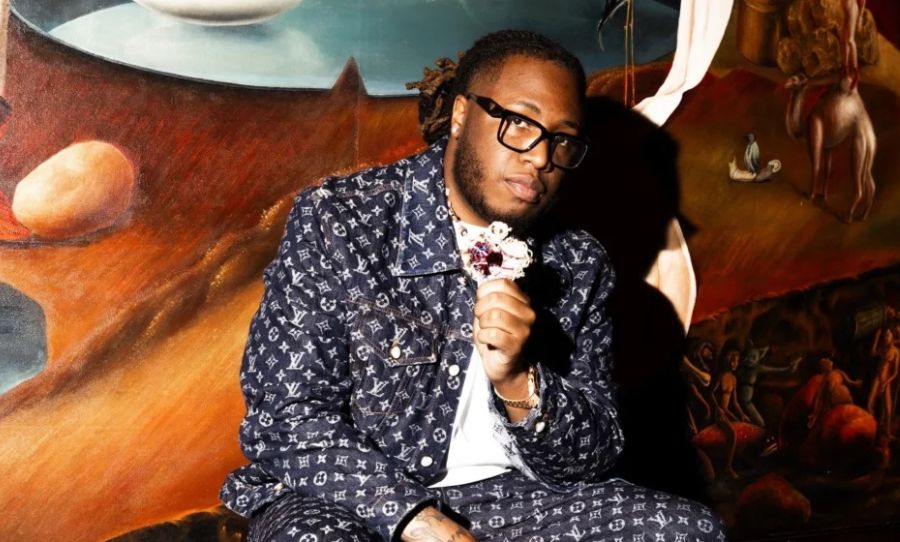
That tag belonged to Brytavious Lakeith Chambers, a Memphis kid who turned a homemade YouTube hobby into a run of number-one singles. On June 18, 2026, Chambers was found dead in his Nashville apartment at the age of 29, a loss that sent the rap world into mourning and pulled his name back to the center of cultural conversation. To understand why his passing landed so heavily, you have to understand how much of the last decade’s biggest music carried his fingerprints, and how a sound born in the grittiest corners of Memphis ended up playing on every radio station in the world.
The Memphis kid and the college come-up
Chambers was born on September 20, 1996, and raised in Memphis, Tennessee, a city whose musical DNA he absorbed before he ever made a beat of his own. He grew up on the sounds of Southern hip-hop royalty - Three 6 Mafia, 8Ball & MJG, the menacing low-end and horror-movie keys that defined the city’s underground for decades. In interviews he was always clear about where it came from. “I was born into this shit and raised in this shit,” he told Rolling Stone in 2022. “Memphis music is all I listened to and all my family listened to.”
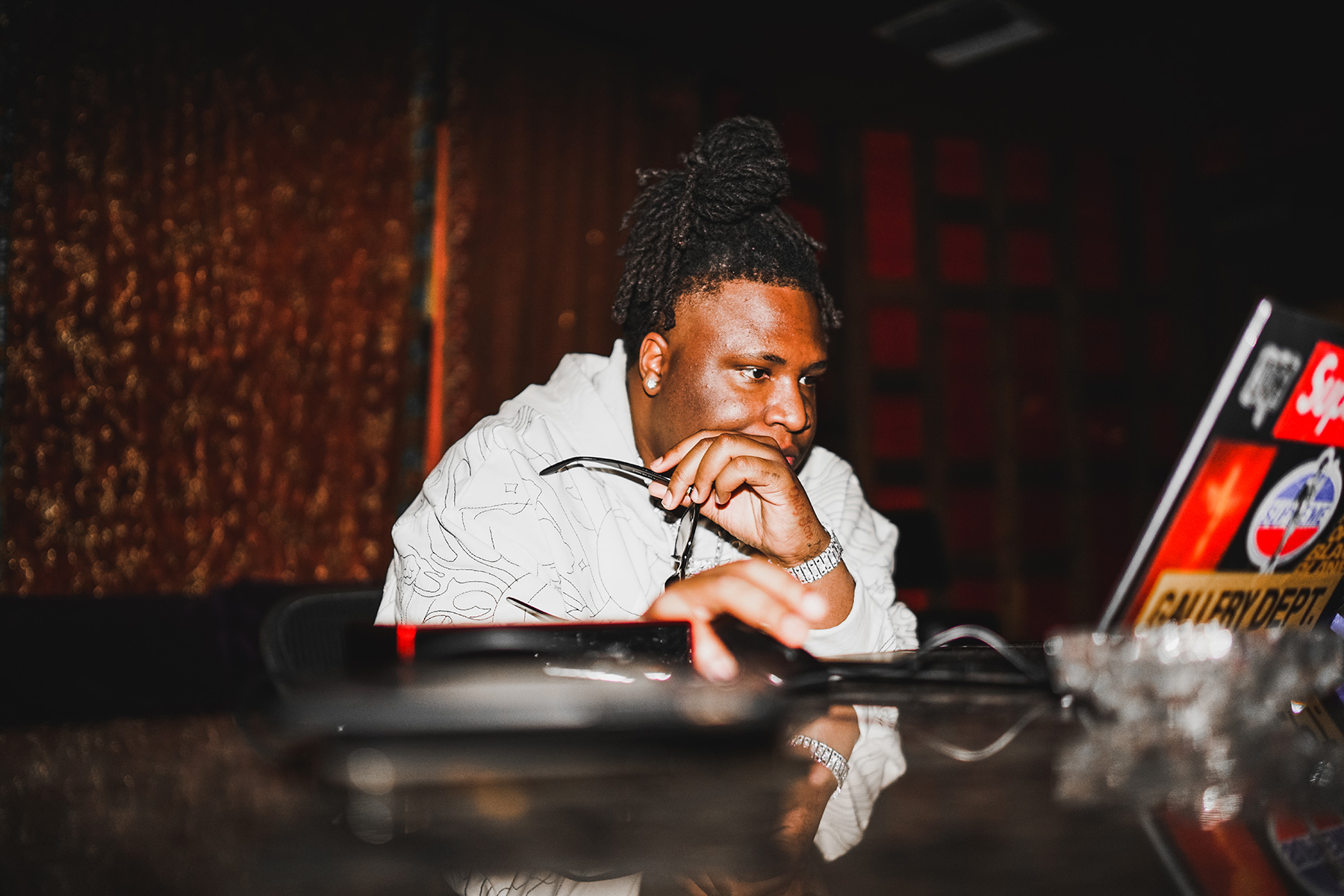
The origin story is almost too on-the-nose for a self-made producer. Around 13 or 14, working with little more than an HP computer and a Rock Band microphone, he started uploading his production to YouTube. He noticed something the average teenager would have missed: the videos were generating money through Google AdSense. The checks, modest as they were, pointed him toward production rather than rapping, and he never looked back.
He was not a dropout who got lucky. Chambers enrolled at Middle Tennessee State University, and even as his beats began landing on records by local stars, he kept going to class. He graduated in December 2018 with a degree in integrated studies and media management, the same month one of his productions sat at the top of the Billboard Hot 100. The school later named him an honorary professor, a fitting bookend for someone who treated production like a craft to be studied rather than stumbled into.
The local network that built him
Before the world knew his name, Memphis did. Chambers came up inside a tight web of neighborhood talent, and those early relationships turned out to be the foundation of everything. He met rapper BlocBoy JB as a teenager, after JB moved to North Memphis and wandered past a shed full of studio equipment. The two started trading beats and verses, kids messing around with gear, with no idea they were rehearsing for the main stage.
He attended Hamilton High School alongside Key Glock, meeting the future Paper Route Empire star in the cafeteria. He picked up early placements with rising hometown figures like Blac Youngsta and Moneybagg Yo, building a reputation locally as the guy whose beats could make a record feel dangerous. Blac Youngsta even recorded a song built around the claim that he discovered Tay Keith first, the kind of inside joke that only happens when a producer becomes a neighborhood asset everyone wants to lay claim to. By the time the rest of the country caught on, Chambers had already spent years sharpening the sound in rooms most listeners would never see.
“Look Alive” and the breakthrough
On a global level, the Tay Keith story begins with “Look Alive.” Released in early 2018, the BlocBoy JB single featuring Drake became the moment everything tipped over. The common assumption is that Drake heard a local hit and elevated it, but the reality was the reverse. The beat caught Drake’s ear through Chambers’ growing network of placements, Drake posted an early version, and BlocBoy JB slid into his messages to get on the record himself.
What made “Look Alive” work was exactly what made Memphis music work: dark, spare piano, drums that punched rather than tapped, and an atmosphere of low-grade menace that felt authentic rather than manufactured. The song climbed to number five on the Billboard Hot 100 and announced both the rapper and the producer to an audience far beyond Tennessee. For Chambers, it was proof of concept. The sound he had been refining since he was a teenager was not too regional, too rough, or too strange for the mainstream. It was the mainstream now.
The run of anthems
What followed was one of the most concentrated hot streaks any producer has had in the streaming era, and almost all of it happened in a single calendar year. In 2018 alone, Chambers stacked credits that most producers would be lucky to collect across an entire career.
There was “Nonstop,” the Drake cut from “Scorpion” that rode consistent hi-hats, snapping snares, and a groaning low end, all anchored by an obscure sample from Memphis artist Mack Daddy Ju. Drake had asked for “that Memphis slap,” and that is precisely what he got. The track debuted at number two on the Hot 100 and became one of the most-streamed songs on a double album that broke streaming records.
There was “SICKO MODE,” the sprawling Travis Scott epic that turned Chambers from a household name into a genuine star. The song carried seven producers across its shape-shifting structure, but the back half - the part where the beat switches and the energy detonates - was his domain. It topped the Hot 100, earned Diamond certification, and pulled a Grammy nomination for Best Rap Song. If “Look Alive” proved Memphis production could compete, “SICKO MODE” proved it could headline.
The same year brought “Never Recover,” the Lil Baby and Gunna track featuring Drake from “Drip Harder,” laced with ominous bells and spiraling chimes. He co-produced Eminem’s “Not Alike” for the Detroit rapper’s album “Kamikaze,” a placement that said as much about his range as his reach. Atlanta, Toronto, Detroit, St. Louis - rappers from every regional school of hip-hop were lining up for beats from a 21-year-old who had just finished college. Complex named him the best producer alive that year, and for once the superlative did not feel like hype.
Ad SpaceIn-Article - 300x250
Advertisement
The sound: Memphis bounce and the 808s
Strip away the famous names and the chart positions, and what made Chambers special was a specific sonic signature you could identify within seconds. He took the foundational elements of Memphis rap - the syncopated bounce, the eerie keys, the 808s that rattled trunks rather than politely thumping - and made them flexible enough to wrap around almost any voice. That adaptability was the whole trick. A melodic, subdued artist like Polo G could push against the explosive chaos of “Go Stupid.” A maximalist like Travis Scott could ride the second-half switch on “SICKO MODE.” The beats had a fixed identity but an open door.
His low end was the calling card. The bass on a Tay Keith record was not background texture, it was an event, the kind of sound engineered to be felt in a car or a club before it was heard. Layered over that were the spare, foreboding melodies inherited from Three 6 Mafia, the chimes and bells and detuned keys that gave even a celebratory anthem a faint sense of dread. It was party music with a shadow over it, which turned out to be exactly the texture modern rap wanted.
He could also flex far outside the trap pocket when the moment called for it. In 2019 he reimagined Frankie Beverly and Maze’s “Before I Let Go” for Beyonce’s “Homecoming” project, a daunting assignment given the song’s near-sacred status in Black American households. Rather than flatten it, he braided in New Orleans bounce, HBCU marching-band drumlines, and brass, honoring the original while making it move. “It’s kind of a Black People Anthem,” he told HuffPost at the time. It was a reminder that the menace was a choice, not a ceiling.
The producer-as-star era he helped define
Chambers arrived at the exact moment hip-hop production stopped being anonymous. For most of rap history, the producer was a name in small print, known to crate-diggers and credits-readers but invisible to the casual fan. The tag changed that. By branding the front of his records with that unmistakable voice, he made himself part of the song, a presence listeners recognized and anticipated rather than a behind-the-scenes technician.
He was not the only producer to use a tag, but few have ever made one this load-bearing. The phrase became shorthand for a whole aesthetic, quoted in conversation, stamped onto a generation of records, instantly understood across regional and generational lines. It turned a producer into a brand in an era when that was becoming the new currency. When fans argue about which song they picture the instant they hear it - “Look Alive,” “Nonstop,” “Pound Town” - they are really arguing about which Tay Keith moment hit them hardest, and that argument only exists because he made the producer impossible to ignore.
That visibility opened doors beyond the booth. He built Drumatized, a music group and creative space that ran camps, developed studios, and pushed cross-genre collaboration, positioning him as a bridge between hip-hop’s digital-first production culture and Nashville’s songwriter economy. He also poured energy back into Memphis, partnering with the National Museum of African American Music and city programs to mentor young producers. “I was raised in Section 8, I was raised with a single mom majority of my life,” he said. “I made it a mission to be able to show the youth that it’s possible.”
What drove the renewed attention
The wave of searches and tributes that surrounded his name in June 2026 had a sad and specific cause. On June 18, 2026, officers performing a welfare check found Chambers dead in his Martin Street apartment in Nashville. The Metropolitan Nashville Police Department stated that no foul play was suspected and that his death was unclassified pending autopsy results. He was 29. The cause of death was not immediately released.
The reaction was immediate and broad. Sexyy Red, whose career he helped launch, posted a tribute within hours, joined by Key Glock, Tyler, the Creator, and a long line of artists who had either worked with him or grown up on his beats. The mourning cut across the regional and stylistic lines his music had always crossed, a fitting echo of a catalog that belonged to no single city. For listeners encountering his story for the first time, the news became an entry point into a body of work that had quietly shaped the sound of an entire era.
His standing among modern hip-hop producers
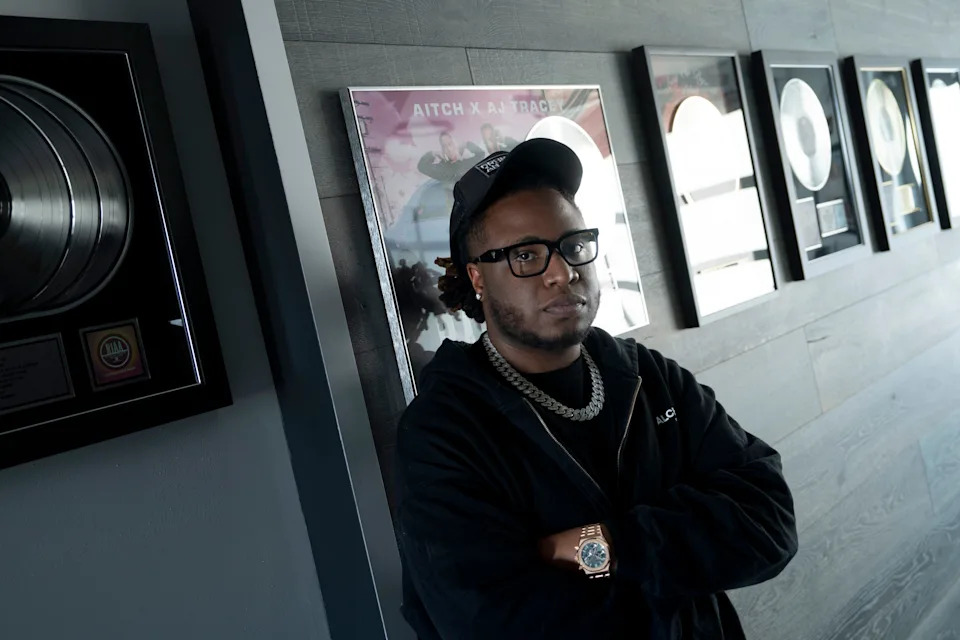
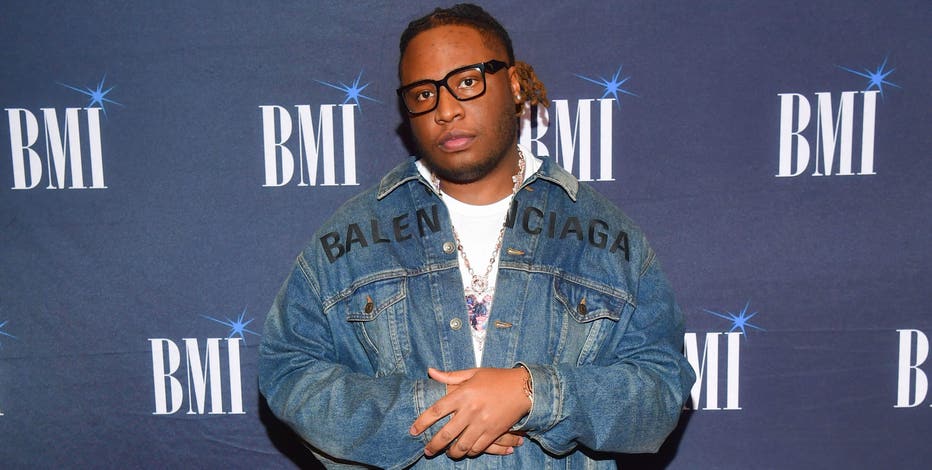
The numbers alone make the case. Chambers earned a string of top-10 Billboard hits and multiple number-one singles, a two-time Grammy nominee whose work helped define what commercial rap sounded like for the better part of a decade. He was recognized repeatedly by BMI, named Producer of the Year on multiple occasions and Songwriter of the Year at the organization’s 2025 ceremony, the kind of industry honors that signal respect from peers rather than just chart performance. Estimates of his net worth in 2026 ranged into the mid-teens of millions, a figure built on production fees, songwriting royalties, and publishing.
But the statistics undersell the influence. Chambers did something harder than racking up hits: he relocated the center of gravity in mainstream rap, proving that the dark, bass-heavy Memphis sound could sit at the very top of the charts rather than the regional underground where it had lived for decades. Producers who came after him inherited a landscape he helped reshape, one where the Memphis aesthetic was no longer a niche but a default setting for a certain kind of anthem. His more recent Drake collaborations, including work that surfaced on “Her Loss” and singles into the mid-2020s, showed an artist still in the rooms where the biggest records were made, even as his role shifted from front-and-center to a more textural presence.
A legacy stamped into the sound
The career that began with a teenager uploading beats for AdSense checks ended as one of the defining production stories of his generation. From a shed in North Memphis to the top of the Hot 100, from a college classroom to honorary professorship, Chambers compressed a lifetime of achievement into a short window and left behind a catalog that radio, clubs, and streaming playlists will be cycling through for years. Sexyy Red owes a launch to him. Key Glock owes a hometown bond. Drake, Travis Scott, Beyonce, Eminem, and Lil Baby all owe at least one essential record to his hands on the board.
His sound is still everywhere, the way a great producer’s work tends to outlive everything else. Somewhere a car is rolling past with that low end shaking the windows, a club is feeling the drop on a beat that switches at exactly the right second, and a young producer in a bedroom is studying the chimes and the 808s, trying to figure out how he made dread sound like a party. Brytavious Chambers turned a five-word warning into a cultural signature, and the music carries it forward without him.
Ad SpaceIn-Article - 300x250
Advertisement
Share
Get the recap
Loved this story? Get more like it.
Join readers who get our weekly entertainment recap - the stories worth your time, delivered every Friday.
No spam. Unsubscribe anytime. By signing up you agree to our Privacy Policy.