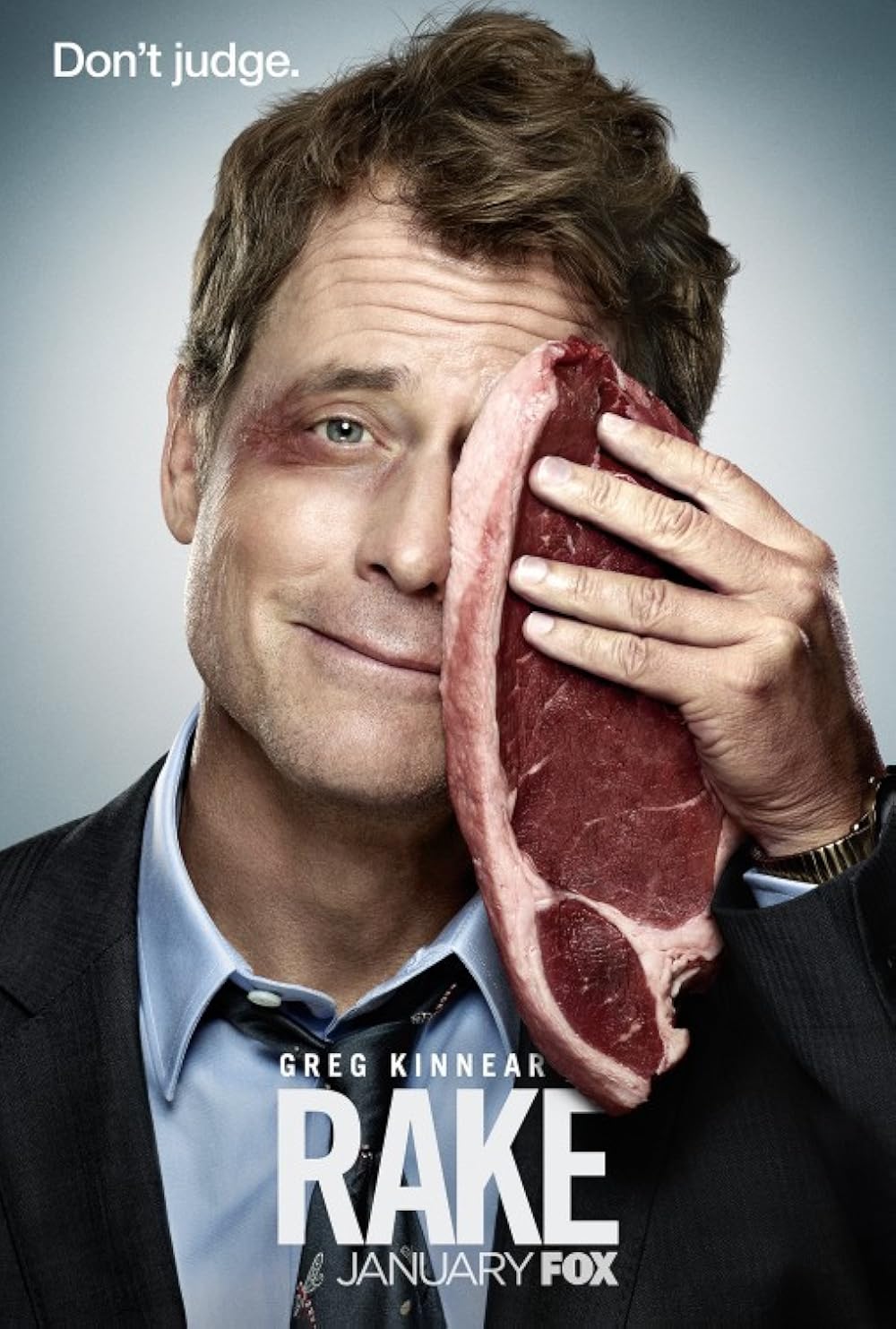

When Fox announced they were adapting the critically acclaimed Australian legal comedy “Rake” for American television, expectations were sky-high. The original series, starring Richard Roxburgh as the brilliantly flawed barrister Cleaver Greene, had become a cultural phenomenon in Australia, earning praise for its sharp wit and unflinching portrayal of a lawyer whose personal life was even messier than his cases.
Yet despite securing Emmy-nominated actor Greg Kinnear to lead the American version, the remake stumbled out of the gate and never recovered, lasting only 13 episodes before Fox pulled the plug. The failure raises important questions about what gets lost in translation when beloved international hits cross the Pacific.
The Original’s Secret Sauce
Australia’s “Rake” succeeded because it perfectly captured the unique flavor of Sydney’s legal world while creating a protagonist who was simultaneously despicable and sympathetic. Richard Roxburgh’s Cleaver Greene was a gambling addict, serial womanizer, and tax evader who somehow managed to be brilliant in the courtroom and oddly principled when it mattered most.
The show’s creator, Peter Duncan, drew inspiration from real-life colorful barristers he’d encountered, crafting storylines that felt authentically Australian. The series didn’t shy away from political satire or social commentary, often using Cleaver’s cases to examine contemporary issues facing Australian society.
What made the original truly special was its willingness to let its protagonist fail spectacularly. Cleaver rarely learned from his mistakes, creating a cyclical pattern of self-destruction that was both frustrating and oddly comforting to viewers who recognized their own human flaws reflected on screen.
Lost in Translation
The American adaptation, which premiered in 2014, attempted to transplant this concept to the world of Los Angeles criminal defense. Greg Kinnear stepped into the lead role as Keegan Deane, bringing his considerable acting chops to what should have been a perfect fit for his sardonic screen persona.
However, the translation process seemed to strip away much of what made the original compelling. American television’s tendency toward redemption arcs and likeable protagonists clashed with the source material’s commitment to moral ambiguity.
The show also struggled with tone, never quite deciding whether it wanted to be a procedural, a character study, or a broad comedy. While the Australian version seamlessly blended these elements, the Fox adaptation felt like it was trying to be too many things to too many different audiences.
Network Pressures and Cultural Differences
Part of the problem lay in the fundamental differences between Australian and American television cultures. The original “Rake” aired on ABC Australia, where it had the freedom to be politically incorrect and morally complex without worrying about advertiser-friendly content or broad demographic appeal.